Home remedies often feel like quick fixes, but some “tried-and-true” treatments can backfire in surprising ways. From skin care to stomach relief, common at-home solutions may cause more damage than the problems they claim to solve. Here are 10 home remedies you should stop using immediately to avoid unnecessary risk.
Urinating on a Jellyfish Sting

A popular myth suggests that urine can neutralize the pain of a jellyfish sting. In reality, the inconsistent salt concentration in urine does little to calm nerve irritation and can even trigger more nematocyst discharge. Instead, rinse the affected area with saltwater, carefully remove the tentacles with tweezers, and apply cold compresses for relief. Medical attention may still be necessary for severe reactions.
Butter for Burns
Applying butter or oils to burns is a classic but dangerous mistake. Fats trap heat inside the skin, prolonging tissue damage and creating a breeding ground for bacteria. Immediate treatment with cool running water and clean gauze remains the safest approach. For deeper burns, professional medical care is essential to prevent infection and long-term scarring.
Coffee for Hangovers

Many reach for coffee to “wake up” after a night of drinking, but caffeine constricts blood vessels and worsens dehydration. This can intensify hangover symptoms like headaches and fatigue. Hydration with water, electrolyte-rich drinks, and light meals is the medically recommended strategy for recovery.
Hydrogen Peroxide on Cuts
Hydrogen peroxide produces bubbles that seem to clean wounds, but it also kills healthy cells and delays healing. Gentle soap and water, followed by a sterile bandage, provide a far safer alternative while maintaining tissue integrity.
Antibacterial ointments can be used when necessary, but peroxide should be reserved for extreme disinfection scenarios.
Mouthwash for Sore Throats
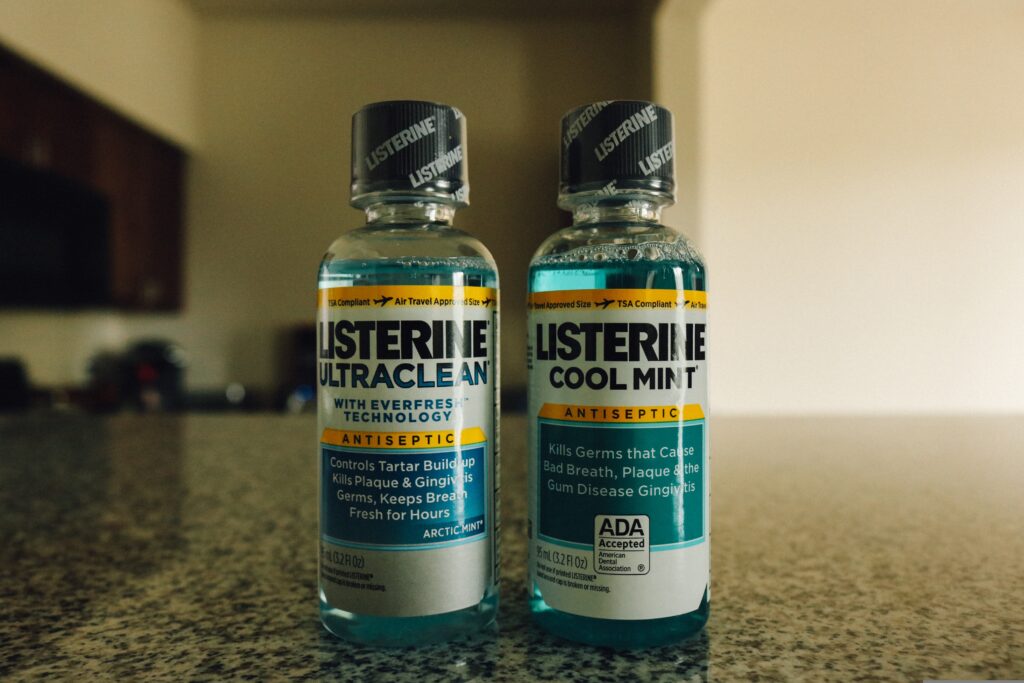
Gargling mouthwash might feel soothing, but alcohol-based solutions can aggravate inflammation and dry out throat tissue. Warm saltwater gargles or medicated throat sprays safely reduce irritation without introducing harsh chemicals that can exacerbate pain.
Garlic in the Ear
Inserting raw garlic to treat earaches or infections is not only ineffective but also potentially dangerous. It can cause chemical burns, allergic reactions, or worsen inflammation. Over-the-counter ear drops and professional evaluation are safer and more reliable solutions.
Castor Oil to Induce Labor
Expectant mothers have long used castor oil to “jumpstart” labor, but it carries high risks of severe cramping, dehydration, and fetal distress. Walking, prenatal exercise, or consultation with an obstetrician are far safer methods to encourage labor naturally.
Raw Eggs for Hair and Face

Raw eggs are touted in DIY hair and skin masks, but they pose a significant risk of salmonella infection. Protein-rich alternatives like yogurt, avocado, or honey masks deliver similar benefits without bacterial hazards. Always cook or pasteurize eggs before using them topically.
Toothpaste or Coconut Oil on Acne
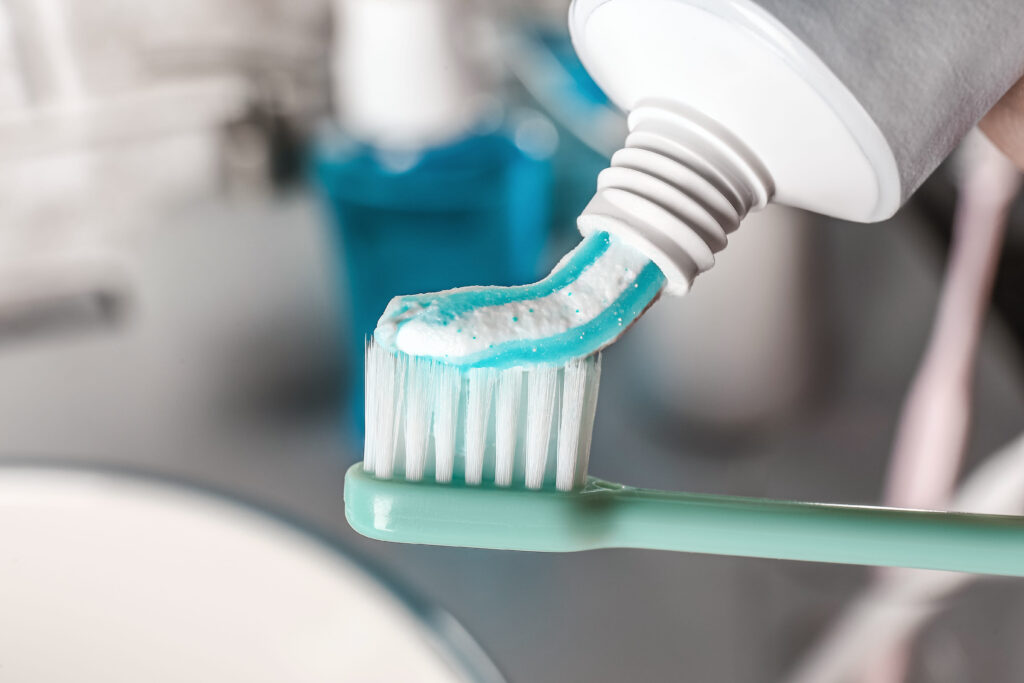
Applying toothpaste can dry pimples but often damages surrounding skin, causing redness, peeling, and irritation. Coconut oil may seem natural, but it can clog pores and trigger acne flare-ups. Dermatologist-recommended topical treatments containing benzoyl peroxide or salicylic acid are safer and more effective.
Apple Cider Vinegar or Milk for Heartburn
Treating acid reflux with vinegar or milk is counterproductive. Vinegar increases acidity, and milk stimulates additional acid production after initial relief.
Medically approved antacids or acid reducers provide a controlled, safe, and lasting solution to heartburn and gastroesophageal reflux.
Key Takeaway
Home remedies can be tempting, but several commonly cited solutions can cause more harm than good. For safety, effectiveness, and long-term health, evidence-based treatments and professional guidance are always the superior choice. Knowing which remedies to avoid can save you from unnecessary complications and speed up real recovery.