Costco feels like a shopper’s paradise: towering shelves, bulk bargains, and endless options that promise savings. But not every deal is worth it. Some items, despite their low per-unit price or giant size, end up as wasted money, expired food, or products that compromise quality. Savvy shoppers know that knowing what not to buy is just as important as knowing what to stock up on.
Here’s a comprehensive guide to the grocery items you should avoid buying at Costco if you want to protect your wallet, preserve your pantry space, and ensure quality food:
Oversized Bulk Meat
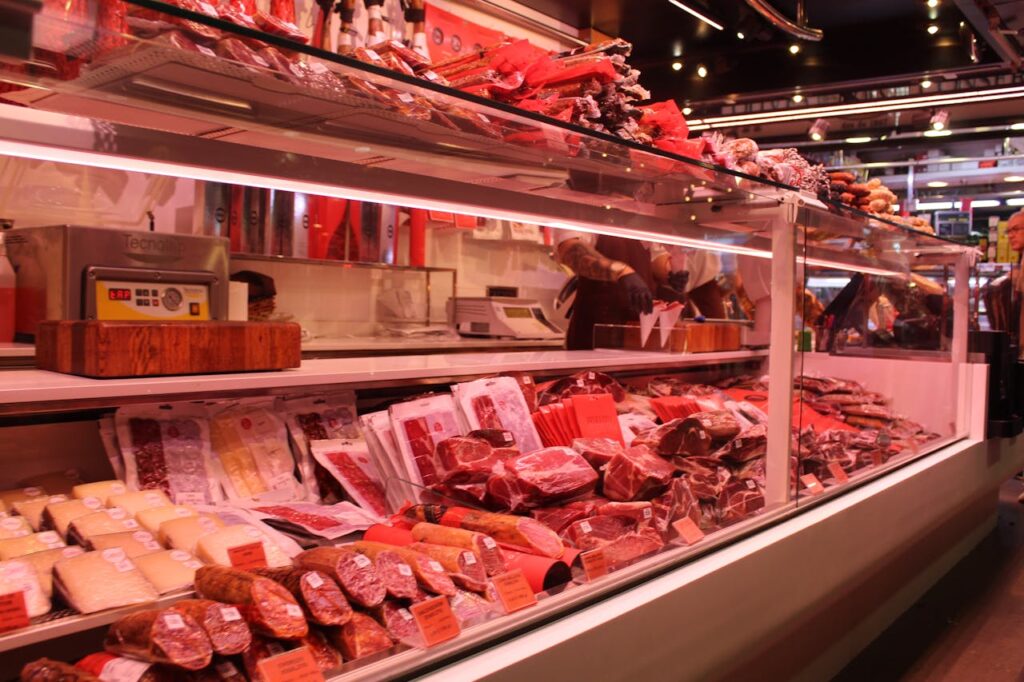
The allure of a 10-pound pack of chicken breasts or a giant slab of beef is hard to resist, but buying more meat than you can realistically consume is a recipe for waste. Freezing helps, but even frozen meat loses quality over time. Texture, flavor, and moisture degrade after weeks. Large quantities of meat also require meticulous portioning, adequate freezer space, and time to thaw safely. Without careful planning, half of it is likely to spoil or languish forgotten.
Pre‑Marinated or Pre-Seasoned Meats
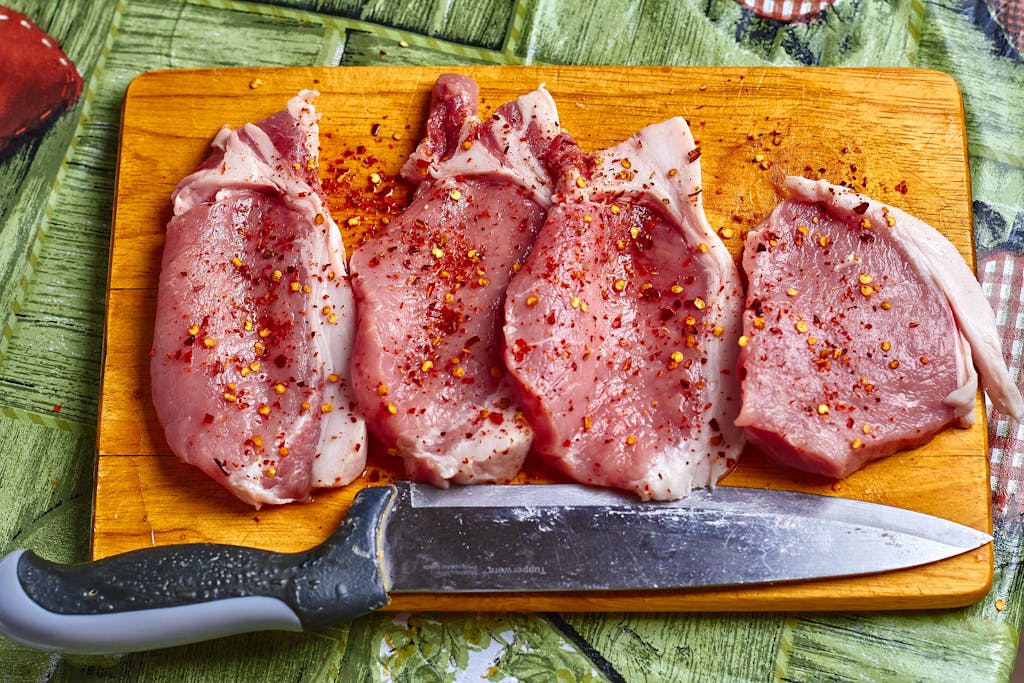
Marinated meats and pre-seasoned kits might seem like a convenience, but they often mask lower-quality protein with excessive salt, sugar, preservatives, and artificial flavors. What appears to be a bargain can compromise taste and nutritional value, making it a poor choice for anyone prioritizing healthy meals. Buying pre-seasoned options in bulk increases the risk of consuming more sodium and chemicals than intended, especially if you’re not eating them immediately.
Giant Bags of Frozen Fruit

Frozen fruit is convenient for smoothies and desserts, but the massive Costco bags are hard to use before freezer burn sets in. Ice crystals, clumping, and gradual flavor loss can render the fruit less appetizing. The larger the bag, the harder it is to separate usable portions, which often leads to waste. The sheer volume can overwhelm your freezer and reduce accessibility to other items.
Bulk Salad Greens
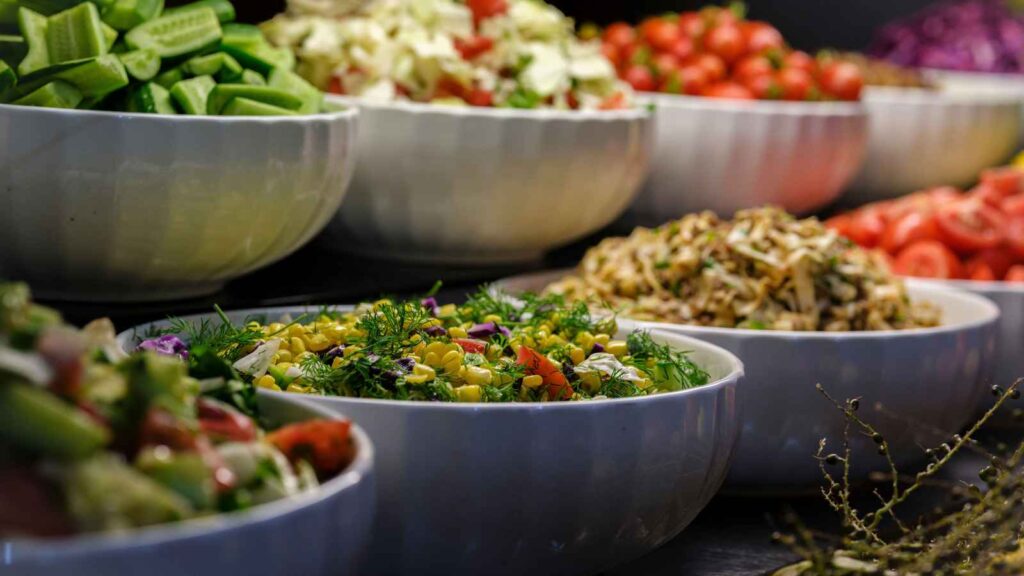
Greens like kale, spinach, and mixed lettuces are a health staple, but Costco’s enormous containers are too much for most households. Even with refrigeration, leafy greens wilt quickly, leading to spoilage and wasted food. The very size that makes the deal look tempting often ensures that a large portion will turn brown, soggy, or slimy before consumption.
Massive Snack Multipacks
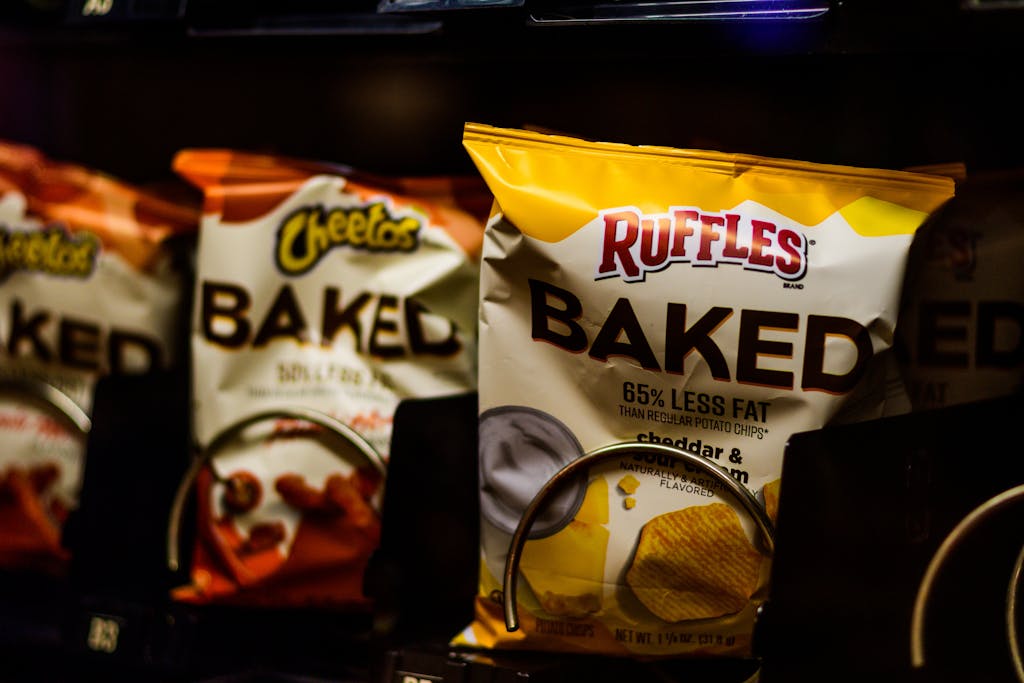
Cookies, chips, crackers, and candy bars in giant multi-pack boxes are appealing, but many shoppers never finish them before expiration. Large snack items also encourage overeating and mindless consumption, undermining dietary goals and increasing waste. The cost per unit may look low, but if the majority goes untouched, you aren’t saving money—you’re throwing it away.
Oversized Cereal Boxes
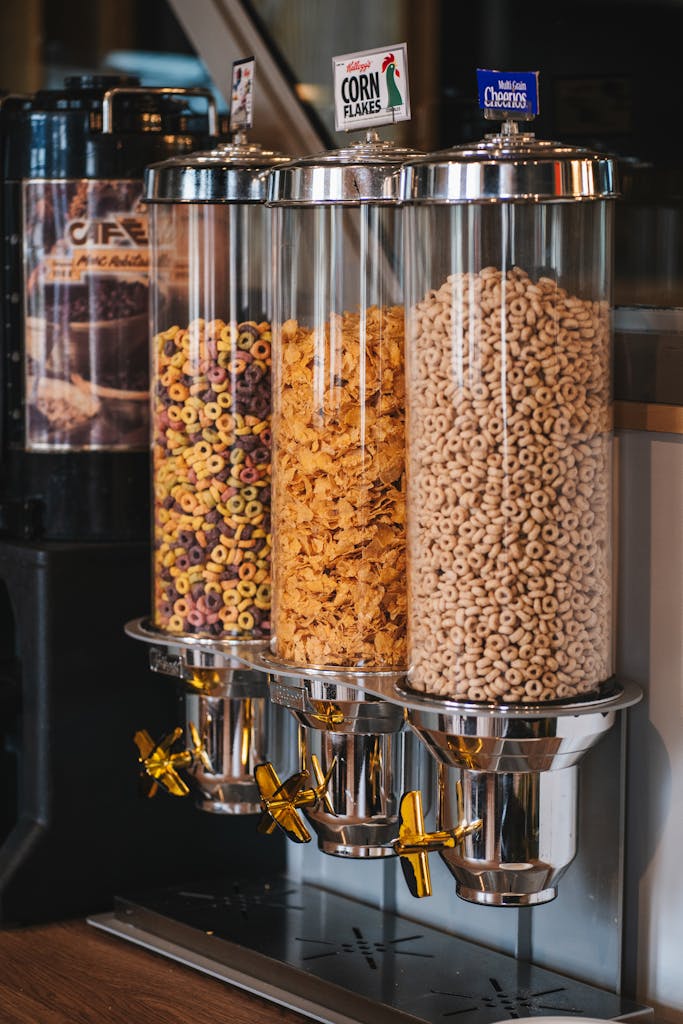
Cereal is another classic bulk trap. The enormous boxes at Costco may seem cost-effective, but once opened, cereal quickly loses its crunch and freshness. Moisture, air exposure, and prolonged storage all degrade taste and texture. Large boxes also tempt over-serving, which can lead to faster spoilage and unnecessary consumption.
Pre-Packaged, Overly Processed Lunch Meats
Deli trays of pre-packaged lunch meats contain preservatives, fillers, and nitrates to maintain shelf life in bulk packaging. While convenient, these meats are less fresh and flavorful than freshly sliced options and often come with excess sodium and additives. Costco’s giant trays are particularly problematic for small households or those who don’t eat deli meat daily they’re a waste waiting to happen.
Frozen Prepared Meals
Ready-to-eat frozen meals are highly processed, high in sodium, and often lack a balanced nutritional profile. The enormous packs sold at Costco can take up excessive freezer space and often sit untouched until expiration. Bulk prepared meals are appealing to busy shoppers, but their size and chemical content make them a low-value purchase for health-conscious individuals.
Oversized Frozen Pizza
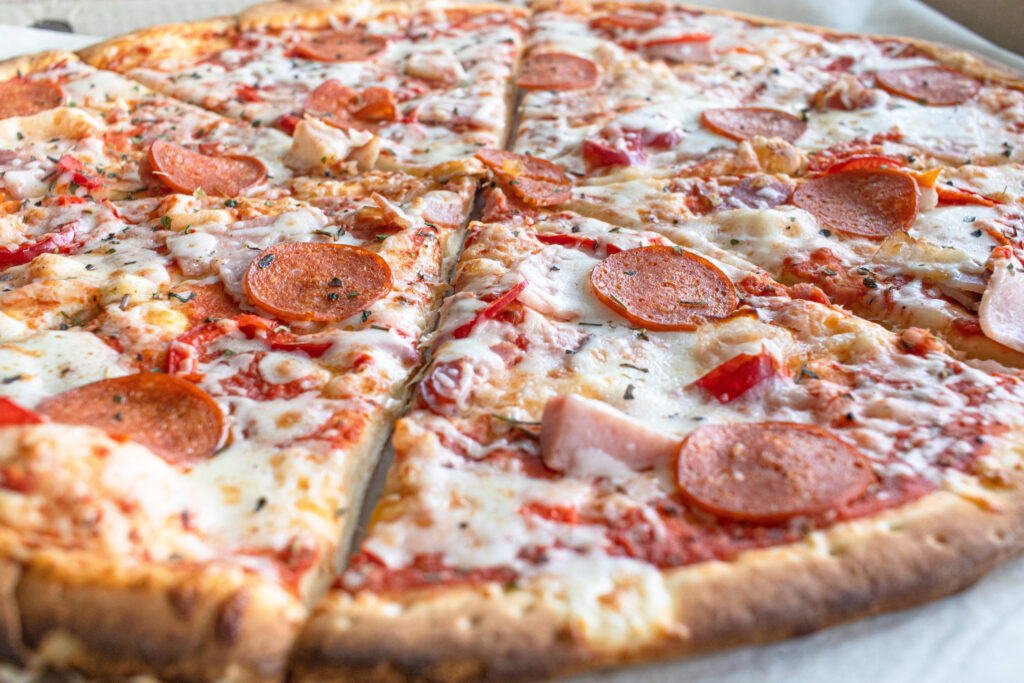
Frozen pizzas sold in Costco’s large sizes are loaded with preservatives, artificial flavorings, and sodium. The sheer size makes them impractical for small households, and freezing alters the texture of the crust and topping over time. These pizzas often require extended defrosting, increasing the risk of uneven cooking and texture degradation.
Large Bags of Chips
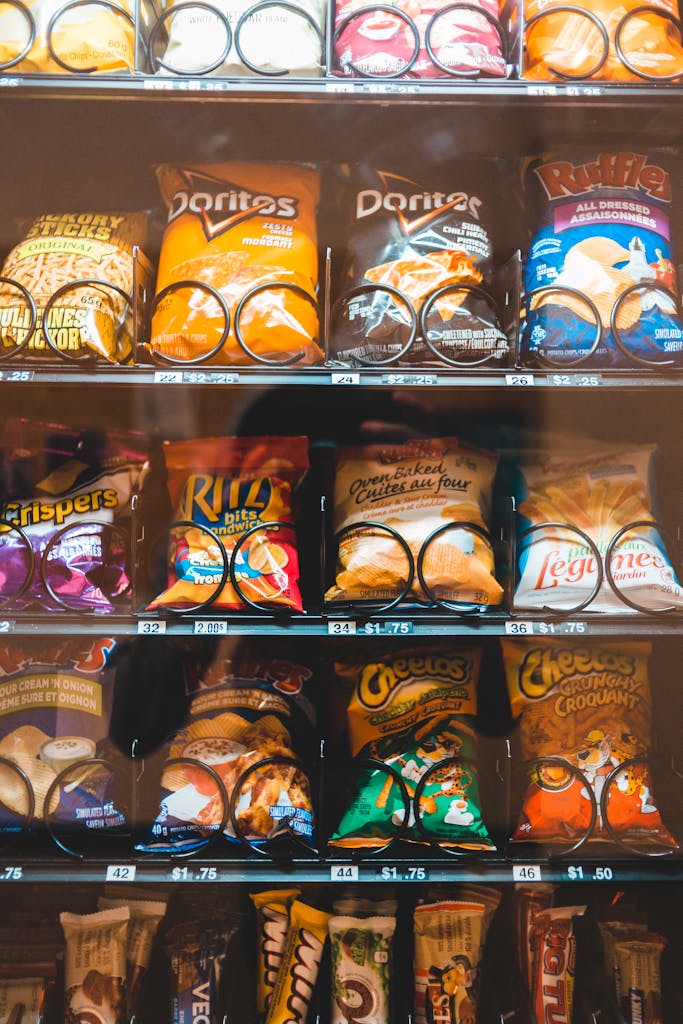
Huge chip bags are among Costco’s most tempting deals, but their large quantities encourage overconsumption and rapid spoilage once opened. Chips absorb moisture, go stale, and create waste when the bag is too large to finish in a timely manner. Even if the price per ounce seems unbeatable, it often leads to unnecessary snacking and wasted money on spoilage.
Bulk Spices and Herbs
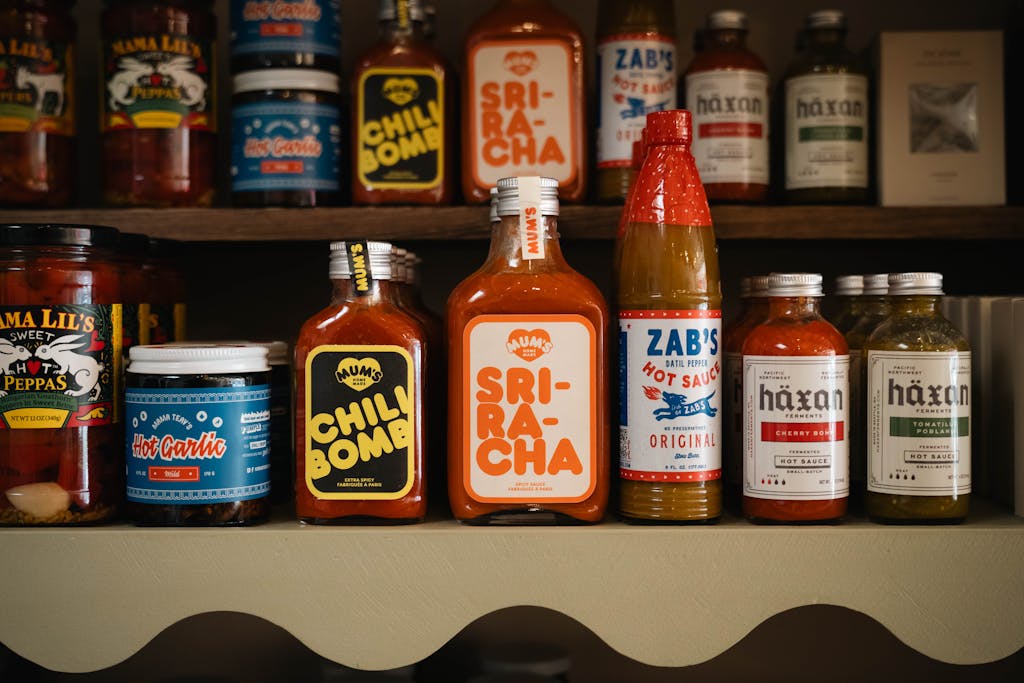
Spices lose potency quickly after grinding. Giant Costco containers may be cost-effective in theory, but the flavor often diminishes before the bag is finished. Purchasing large amounts of spices in bulk leads to stale flavors and reduces the overall impact of your cooking, making it a false bargain.
Oversized Condiments
Ketchup, mayonnaise, salad dressings, and sauces in giant containers may never be used quickly enough to maintain peak freshness. Exposure to air after opening accelerates deterioration, and the large volume encourages overuse. Even condiments that last months can lose quality in taste and texture, undermining their supposed value.
Bulk Baking Ingredients

Flour, sugar, and chocolate chips in giant Costco bags seem practical, but they take up significant storage space and can attract pests if improperly stored. Long-term exposure can also lead to clumping, staleness, and loss of freshness. Unless you bake regularly, these items often sit in the pantry far longer than intended.
Duplicate Pantry Staples
Buying additional rice, beans, pasta, or canned goods when you already have them at home is a waste of money and storage space. Costco encourages bulk purchases, but buying without checking your existing inventory leads to unnecessary duplication. Even staples have expiration dates, and duplicate items often get forgotten, wasted, or expired.
Specialty Foods You Rarely Use
Exotic oils, truffle products, gourmet sauces, and rare superfoods are enticing at Costco prices, but if you don’t use them regularly, they expire or sit untouched. Their allure as “high-end deals” often leads to clutter and wasted money. Purchasing specialty items in bulk rarely aligns with actual household use.
Conclusion
Not every deal at Costco is a win. Items that degrade quickly, overfill your storage, or are rarely consumed are best avoided. Bulk shopping works when you understand your household’s consumption patterns, but without discipline, even the “best bargains” turn into wasted food and lost money.
Costco is a potentially powerful tool, but only when used strategically. The smartest shoppers focus on what provides real, usable value, and avoid the categories that create waste, stress, and disappointment.