Water has a clean reputation. It sits on every wellness checklist, every fitness app, every glowing-skin routine, and every “get your life together” morning plan. But the same habit people praise as healthy can turn risky when drinking water becomes a nonstop mission instead of a response to real thirst.
The problem is not water itself. The problem is forcing more and more of it into your body until your natural balance gets thrown off. When that happens, the warning signs can look ordinary at first, which makes them easy to ignore.
Your urine is always completely clear
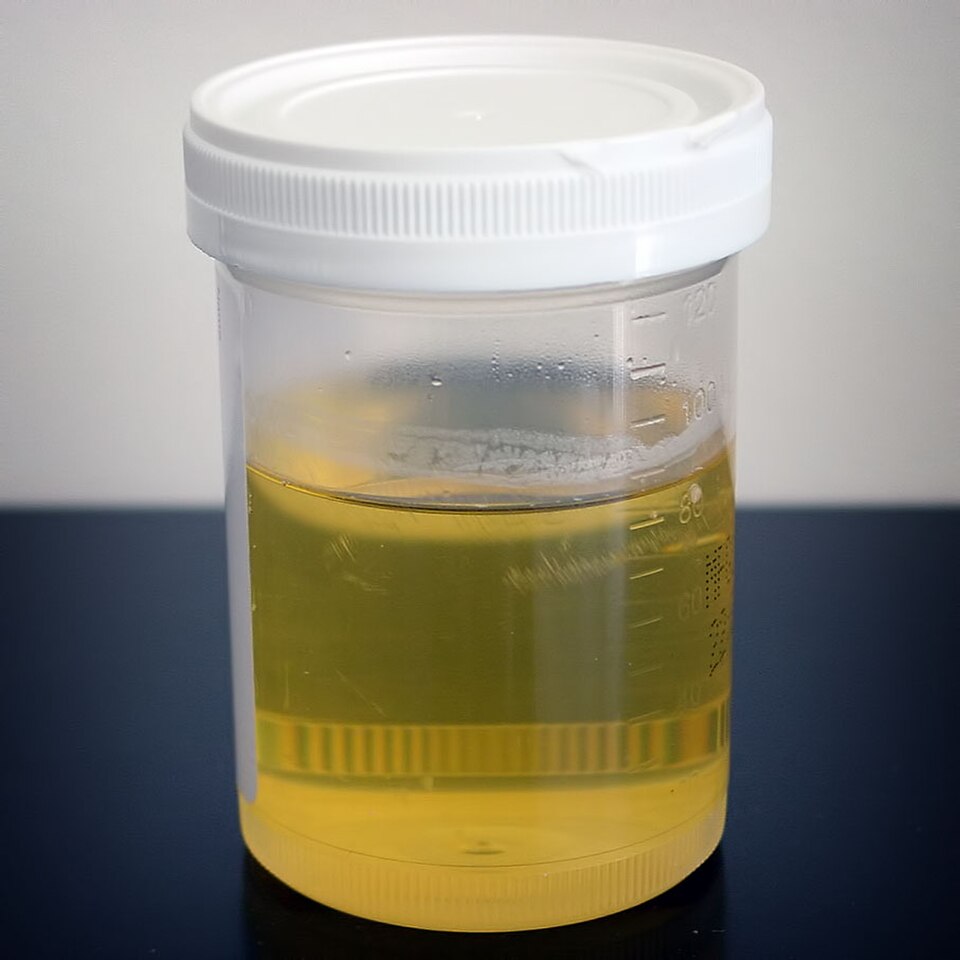
A pale yellow urine color usually suggests you are hydrated, but urine that stays crystal clear all day can be a clue that you are drinking more water than your body needs. Many people treat clear urine like a trophy, as though it proves they are winning at health. In reality, your body may simply be pushing out extra water because it has more than it can use.
This does not mean every clear bathroom trip is dangerous. A single clear stream after a large glass of water is normal. The concern starts when your urine is almost always clear, you are drinking far beyond thirst, and you feel pressure to keep sipping even when your body is not asking for more.
You keep running to the bathroom

Frequent urination is one of the most obvious signs that your body may be overloaded with fluid. If you are drinking water all day and constantly planning your next bathroom break, your body may be trying to get rid of the excess. That can become especially annoying at night when repeated bathroom trips start stealing your sleep.
Many people blame a small bladder, caffeine, or habit, and sometimes those are the real reasons. Still, if the bathroom trips increased after you started carrying a huge bottle everywhere or following a strict water challenge, it may be time to slow down. Hydration should help your day feel smoother, not turn your schedule into a restroom map.
You get headaches even after drinking more water
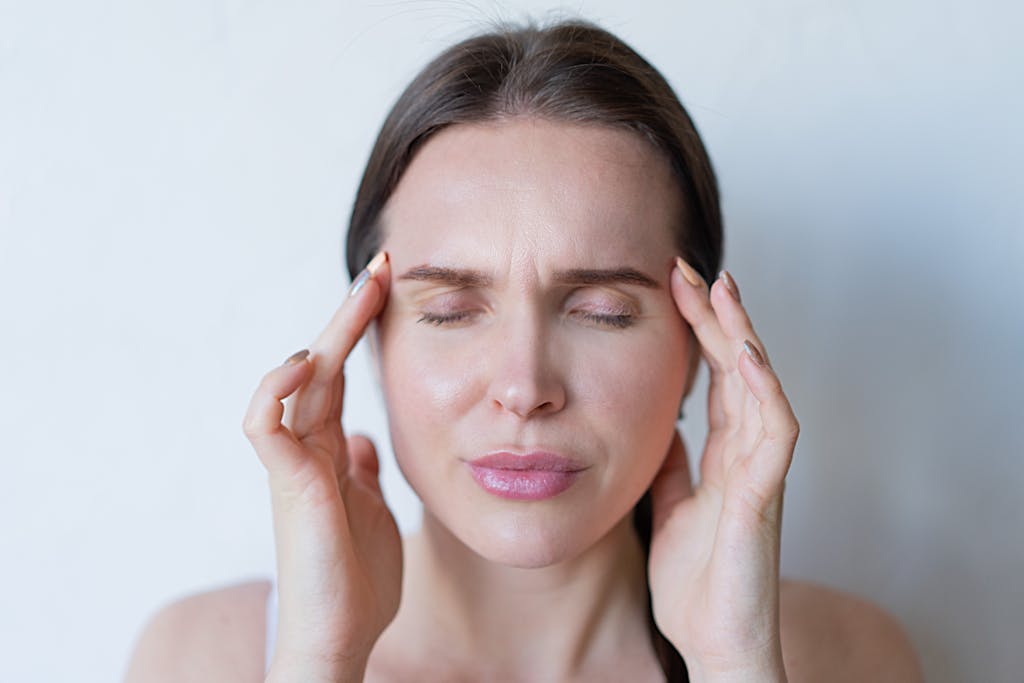
A headache often makes people reach for water, and that can be a smart move when dehydration is the issue. But if the headache shows up after you have already been drinking a lot, the story may be different. Too much water can dilute sodium levels, and low sodium can affect how fluid moves in and around the body’s cells.
That is why a “hydration headache” can feel confusing. You drank water, then drank more water, and somehow you still feel worse. If a headache comes with nausea, weakness, confusion, or unusual sleepiness, it deserves attention instead of another forced refill.
You feel nauseous, bloated, or oddly full
Too much water can leave your stomach feeling stretched, heavy, or unsettled. Some people describe it as feeling waterlogged, like their stomach is full, but their body still does not feel right. Nausea can also occur when water intake starts disrupting the body’s normal electrolyte balance.
This is one reason “just drink a gallon a day” advice can backfire for some people. Your body is not a storage tank with one perfect number for everyone. If drinking water makes you feel sick, swollen, or uncomfortable, your body may be telling you the habit has crossed from helpful into excessive.
Your hands, feet, or face look puffy

Swelling can happen for many reasons, and some of them need medical care. But in the context of heavy water drinking, puffiness can be a warning sign that fluid balance is off. Water intoxication can cause swelling in parts of the body, including the hands, feet, and belly.
This is where people need to be careful, because swelling should not be dismissed as a harmless hydration side effect. If puffiness appears with headache, weakness, confusion, vomiting, or dizziness, the situation becomes more serious. Your body may be struggling to manage the amount of fluid moving through it.
Your muscles feel weak or start cramping

Muscles depend on electrolytes to work properly, and sodium is part of that system. When too much water dilutes sodium, the result can show up as weakness, cramps, spasms, or a strange heavy feeling in the body. That can be especially risky for people who sweat heavily during long workouts and replace sweat losses with only plain water.
This is why endurance athletes are often warned against drinking beyond thirst. Sweat removes both water and sodium, so replacing everything with plain water alone can create a bad imbalance. If cramps or weakness appear after heavy drinking during exercise, the answer is not always “drink more.”
You feel confused, dizzy, unusually tired, or mentally off
This is the warning sign people should take most seriously. Mild overhydration may feel like bloating or nausea, but severe water intoxication can affect the brain. Confusion, dizziness, irritability, drowsiness, seizures, or loss of consciousness are emergency-level red flags.
Nobody should try to self-diagnose severe symptoms at home. If someone becomes confused, collapses, has a seizure, or cannot stay alert after drinking large amounts of water, they need urgent medical help. Water is healthy, but brain symptoms after excessive fluid intake are not something to “sleep off.”
Conclusion
Drinking water is still one of the simplest healthy habits, and most people do not need to fear it. The smarter message is balance. Your body usually gives useful signals through thirst, urine color, activity level, sweat, heat, illness, and how you feel after drinking.
The danger begins when hydration turns into a rigid rule that ignores those signals. You do not need to chase clear urine, drain giant bottles for social media, or force water when your body has had enough. Healthy hydration should make you feel steady, clear, and energized, not bloated, weak, nauseous, confused, or chained to the bathroom.