A discount can feel like a tiny victory. You spot the lower price, grab the deal, and walk away feeling clever. Then the hidden cost shows up later, dressed as a repair bill, a replacement purchase, a missed flight, a sore back, or a problem that could have been avoided with a smarter decision.
The truth is simple. Cheap is not always the same as affordable. Some bargains save money on the receipt and steal it back through stress, discomfort, poor quality, safety risks, or lost time.
If the item affects your health, home, family, future, or daily comfort, the lowest price can become the most expensive option in the room.
Cheap Housing Can Make Daily Life Feel Heavy

Choosing a cheaper place to live can be responsible, especially when budgets are tight. But picking a home solely because it costs less can lead to daily frustration.
A bad location can stretch your commute, limit your safety, isolate you from friends, or make simple errands feel like a punishment.
Your home affects your sleep, mood, routine, relationships, and peace of mind.
A lower rent or mortgage may look good in a spreadsheet, but the real cost appears every morning when traffic eats your time or every night when you do not feel comfortable in your own neighborhood. A home is not just a bill. It is the place where your life has to breathe.
Cheap Paint Can Make a Simple Project Drag On
Painting a room already takes work. You have to move furniture, tape the edges, cover the floors, prep the walls, paint carefully, clean up, and wait for everything to dry.
Cheap paint can make the entire process more annoying by providing poor coverage, uneven color, thin texture, and poor durability.
Bad paint may require extra coats, which means more time, more effort, and sometimes more paint than you expected. It may also scuff easily or fade faster, forcing you to repaint sooner.
If you are already doing the work, choose paint that helps the job look finished the first time. A few dollars saved at checkout can become hours lost on the wall.
Tight Layovers Can Turn Travel Into Panic

A cheap flight with a painfully short layover can seem like a smart move until the first flight leaves late. Suddenly, you are speed walking through a packed airport, dragging luggage, checking gate numbers, and praying the boarding door is still open.
That small discount starts to look ridiculous when a single delay threatens the whole trip.
Missing a connection can create a domino effect. You may lose hotel time, miss a wedding, arrive exhausted for a meeting, or spend hours at a customer service desk trying to fix a problem you could have avoided.
A longer layover may not sound glamorous, but it gives you breathing room. In travel, breathing room is not wasted time. It is insurance against airport chaos.
Red Eye Flights Can Steal the First Day of Your Trip
Red-eye flights and very early flights are tempting because they often cost less. On paper, it feels like a clean win. In real life, your body may strongly disagree.
You land tired, stiff, hungry, and cranky, then spend the first day of your trip trying to act excited while your brain begs for a nap.
Cheap flight times can also come with hidden costs. You may need an expensive ride because public transportation is not running.
You may have to check in early, store bags, or waste hours waiting around until your hotel room is ready. The ticket may be cheaper, but if exhaustion ruins the day you paid to enjoy, the savings aren’t as sweet as they seem.
Cheap Car Rentals Can Wreck the Mood Fast

A bargain rental car looks harmless when you are booking it online. The price is lower, the photo looks fine, and you tell yourself the vehicle only needs to get you from one place to another.
Then you arrive and discover the rental office is far from the airport, the line is long, the car is smaller than expected, and the extra fees start creeping up in the contract.
A bad rental can make a trip feel chaotic before it even begins. The seats may be uncomfortable, the trunk may not fit your luggage, and the car may struggle on highways or hills.
When you are traveling with family, kids, or a tight schedule, comfort and reliability matter. A slightly better rental can save you from turning a vacation into a rolling complaint session.
Cheap Housing Can Make Daily Life Feel Heavy
Choosing a cheaper place to live can be responsible, especially when budgets are tight. But picking a home solely because it costs less can lead to daily frustration.
A bad location can stretch your commute, limit your safety, isolate you from friends, or make simple errands feel like a punishment.
Your home affects your sleep, mood, routine, relationships, and peace of mind.
A lower rent or mortgage may look good in a spreadsheet, but the real cost appears every morning when traffic eats your time or every night when you do not feel comfortable in your own neighborhood. A home is not just a bill. It is the place where your life has to breathe.
Bargain Furniture Can Punish You Every Day
Cheap furniture has a talent for looking decent at first. The sofa looks modern. The dining chairs look cute. The bed frame seems sturdy enough.
Then a few months pass, and the truth starts making noise. Cushions sag, screws loosen, drawers jam, fabric pills, and the chair that looked stylish begins to feel like a wooden apology.
Furniture you use daily should not be treated like a disposable decoration. A bad mattress can affect sleep. A weak desk chair can hurt your back. A flimsy sofa can make your living room feel uncomfortable instead of relaxing.
You do not need to buy luxury pieces, but you should buy items that can survive real life. Cheap furniture often ends up costing more because you replace it sooner.
Cheap Kitchen Tools Can Make Cooking Miserable

A bargain pan, a dull knife, or a weak blender may seem harmless until you actually use them. The pan warps. The knife crushes instead of cutting. The blender smells like defeat after two smoothies.
Cheap kitchen tools can turn basic cooking into a daily battle.
Good kitchen items do not have to be fancy, but they should be reliable. A solid knife, durable pan, strong cutting board, and dependable blender can save time and frustration for years.
Buying fewer, better kitchen tools is often smarter than filling drawers with cheap gadgets that break, rust, or sit unused. The real deal is not the lowest price. It is the item that keeps working.
Cheap Baby Safety Gear Is Too Risky
There are plenty of baby items where saving money makes sense. Babies outgrow clothes quickly. Toys come and go. Fancy accessories often end up forgotten in a closet.
Safety gear is different. Car seats, cribs, helmets, strollers, and protective items need to be reliable because they are designed for moments when protection truly matters.
A cheap or poorly made safety product can create risks no parent wants to face. Used items can also be tricky if you do not know their history, expiration, recalls, or damage.
When a product is meant to protect a child, the goal should never be the cheapest option available. The goal should be safe, trusted, properly installed, and appropriate for the child’s age and size.
Cheap Home Repairs Can Become Expensive Disasters
Home repairs are one of the worst places to chase the lowest price without asking deeper questions. A cheap plumbing job can lead to water damage.
A cheap roof repair can leak during the next storm. A cheap electrical fix can create danger behind the walls, where you cannot see the problem until it becomes expensive.
A skilled contractor may cost more upfront, but good work can save money, stress, and damage later. The same goes for proper materials. Cutting corners on repairs can turn a small issue into a major renovation.
When your roof, foundation, wiring, heating, cooling, or plumbing is involved, cheap should never be the main goal. Safe and reliable should come first.
Skipping Retirement Savings Can Hurt Your Future
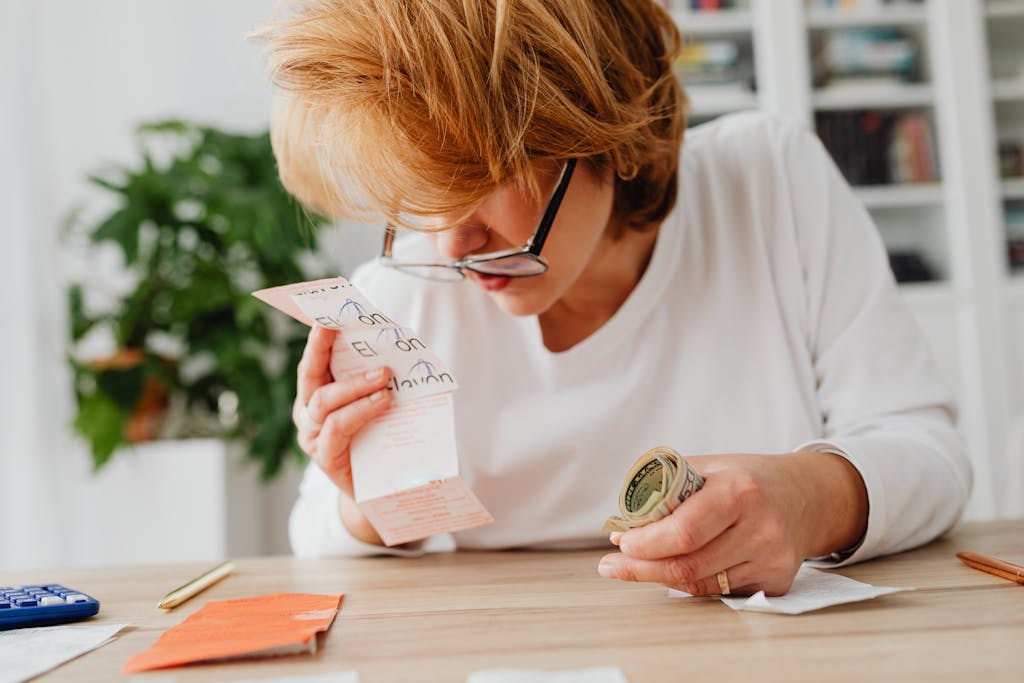
Skipping retirement contributions may not feel like buying cheap, but it is still a short-term money decision that can cost you later. It is easy to tell yourself you will catch up someday.
The problem is that someday has a habit of arriving late, tired, and expensive.
Even small, steady contributions can make a difference over time. If an employer match is available, ignoring it can mean walking away from extra money that could help your future.
Retirement savings may not feel urgent when groceries, rent, and bills are loud. Still, your future self will need options. Saving earlier gives the future version of you more room to breathe.
Cheap Health Insurance Can Leave You Exposed
A low monthly premium can look attractive until you need care. Then the hidden details matter. High deductibles, limited provider networks, weak coverage, and surprise costs can turn a cheap plan into a financial trap.
Health insurance should not be judged solely by its monthly cost. It should be judged by what it actually protects.
This matters even more if you have children, prescriptions, ongoing medical needs, or a job that increases your risk of injury.
A plan that looks cheap in a healthy month can prove painful in an emergency. The right coverage is not always the most expensive, but the cheapest plan can be risky when it leaves too many gaps.
Cheap Grass Seed Can Ruin Your Lawn Before It Starts
Grass seed seems like the kind of thing where any bag will do. That is how people end up with patchy lawns, weak growth, weeds, and wasted weekends.
Poor-quality seed may not match your climate, soil, sunlight, or yard conditions. It may also contain fillers or seeds you never wanted growing in the first place.
A better seed mix can save effort later. Lawn care already takes patience, watering, timing, and maintenance. Lawn care already takes patience, watering, timing, and maintenance.
Starting with the wrong seed makes the job harder from the beginning. The cheaper bag may feel like a smart buy at the store, but if it creates a thin, messy lawn, you will spend more trying to fix it.
Cheap Shoes Can Make Your Whole Body Complain

Shoes are easy to underestimate until your feet start hurting. A cheap pair can look perfectly fine, but poor support, thin soles, stiff materials, and weak cushioning can cause pain fast.
If you walk a lot, stand for work, run errands, or exercise regularly, bad shoes can make every step feel like a personal affront.
The damage is not always limited to your feet. Poor shoes can affect your knees, hips, posture, and back.
They may also wear out quickly, forcing you to buy another pair sooner than planned. A better shoe does not need to be flashy, but it should fit well, support your movement, and last long enough to justify the price.
Conclusion
A good discount should make life easier, not sneak back later with a bigger bill. The cheapest option can work for simple, low-risk purchases, but it becomes dangerous when the decision affects safety, comfort, health, home, travel, or long-term security.
That is where smart spending matters more than bargain hunting.
The best rule is simple. Save money where the stakes are low, and spend wisely where the consequences are high. A real deal does not just look good at the moment of purchase. It keeps proving itself long after the receipt is gone.