A bedroom can look clean and still feel wrong. The bed may be made, the curtains may be straight, and the floor may be clear, yet the room still carries the heavy feeling of a place that never fully lets the body rest.
That usually happens when the bedroom is doing too many jobs at once. It becomes an office, storage room, snack zone, gym corner, entertainment center, vanity station, pet lounge, and emotional dumping ground. Once that happens, sleep starts competing with clutter, light, noise, guilt, dust, and distraction.
The goal of bedroom decluttering is not to make the room look empty. It is to make the room feel calm, useful, and deeply restful. When we remove the wrong items, we are not just tidying up. We are protecting the one room that should help us reset before another demanding day begins.
Work Desks Turn the Bedroom Into a Stress Zone

A work desk in the bedroom can seem practical, especially when space is limited. The problem is that a desk carries mental noise even when the laptop is closed. Bills, notebooks, files, chargers, sticky notes, and unfinished tasks quietly remind the brain that work is still waiting. That makes it harder for the room to feel like a place of recovery.
When we place a desk beside the bed, we blur the line between rest and responsibility. The bedroom becomes a place where emails begin, deadlines follow us, and sleep has to fight for attention. Even a small desk can create pressure because the eye keeps landing on unfinished work before bedtime and again in the morning.
A better bedroom decluttering strategy is to move the desk into a living room corner, hallway nook, dining space, or another defined work area. If the desk must stay in the bedroom, we should close it down every evening. Put papers away, shut the laptop, hide cables, and use a screen or curtain to separate the work zone from the sleeping area.
Televisions Make the Bedroom Feel Less Restful

A television in the bedroom is one of the easiest ways to turn rest into entertainment. At first, it feels harmless. One episode becomes two, background noise becomes routine, and bedtime slowly shifts later than planned. The bedroom stops being a place where the body powers down and becomes a second living room.
The real issue is not just screen time. It is the way television keeps the brain engaged when it should be preparing for sleep. Dramatic shows, breaking news, sports, reality TV, and endless streaming choices can keep the mind alert long after the screen goes dark. Even low volume can train the body to expect stimulation instead of stillness.
Removing the television is one of the strongest bedroom decluttering moves we can make. It instantly reduces visual clutter, cable mess, late-night temptation, and mental noise. If we want a calming evening habit, a book, soft music, stretching, prayer, journaling, or a quiet conversation works better than another glowing screen.
Phones, Tablets, and Laptops Keep the Mind Switched On

Phones are often the last thing we touch at night and the first thing we reach for in the morning. That habit quietly turns the bedroom into a notification center. Messages, alerts, social media, work apps, banking reminders, and news updates all enter the room through one small device.
The problem with bedroom electronics is that they do not feel like clutter because they are useful. Yet they steal attention, delay sleep, and make the room feel mentally crowded. A phone on the nightstand can pull us into scrolling, comparing, shopping, replying, checking, and worrying when the body needs silence.
We can declutter the bedroom by creating a charging station outside the room or across the room. An old-fashioned alarm clock can replace the phone alarm. If the phone must stay nearby, we should use sleep mode, turn the screen away, silence notifications, and avoid using it in bed. The bed should not become a command center.
Strong-smelling plants can disturb the Bedroom Atmosphere.
Plants can make a bedroom feel fresh, soft, and alive. Some plants, however, bring too much fragrance into a space meant for sleep. Strong scents from flowers or citrus plants may feel pleasant during the day, but they can become overwhelming at night, especially in a small room with closed windows.
The bedroom should smell clean, light, and gentle. Heavy floral fragrances can irritate sensitive noses, trigger headaches, or make the air feel busy. Even natural scents can become too strong when they sit close to the bed for several hours.
We do not need to remove all greenery. We simply need to choose bedroom-friendly plants and avoid turning the room into a perfume garden. Low-scent plants, easy-care greenery, and one small plant on a dresser can add calm without taking over the room. Decluttering is partly about removing excess stimulation, and scent is part of that equation.
Valuables on Display Can Create Safety Risks
Jewelry, watches, cash, luxury bags, designer sunglasses, and important documents should not sit openly on bedroom dressers or nightstands. They may look convenient, but they also create visual clutter and security concerns. A window view into the room can expose valuable items to people outside.
A bedroom should feel safe. When expensive items are scattered across surfaces, the room can feel messy and vulnerable. We may also waste time searching for small valuables when they are mixed with lotion bottles, receipts, hair ties, makeup, chargers, and random coins.
The smarter solution is to give valuables a hidden, secure home. A small safe, a locked drawer, a jewelry organizer, or a concealed storage box keeps these items protected and easy to find. Decluttering does not mean getting rid of valuables. It means removing them from careless display and giving them proper order.
Exercise Equipment Adds Guilt and Visual Clutter

Equipment in the bedroom often begins with good intentions. A treadmill, a stationary bike, resistance bands, dumbbells, yoga blocks, or an ab roller may help you build a healthier routine. Then life gets busy, and the equipment becomes a clothing rack, dust collector, or silent reminder of workouts we keep postponing.
That kind of clutter carries emotional weight. It does not just take up floor space. It can create guilt every time we enter the room. Instead of feeling calm, the bedroom starts whispering about discipline, missed goals, and unfinished promises.
If the equipment is used often, it deserves an organized home. If it is ignored, it should leave the bedroom. A folded yoga mat, a small basket for light stretching tools, or under-bed storage for simple gear can work in a small space. The key is to keep only what supports rest or a realistic routine.
Books Piled Beside the Bed Create Dust and Disorder
Reading before bed can be a beautiful habit, but a mountain of books beside the bed can quickly turn peaceful into chaotic. A nightstand stacked with novels, self-help books, notebooks, magazines, devotionals, and old receipts creates visual pressure. It also makes cleaning harder and attracts dust.
Books are not bad bedroom items. The problem is quantity. When too many books gather around the bed, they become another unfinished list. Instead of one calming read, we see ten things we have not completed. That can make the bedroom feel mentally crowded.
A better system is to keep one or two current books near the bed and move the rest to a shelf, basket, or reading corner. We can rotate books weekly or monthly. This keeps the habit alive without letting the bedroom become a storage zone for every title we hope to finish someday.
Pets Can Interrupt Rest When Boundaries Are Missing
Pets bring comfort, warmth, and companionship, so this one depends on the household. Some people sleep better with a pet nearby. Others wake up repeatedly because a cat is active at dawn, a dog shifts through the night, or pet hair collects on pillows and sheets.
The question is not whether pets are good or bad in the bedroom. The question is whether they support sleep or disturb it. If we wake up tired from movement, noise, allergies, scratching, or early-morning demands, the bedroom may need a pet boundary.
A pet bed outside the room, a crate in another quiet area, or a specific sleeping spot away from the pillows can help. If pets stay in the bedroom, bedding should be washed often, floors should be cleaned regularly, and food bowls should be kept elsewhere. Peaceful bedrooms need loving limits.
Food, Cups, and Dishes Invite Odors and Pests
Food in the bedroom is one of the fastest ways to make the room feel stale. Crumbs fall into carpets, dishes pile up, mugs collect on nightstands, and wrappers hide under beds. Even a clean plate can leave behind smells that do not belong in a sleeping space.
The bedroom should not smell like yesterday’s coffee, late-night chips, sweet drinks, or takeout. Food clutter can attract insects, create stains, and make surfaces feel dirty. It also encourages a habit of eating in bed, which can make the bed feel less like a restful place and more like a casual lounge.
We should treat food preparation and dining as kitchen or dining area activities whenever possible. A glass of water by the bed is fine, but plates, bowls, mugs, and snack wrappers should be taken out of the room every morning. This one habit can make the bedroom feel cleaner almost instantly.
An Old Mattress Can Ruin the Whole Room
A bedroom can be beautifully decorated and still fail if the mattress is uncomfortable. An old mattress with sagging spots, lumps, weak edges, or poor support can make sleep restless. It can also make the bed look tired, no matter how nice the bedding is.
The mattress is the center of the bedroom. When it fails, everything else becomes secondary. We may wake up stiff, toss through the night, or avoid going to bed because the body does not feel supported. Decluttering the bedroom should include checking whether the biggest item in the room still deserves its place.
A mattress does not need to be replaced on a strict schedule for every person, but it should be evaluated honestly. If it no longer supports the body, smells musty, sags visibly, or causes discomfort, it is not serving the room. A restful bedroom begins with a bed that actually helps us rest.
Old Pillows Collect Dust, Sweat, and Lost Support
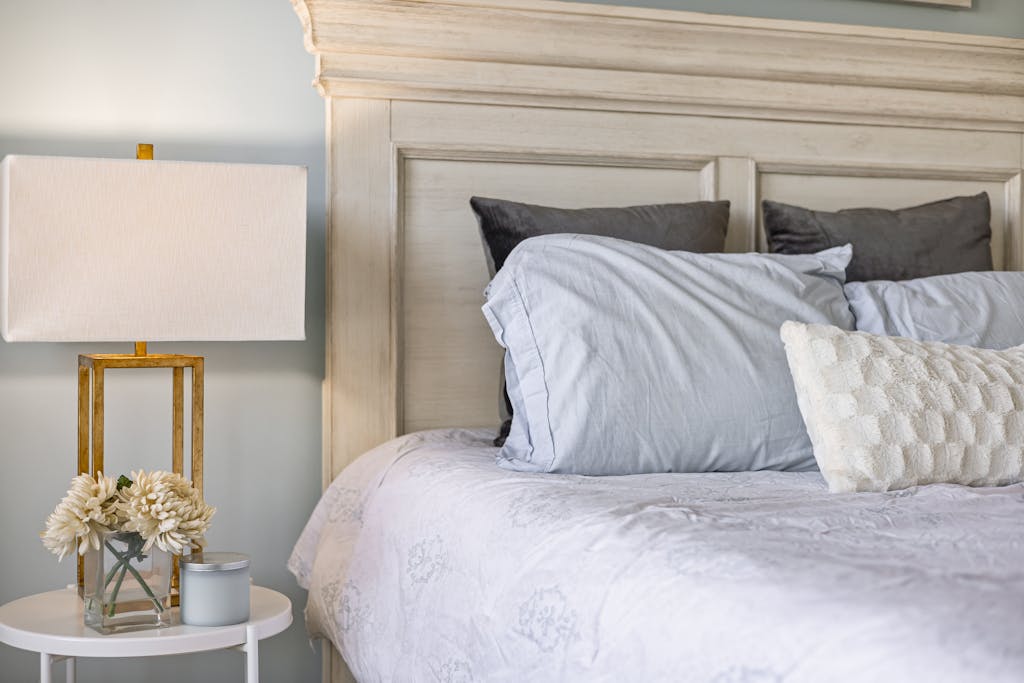
Pillows age quietly. They may still look usable, but inside, they can lose shape, flatten, collect sweat, trap oils, and hold dust. A pillow that no longer supports the neck can affect how we feel in the morning.
Old pillows also make the bed feel less clean. Even with pillowcases, they absorb moisture over time. If they smell stale, stay folded after pressing, or leave the neck sore, they should be replaced or thoroughly cleaned, depending on their material and condition.
A simple bedroom decluttering rule is to inspect pillows every few months. Keep the ones that support sleep and remove the ones that no longer do. Pillow protectors, regular washing, and proper drying can help extend their life, but no pillow should stay forever.
Expired Makeup Clutters Dressers and Risks Skin Problems

Makeup often gathers in bedroom drawers because it feels too small to matter. Old mascara, cracked powder, dried lipstick, half-used foundation, broken palettes, and free sample products can sit for months or years. The result is a crowded vanity that looks messy and becomes harder to use.
Expired makeup is not just clutter. It can change texture, smell strange, irritate skin, or become unsafe around the eyes. Products used near the eye area deserve special attention because old mascara, eyeliner, and shadow can carry bacteria more easily than many people realize.
We should declutter makeup by sorting it into daily-use, occasional-use, and expired or unwanted items. Anything that smells off, has separated, changed color, dried out, or has not been used in a long time should be left. The bedroom feels calmer when the vanity only holds products we trust and actually use.
Harsh Lighting Makes the Bedroom Feel Cold and Alert
Lighting controls the mood of a bedroom more than many people realize. Bright overhead lights, glowing alarm clocks, exposed bulbs, blinking electronics, and thin curtains can keep the room feeling active. Even small lights can become annoying in a dark room.
A restful bedroom needs layers of soft light. Bedside lamps, warm bulbs, dimmers, blackout curtains, and covered device lights can make a room feel more peaceful. Harsh lighting should be reserved for cleaning or dressing, not for winding down before sleep.
Decluttering light means removing visual noise. We can cover tiny device lights, move bright clocks away from eye level, replace cold bulbs, and use curtains that block streetlights. The room should gently signal that the day is ending.
Uncomfortable Sleepwear Adds Irritation to the Night
Sleepwear is easy to ignore because it is private and practical. Many people keep old T-shirts, tight shorts, scratchy pajamas, worn elastic, synthetic fabrics, or pieces they would never wear outside the bedroom. Yet sleepwear touches the body for hours every night.
Uncomfortable pajamas can make the body feel hot, itchy, restricted, or irritated. Thick seams, rough tags, stiff waistbands, and poor fabric can disturb sleep in small but constant ways. Bedroom decluttering should include the clothing we sleep in, not just the items on shelves and floors.
We should keep sleepwear that feels soft, breathable, clean, and comfortable. Anything stretched out, scratchy, too warm, too tight, or emotionally unpleasant can go. A calm bedroom is supported by what surrounds the body and what touches the skin.
A Simple Bedroom Decluttering System That Actually Works
The best way to declutter a bedroom is to move through the room by function, not by random piles. We should ask what each item is doing in the space. Does it support sleep, dressing, calm, intimacy, safety, or daily ease? If it does not, it needs a better home.
Start with visible surfaces. Clear the nightstand, dresser, floor, chair, and vanity. Then move to hidden areas like drawers, under bed storage, closets, baskets, and shelves. Hidden clutter still affects the room because it makes cleaning harder and creates a sense of unfinished business.
Use four simple categories. Keep items that belong in the bedroom. Relocate items that belong elsewhere. Donate or sell items that are useful but no longer needed. Throw away items that are expired, broken, dirty, or unsafe. The room becomes easier to manage when every decision has a clear path.
Bedroom Decluttered After the First Cleanout
Decluttering once is useful, but bedroom peace depends on maintenance. The easiest rule is to reset the room for five minutes every evening. Put dishes away, clear the bed, return clothes to their place, remove work items, and prepare the nightstand for sleep.
Another helpful habit is the one-in, one-out rule. If new sleepwear, pillows, books, beauty products, or decor enter the bedroom, something old should leave. This prevents slow buildup and keeps the room from returning to cluttered habits.
The bedroom should also have fewer storage shortcuts. A chair that catches clothes, a basket that hides random items, or a drawer full of mixed objects can become clutter magnets. Every zone should have a clear job. When a bedroom has fewer vague spaces, it stays calmer with less effort.
Final Thoughts
A peaceful bedroom is not created by expensive furniture or perfect decor. It is created by removing the things that compete with the rest. Work tools, screens, dishes, old pillows, harsh lights, unused equipment, expired makeup, and crowded surfaces all send the same message to the brain: there is still more to manage.
When we declutter the bedroom with intention, the room changes quickly. It feels quieter, cleaner, safer, and more welcoming. The bed becomes easier to approach, the nightstand becomes useful again, and the morning begins with less visual stress.
The best bedroom is not empty. It is edited. Everything in it should earn its place by helping us sleep better, dress easier, breathe cleaner, or feel more at ease. Once we remove the things that don’t belong, the bedroom can finally return to its most important job: helping us rest.