Milkshakes feel innocent. They come with a straw, whipped cream, and a cherry on top, evoking childhood memories and drive-thru nostalgia. Yet the nutrition facts often tell a different story: dozens of grams of sugar, saturated fat, and calories can turn what looks like a small treat into a full dessert course.
Many Americans underestimate how much impact a single shake can have on their daily diet, especially when it is added to a meal with fries, burgers, or nuggets. Not every shake is disastrous, but even “smaller” sizes carry enough sugar and fat to quietly sabotage healthy intentions.
A drive-thru indulgence can quickly become the largest single source of calories in a day. Understanding which shakes are the heaviest and why can help consumers make smarter choices without giving up indulgence entirely.
McDonald’s Vanilla Shake
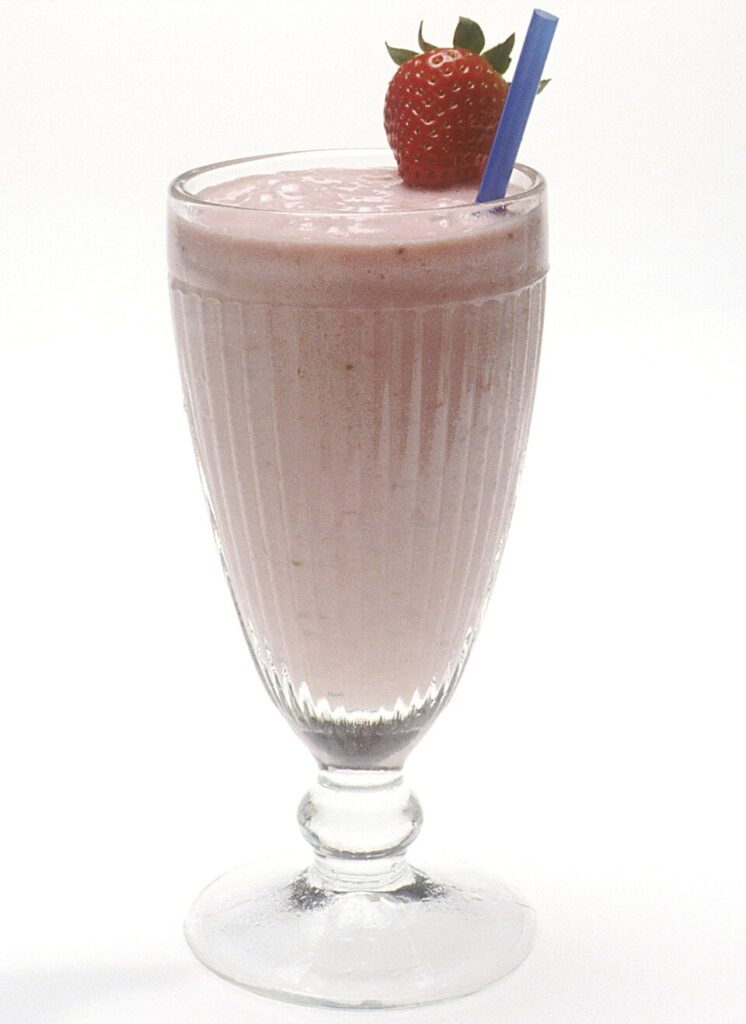
McDonald’s vanilla shake lands on the lighter end of the fast-food milkshake spectrum. A regular serving still packs a serious amount of sugar, approximately 55 grams,
which is more than the FDA’s recommended daily limit for added sugars. When paired with a Big Mac and fries, that shake can almost double the sugar content of a single meal, making it far more impactful than its familiar golden arches might suggest. The familiarity of McDonald’s also makes it dangerous.
Many customers order it as a routine side without realizing how quickly calories and sugar add up. Its mild flavor masks the sugar load, and drinking it fast can prevent the brain from registering fullness, leading to overconsumption throughout the day.
Smashburger Vanilla Shake
Smashburger keeps things simple with a classic vanilla option, but the shake is deceptively rich. A cup can contain over 600 calories and 50 grams of sugar, rivaling the dessert menu at some sit-down restaurants.
Its thick, hand-scooped texture makes it feel indulgent yet approachable, making it easy to down quickly without noticing how much nutrition is going in. Plain vanilla doesn’t automatically make it healthier.
The milkshake’s sweetness, fat, and large portion size mean it should be treated as a dessert rather than a casual drink. For people trying to control sugar intake or limit processed ingredients, it can be a hidden hazard hiding behind a simple label.
Arby’s Vanilla Shake

Arby’s shake seems like a side addition, but the sugar and fat content tell a different story. One serving often contains 55–60 grams of sugar and 16 grams of fat, which can easily exceed the daily recommended limit for sugar when combined with a sandwich and fries.
The problem is that people rarely stop to consider a drink as a major contributor to calories. The convenience factor makes it particularly risky.
Shoppers may order it on a whim, seeing it as an innocent bonus to a meal, yet it quietly stacks calories in a way that is easy to overlook. Over time, repeated indulgence can add up, making a simple shake a hidden threat to health.
Burger King Vanilla Shake

Burger King’s vanilla shake is deceptively simple. Even though it is labeled “vanilla,” it behaves like a full dessert, containing more sugar than many people think.
Paired with a Whopper or fries, it can turn an already calorie-dense lunch into an extreme indulgence, far beyond what most expect when ordering a side treat. The danger lies in perception.
Drinking a shake in minutes masks its nutritional weight. The brain registers sweetness and satisfaction before it notices how much sugar, fat, and calories have been consumed, creating a mismatch between perception and actual intake.
Whataburger Medium Vanilla Shake
Whataburger’s medium shake demonstrates how portion size can mislead customers. While medium sounds reasonable, it can carry nearly 700 calories and over 55 grams of sugar, putting it in dessert territory.
When paired with a burger or fries, it becomes an oversized indulgence hidden in a friendly-sized cup. Many people assume that skipping soda or sides makes a milkshake harmless.
In reality, the sugar, fat, and sodium in this “medium” size can significantly contribute to daily limits. Portion control is crucial when indulging in shakes at fast-food restaurants.
Steak ‘n Shake Regular Vanilla Shake

Steak ‘n Shake is known for thick, hand-dipped shakes, and the regular vanilla option is no exception. It delivers creamy, nostalgic sweetness with over 600 calories and nearly 50 grams of sugar.
Its thick texture makes it feel premium, leading customers to underestimate its weight compared to the rest of their meal. Nostalgia can be misleading.
Even though the shake evokes childhood memories and feels simple, it contains enough sugar and fat to be classified as a major dessert. Drinking it as a casual side is a nutritional miscalculation many people make without realizing it.
Jack in the Box Vanilla Shake

Jack in the Box adds a whipped topping and cherry, giving the shake a playful appearance. That fun presentation hides the nutritional truth: a single cup can contain 650+ calories, high sugar, and fat. The extras push it into dessert-level indulgence that rivals more elaborate sweets. Fun packaging makes people underestimate it. A shake with toppings may feel lighter than it actually is, which can encourage overconsumption. Treating it as a casual add-on rather than a full dessert is a mistake many fast-food customers make.
In-N-Out Vanilla Shake
In-N-Out prides itself on simplicity, which gives its vanilla shake an honest, clean feel. Yet a single shake can deliver nearly 600 calories and over 50 grams of sugar, which is significant for a single drink.
Its simplicity masks the impact on daily limits for sugar and calories. Even high-quality ingredients don’t reduce the nutritional load. A vanilla shake from In-N-Out may taste less processed, but it is still a heavy dessert that should be consumed mindfully, not as a routine beverage.
Dairy Queen Vanilla Shake
Dairy Queen’s creamy vanilla shake is easy to drink and hard to resist. One serving contains over 600 calories and a high sugar load, often more than a typical dessert.
Its smooth, soft-serve base makes it easy to underestimate its calorie content. Brand trust amplifies the problem. Customers assume a “classic” shake is lighter, yet its sugar and calorie content rival those of more indulgent menu items.
Even without mix-ins, it can be a major contributor to daily sugar consumption.
A&W Regular Vanilla Shake
A&W evokes nostalgia and summer fun, but its regular vanilla shake is deceptively heavy. A single cup contains hundreds of calories and sugar grams, far more than most people expect from a “regular” shake.
The childhood appeal can make it feel harmless, yet the nutritional reality is serious. Memories can mislead. Old-fashioned presentation does not reduce sugar, fat, or calories. A&W shakes are best treated as occasional indulgences, not routine sides.
Carl’s Jr. Vanilla Shake
Carl’s Jr. offers a hand-scooped shake with thick, creamy richness. Its calories, sugar, and fat put it squarely in dessert territory, and pairing it with a burger or fries compounds the impact. The indulgence is delicious but heavy.
Enjoyment can mask the harm. Shoppers may perceive it as part of a meal rather than a dessert, but nutrition labels show it should be a deliberate treat rather than a casual side.
Five Guys Vanilla Shake
Five Guys encourages customization, allowing customers to add peanut butter, cookies, chocolate, or bacon. The base shake is already high in sugar and calories, and add-ins can turn a single cup into one of the heaviest items in fast food.
Customization fuels overindulgence. Each mix-in seems small, but together they create a calorie- and sugar-bomb. Awareness is essential for anyone ordering a Five Guys shake.
Sonic Medium Vanilla Shake
Sonic’s medium shake is retro and nostalgic but still delivers serious sugar, calories, and sodium. A medium alone can rival dessert courses, especially when paired with fries or hot dogs.
The sweetness is fast, the calories hidden. Even soda-free, it is heavy. Drive-in nostalgia can make the shake seem lighter than it is, but the nutrition facts tell the truth: it is a dessert disguised as a drink.
Fatburger Vanilla Shake
Fatburger takes the crown. The vanilla shake is huge, rich, and loaded with sugar and fat, easily topping 700 calories. Even without mix-ins, it acts more like a full dessert than a beverage.
It is a reminder that fast-food shakes can be deceptively indulgent. Consumers should treat them as intentional treats, not casual add-ons, or risk quickly exceeding daily sugar and calorie limits.
Conclusion
Fast-food milkshakes are fun, nostalgic, and comforting, but they are often heavier than they appear. One cup can contain as much sugar and fat as a full dessert meal, and adding it to fries or a burger only compounds the problem.
The best strategy is awareness. Order smaller sizes, share a shake, or treat it as the main dessert rather than a casual side.
Indulgence is fine, but milkshakes should never be mistaken for harmless drinks; they are sugar, fat, and calorie bombs in disguise.