Explore the smelliest creatures on Earth, from skunks and stink bugs to hoatzins, musk oxen, tamanduas, and beetles that use odor as a weapon.
Some animals run. Some animals bite. Others turn their own bodies into living stink bombs and let chemistry do the fighting. The smelliest creatures on Earth are not just gross curiosities; they are proof that odor can be armor, a warning sign, a mating signal, a territorial marker, and a last-chance escape plan.
In the wild, smell often works faster than claws. A predator that gets sprayed in the face, hit with rancid vomit, or blasted with bitter chemicals may remember that mistake for life. That is why we find so many foul-smelling animals across forests, deserts, wetlands, oceans, farms, and even city neighborhoods. Their stench may offend us, but for them, it can mean survival.
Striped Skunk
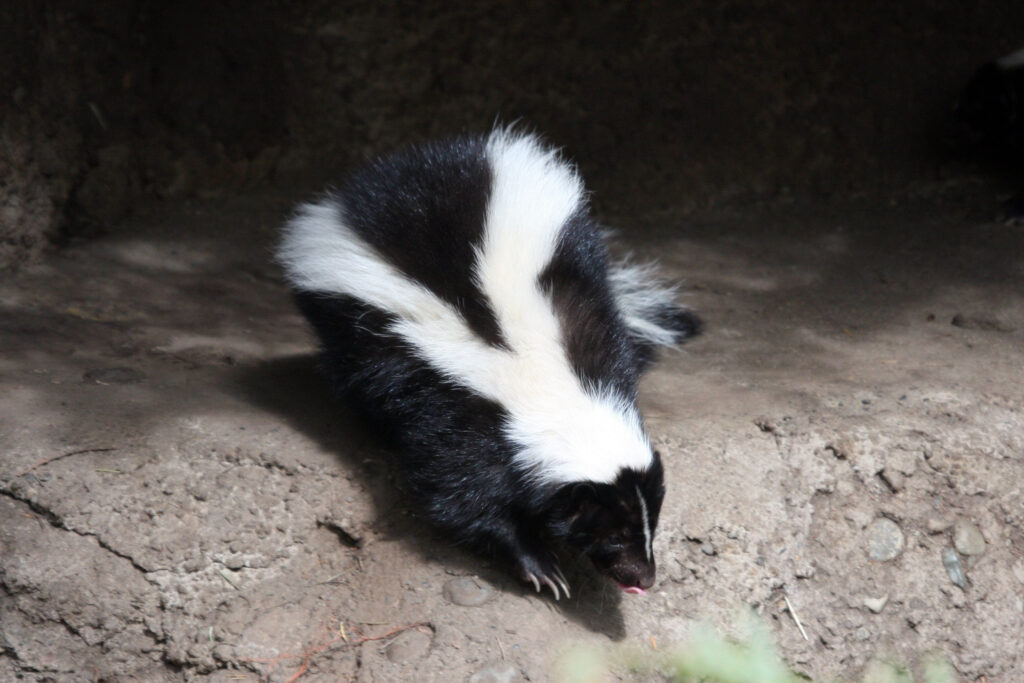
The striped skunk remains the animal most people imagine when they hear the phrase “smelliest creatures on Earth.” Its spray comes from glands near the base of the tail, and the animal can aim it with startling accuracy. National Geographic notes that skunk spray can reach up to 12 feet and remain on a target for days, which explains why one encounter can turn into a whole neighborhood event.
What makes the skunk so effective is restraint. It usually warns first by stamping, lifting its tail, growling, or showing off its bold black-and-white markings. That warning matters because spray is not unlimited, and a skunk does not waste it unless the threat refuses to back off. Once released, the oily musk clings to fur, skin, clothes, and memory.
Striped Polecat
The striped polecat, also called the zorilla, looks like a skunk at first glance, but it belongs to the weasel family. That resemblance is not accidental; its black-and-white pattern warns predators that this small carnivore is not worth bothering. When threatened, it may fluff up, growl, scream, spray, and even play dead if the odor does not solve the problem.
Its anal gland secretion is often described as more intense than skunk spray. Reports describe the smell as sulfurous, eye-watering, and strong enough to temporarily blind predators. That gives the striped polecat a serious place among the smelliest creatures on Earth, especially because the spray is not just unpleasant. It is a direct defensive weapon.
Hoatzin
The hoatzin is one of the strangest birds alive, and its smell has earned it the nickname “stink bird.” This Amazon Basin leaf eater smells like manure or sweet hay because its digestive system ferments plant matter in a way that is unusually similar to what happens in a cow. The bird’s crop and gullet act as fermentation chambers, where bacteria help break down leaves.
That slow digestive process shapes the hoatzin’s whole lifestyle. A meal can take up to 45 hours to pass through its body, and the bird spends much of its time loafing around because digestion takes so much energy. The result is a bird that looks prehistoric, sounds unusual, and smells like a barnyard hidden in the rainforest.
Southern Tamandua
The southern tamandua, a tree-climbing anteater from Central and South America, has one of the most underrated stink defenses in the animal kingdom. When threatened, it can hiss and release a sharp odor from a gland near the base of its tail. San Diego Zoo describes the odor as similar to a skunk’s, and the Smithsonian notes that tamanduas emit an unpleasant smell from their anal glands when disturbed.
The smell supports a larger defense system. The tamandua also has strong forelimbs and long claws, so a predator approaching one in a tree or on the ground faces both stink and physical danger. That combination makes the tamandua more than a cute forest animal with a long snout. It is a slow-moving creature with a surprisingly serious personal security plan.
Bombardier Beetle
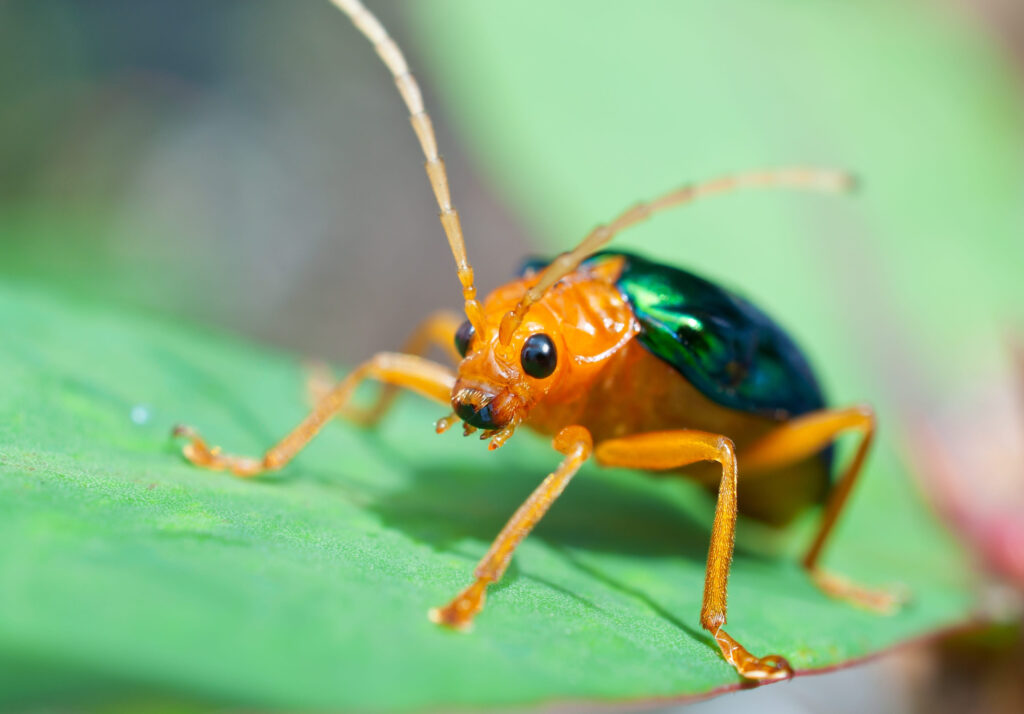
The bombardier beetle earns its place among the smelliest creatures on Earth by emitting a foul-smelling chemical. It fires a heated chemical jet. MIT News reports that bombardier beetles eject benzoquinone in an intense, pulsating spray, and the internal reaction brings the liquid close to the boiling point before it is expelled.
The beetle’s defense works like tiny biological engineering. It stores chemical precursors separately, mixes them inside a protective chamber, generates heat and pressure, then shoots the irritating spray at an attacker. For a predator expecting an easy insect meal, the result is a nasty chemical surprise. Small size does not mean small impact.
Brown Marmorated Stink Bug
The brown marmorated stink bug has become familiar to many households, especially in parts of the United States where it gathers indoors during cooler months. Its name is painfully honest. Stink bugs release foul-smelling chemicals to avoid predators, and they can also use chemical odors to attract other stink bugs to winter shelters.
The smell is not just a household nuisance. It is part of the insect’s survival system. When crushed or disturbed, stink bugs can release a sharp odor that many people describe as herbal, bitter, rancid, or chemical. That scent warns predators that this shield-shaped insect will not be a pleasant snack.
Musk Ox
The musk ox carries smell in its name for a reason. During the rut, dominant males produce a strong odor connected to mating and status. Research on musk ox odor found that dominant males spread urine and secretions onto the long guard hairs of the belly during display behavior, and chemical analysis identified compounds such as benzoic acid and p-cresol in preputial washings.
Unlike a skunk, the musk ox does not use smell mainly as a sudden attack. Its odor is communication. It signals strength, reproductive readiness, and rank in a harsh Arctic environment where every advantage matters. To human noses, that musky scent may seem overpowering, but to other musk oxen, it carries information.
Tasmanian Devil
The Tasmanian devil already has a reputation for noise, aggression, and intense feeding behavior. Its smell adds another layer. When threatened or stressed, Tasmanian devils can emit a foul musky odor from scent glands, and their diet of carrion can make the overall smell worse.
This is not the neat, targeted spray of a skunk. It is more of a whole-animal atmosphere, shaped by stress, glands, and scavenging. The smell fits the devil’s ecological role as a carnivorous marsupial that consumes dead animals and competes fiercely for food. In a world where scent tells stories, the Tasmanian devil smells like warning, meat, and trouble.
Wolverine
The wolverine is already famous for toughness, but its odor gives it another nickname: skunk bear. This large mustelid uses powerful anal scent glands to mark territory and communicate. Wildlife sources describe the musk as strong enough to support the animal’s reputation as one of the more unpleasant-smelling mammals.
For wolverines, smell helps manage space. These animals roam large areas and rely on scent to advertise presence, reduce direct conflict, and communicate with rivals or potential mates. That musky odor may be foul to us, but in the snowy landscapes wolverines inhabit, it works like a territorial signature written in scent.
Common Musk Turtle
The common musk turtle, also called the stinkpot, proves that even a small turtle can have a strong chemical defense. The U.S. Fish and Wildlife Service describes the musk turtle as a 3 to 5-inch freshwater turtle known for releasing a foul musky odor from scent glands on the edge of its shell.
This turtle usually lives in slow-moving or still waters, including ponds, wetlands, and streams. When threatened, the smell can discourage handling or predation. Its nickname may sound funny, but the defense is practical. A small turtle with limited speed needs every tool it can get.
Turkey Vulture
The turkey vulture belongs on this list for a different reason. It does not rely on perfume like musk or a stored glandular spray like a skunk. Instead, it can vomit on a bird, animal, or human that gets too close. Cornell Lab notes that this defensive vomiting can be a powerful weapon, especially considering the vulture’s carrion-based diet.
The smell is exactly as unpleasant as the strategy sounds. A predator expecting a bird may get hit with partially digested carrion instead. That can distract, repel, and create a chance to escape. It also fits the turkey vulture’s larger role as a cleanup specialist, feeding on dead animals and using its keen sense of smell to locate food.
Millipedes
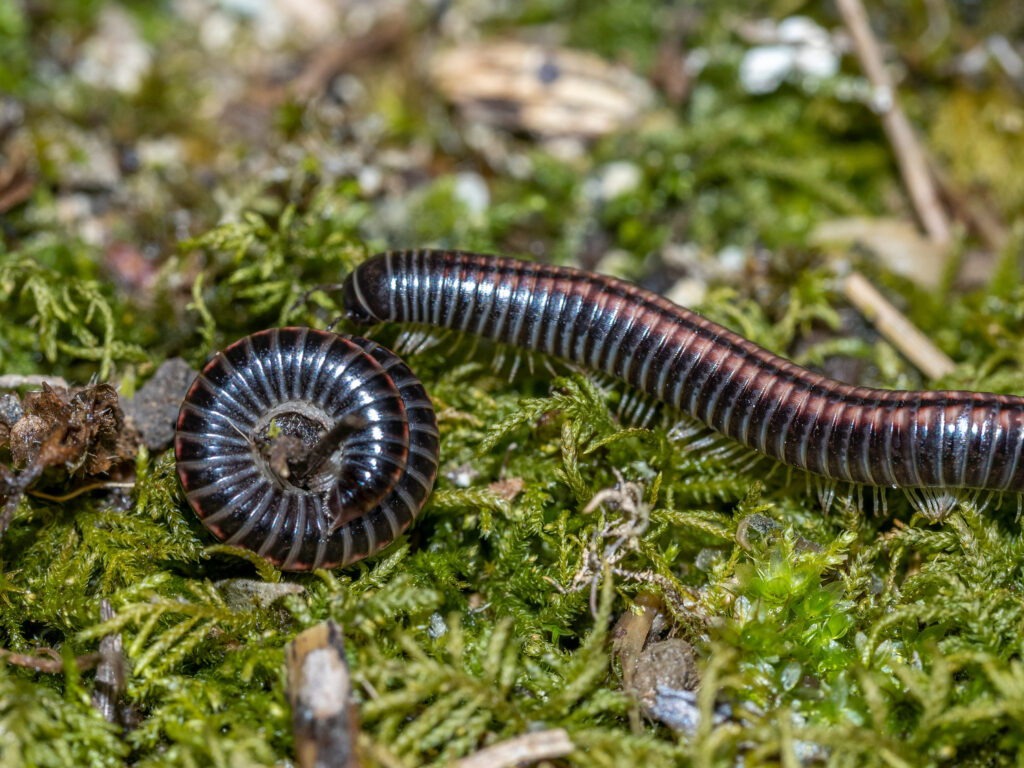
Many millipedes are slow, soft-bodied, and not built for a fast getaway. Their answer is chemistry. Research in Scientific Reports notes that most millipede orders possess repugnatorial glands that secrete defensive chemicals when disturbed, including benzoquinones, phenols, hydrogen cyanide, quinazolinones, and alkaloids.
The odor varies by species, but the purpose stays the same. These chemicals can taste terrible, smell harsh, irritate predators, or make an attacker drop the millipede before real damage is done. For an animal that moves like a slow zipper across the forest floor, chemical defense can be the difference between survival and becoming lunch.
Sea Hare
The sea hare brings stink and chemical confusion into the ocean. When attacked, some sea hares release purple ink and a white substance called opaline. Laboratory research shows that sea hare ink can function as a chemical defense through multiple mechanisms, including chemical deterrence and sensory disruption of predators such as spiny lobsters.
This is not the same as a land animal spraying a mammal in the face, but the logic is similar. The sea hare turns chemistry into escape time. Its secretion can confuse a predator’s senses, distract it, and force the attacker to deal with the chemical mess rather than finishing the meal. Underwater, stink becomes a cloud of survival.
Palawan Stink Badger
The Palawan stink badger is a skunk relative from the Philippines, and its common name does not hide the truth. Animal Diversity Web describes it as capable of secreting a pungent-smelling oily fluid from anal glands, much like skunks. Britannica also notes that stink badgers have anal glands that produce a strong-smelling spray.
This animal’s defense shows how useful odor can be across related species. Like skunks, stink badgers use scent to make predators hesitate. In a forest or grassland setting, that hesitation can decide the encounter. The message is blunt and effective: come closer and regret it.
Stink Badger Relatives
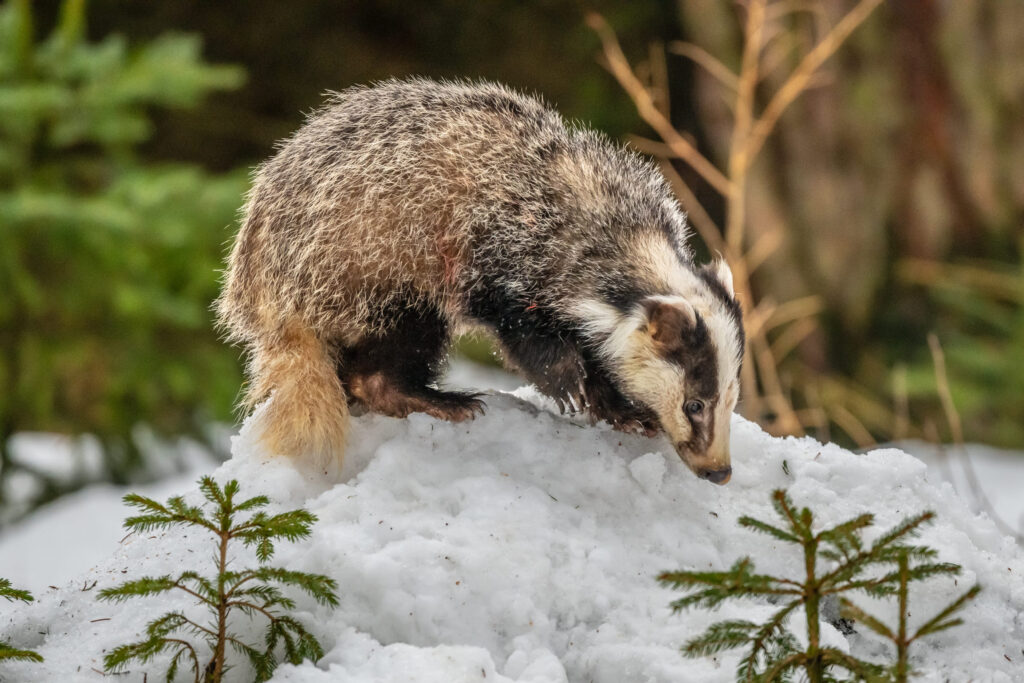
Sunda stink badgers and related species add more proof that the skunk family has mastered chemical intimidation. Reports describe stink badgers as animals with under-tail scent glands that produce foul-smelling substances, and the Sunda stink badger can spray a short distance when threatened.
Their smell may not travel as far as skunk spray, but the defense works because most predators do not want a faceful of noxious fluid. The stink badger’s body plan is simple, low to the ground, strong for digging, and backed by odor. It does not need to be fast when it can make attackers rethink the whole idea.