A climbing plant can make a plain trellis look like a garden dream, but the wrong choice can turn that dream into a weekly chore. Some vines grow too fast, some need constant training, and others drop leaves, cling too tightly, or attract more garden traffic than expected. A pergola should add charm and shade to your yard, not leave you battling tangled stems every weekend.
The smartest climbing plants are not always the flashiest ones at the garden center. They need to match your space, climate, support structure, and maintenance style. Before planting anything near a fence, wall, archway, or pergola, these six climbing plants deserve a closer look.
Virginia Creeper
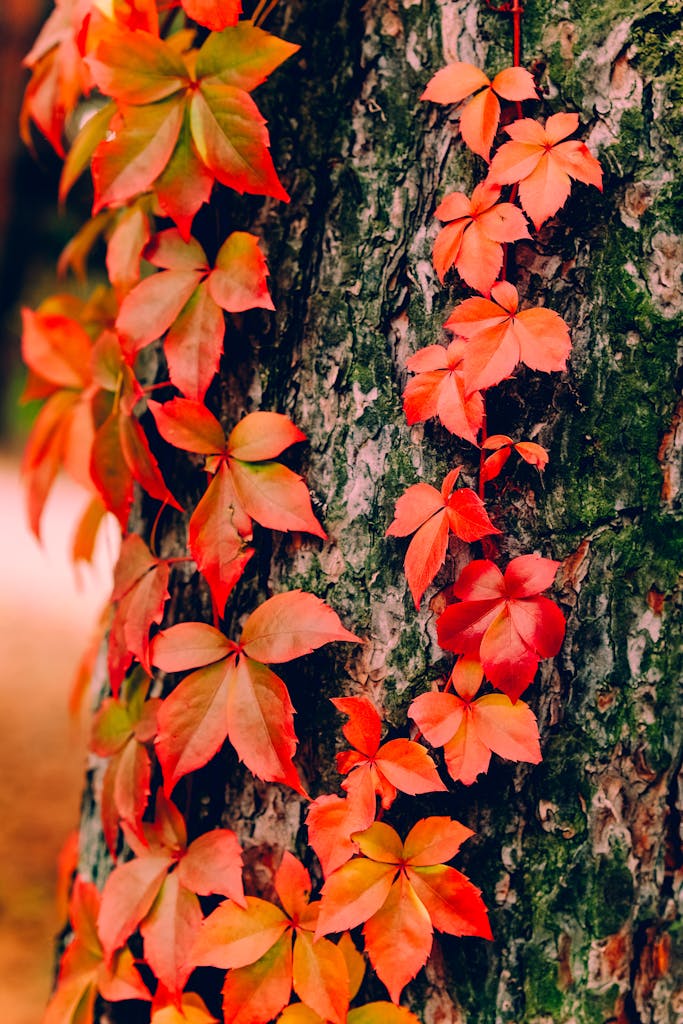
Virginia creeper is popular because it grows quickly and adds a lush, natural look to outdoor spaces. It can cover a trellis, fence, or pergola with thick green leaves, then shift into beautiful red tones during fall. For homeowners who want fast coverage, it can feel like an easy win.
The problem is that Virginia creeper does not always stay where you want it. Once it settles in, it can climb strongly and attach itself to surfaces with gripping tendrils. That makes removal difficult later, especially when it spreads across walls, gutters, or old wooden structures.
It also drops leaves in colder seasons, which can create extra cleanup around patios and walkways. If you plant it over a dining pergola, you may spend more time sweeping than relaxing. Virginia creeper is beautiful, but it works best where it has room to grow without becoming a daily nuisance.
Clematis
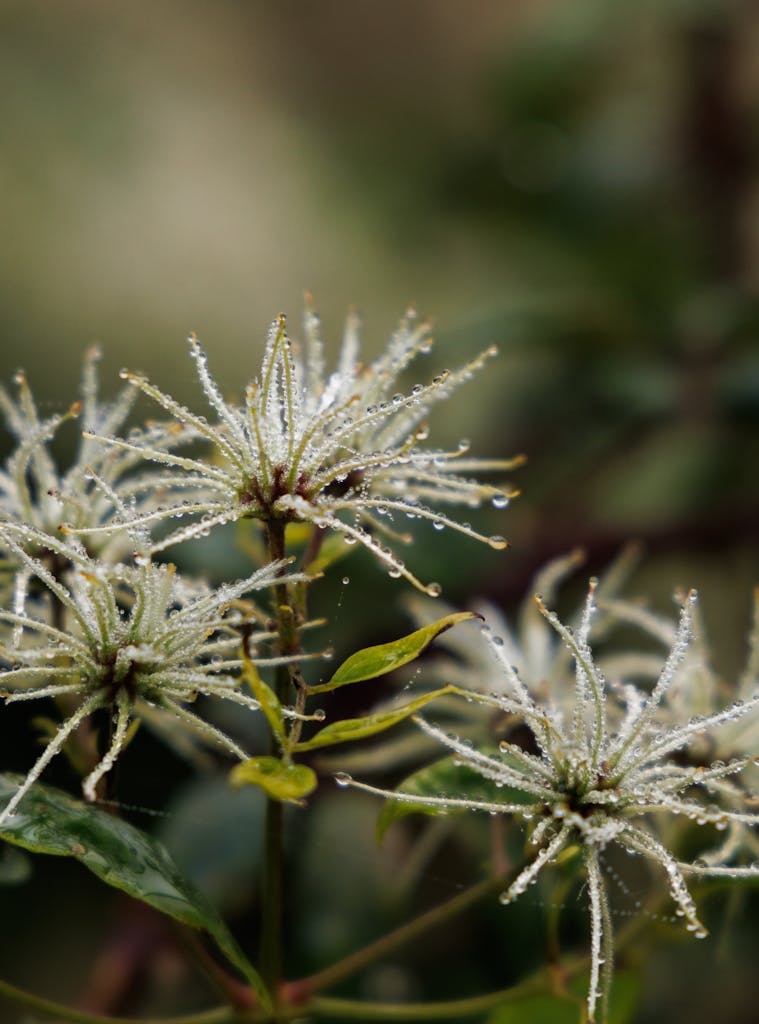
Clematis is one of the prettiest climbing plants for a trellis because its flowers can look bold, delicate, and almost unreal. It comes in many colors, so it can fit romantic gardens, cottage gardens, or neat backyard corners. When it thrives, clematis can make a small structure look carefully designed.
The challenge is that clematis can be picky about where it’s planted. A wide variety of sunny tops and cooler roots, which means the plant may struggle if the soil gets too hot or too dry. A gardener may need mulch, companion plants, or careful watering to keep it happy.
Pruning can also confuse beginners because different clematis types need different pruning schedules. Cut the wrong one at the wrong time, and you may lose flowers for the season. Clematis is worth growing, but it rewards gardeners who pay attention.
Star Jasmine
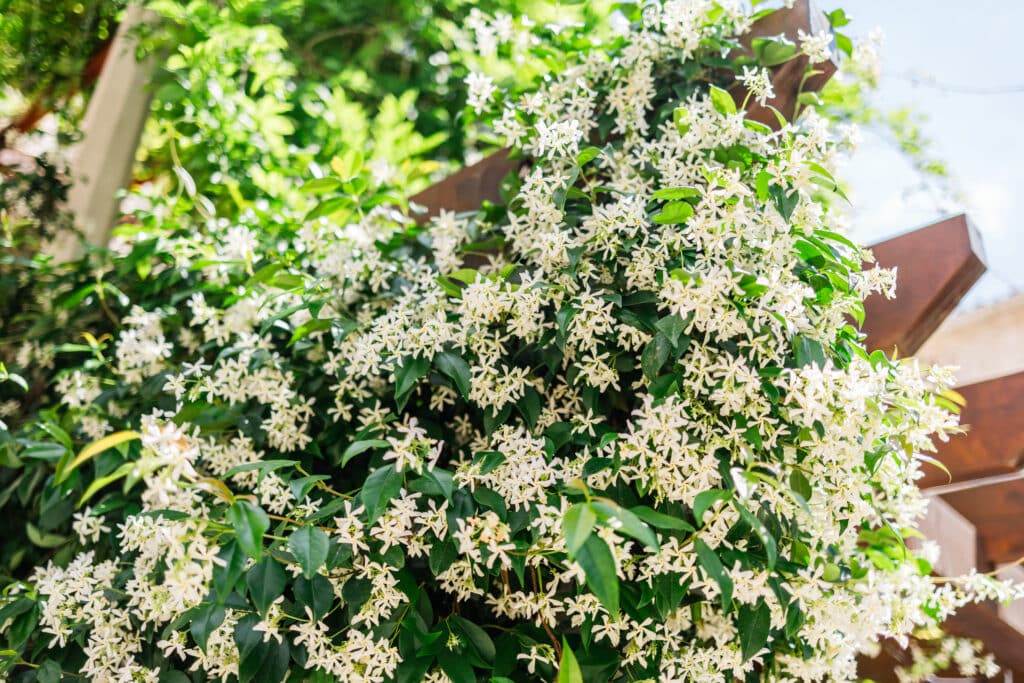
Star jasmine brings glossy leaves and fragrant white flowers, making it a favorite for patios and entryways. It can soften fences and pergolas beautifully, especially in warm climates. The scent can make an evening garden feel calm and expensive without much effort.
Still, star jasmine can become dense and heavy as it matures. A small or weak trellis may not support it well once the plant thickens. It also needs regular shaping to look neat rather than tangled.
Another issue is fragrance. Some people love the strong scent, but others may find it too much near windows, seating areas, or outdoor dining spaces. Star jasmine is lovely, but it needs enough space and a gardener who enjoys trimming.
Passionflower
Passionflower is a dramatic climbing plant with unusual flowers that instantly grab attention. Its blooms look tropical and artistic, which makes it a strong choice for gardeners who want something different. It can also attract butterflies, adding movement and life to the yard.
The downside is that passionflower can grow fast and messily when it likes its location. It may wrap around nearby plants, spread beyond its support, and need frequent control. In the wrong space, it can look less like a garden feature and more like a plant with no manners.
Some types may also produce fruit, which can drop and create cleanup under the vine. That may not bother every homeowner, but it matters near patios and walkways. Passionflower is best for people who enjoy a slightly wild garden style.
Climbing Hydrangea
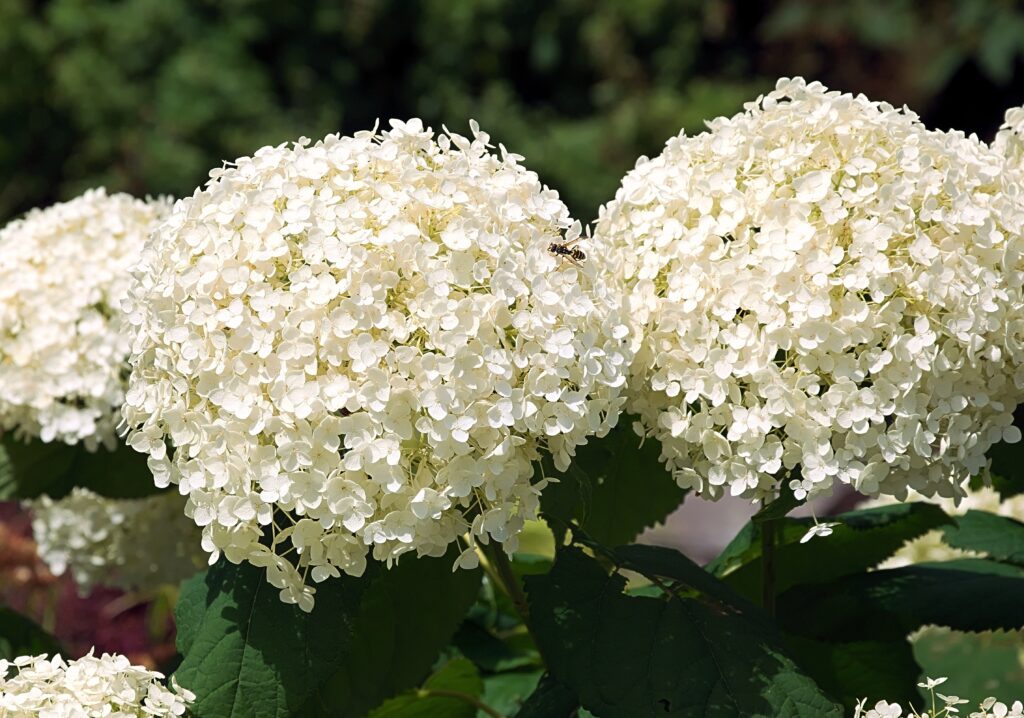
Climbing hydrangea is a beautiful choice for shaded walls, sturdy fences, and large garden structures. It produces elegant white flowers and can bring a soft, classic look to areas where many flowering vines struggle. Once mature, it can look rich, full, and very polished.
The problem is that climbing hydrangea grows slowly at first. Homeowners who want quick coverage may feel disappointed for several seasons. It often takes patience before the plant begins to show its full beauty.
It can also become large and heavy over time, so it needs strong support. A flimsy trellis may not be enough for a mature plant. Climbing hydrangea is not a bad choice, but it is better suited to long-term gardeners than to those who want immediate impact.
Grapevines
Grapevines can make a pergola feel charming, rustic, and useful. Their broad leaves offer shade, and the idea of growing grapes at home feels rewarding. For a sunny backyard, grapevines can add both beauty and purpose.
The trouble is that grapevines need consistent pruning and training to stay productive and attractive. Without control, they can become tangled, woody, and messy. A neglected grapevine can make a pergola look crowded instead of elegant.
Fruit can also attract birds, insects, and fallen mess under the structure. If your pergola sits over a seating area, that may become annoying. Grapevines are wonderful for gardeners who enjoy hands-on care, but they are not the best choice for a low-maintenance outdoor space.
Conclusion
Climbing plants can transform a trellis, pergola, or fence faster than many other garden features. They add shade, privacy, flowers, fragrance, and movement, which makes them tempting for almost every backyard. Still, each vine comes with its own habits, and those habits can become frustrating when ignored.
Virginia creeper, clematis, star jasmine, passionflower, climbing hydrangea, and grapevine can all look beautiful in the right place. The key is choosing the plant that matches your structure, patience, and outdoor lifestyle. A climbing plant should make your backyard feel better, not turn your trellis into another problem you have to manage.