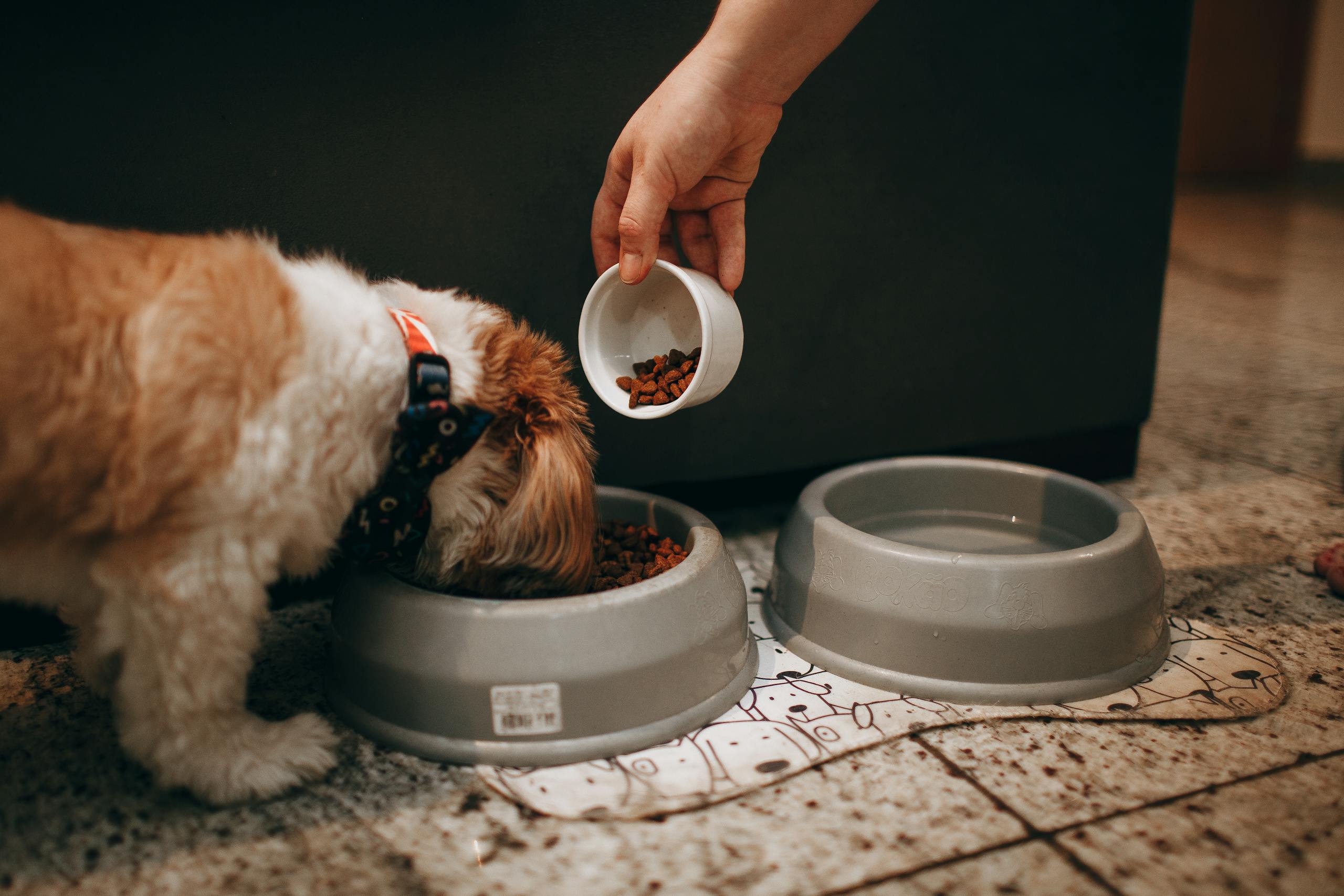
Ribeye used to feel like the easy luxury of the meat counter. You picked a thick steak, fired up the grill, and trusted the marbling to do most of the magic. Now, that same steak can make shoppers pause at the price tag and wonder if dinner just became a financial decision.
That does not mean ribeye steaks are no longer worth buying. It means shoppers need to pay closer attention, look beyond the packaging, and stop assuming every expensive cut is automatically a great cut. The best ribeye is not always the biggest, the reddest, or the one flaunting the fanciest label.
Forgetting that bone-in and boneless cook differently
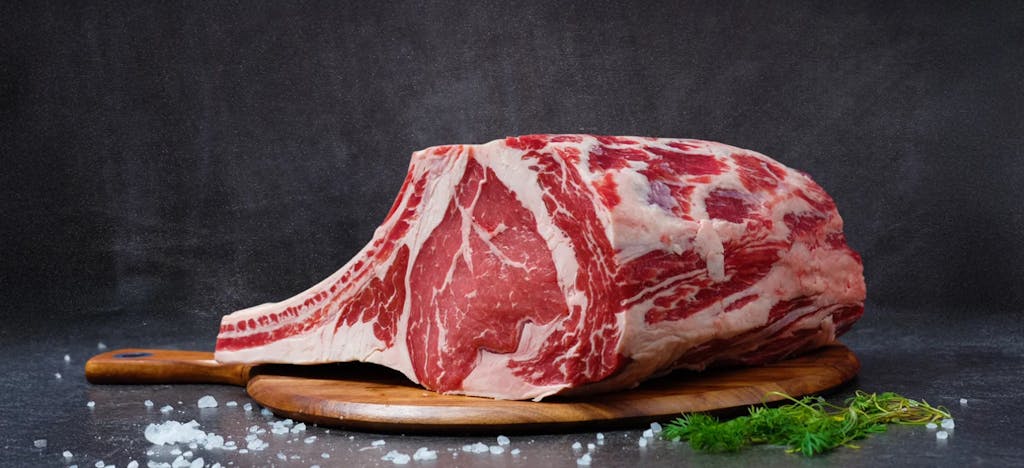
Bone-in ribeye looks dramatic and can enhance presentation, but it affects cooking time and heat distribution. Boneless steaks are easier to cook evenly and portion at home, helping you avoid under- or overcooking.
Neither choice is wrong, but know what you are buying. Bone-in steaks include weight you cannot eat, which matters when beef prices are high. Boneless steaks offer more predictable portions and are often easier to manage for families.
Cooking an expensive ribeye like an ordinary steak
The most disappointing ribeye is the one ruined after spending a premium for it. High heat is useful, but careful cooking shows your skill and care. Season it properly, let it rest briefly at room temperature, and dry the surface to achieve a golden crust.
Proper technique maximizes flavor and makes you feel accomplished.
Season it properly, let it rest briefly at room temperature, and dry the surface to achieve a golden crust.
Use a thermometer if possible, and let it rest after cooking so juices stay in the meat. A perfectly cooked ribeye rewards your effort and your wallet.
Buying thin steaks for high-heat grilling
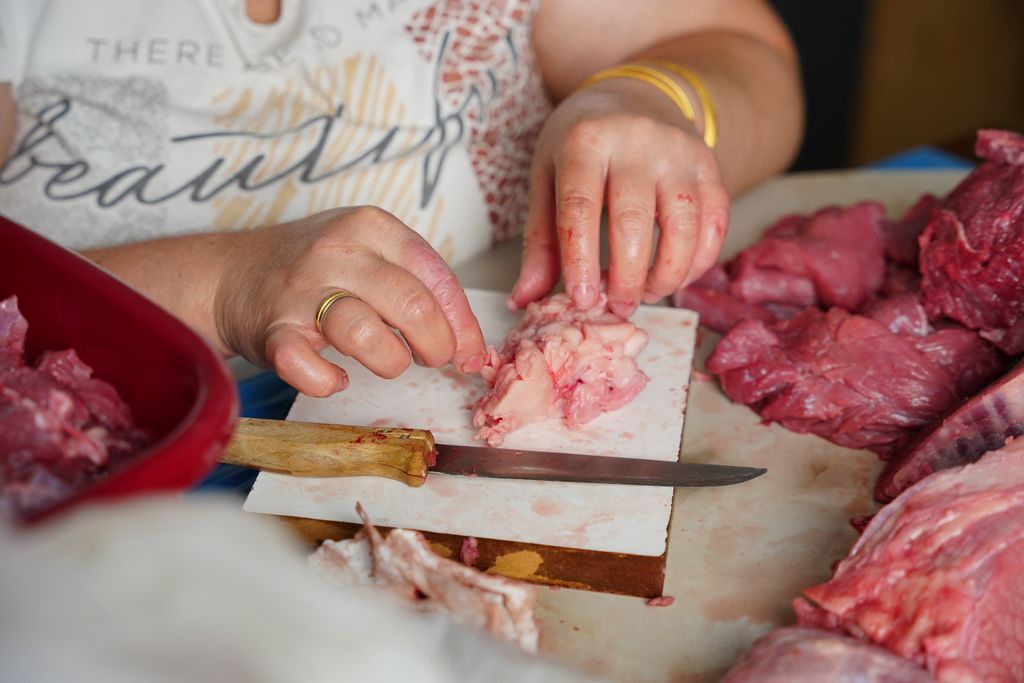
Thin ribeye can seem like a bargain because the package price is lower. The problem starts when it hits a hot grill or skillet. Thin steaks can overcook in seconds, leaving them dry before the outside forms a proper crust.
A steak at least an inch thick gives more control over cooking. The outside browns while the inside stays juicy, producing the full ribeye experience. If your steak is thin, adjust your cooking method, watch closely, and pull it early to avoid disaster.
Ignoring the marbling
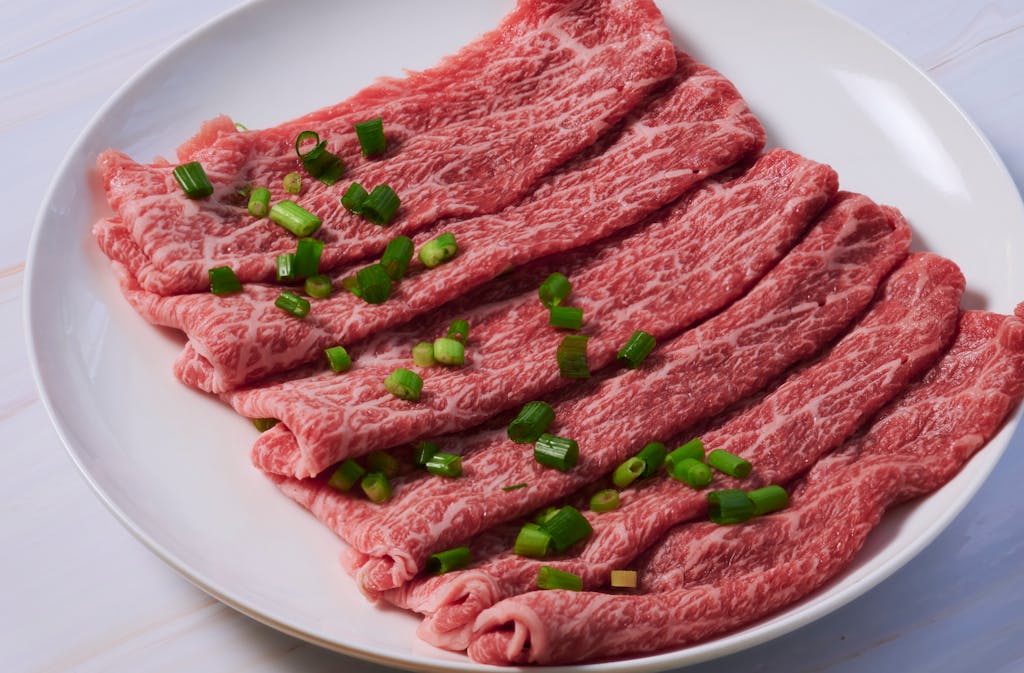
Marbling is the hallmark of a ribeye. Those white streaks of fat in the meat melt during cooking, giving it the rich, buttery flavor people crave. A steak that looks red and fresh may still disappoint if the marbling is weak.
Look for thin, even lines of fat woven throughout the meat rather than just sitting around the edges. A good ribeye should have fat integrated for juiciness and flavor. Lean cuts may cook like sirloin, leaving you with less indulgence than you expected.
Paying premium prices without checking the grade can lead to disappointment. Labels like Prime, Choice, Angus, grass-fed, and dry-aged may sound impressive, but understanding what they mean builds confidence in your choices and prevents overspending on branding rather than quality. Labels can turn the meat counter into a confusing maze.
Prime, Choice, Angus, grass-fed, and dry-aged all sound impressive, but none guarantees top flavor. Shoppers who grab the first expensive package may end up paying more for branding than actual quality.
USDA Prime usually carries more marbling than Choice, but a carefully selected Choice ribeye can still outperform a dull Prime. Breed labels or feeding methods affect flavor but do not automatically guarantee tenderness. Understanding the label is critical when prices are high.
Overlooking family packs and butcher counter deals
Many shoppers only check the neatly wrapped steaks in the front case. That can mean missing out on better-value options like family packs, butcher counter specials, or large rib roasts that can be sliced into steaks at home.
Price per pound is more important than package price alone. Larger packages may cost more upfront but provide better value when divided and frozen properly. Savvy shoppers can turn premium beef into multiple meals without overspending.
Chasing size instead of value
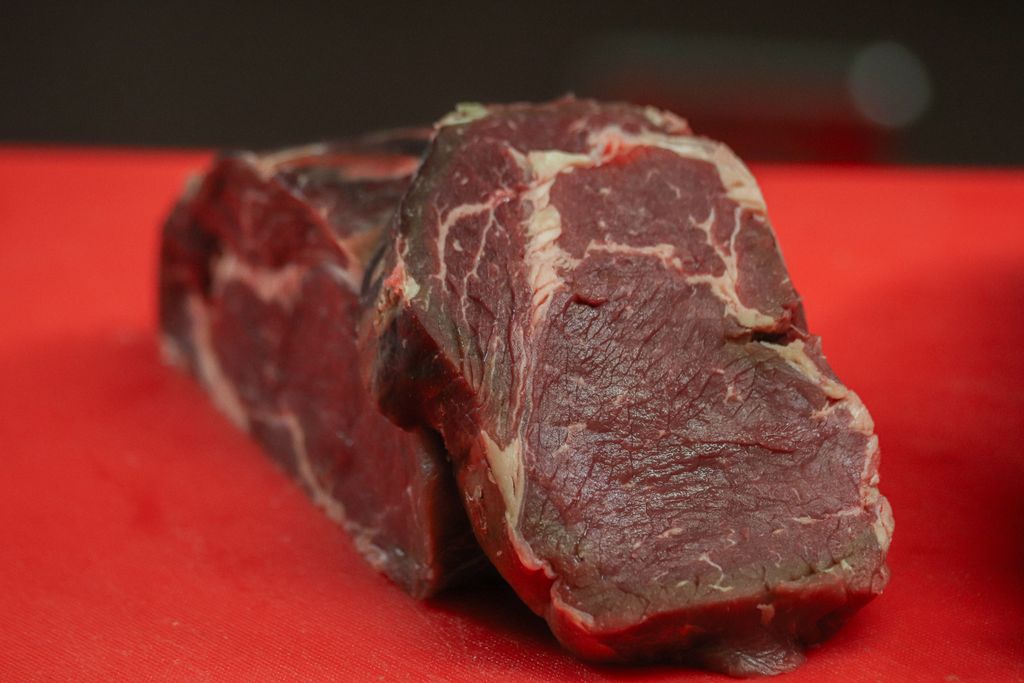
A giant ribeye can look impressive, especially when it stretches across the tray like a trophy. The problem is that size alone tells you little about flavor or tenderness. A huge steak with poor marbling can end up dry and tough compared with a smaller, more evenly marbled cut.
Compare price, marbling, thickness, and usable meat rather than relying solely on appearance. Choosing a steak with even marbling and minimal gristle ensures better flavor and value, guiding you to smarter selections.