Medicine has a dark history. Long before modern testing, patients swallowed toxic metals, deadly plants, and addictive substances under the guidance of doctors who often had more confidence than knowledge.
Some of these remedies were worse than the diseases they aimed to cure. Others became legitimate treatments only after science figured out how to control their lethal power.
The scary truth is that the line between cure and catastrophe has always been razor-thin.
One mistake could turn relief into irreversible harm.
Desperate patients often paid the ultimate price, trusting that what they were taking was helping, when it might have been silently destroying them.
Foxglove’s Dangerous Heart Fix

Foxglove, a beautiful flowering plant, contains digitalis, a compound that can strengthen heartbeats. Early physicians used it to treat heart conditions without fully understanding its potency.
While small doses could stabilize irregular heart rhythms, even slight miscalculations could cause nausea, dizziness, arrhythmia, or death. Patients were gambling with their lives, hoping the physician’s judgment was precise.
It would take centuries for science to isolate and measure digitalis, making it a legitimate treatment. Foxglove illustrates how close medicine has always walked to disaster, relying on risk and luck as much as knowledge.
Hemlock Was Peddled for Pain
Hemlock, infamous for its role in history’s most famous executions, was also once considered a legitimate pain reliever.
Ancient physicians used tiny doses to treat muscle spasms and neurological disorders, unaware that the plant contains potent alkaloids capable of paralyzing the body and stopping the heart.
One misstep in measurement could move a patient from relief to suffocation in minutes. What seems like a controlled medicinal herb today was essentially playing Russian roulette with human life.
The same plant that killed Socrates was trusted to heal, highlighting just how thin the line between cure and catastrophe was in ancient medicine.
Opioids Sold Without Caution
Opioids, derived from the poppy plant, were once freely prescribed for everything from minor aches to chronic pain and even coughs.
Physicians often ignored their addictive potential, which led to dependence, overdose, and death on a massive scale. Patients chasing relief quickly found themselves trapped by chemicals that hijacked the brain’s reward system.
The line between therapeutic benefit and fatal risk was almost invisible. What was once considered modern medicine became one of the most dangerous public health crises in history.
Even today, the opioid epidemic echoes the deadly consequences of ignoring toxicity in the pursuit of relief.
Lead Was Treated Like Medicine

Lead, now recognized as a devastating poison, was once used in folk remedies, cosmetics, and even crude contraceptives.
Exposure damages nearly every organ system, particularly the brain, kidneys, and reproductive organs. Children suffered cognitive impairment, behavioral issues, and developmental delays, while adults faced infertility, hypertension, and organ failure.
Yet lead’s shiny appeal and supposed medicinal properties made it a trusted solution in many societies. What was meant to prevent pregnancy or improve health instead became a silent, relentless killer.
The grim reality is that humans often embraced dangerous substances in the name of hope and tradition.
Mercury Poisoning Disguised as Medicine
Mercury was once a staple in teething powders, laxatives, and even some tonics, given to children and adults alike.
Babies exposed to mercury could develop pink disease, or acrodynia, leaving them with swollen, painful hands and feet, excessive sweating, and neurological damage.
Adults were not spared either, suffering tremors, kidney failure, and cognitive decline. Mercury’s toxicity was ignored because the shiny promise of quick relief blinded people to the invisible danger.
Families believed they were healing, but the treatment itself was often a slow-acting poison that could leave lifelong scars. It’s a chilling reminder that desperation can make even the deadliest substances seem like medicine.
Cocaine as a “Cure-All”
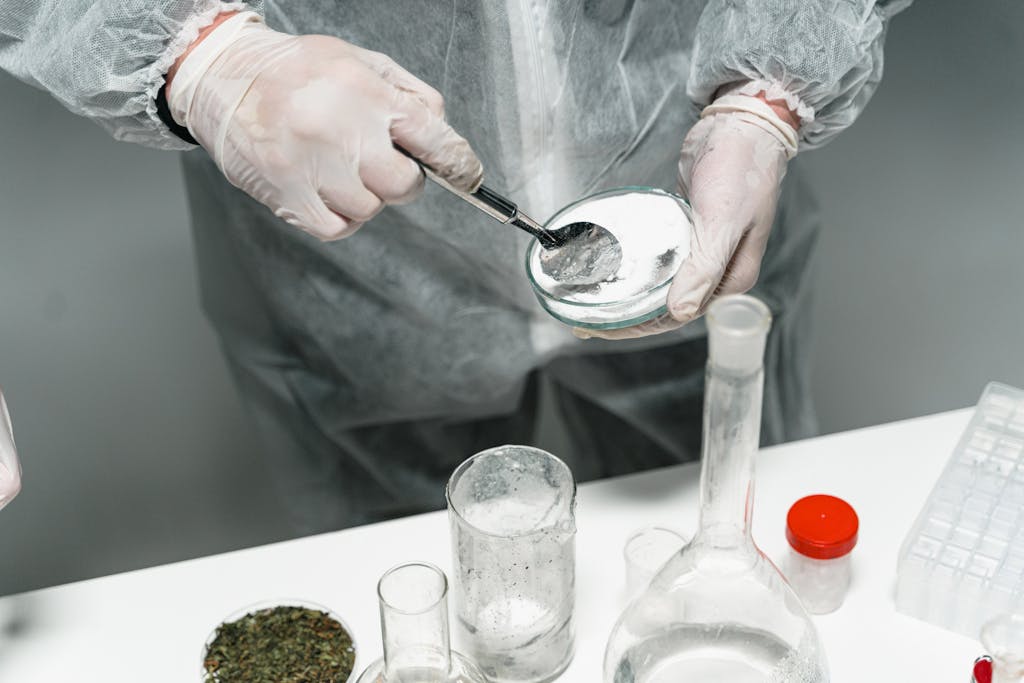
Cocaine was once marketed as a miracle medicine, appearing in tonics, toothache remedies, and energy-boosting elixirs.
Users experienced temporary euphoria, reduced pain, and a sense of vitality, which seemed like a godsend to suffering patients.
But the drug is highly addictive, and prolonged or unregulated use can lead to heart attacks, strokes, neurological damage, and even death.
Physicians of the past often ignored the danger, believing the benefits outweighed the risks.
What appeared to be a miracle cure often became a slow descent into dependence and disaster.
This is one of the clearest examples of medicine’s darkest irony: the very substance that healed could also destroy.
Conclusion
History proves that medicine has always had a dark side. Mercury, hemlock, cocaine, lead, foxglove, and opioids show how substances trusted for healing could quickly become agents of destruction.
Some eventually evolved into life-saving treatments, but only after science learned to control the dose and isolate the useful components.
The takeaway is stark: hope and desperation cannot transform poison into medicine. Safety, evidence, and expert oversight are what separate a cure from a catastrophe.