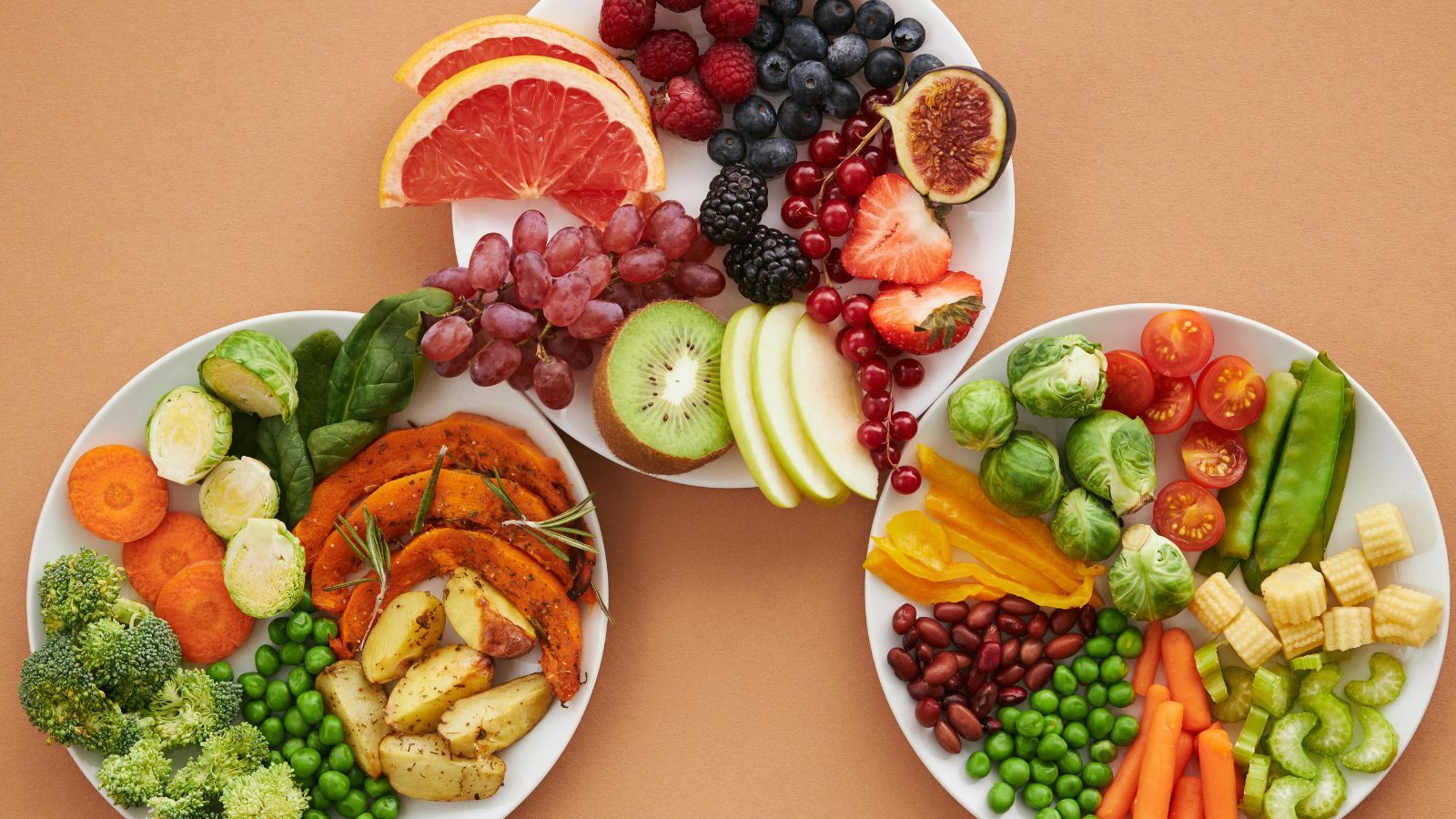
Brown rice has long been treated as the go-to healthy grain. It shows up in meal-prep bowls, lunch boxes, and gym diets like it’s earned a permanent spot on every plate. The truth is, brown rice is helpful but hardly unbeatable. Several other grains offer more fiber, better texture, and greater variety, making your meals more satisfying and nutritionally dense. Barley, bulgur, oats, farro, sorghum, quinoa, and rye all bring more fiber to the table, helping digestion, keeping you full, and supporting balanced blood sugar.
Choosing the right grain can completely change how a meal feels. These seven grains outshine brown rice in fiber content while offering flavors and textures that elevate every dish. Incorporating them regularly can make healthy eating more exciting, filling, and versatile.
Barley

Barley is often overlooked, but it delivers more fiber than brown rice and adds a nutty, chewy texture that transforms soups, salads, and grain bowls. Unlike brown rice, barley holds up well during cooking, making it ideal for meal prep or long-simmered stews. It absorbs flavors beautifully, whether paired with roasted vegetables, lentils, or lean meats, and adds a hearty element that makes meals feel more substantial.
Barley’s slow-digesting fiber keeps you satisfied longer, helping prevent the mid-afternoon slump or mindless snacking. Swapping barley for brown rice in weekly recipes adds variety, elevates texture, and ensures every bowl is both nutritious and enjoyable.
Bulgur
Bulgur is one of the fastest-cooking grains, yet it provides more fiber than brown rice. Its nutty flavor and light chew make it perfect for salads, stuffed peppers, and Mediterranean bowls. Because it is partially precooked, bulgur is ready in minutes, making it a major advantage for busy weeknights or quick lunches.
Its versatility is unmatched for fast, fiber-rich meals. Tabbouleh, warm grain salads, and lemony side dishes become satisfying and hearty without lengthy cooking. Bulgur keeps meals flavorful while quietly outperforming brown rice in nutritional value.
Oats
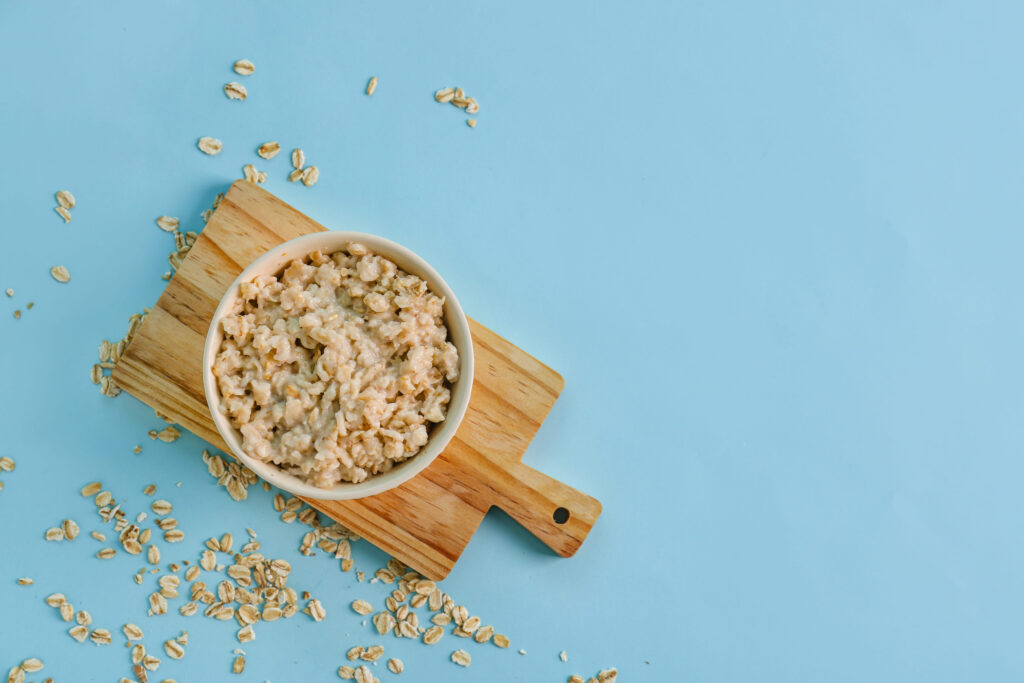
Oats are commonly associated with morning bowls, but they deserve a place at lunch, dinner, and even in baked goods. Oats pack more fiber than brown rice and can be used in both sweet and savory dishes. Savory oats pair well with eggs, vegetables, or cheese, while rolled or ground oats can enhance muffins, pancakes, and snack bars.
Using oats beyond breakfast allows for creative, fiber-rich meals throughout the day. They add texture and nutritional weight to smoothies, bowls, and baked goods without relying on processed fillers. For anyone struggling to reach daily fiber goals, oats are an easy, adaptable option.
Farro
Farro is a chewy ancient grain that outperforms brown rice in fiber content. Its firm texture makes it ideal for hearty salads, soups, and grain bowls that maintain their structure after cooking. Farro pairs beautifully with roasted vegetables, legumes, or lean proteins and carries sauces without becoming mushy.
Meal prep becomes more rewarding with farro because it retains a pleasant chew, even after days in the fridge. The grain’s flavor is mild yet distinct, making it a flavorful base that adds both fiber and substance to every dish.
Sorghum

Sorghum may not be a kitchen staple for everyone, but it delivers more fiber than brown rice and adapts well to a variety of dishes. Its small, round grains work in salads, stir-fries, and soups, while popped sorghum adds a crunchy element to snacks and toppings. Sorghum flour can also be used in baking, giving it a range beyond dinner.
Its gentle flavor allows it to complement bold sauces and seasonings without losing its nutritional punch. Incorporating sorghum adds fiber, texture, and variety, keeping meals far from repetitive.
Quinoa
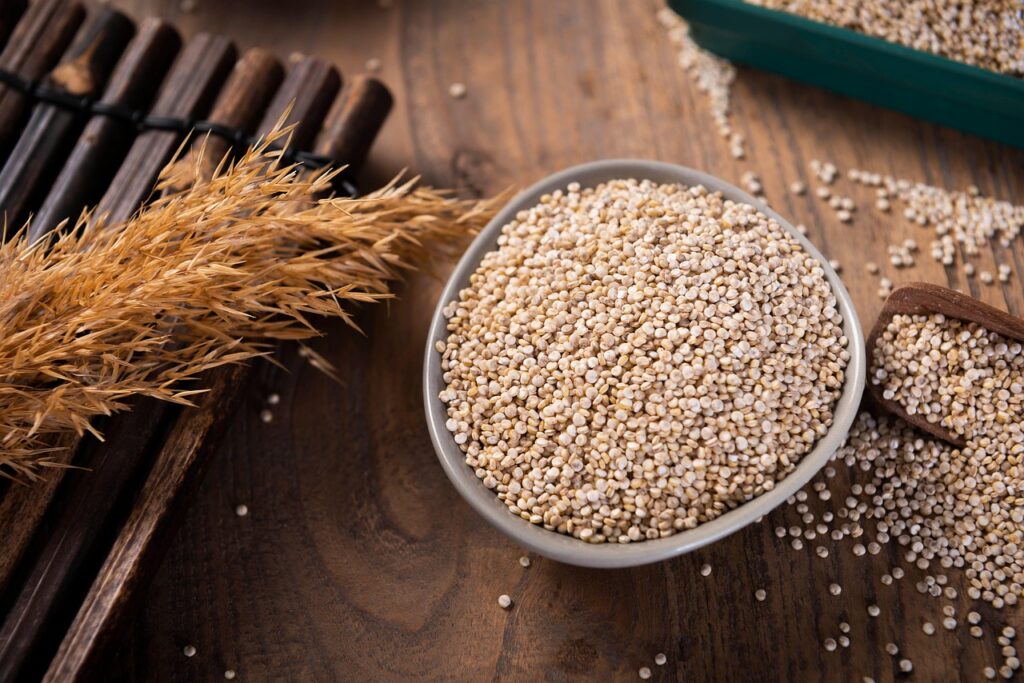
Quinoa is a fiber-rich grain that also supplies plant-based protein, making it a complete, nutritious option that surpasses brown rice. Its quick cooking time and fluffy texture make it versatile for salads, bowls, soups, and breakfast dishes. Quinoa adapts easily to a variety of flavors, from citrusy dressings to roasted vegetables and spices.
Unlike brown rice, quinoa provides both fiber and protein in a single grain, helping maintain fullness and balanced energy throughout the day. Its mild flavor and adaptability make it a practical choice for meal prep, providing nutrition without sacrificing taste or convenience.
Rye Berries
Rye berries contain more fiber than brown rice and provide a firm, earthy texture that enhances soups, salads, and roasted vegetable dishes. They take longer to cook but hold up beautifully in meal prep, maintaining a satisfying chew. Rye’s distinct flavor pairs well with herbs, vegetables, cheese, and fruits, making each meal rich in taste and fiber.
Choosing rye berries over brown rice transforms simple dishes into hearty, filling meals. Their strong presence in a dish delivers both nutrition and flavor, making them an excellent choice for anyone seeking fiber-packed alternatives.
Conclusion
Brown rice is familiar and convenient, but it is far from the most fiber-rich grain. Barley, bulgur, oats, farro, sorghum, quinoa, and rye all outperform it, offering more fiber, better texture, and exciting versatility. Incorporating these grains into your weekly meals makes it easier to meet your fiber goals, makes meals more satisfying, and keeps your plate from getting boring.
Switching up your grains can transform everyday dishes into fiber-packed, filling meals that keep you energized and satisfied. Brown rice can remain part of the rotation, but giving other grains a starring role maximizes flavor, variety, and nutrition.