Humans have a long history of turning harmless things into objects of dread, often exaggerating risks. These fears shaped laws and norms, but now seem laughably absurd.
Some of these fears were so widespread that they caused panic, yet today we see them as irrational. Here are seven objects that once terrified people for no good reason.
Novels Were Blamed for Moral Collapse
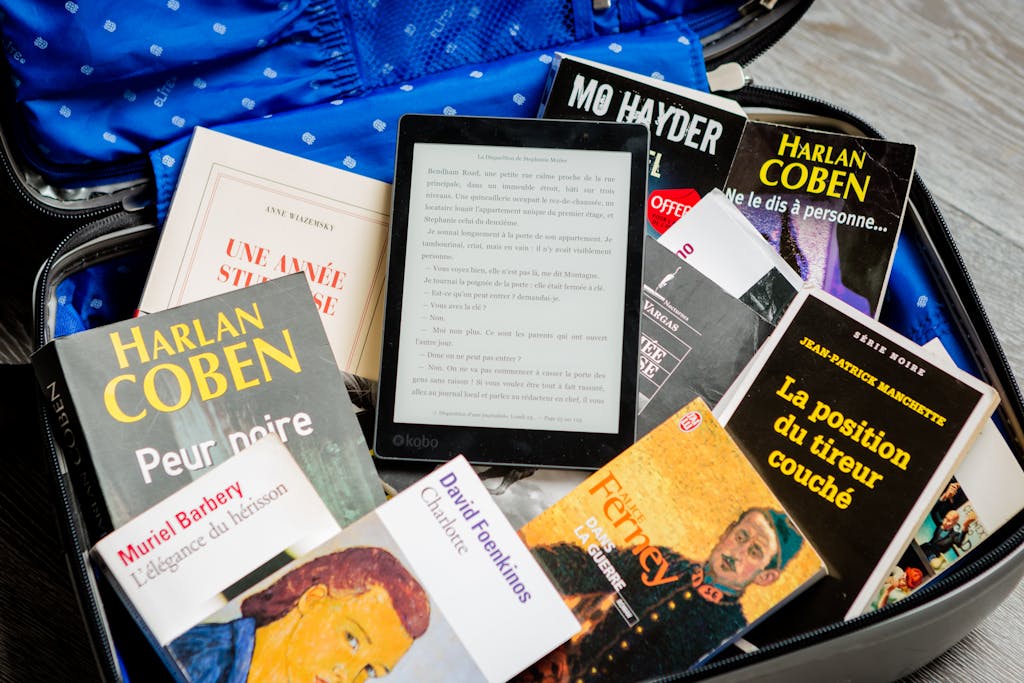
In early America, novels, especially romantic fiction, were condemned as dangerous. Critics warned that reading fiction could distort reality, corrupt morals, and even damage women’s health. A simple story could be seen as a corrupting influence on society.
The panic over books reflected broader anxieties about imagination and female autonomy. Today, reading for pleasure is celebrated, proving that the fears surrounding literature were entirely unfounded.
Telephones Were Threats to Families
When the telephone became popular in the 1870s, critics worried it would destroy social life. Some believed that households would ignore real-life relationships in favor of distant conversations. Women answering phones alone were considered particularly scandalous.
Instead of weakening connections, the telephone revolutionized communication. What once provoked outrage is now a basic part of daily life, showing how fear often exaggerates the impact of unfamiliar inventions.
Furbies Were Considered Spies
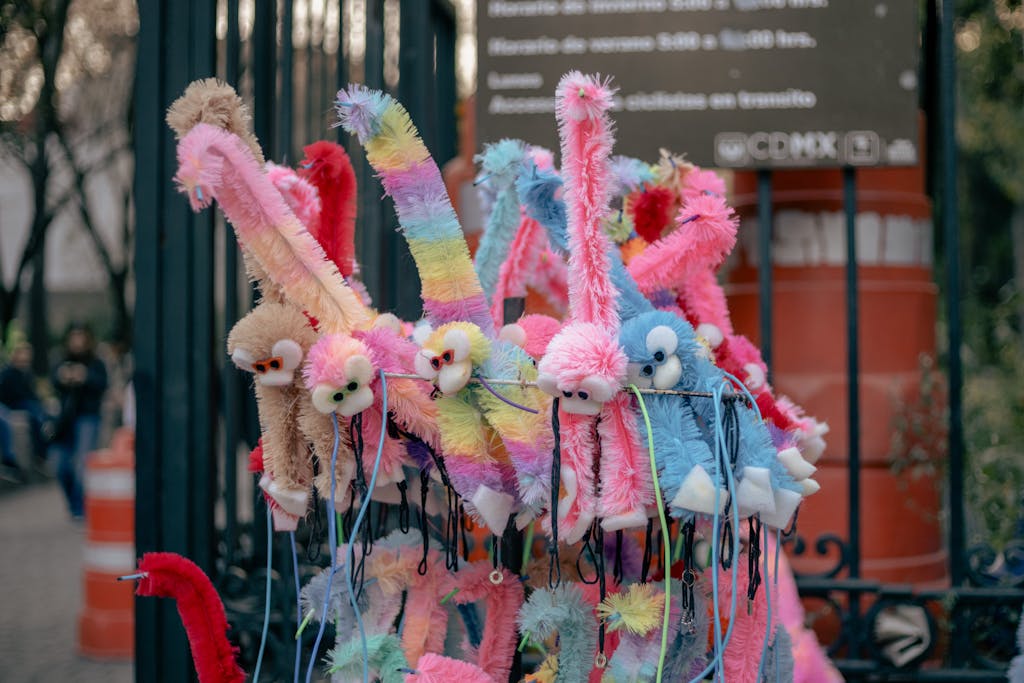
In the late 1990s, U.S. authorities banned Furbies from secure locations, fearing the toys could record private conversations. The fluffy, blinking toys were completely harmless, but speculation painted them as tiny espionage devices.
Recognizing their innocence can help the audience feel more at ease about modern gadgets that might seem suspicious now but are harmless in reality.
Even though Furbies had no recording capability, their lifelike eyes and constant chatter unnerved adults. This paranoia highlights how new technology often sparks fear before it’s fully understood, making innocent toys seem like sinister threats.
Twister Was Called Indecent
When Twister first appeared, retailers rejected it, worried the game’s tangled positions promoted sexual immorality. It took celebrity game shows to shift public opinion and make Twister a household favorite.
The initial outrage over a harmless game illustrates how fun can be misread as dangerous.
Today, Twister is associated with laughter and parties, proving that cultural anxiety often inflates threats far beyond reality.
Cars Were Accused of Ruining Morals
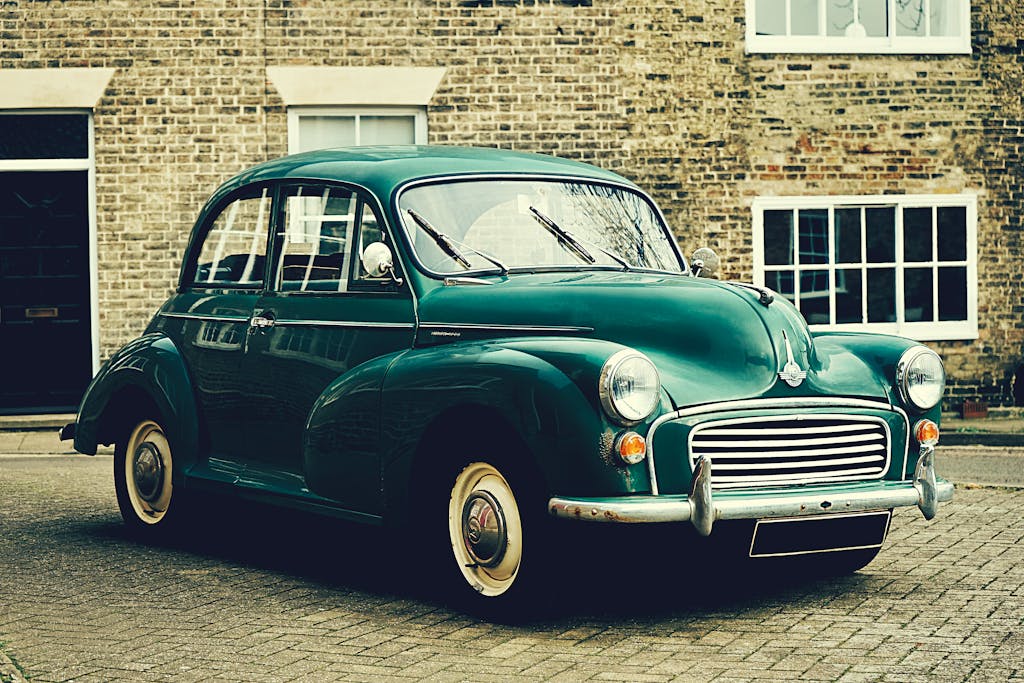
Automobiles provoked moral panic in the 1920s, with critics claiming they encouraged crime, sex, and rebellion. Some schools banned students from bringing cars, convinced they posed a threat to social order.
Now, cars are an essential part of daily life, yet the earliest critics imagined a moral apocalypse. Their fears demonstrate how society often reacts to change with exaggerated horror rather than reason.
Trains Would Make People Go Insane
When steam locomotives first rolled across Europe, doctors warned that their speed could drive passengers mad, even inventing a condition called delirium furiosum, claiming the sight of a train rushing past could unhinge the mind. High walls were even built alongside tracks to “protect” onlookers.
The panic didn’t stop at passengers. Spectators feared the vibrations, noise, and motion would trigger madness in anyone nearby. Today, trains are nothing more than a convenient mode of travel, yet early critics saw them as symbols of unstoppable chaos.
Women on Bicycles Were “At Risk”

In the late 1800s, doctors warned that cycling could harm women’s health, cause bicycle face, or disturb their emotions. Guides dictated how women should ride, what to wear, and how to maintain modesty.
Bicycles symbolized independence, but authorities treated them as dangerous contraptions. Once the novelty faded, cycling became a common activity, highlighting how irrational fear often targets empowerment disguised as “safety.”
Key takeaway
People have consistently overreacted to ordinary things, letting fear dictate their behavior rather than reason. These seven examples show how imagination, ignorance, and social norms can create needless panic.
Question: Which modern technology do you think is being unfairly feared today and might look just as ridiculous in the future?