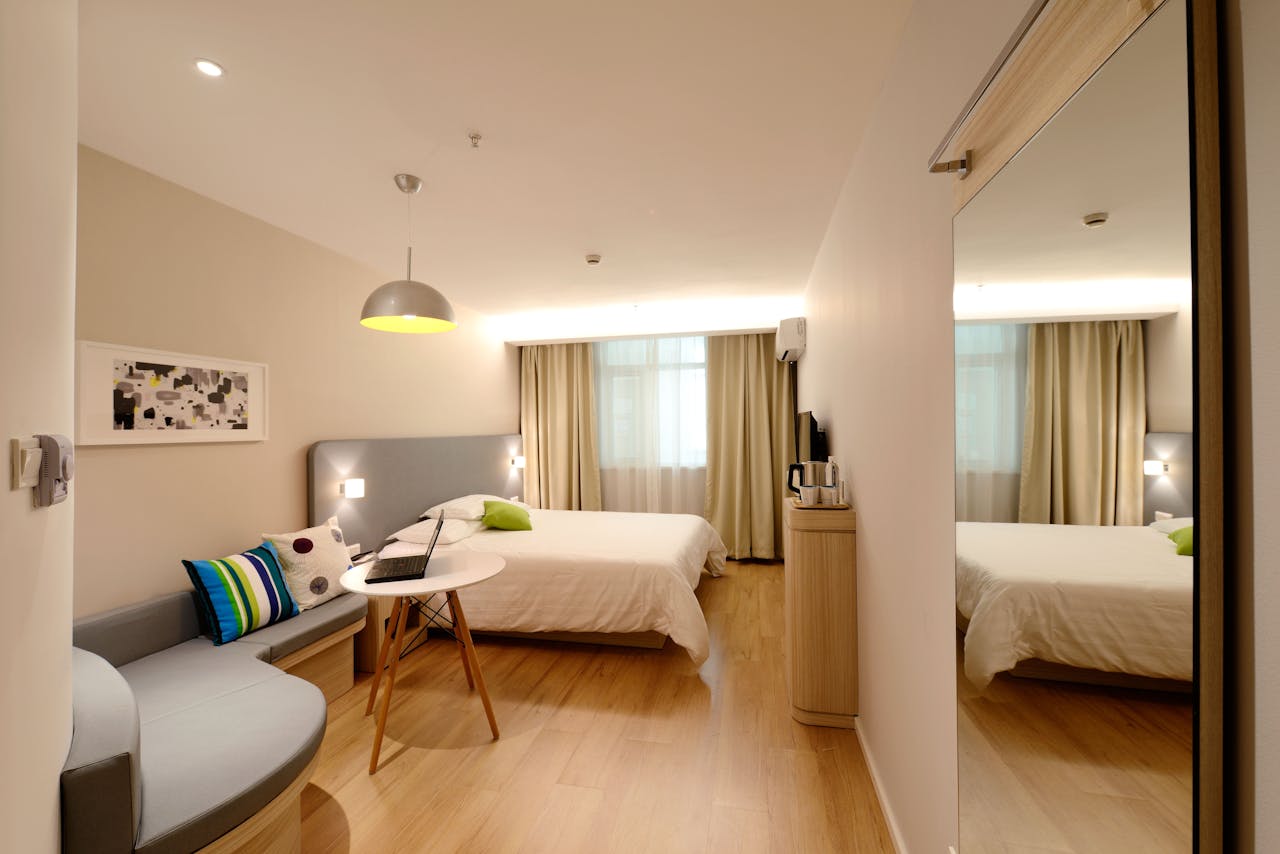
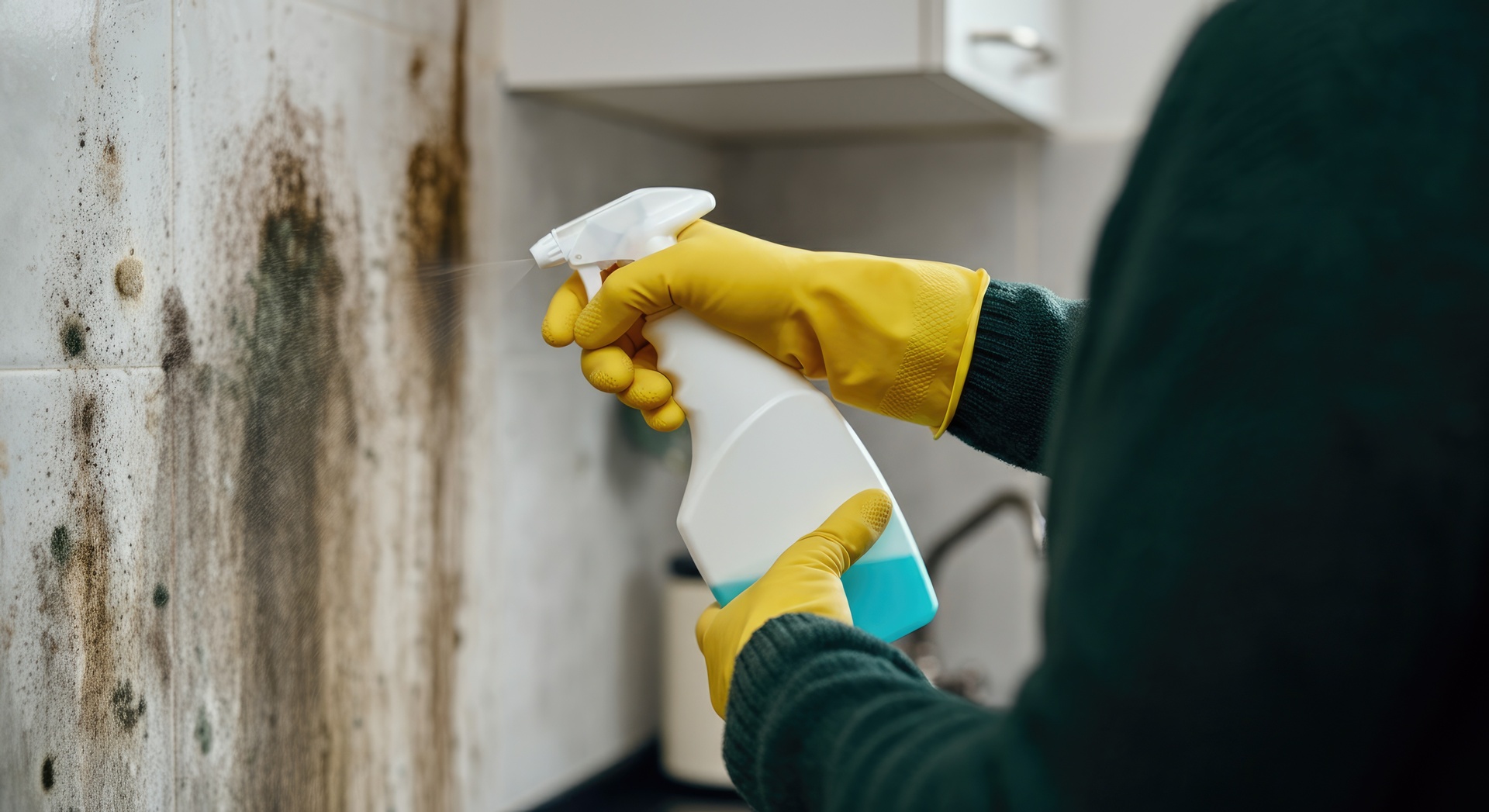
Hotel guests often think that checkout ends the moment they zip their suitcases, grab their key cards, and close the door behind them. For hotel housekeepers, that same moment is when the hardest part of the stay begins. Behind every clean room, crisp sheet, spotless mirror, and fresh-smelling bathroom is a worker racing against the clock before the next guest arrives.
We may not always see housekeepers, but their work shapes the entire hotel experience. A beautiful lobby can impress us for five minutes, but a dirty room can ruin a whole trip. That is why small checkout habits matter more than many travelers realize. A guest does not need to deep-clean a hotel room before leaving, but careless habits make the job harder, slower, and more frustrating than it needs to be.
Forgetting to Leave a Tip for Housekeeping

Housekeeping is one of the easiest hotel services to overlook because guests often do not interact with the person doing the work. We may tip the valet, bellhop, bartender, or room service attendant because we see them in person. The housekeeper, however, often enters after we leave, cleans what we used, replaces what we touched, and prepares the room for someone else without ever getting a thank-you.
A housekeeping tip does not need to be dramatic. Even a few dollars per night is a respectful gesture, especially after a longer stay, a family trip, a pet-friendly booking, or a room that required extra cleaning. Leaving a tip daily can also help, since different housekeepers may clean the room on different days. A clearly marked note reading “Housekeeping, thank you” removes any confusion and ensures the money is not mistaken for forgotten cash.
Tipping matters because final checkout cleaning is often heavier than a quick mid-stay refresh. Beds must be stripped and remade. Bathrooms must be scrubbed. Floors must be cleaned. Trash must be removed. Surfaces must be sanitized. Supplies must be restocked. The next guest expects the room to feel brand new, and the person who makes that happen deserves more than invisibility.
Leaving the Room Looking Like a Disaster Scene
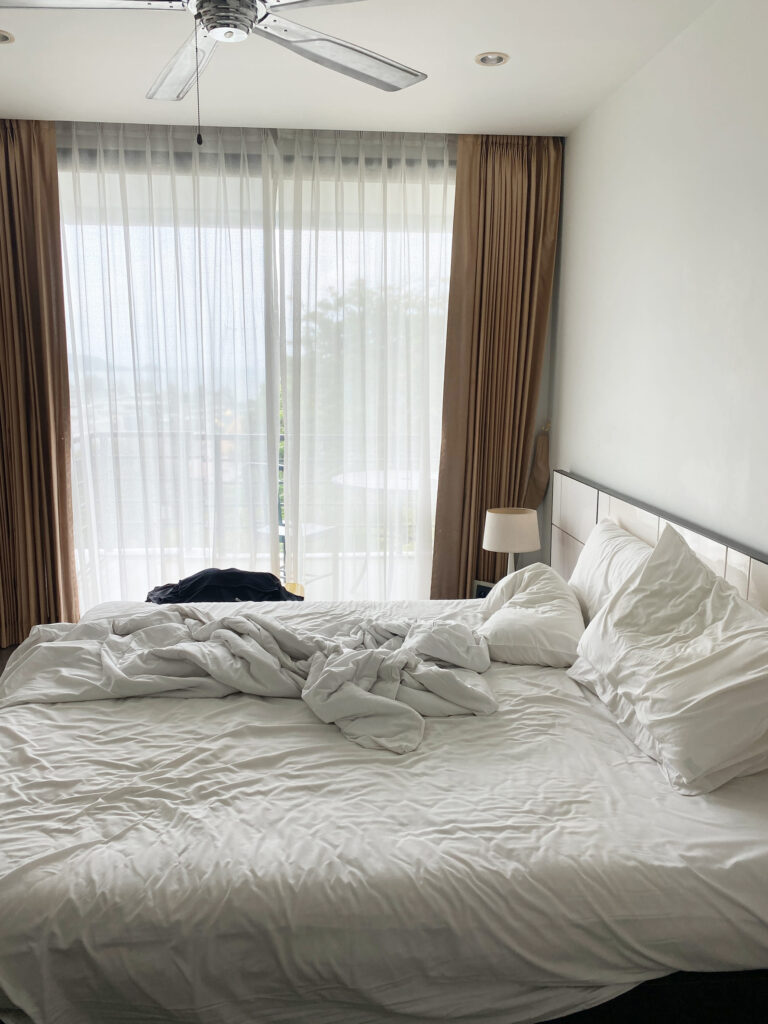
Nobody expects a hotel room to look untouched after a stay. People unpack, snack, shower, sleep, get ready, and sometimes live out of a suitcase for several days. A little clutter is normal. The problem starts when guests leave the room in total chaos, with trash scattered across the floor, food containers left open, spilled drinks drying on surfaces, and personal messes spread from the bed to the bathroom.
Housekeepers work under tight schedules, often cleaning multiple rooms in a single shift. When one room is left in extreme condition, it can delay the entire floor. That means another guest may wait longer to check in, another room may get rushed, and another housekeeper may have to help finish the workload. A few simple actions make a major difference. Put trash in one place, gather food containers, avoid grinding crumbs into carpets, and leave furniture roughly where it belongs.
This is not about pretending the room was never used. It is about leaving behind a space that can be reset without turning one checkout into a rescue operation. The easiest rule is simple. If the mess would embarrass you in a friend’s guest room, it is probably too much for a hotel housekeeper to inherit without extra effort.
Tossing Wet Towels All Over the Floor
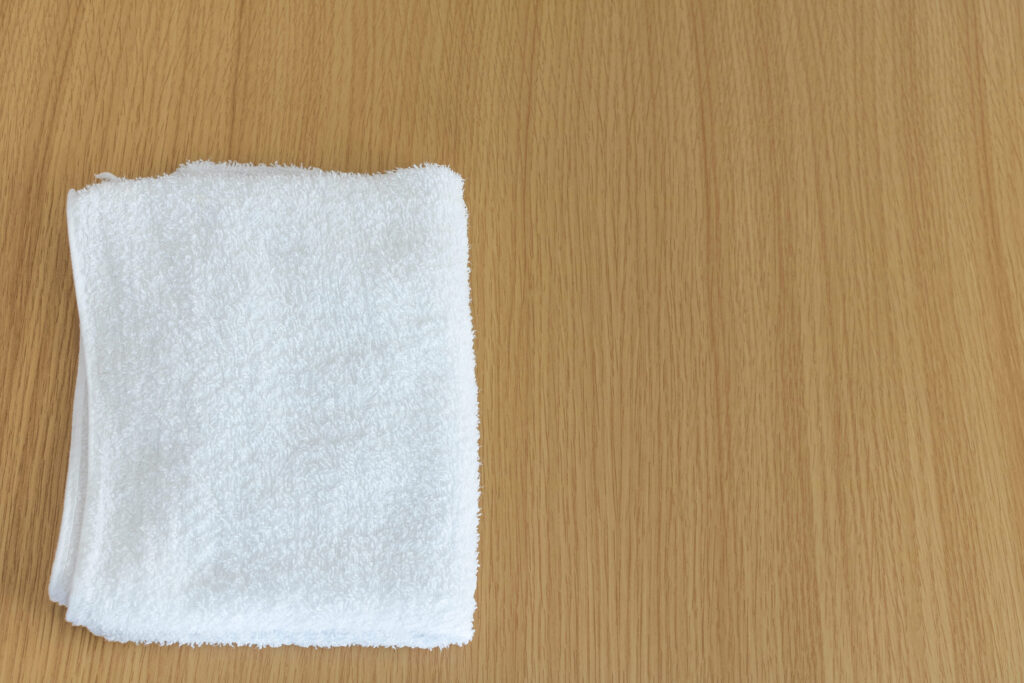
Wet towels on the bathroom floor may seem harmless, but they create more work than guests realize. Damp towels can leave musty smells, spread moisture, and make floors slippery. They also force housekeepers to bend repeatedly, collect heavy, wet fabric from various corners, and sort laundry from a messy pile.
The better habit takes only a few seconds. Gather used towels in one place, such as the bathtub, shower floor, or a neat pile in the bathroom. This tells housekeeping exactly what needs to be replaced and keeps damp fabric from soaking carpets, bedding, or furniture. It also prevents towels from getting mixed with personal items or clean linens.
Guests should also avoid using white hotel towels for makeup, shoe polish, hair dye, nail polish, or floor spills. Those stains can be difficult or impossible to remove. A towel ruined by mascara or dirty shoes is not just a laundry problem. It becomes waste, extra cost, and another avoidable frustration for the staff. If there is a serious spill, call the front desk and ask for proper cleaning supplies instead of sacrificing the towels.
Keeping the Do Not Disturb Sign Up for the Entire Stay
Many guests think they are helping housekeeping by leaving the “Do Not Disturb” sign on the door for several days. The intention may be good. Some travelers want privacy. Others want to reduce water use by reusing towels and skipping daily service. That can be reasonable, but it becomes a problem when guests never communicate clearly with the hotel.
When a room is left unattended for an entire stay, the final cleaning can become much more difficult. Trash builds up, towels stay damp, food smells linger, and surfaces collect more grime. A room that could have been maintained in small stages now requires a larger reset under the same checkout deadline. That puts pressure on the housekeeper assigned to the room and can slow down the room turnover schedule.
The smarter approach is balance. We can decline daily service and still request trash pickup, fresh towels, or a quick refresh when needed. We can tell the front desk that privacy is preferred, but supplies can be left outside the door. We can also remove the sign when leaving for several hours, giving staff a chance to service the room. Respecting privacy does not have to mean creating a bigger mess for someone else later.
Using Hotel Linens for Dirty Jobs
Hotel linens are meant for sleeping, bathing, and basic guest comfort. They are not meant to clean muddy shoes, wipe down luggage wheels, mop up spilled coffee, remove makeup, or cover food messes. Yet housekeepers regularly find towels, washcloths, sheets, and pillowcases being used for jobs they were never designed for.
This habit creates two problems at once. First, it increases the cleaning load because stained linens require extra treatment. Second, it can permanently damage items that the hotel has to replace. Guests may not think much about one ruined towel, but those costs add up across dozens or hundreds of rooms. The more linens get damaged, the more pressure hotels face to control replacement costs.
A considerate guest uses tissues, makeup wipes, paper towels, or proper cleaning cloths when available. For dirty shoes, use a plastic bag or ask the front desk for a cloth suitable for cleaning. For makeup, bring remover pads instead of relying on white washcloths. For spills, report the issue quickly. Hotels would rather respond early than discover a dried stain after checkout.
Asking for Late Checkout at the Last Second
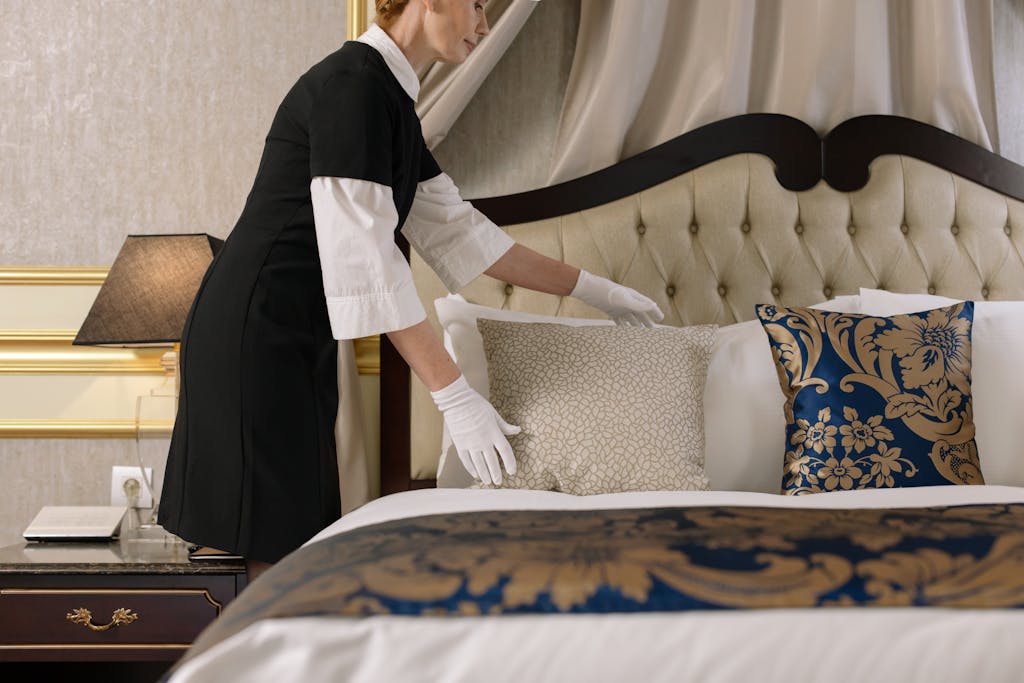
Late checkout is not rude by itself. Travelers have delayed flights, tired kids, long meetings, and unpredictable schedules. Hotels understand that. The problem is waiting until the final minutes before checkout to ask for extra time. By then, housekeeping schedules may already be set, carts may already be loaded, and staff may already be moving room by room based on expected departures.
A late checkout can throw off the entire cleaning rhythm. Housekeepers usually have a limited window between checkout and the next round of arrivals. If one room is delayed, another room may need to be cleaned first. If several guests do the same thing, the pressure multiplies quickly. That delay may eventually land on another traveler waiting at the front desk for a room that is not ready.
The courteous thing to do is to ask as early as possible. The night before is better than the morning of checkout. Early morning is better than five minutes before checkout time. If the hotel grants the request, be ready to leave at the agreed time. A late checkout is a privilege, not a moving target. When guests respect that window, they help the hotel keep the day moving smoothly.
Ignoring Housekeepers in Reviews and In Person
Housekeeping is one of the most important parts of a hotel stay, yet it is often the least recognized. Guests mention the front desk, breakfast, pool, restaurant, view, and parking. The clean room, fresh towels, stocked bathroom, made bed, and spotless surfaces often get treated as automatic, as if they appeared by magic.
A simple thank-you matters. If you see a housekeeper in the hallway, a polite greeting can go a long way. If the room was especially clean, mention housekeeping in the review. If you know the staff member’s name, include it. Hotels pay attention to guest feedback, and public praise can help workers who rarely receive direct recognition.
This does not mean guests should ignore real problems. If a room is dirty, unsafe, or poorly serviced, it is fair to report it. But when housekeeping does excellent work, that effort deserves to be seen. Cleanliness is one of the biggest reasons guests trust a hotel. Recognizing the people behind that comfort is one of the easiest ways to be a better traveler.
A Simple Checkout Routine Housekeepers Appreciate
A good checkout routine does not require scrubbing the bathroom or stripping the bed, as hotel staff does. Guests are paying for a room, and professional cleaning is part of the stay. The goal is not to do the housekeeper’s job. The goal is to avoid creating unnecessary work.
Before leaving, gather trash in one area, collect used towels in the bathroom, check drawers and outlets for personal items, leave the remote and key items visible, and report any major spills or damage. If you ordered food, close the containers and place them near the trash. If you used extra bedding, keep it in one spot instead of spreading it across the room.
These small steps protect your belongings, help housekeeping move more quickly, and reduce the risk of delays for the next guest. They also reflect basic respect. A hotel room may be temporary, but the people cleaning it are working real shifts with real deadlines.
Conclusion: Better Guests Make Better Hotel Stays
The best hotel guests are not those who leave the room untouched. They are the ones who understand that comfort has a human cost. Every fresh towel, clean floor, smooth sheet, and sparkling sink comes from someone’s labor. When we leave chaos behind, skip basic courtesy, or treat linens like disposable cleaning rags, someone else pays the price with time and physical effort.
A respectful checkout takes less than five minutes. Gather the towels. Toss the trash. Report the spill. Ask early for late checkout. Leave a tip when you can. Mention great housekeeping in the review. These habits do not make travel less enjoyable. They make hotels work better for everyone, from the guest arriving next to the housekeeper trying to finish one more room before the clock runs out.