We’ve all had those moments when we sit down to enjoy a meal, not thinking twice about what’s on our plates. But what if your favorite foods were hiding secrets that the industry has conditioned you to ignore? Every day, we consume staples that seem perfectly safe, yet beneath the familiar packaging lies a reality far more volatile than we realize.
Some common fruits and vegetables contain naturally occurring toxins that can be lethal if prepared incorrectly or consumed in the wrong state. These hidden risks become even more severe when certain chemical compounds interact with your medication, revealing dangers in the foods we trust most. It is time to look past the marketing and finally confront the silent biological minefields lurking in your pantry.
Durian’s overpowering smell and its interaction with alcohol
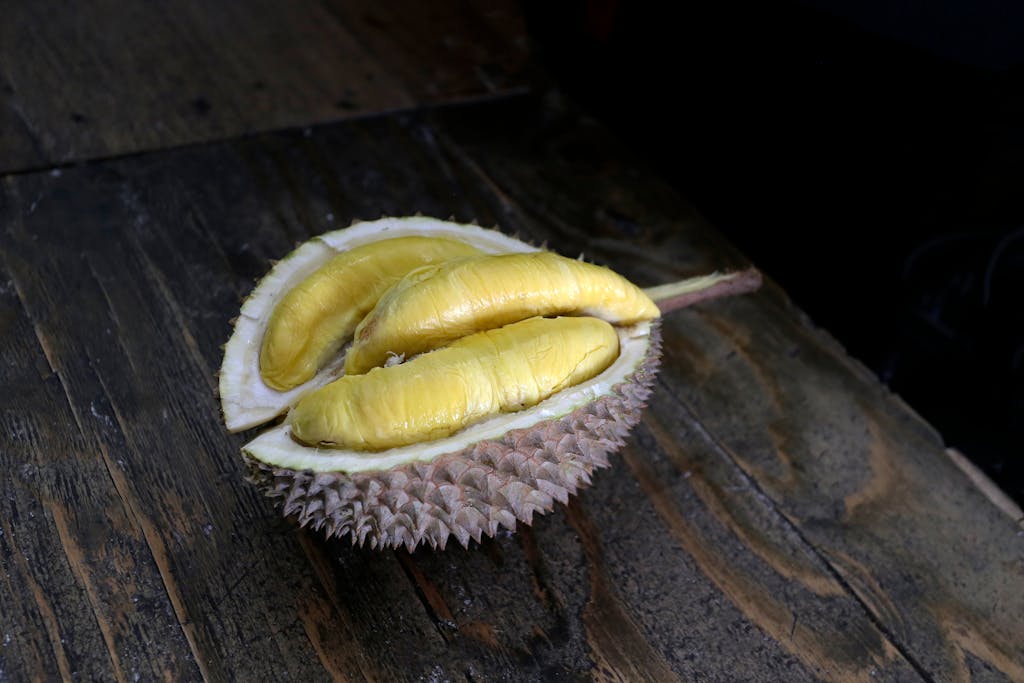
Durian, known as the “king of fruits,” is famous for its pungent smell. The odor is so overwhelming that durian is banned in many public places across Southeast Asia. But the fruit’s unique smell comes from a mix of sulfur compounds that scientists have studied for years. Interestingly, these compounds don’t just affect our noses; they can also interfere with the body’s ability to metabolize alcohol.
Eating durian alongside alcohol can increase the risk of nausea, dizziness, and even more severe reactions due to its inhibition of the enzyme that breaks down alcohol in the liver. So, if you’re planning to indulge in both, it’s best to avoid combining them.
Lima beans and the cyanide danger in raw beans
Lima beans, popular for their creamy texture and versatility, are a surprising food hazard. Eating them raw or undercooked is dangerous because they contain cyanogenic glycosides, which can release cyanide if not prepared properly. This toxin causes nausea, dizziness, and even death, but boiling for at least 10 minutes eliminates the risk.
The danger lies in a natural defense mechanism where the plant produces chemicals to ward off predators, a fact often overlooked in the modern kitchen. While most varieties are bred for safety, the potential for harm remains if the cooking process is rushed. By ensuring a full boil, you neutralize the threat and transform a hidden hazard into a safe staple.
Corn and the forgotten processing method that saved lives
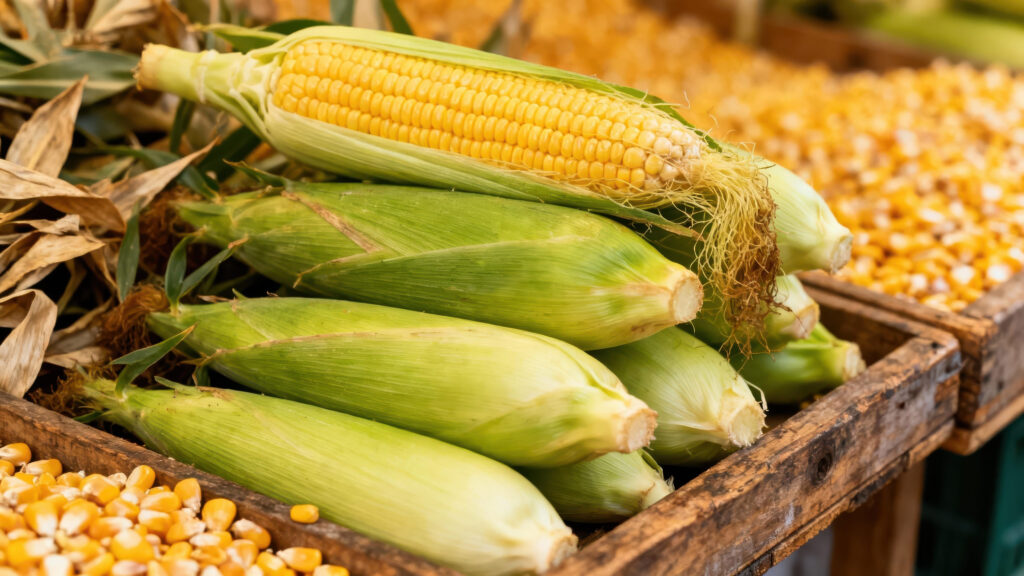
Switching to corn is a good way to get carbohydrates. However, if it isn’t processed properly, it can cause health problems. Native American cultures used a method called nixtamalization, soaking corn in an alkaline solution, such as lime water, to release its niacin (Vitamin B3).
When corn spread to other regions, this process was often skipped, leading to niacin deficiencies and a disease called pellagra, which causes skin problems, diarrhea, and memory loss. Nixtamalization is important to make corn a complete food.
Cheese mites and their role in flavor development
Some cheeses, like Mimolette from France and Milbenkäse from Germany, are made with live cheese mites. The tiny bugs are not a sign of dirty cheese; they are added intentionally during aging.
The mites help break down protein and make special flavors. As they eat the outside, they release stuff that changes the look and taste. Though it sounds odd, this method has been used for hundreds of years to create flavorful cheeses.
Star fruit and the deadly risk for kidney disease patients
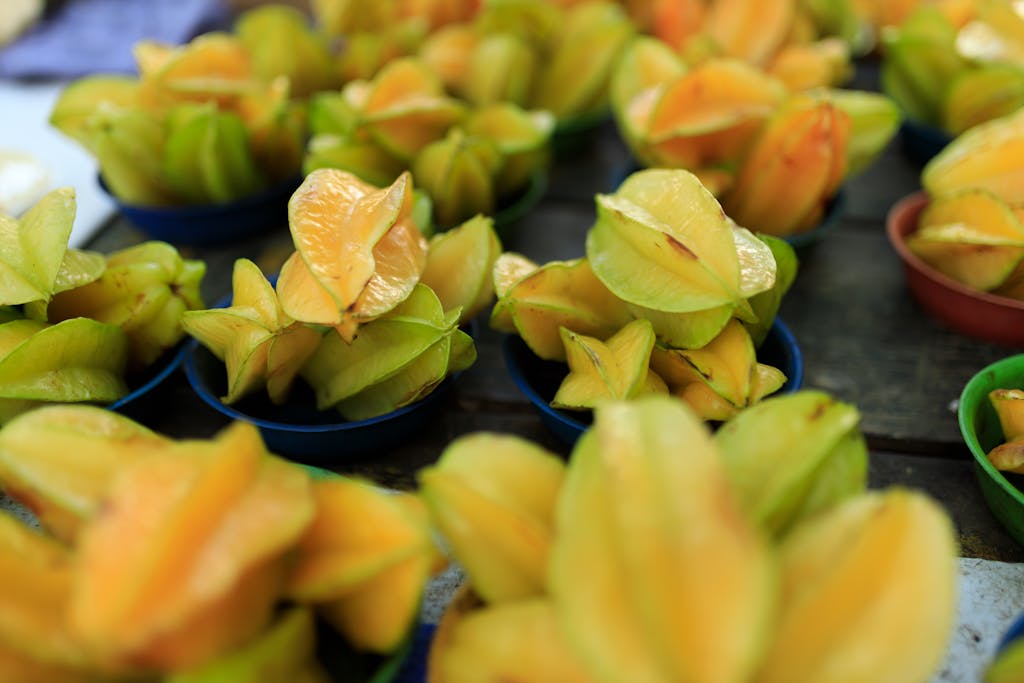
Star fruit, a tropical fruit popular in Southeast Asia and among health-conscious people, is dangerous for those with kidney disease. It contains caramboxin, a neurotoxin removed by healthy kidneys, but can accumulate in those with kidney problems and cause confusion, seizures, or death. People with chronic kidney disease should avoid star fruit.
The risk stems from the body’s inability to filter out this specific toxin, which can then cross the blood-brain barrier to attack the central nervous system. Even a small amount of the fruit or its juice can trigger rapid-onset symptoms that are often difficult to reverse without immediate medical intervention. For anyone with impaired renal function, total avoidance is the only certain way to prevent a life-threatening reaction.
Nutmeg and the unexpected hallucinations it can cause
Nutmeg adds warmth to desserts, eggnog, and curries. Few know that large amounts can cause hallucinations, seizures, and other strong effects due to myristicin, a compound that affects the brain at high doses. While the lethal dose is about 50 grams, far more than used in cooking, nutmeg is safe in small amounts but dangerous in large doses.
This chemical compound mimics the effects of certain neurotransmitters, leading to a state of “nutmeg poisoning” that can last for several days. Symptoms often include a terrifying sense of impending doom, rapid heart rate, and intense nausea that sets in long after the spice is consumed. Because the line between a culinary dash and a toxic dose is smaller than most realize, caution is essential when handling this potent pantry staple.
Ackee and the deadly toxin found in unripe fruit
Switching to ackee, a tasty fruit often used in Jamaican dishes, especially ackee and saltfish, its unripe form contains high levels of hypoglycin A, a toxin linked to Jamaican vomiting sickness, which can cause low blood sugar, vomiting, dizziness, and even death. Only fully ripe, properly prepared ackee is safe, and only the edible parts should be used.
The toxicity occurs because the fruit’s natural compounds prevent the body from releasing stored glucose, leading to a sudden, dangerous drop in blood sugar levels. If the fruit hasn’t naturally opened on the tree to let the sun neutralize these gases, it remains a potent biological hazard. Mastering the timing of the harvest is the only way to enjoy this delicacy without risking a total physical collapse.
Pufferfish and the deadly tetrodotoxin poison
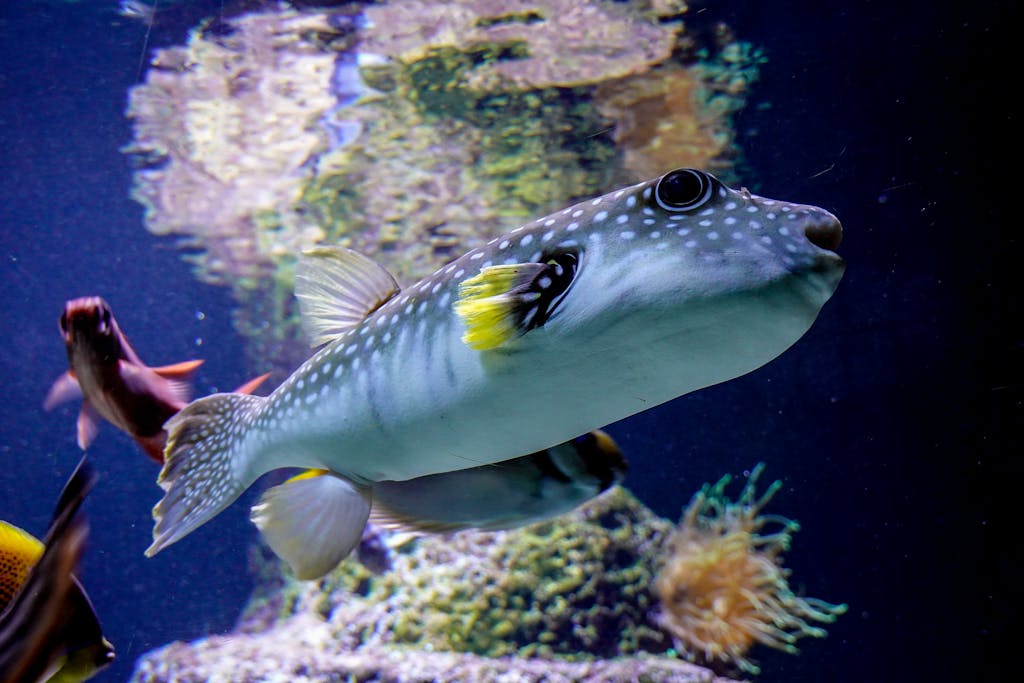
Finally, we look at pufferfish. Also called fugu, it is a Japanese dish known for its danger. The risk comes from tetrodotoxin, a strong poison found in the fish’s organs and skin. Tetrodotoxin is one of the deadliest substances and cannot be removed by cooking or freezing.
Only chefs with special training can prepare fugu, because mistakes can cause paralysis or death. This poison shuts down the nervous system, leaving the victim fully conscious while their respiratory system becomes paralyzed. Without a known antidote, survival depends entirely on immediate life support until the toxin eventually clears the body.