The practice of consuming live animals may seem unthinkable to many, but it is a culinary tradition in various cultures around the world. From wriggling octopuses to hopping frogs, these dishes push the boundaries of what is acceptable in dining. In this article, we explore 10 animals that are prepared and consumed alive, highlighting the controversial, often disturbing practices behind them.
Sannakji
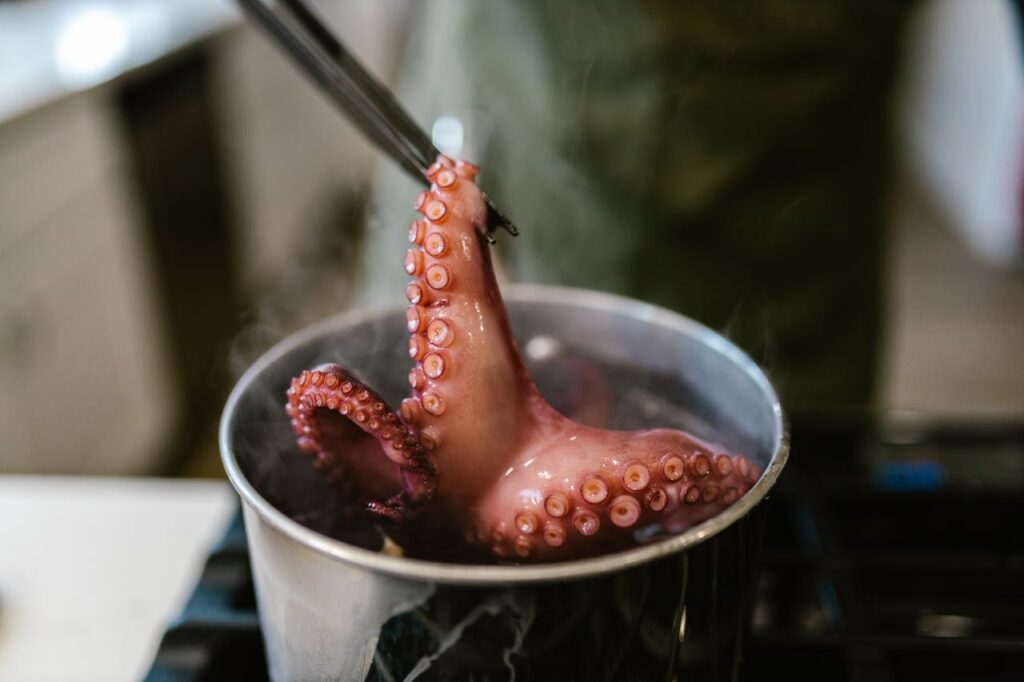
Sannakji is a traditional Korean dish where live octopus, often served whole or with its tentacles freshly cut, is presented to diners. The tentacles of the octopus continue to wriggle as they are eaten, and the suction cups on these tentacles can cling to the eater’s throat, posing a choking hazard. This dish is served with sesame oil and seeds, making for a truly unique and often dangerous culinary experience. The appeal of sannakji lies in the thrill of eating something still moving, a stark reminder of the freshness of the dish.
Ikizukuri
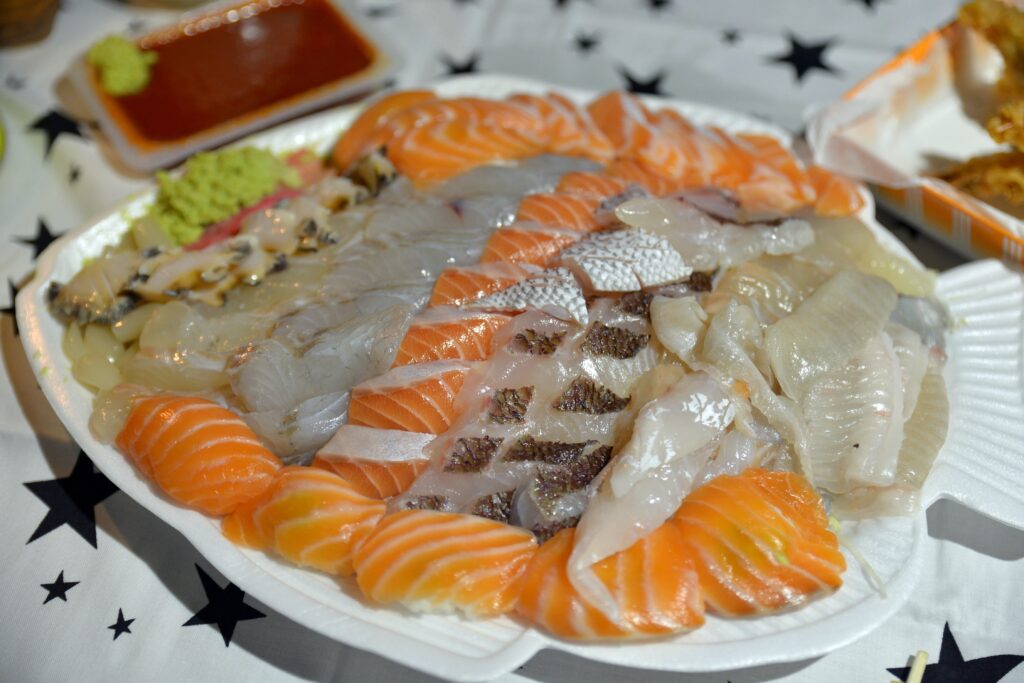
Ikizukuri is the practice of preparing sashimi from live fish. After a fish is selected, the chef slices off parts of its body, leaving it largely intact. The fish’s heart continues to beat, and its mouth moves as diners consume the freshly sliced pieces. The practice of eating a live fish in this manner is not only graphic but also raises significant ethical concerns about the cruelty involved in its preparation.
Frog Sashimi
In Japan, frog sashimi offers a macabre twist on the traditional raw fish dish. A live frog is taken from the kitchen, sliced open, and served immediately as sashimi. The real shock value comes when diners are presented with the still-beating frog heart, a disturbing yet sought-after ingredient in the dish. While the taste may vary, the ethical implications of consuming a frog in this way make it one of the most controversial culinary experiences.
Ricci di Mare
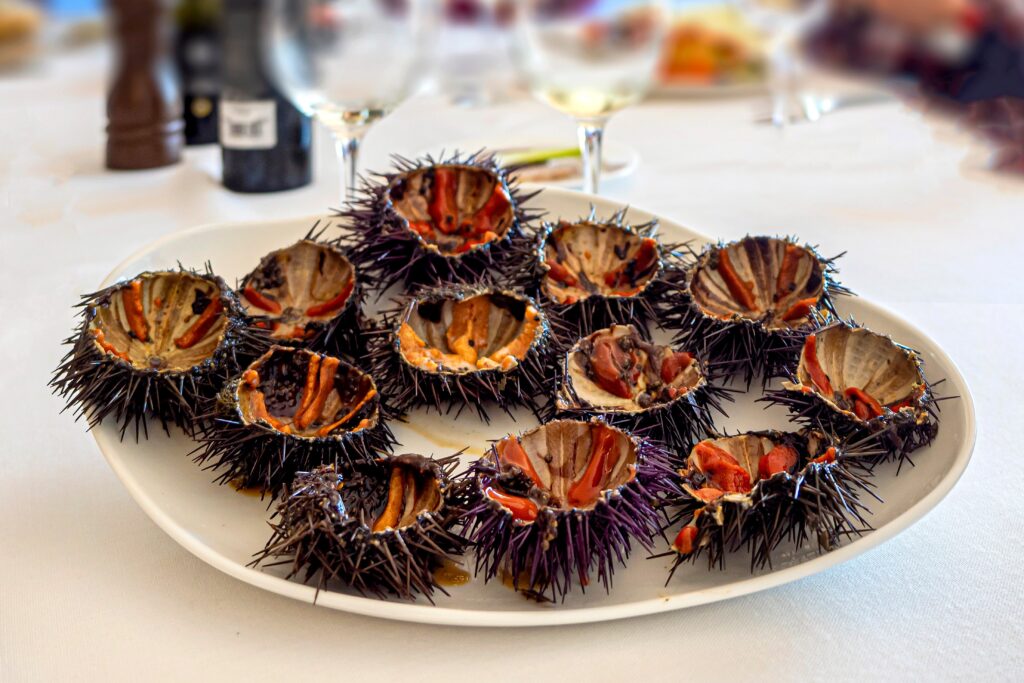
In Italy, particularly along the coastal regions, live sea urchins, or Ricci di Mare, are consumed immediately after being collected from the sea. The roe inside the urchin is considered a delicacy and is extracted using a special tool or scissors. Some enthusiasts prefer to lick the roe straight from the shell, making for an exciting yet risky dining experience. With the sharp spines of the sea urchin potentially causing injury, consuming these live creatures requires both skill and caution.
Odori Ebi
Odori Ebi is a type of sashimi that features baby shrimp served live. After the shell is removed, the shrimp is often still moving its legs and antennae as it’s eaten. In some variations, the shrimp is dipped in sake to render it more palatable, making it easier to consume. This dish is particularly popular in Japan, where it is seen as a symbol of freshness, with diners catching the shrimp before it has the chance to escape.
Casu Marzu
Casu Marzu is a traditional Sardinian cheese that undergoes a fermentation process involving live maggots. The larvae of the cheese fly are deliberately introduced into the cheese to break down its fat, making it soften and seep a liquid known as lagrima, or “teardrop.” While some people remove the maggots before eating, many enjoy the cheese with the larvae still inside, making it one of the most controversial foods in the world.
Drunken Shrimp
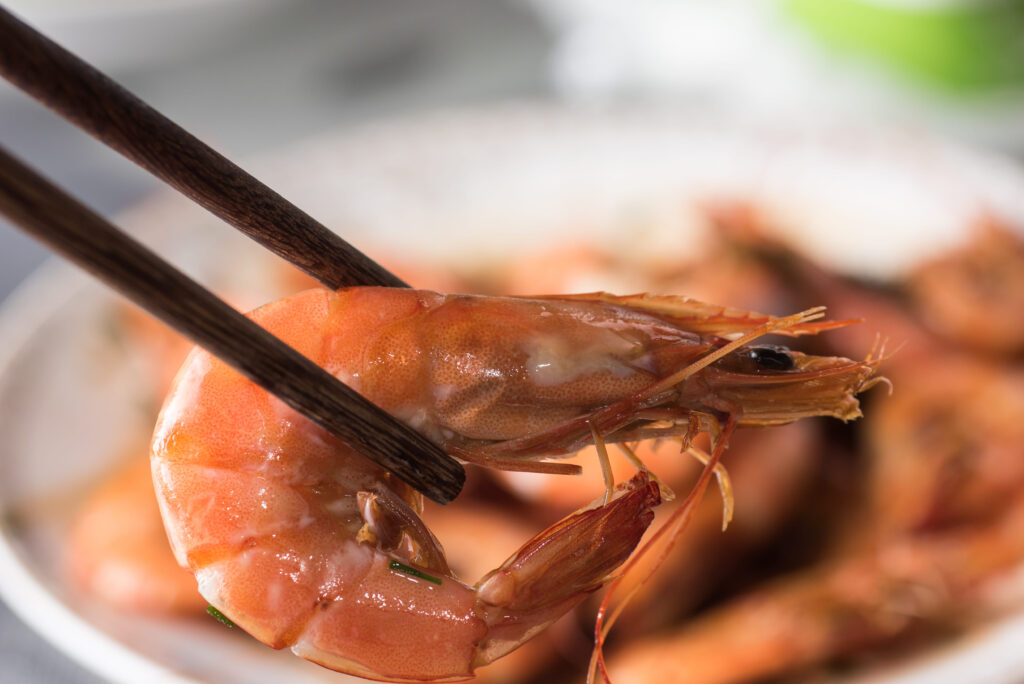
In China, the famous “drunken shrimp” dish involves serving live shrimp in a bowl of Baijiu, a strong alcoholic drink. The shrimp are still wriggling as they swim in the liquor, and diners must catch them and consume them before they escape. While the dish may seem unsettling, it has gained popularity for its intense freshness and the unique flavor imparted by the alcohol-soaked shrimp.
Ant Salad
At the renowned Noma restaurant in Copenhagen, diners can experience a unique dish: an ant salad. The salad is served with live ants that have been chilled to slow their movement, so they can crawl on the lettuce. The ants are said to taste like lemongrass, but their presence adds a strange, almost surreal element to the meal. This controversial dish pushes the boundaries of food and dining, offering a taste of the exotic and the unusual.
Ying Yang Yu
Ying Yang Yu is a unique Chinese dish in which a live fish is deep-fried, leaving only its head intact and still alive. The fish is served with a sweet-and-sour sauce, and diners can watch the head move as they eat it. This dish is served to showcase the fish’s freshness, but it has been controversial due to the animal’s distress and the ethical dilemma of consuming a creature still alive.
Oysters
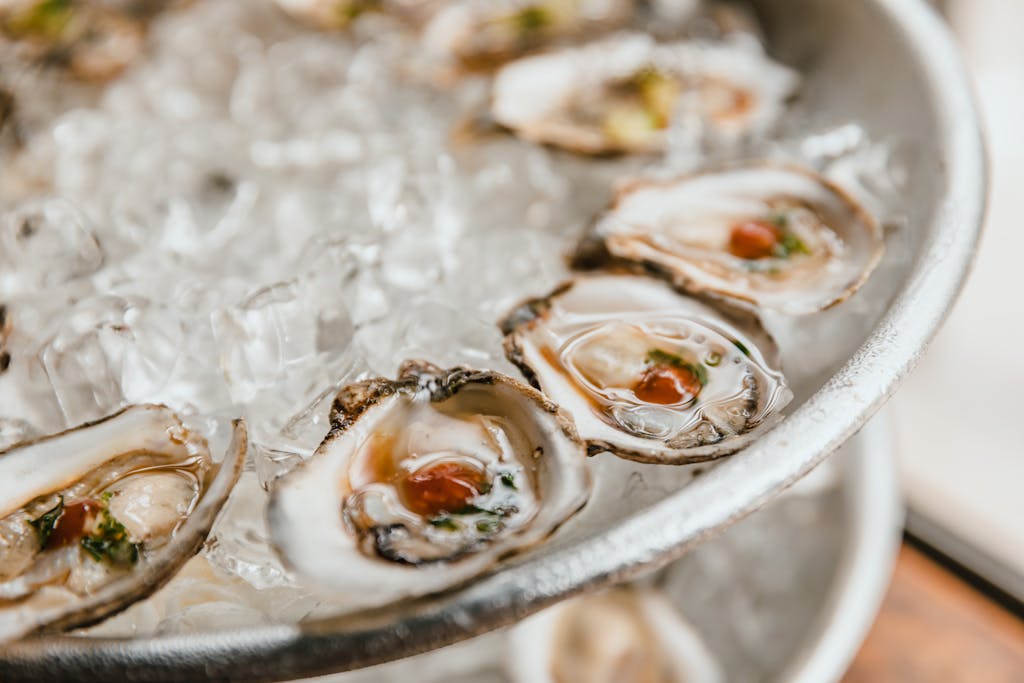
Oysters are one of the most commonly consumed live animals in the world. While many may not realize it, oysters are often eaten while still alive, as their flesh deteriorates quickly after death. They are typically consumed raw, straight from their shells, and their fresh, briny taste is what attracts many seafood lovers. Although less extreme than the other animals on this list, oysters remain a popular choice for those seeking a live dining experience.
Conclusion
The consumption of live animals is an unsettling practice that persists in various culinary traditions worldwide. While some may view it as a novelty or a display of culinary skill, others find it ethically troubling and inhumane. Regardless of where you stand, these dishes exemplify the extremes some cultures are willing to go to for the freshest possible food. Whether you are curious or repulsed, it is undeniable that these practices stir strong reactions, forcing us to confront the complex relationship between food and life.