Food plating plays a significant role in enhancing the dining experience, and a beautifully presented dish can elevate the enjoyment of the meal. However, many of us unknowingly make common plating mistakes that can detract from the overall visual appeal.
Whether you’re cooking for family or running a restaurant, here are 8 food plating and presentation mistakes you might be making – and how to avoid them for a more impressive presentation.
Overcrowding the Plate
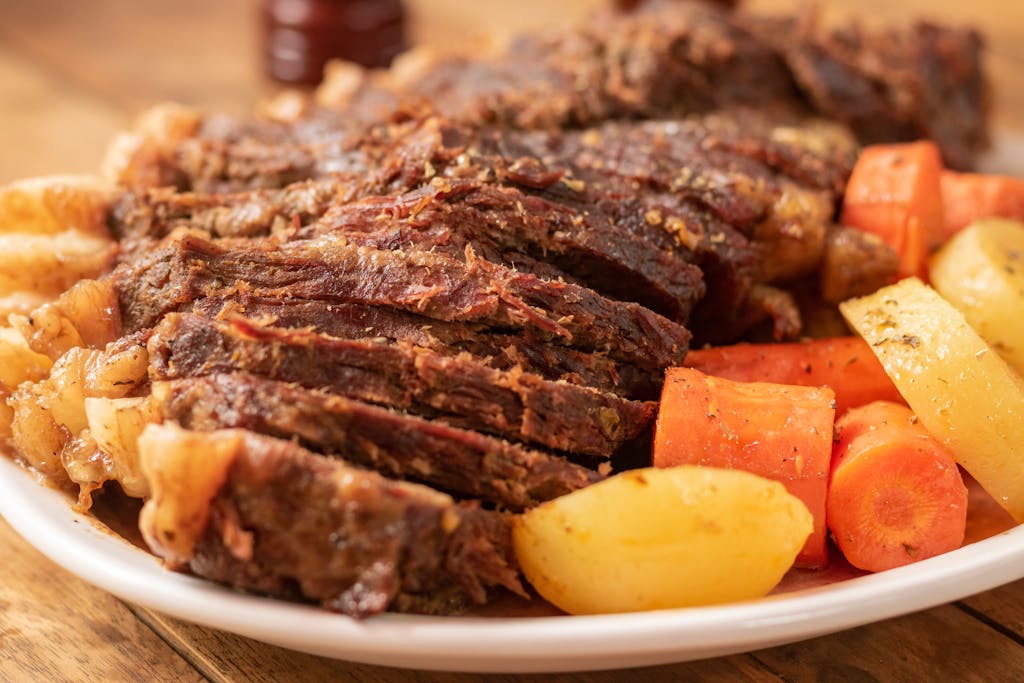
One of the most common mistakes is overcrowding the plate with too much food. While it may seem like serving more is better, a cluttered plate can make the dish look chaotic and unappealing.
When plating, try to leave some empty space so the food has room to breathe. This will not only improve the aesthetics but also allow the individual components of the dish to shine.
Neglecting Balance and Height
Balance and height are essential to creating an appealing plate. A flat, one-dimensional presentation can look uninspired, while a dish that is stacked too high can be difficult to eat. Instead, aim for a balance between height and spread.
Layers and textures should be considered to create visual interest, such as layering ingredients like a salad or stacking a burger neatly. A well-proportioned plate is not only easier to eat but also more enjoyable to look at.
Ignoring Color Harmony
Color is a crucial element in food presentation, but many people forget to pair colors thoughtfully. A dish with dull, similar-colored ingredients can appear unappetizing.
Instead, aim for a balance of contrasting and complementary colors that add vibrancy to the plate. For example, pairing green vegetables with red peppers or adding a bright orange sauce to a dish with earthy tones can instantly make it more visually appealing.
Using Too Many Garnishes

Garnishes can add visual appeal and flavor, but overloading the plate with too many can clutter the dish and detract from the main ingredients. It’s important to keep garnishes simple and purposeful.
A few fresh herbs, a sprinkle of cheese, or a small edible flower can work wonders without making the plate look overcrowded. Always ensure that garnishes enhance the dish, not distract from it.
Inconsistent Portion Sizes
Serving inconsistent portions can create an imbalance and leave diners feeling dissatisfied. Whether you’re plating pasta, meat, or a salad, it’s important to ensure that each portion is uniform and generous.
This consistency provides a sense of fairness and makes the meal appear more professional, especially in a restaurant setting where presentation is key.
Choosing the Wrong Plate
The plate you choose can make or break the presentation of your dish. For example, a delicate sushi roll served on a large, deep plate will not look as elegant as it would on a smaller, flat plate designed for sushi.
Always choose a plate that complements the style and size of the dish. For formal dishes, white plates often work best, but for more casual meals, colorful or textured plates can enhance the overall theme.
Forgetting to Clean the Plate Edges
The small details matter, especially when it comes to food presentation. Leaving sauce smudges or food particles on the edge of the plate can detract from an otherwise beautifully plated dish.
Before serving, always take a moment to wipe the edges of the plate clean to ensure a neat, polished presentation. Clean edges give the plate a more refined and professional look, making it much more appetizing.
Overusing Sauce
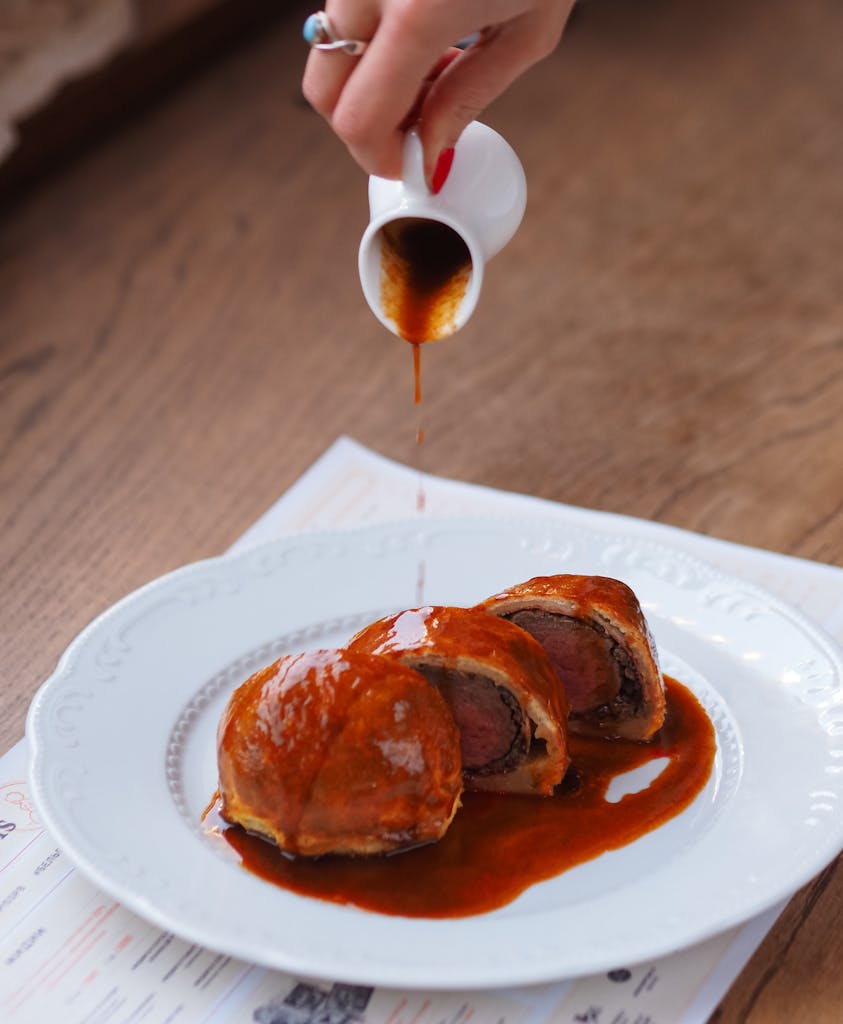
Sauce can elevate a dish, but when it’s used excessively or sloppily, it can overshadow the food. Pouring sauce directly onto the food without finesse can create a messy, unappealing presentation.
Instead, use a spoon, squeeze bottle, or brush to carefully drizzle or artfully arrange the sauce around the food. This ensures that the sauce complements the dish rather than dominating it.