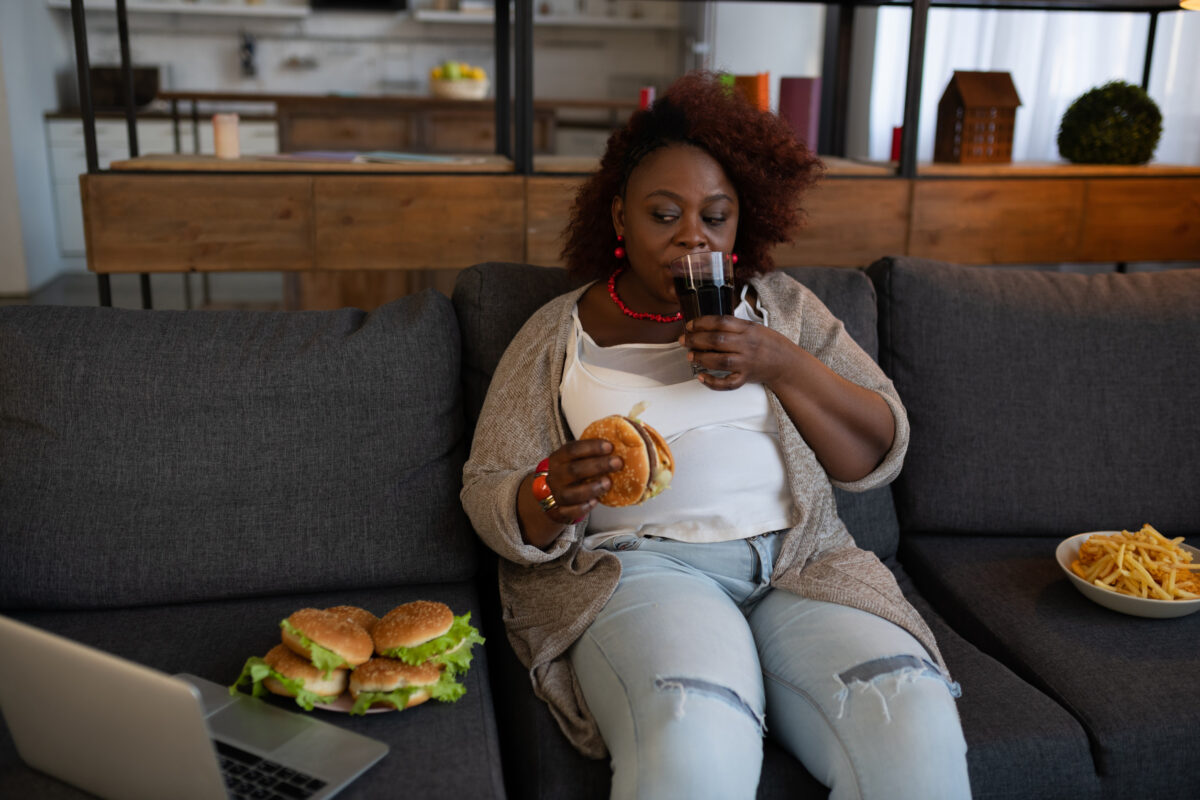
You can buy blackout curtains, play white noise, and put your phone face down at 10 p.m., but one bad bedtime snack can still wreck the plan. Sleep is not just about what happens in your bedroom. It is also shaped by what lands on your plate in the hours before bed. Adults are generally advised to get at least seven hours of sleep, yet millions fall short, and diet is one of the easiest habits to overlook. Many common foods can quietly sabotage rest, and the science behind that warning is hard to ignore. Caffeine can block adenosine, the brain chemical that helps build sleep pressure, while reflux-triggering and high-fat foods can keep the body too busy and uncomfortable to settle down.
Chocolate
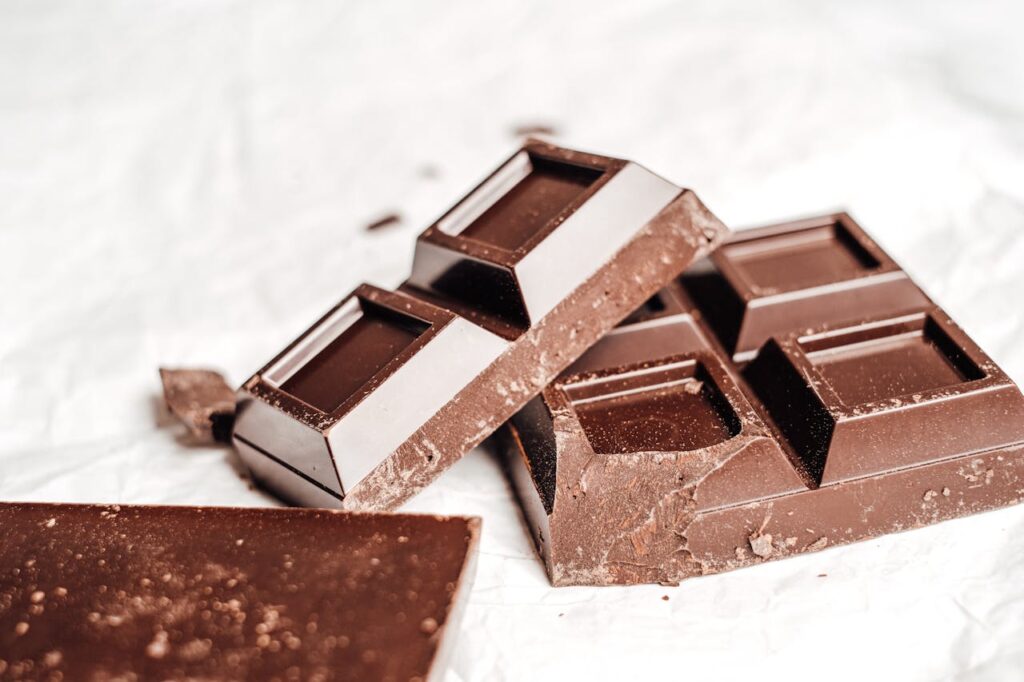
Chocolate feels innocent because it is small, sweet, and easy to reach for after dinner. The problem is that it often brings a one-two punch of caffeine and sugar right when your body should be easing into rest mode. Even if it doesn’t hit as hard as coffee, caffeine can still delay sleep by blocking adenosine, and added sugar may leave you feeling more alert than calm. Dark chocolate can be even trickier because it often contains more caffeine than many people expect. A square or two earlier in the day is one thing, but turning chocolate into a nightly bedtime ritual can make falling asleep harder than it needs to be.
Spicy dishes
Spicy food has fans for good reason, but bedtime is not when it shines. Hot peppers, chili-heavy sauces, and fiery late dinners can trigger indigestion and intensify heartburn, especially if you eat and then lie down soon after. That creates the kind of chest and stomach discomfort that keeps the body alert when it should be winding down. Some people handle spice better than others, but if you routinely wake up uncomfortable after dinner, this is one of the first things worth testing. A milder evening meal can make a bigger difference than most people expect.
Caffeinated tea

Tea gets a health halo that sometimes makes people forget one basic fact: many teas still contain caffeine. A warm mug after dinner feels soothing, but black tea, green tea, and some blends can keep the brain on standby longer than you realize. That matters even more for people who are caffeine-sensitive or already struggling with light, broken sleep. If you want the comfort of a nighttime cup, decaf herbal options make far more sense. Chamomile may not solve every sleep issue, but it will not fight your sleep drive the way a caffeinated brew can.
Carbonated drinks
Fizzy drinks can be sneaky sleep disruptors, as the issue isn’t always caffeine or sugar. Sometimes it is the bubbles. Carbonated beverages can add gas to the digestive system, which may lead to bloating, belching, and that restless, uncomfortable feeling that makes it hard to settle in bed. If the drink also contains caffeine, the problem gets worse fast. Even sparkling water can be a bad bedtime choice for people who already deal with bloating or reflux.
Cheese
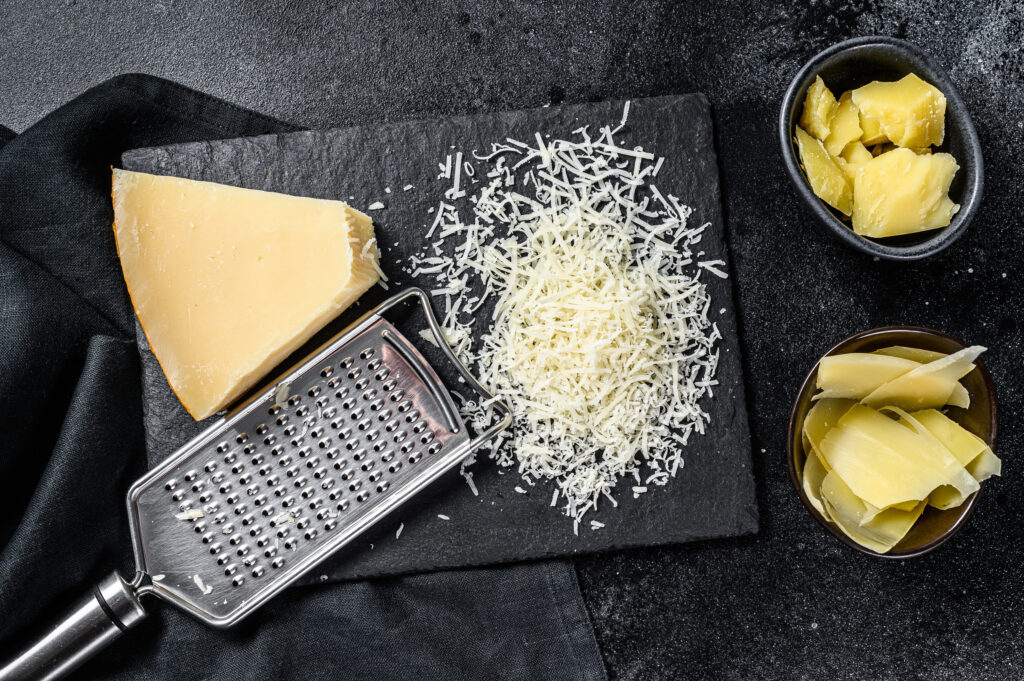
Cheese has a reputation as a cozy evening snack, especially on crackers or tucked into a late sandwich. But rich cheeses can cause digestive discomfort, and for some people, they can trigger acid reflux that worsens when lying down. Aged cheeses may also contain tyramine, a compound linked to the release of norepinephrine, which can leave the brain more stimulated than sleepy. That does not mean cheese is bad across the board. It just means timing matters. A cheese board at 9:30 p.m. is a very different idea from cheese at lunch.
Citrus fruits
Fruit sounds like the smart choice at night, but citrus can be a rude surprise. Oranges, grapefruit, lemons, and limes are acidic, and their acidity can aggravate reflux symptoms in people prone to heartburn. Once you lie down, that burn can feel even more noticeable and far more disruptive. Some people also find citrus irritating to the bladder, which can mean more overnight bathroom trips and less uninterrupted rest. If you want something fresh after dinner, lower-acid fruits like bananas or pears are often a gentler call.
Alcohol

This one fools people all the time. Alcohol can make you feel drowsy at first, which is exactly why so many people think a nightcap helps. But sleep researchers have shown that alcohol disrupts sleep architecture, especially later in the night, and can reduce sleep quality even if you fall asleep faster. In plain English, it can knock you out and still leave you sleeping badly. That is a brutal trade. If your goal is deep, steady rest rather than a quick fade-out, alcohol is a lot less helpful than its reputation suggests.
Ice cream

Ice cream wins on comfort and loses on timing. It is high in saturated fat and often high in sugar, both of which can work against restful sleep. High-fat foods can sit heavily in the stomach and worsen reflux or general digestive discomfort, which is the opposite of what you want before bed. Research has also linked higher saturated fat intake with more insomnia symptoms. That does not mean dessert is banned forever. It just means a big bowl of ice cream at bedtime may be setting you up for a restless night instead of a sweet one.
Conclusion
The common thread here is simple: foods and drinks that stimulate the brain, irritate digestion, or trigger reflux tend to be terrible bedtime companions. If sleep has been feeling fragile lately, you may not need a dramatic life overhaul. You may just need to stop giving your body a late-night obstacle course. Try keeping the last couple of hours before bed lighter, lower in caffeine, and easier on the stomach. Sometimes, better sleep starts less with a miracle product and more with skipping the wrong snack at the wrong hour.