We all like to think that tossing a bottle in the recycling bin is an act of everyday heroism. That little triangle symbol feels like proof we are doing our part for the planet, a small win in our busy lives.
Understanding the myths behind recycling is crucial because misconceptions can lead to ineffective waste management and false confidence in recycling efforts.
Plastic Bags Belong in the Bin
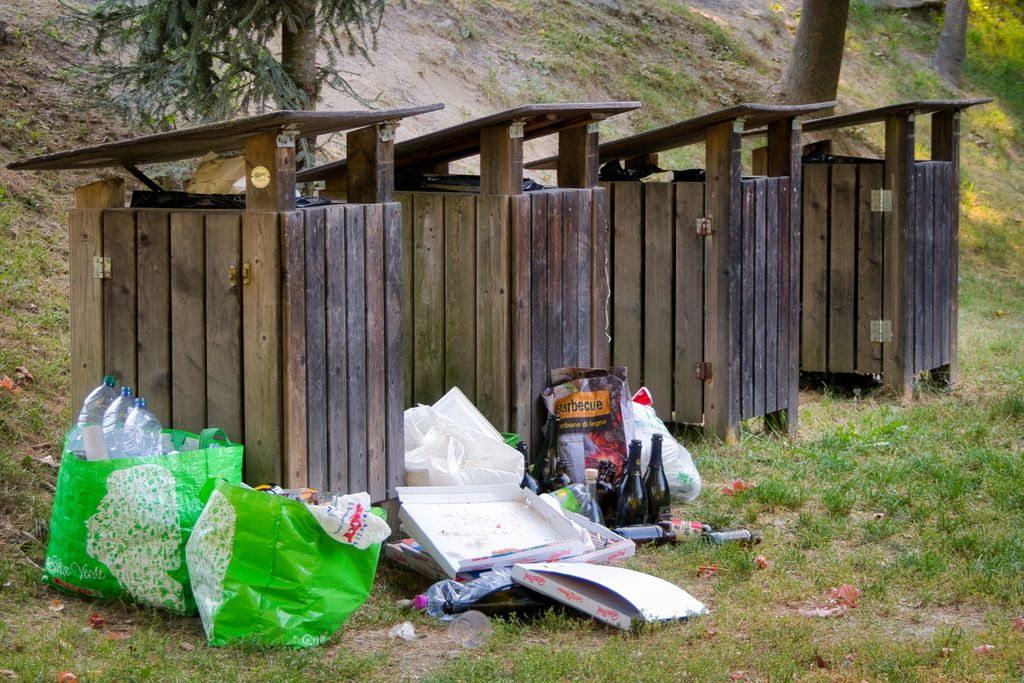
Thin, flexible plastics like grocery bags and wrappers often cause more harm than good in curbside systems, as they can clog machinery and pose safety hazards.
These items require special drop-off programs at stores or dedicated recycling centers. Throwing them in your bin can shut down machinery, force manual removal, and contaminate other plastics, turning your small effort into a larger problem.
All Plastic Has a Market
Plastic is not a single, interchangeable material; only a few types, like clear PET bottles and HDPE jugs, reliably find a market, underscoring the system’s limitations.
Other plastics, including multi-layer packaging, colored bottles, and mixed-material containers, often have little demand. Even after collection, these plastics may sit in warehouses or be downcycled into low-grade products rather than being reborn as new containers.
Facilities Accept Everything

Recycling plants are not designed to handle uncertainty. Machinery is built to process specific materials, and unusual or contaminated items can slow operations, damage equipment, and reduce efficiency.
Wishful recycling, where we throw in everything that “might” be recyclable, can actually hurt the system. It increases costs and the risk that otherwise useful plastics are rejected and landfilled.
Plastics Can Be Recycled Forever
Many people imagine plastics being endlessly reborn, but in reality, repeated recycling weakens materials. This knowledge can inspire you to reduce plastic use and prevent unnecessary degradation.
Downcycling is common, turning bottles into park benches, piping, or textiles rather than new containers. While this extends the material’s life, it is not the closed-loop system most people envision.
The Arrows Guarantee Recycling

Those familiar chasing arrows are widely misunderstood. Many people assume they signal automatic recycling, but they actually identify the type of plastic resin.
Your local recycling facility may accept only certain types of plastics, and a symbol on a container does not override local limitations. Recognizing these limits helps you make informed choices and feel more responsible for your waste.
Recycled Plastic Is Always Better Than New
Economics play a huge role in recycling. Recycled plastics must compete with new plastics made from cheap oil and gas. When virgin materials are cheaper, recycled options may never find a buyer.
This is why some plastics, even if collected and processed, never return to consumer products. Good intentions do not guarantee a functional, circular outcome in a system driven by market forces.
Blue Bins Solve Everything
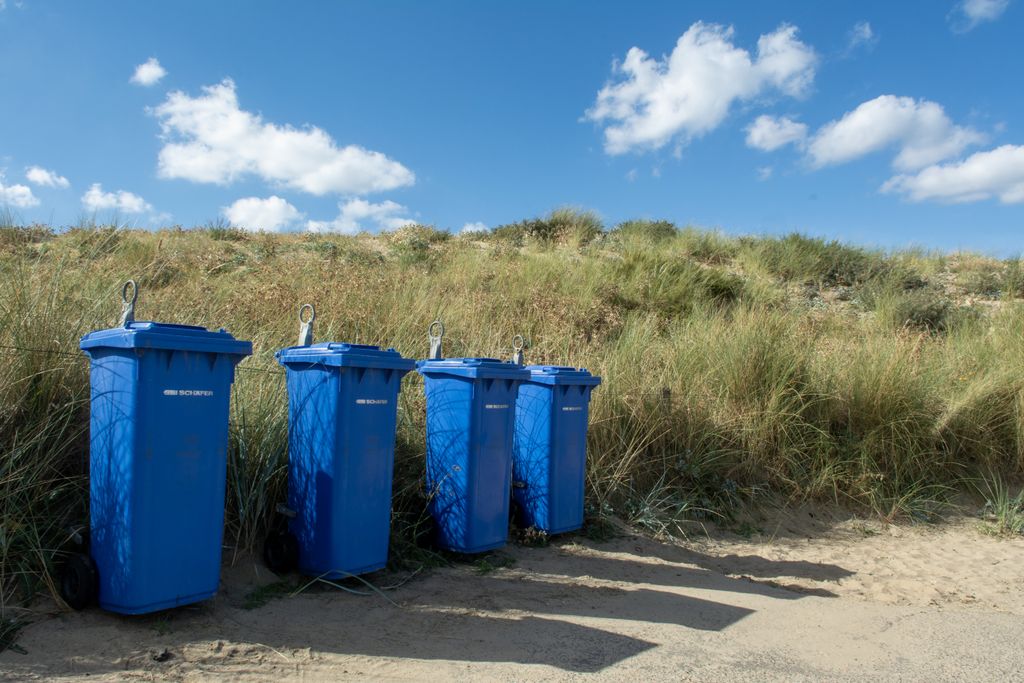
Placing a plastic item in your blue bin feels responsible, but curbside recycling is just the first step. Once plastics leave your home, they must be collected, transported, sorted, cleaned, and sold to manufacturers.
Any contamination, from leftover food to mixed materials, can render an item non-recyclable. That means a bottle you carefully rinsed might still never reach a processing facility, turning your good intentions into wasted effort.
Conclusion
Plastic recycling is useful, but it is not a miracle solution. Understanding the limitations, avoiding wishful tossing, and prioritizing reduction and reuse are essential for making a real difference.
The key is to be intentional about what you buy, how you dispose of it, and which plastics your city can truly process. Awareness, more than convenience, is the most powerful tool in tackling plastic waste.