Traveling for work sounds glamorous, but the reality often involves hauling around gadgets that end up collecting dust. Many products are marketed to digital nomads as “must-haves,” yet in practice, most see little real use outside the first few days. Knowing what to actually leave behind can save space, money, and frustration while still keeping your remote work running smoothly.
Overpacked tech bags, multiple chargers, and specialty devices can become more of a burden than a benefit. Instead of chasing the latest high-tech hype, focus on essentials that actually make a difference. Below, we explore nine popular digital nomad gear items that rarely justify their purchase, and why most remote workers never reach for them.
Overly Large Power Stations
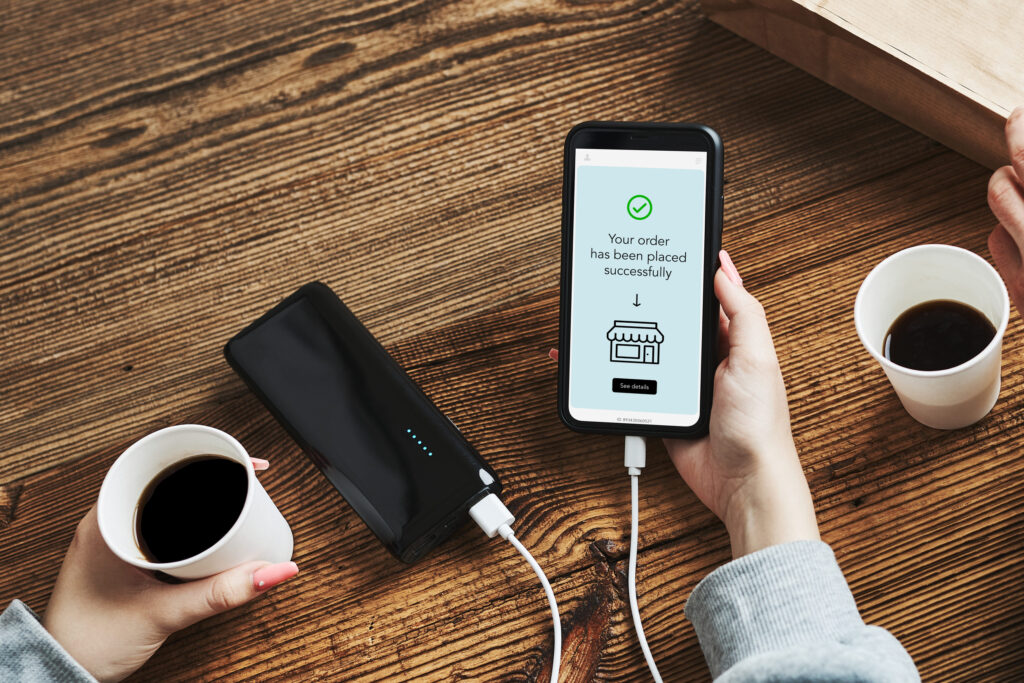
While portable power banks are crucial for keeping phones and laptops charged, massive 300+ watt-hour power stations are rarely practical. They’re heavy, airline-restricted, and often unnecessary for most travelers. Unless you’re van-living or working in off-grid locations for weeks at a time, a 20,000–27,000mAh bank will cover your devices far more efficiently.
Many digital nomads find themselves using only a fraction of the huge power capacity. Lugging around extra weight slows you down and fills luggage limits without any real benefit. Lightweight, compact chargers usually outperform these behemoths for day-to-day travel.
Digital Translators and Translation Earbuds
While AI translation tools are helpful in rare situations, most digital nomads rarely use dedicated translators or translation earbuds. Free apps on smartphones can translate text, voice, and even live camera feeds.
Carrying a separate translator is redundant, adds weight, and requires charging. Most travelers only need translation features for menus, signage, or occasional conversations, which a phone app can handle in seconds.
Bluetooth Luggage Trackers
Bluetooth luggage trackers are marketed as essential for lost bags, but in reality, they’re underused. Airlines often do not support active tracking for checked baggage beyond basic scanning updates, and the tracker’s Bluetooth range is limited.
For carry-on bags, most travelers never need one because the item stays close. Spending $30–50 for a tracker that only occasionally helps isn’t worth it for the average nomad. Insurance and careful packing often provide better peace of mind.
Foldable Ergonomic Keyboards
Foldable keyboards are promoted as a travel necessity, yet few digital nomads use them consistently. Typing directly on a laptop or tablet is often faster than unpacking and pairing a keyboard, especially for short stints at cafés or coworking spaces.
Even when ergonomics matter, a portable laptop stand can achieve the same effect without extra gadgets. Foldable keyboards are ideal for long-term desk setups but are overkill for weekend trips or short work sessions.
Dedicated External Webcam Kits
Compact webcams with LED lights and microphones are great for studio setups, but overkill for mobile work. Laptop cameras and built-in mics handle video calls sufficiently for most meetings.
These kits require extra space, cables, and setup time, yet rarely improve call quality dramatically in casual coworking spaces or hotel rooms. Unless video production is your core work, leaving the webcam kit at home won’t hinder productivity.
Specialty Travel Routers
Travel routers promise secure Wi-Fi in every hotel or rental, but most locations already have reliable networks. Many digital nomads skip routers entirely and rely on phone hotspots or eSIM data. Purchasing a router adds weight, complexity, and an extra device to charge and manage.
Unless you routinely work with sensitive client data in areas with unreliable or unsecured Wi-Fi, a router is often wasted. VPN apps combined with eSIM data plans usually meet security needs without an additional device.
Noise-Canceling Over-Ear Headphones

Over-ear noise-canceling headphones are frequently touted as essential for productivity, but most nomads don’t need them. Compact earbuds with ANC offer similar noise reduction while taking up less space. Over-ear models can get hot, bulky, and uncomfortable during long flights or café work sessions.
Unless you spend hours on airplanes every week, a lightweight set of ANC earbuds will serve you far better. They provide clear call quality, cancel moderate background noise, and fold neatly into a bag.
High-End Digital Translators With AI
Some devices offer AI-based translation, support 70+ languages, and promise real-time communication. Yet most digital nomads barely need 10 languages, and free apps like Google Translate cover the same tasks.
Spending hundreds of dollars on a translation device that’s only used once or twice is inefficient. Smartphones remain the most versatile and cost-effective devices for translation, camera scanning, and voice assistance.
Bulky Cable Organizers and Hub Accessories
Cable organizers and USB-C hubs are sold as essentials, but nomads often overpack them. Most trips require only one or two key cables for charging and data transfer. Extra hubs and specialized adapters sit unused, taking up valuable bag space.
Smart travelers bring a single universal adapter, one USB-C cable, and a backup for emergencies. Anything beyond that rarely gets opened during short- to medium-term travel.
Key Takeaways
Many digital nomad gadgets are marketed as “must-haves” yet rarely justify their cost or weight. Overly large power stations, specialty routers, translation devices, foldable keyboards, and webcam kits often sit unused. By prioritizing lightweight, multi-functional tech and leaving nonessential gear behind, remote workers can travel smarter and more efficiently.
The most valuable approach is to focus on the essentials: a reliable laptop, a compact power bank, earbuds, an eSIM or hotspot, and basic backup storage. Every additional gadget should earn its place by solving a real, daily work problem.
Question: Which of these overhyped gadgets have you actually used on your trips, and which ended up gathering dust in your backpack?