Garlic has long been hailed as a superfood, celebrated for its potential to support health in many ways. While it isn’t a miracle cure for every ailment and has some limitations you should know about, its benefits are still impressive when understood clearly. Below are five expanded points on how garlic affects your body and why it’s worth using in your meals, along with the caveats you should consider.
It Can Boost Your Immune Defense, but It’s Not a Magic Shield
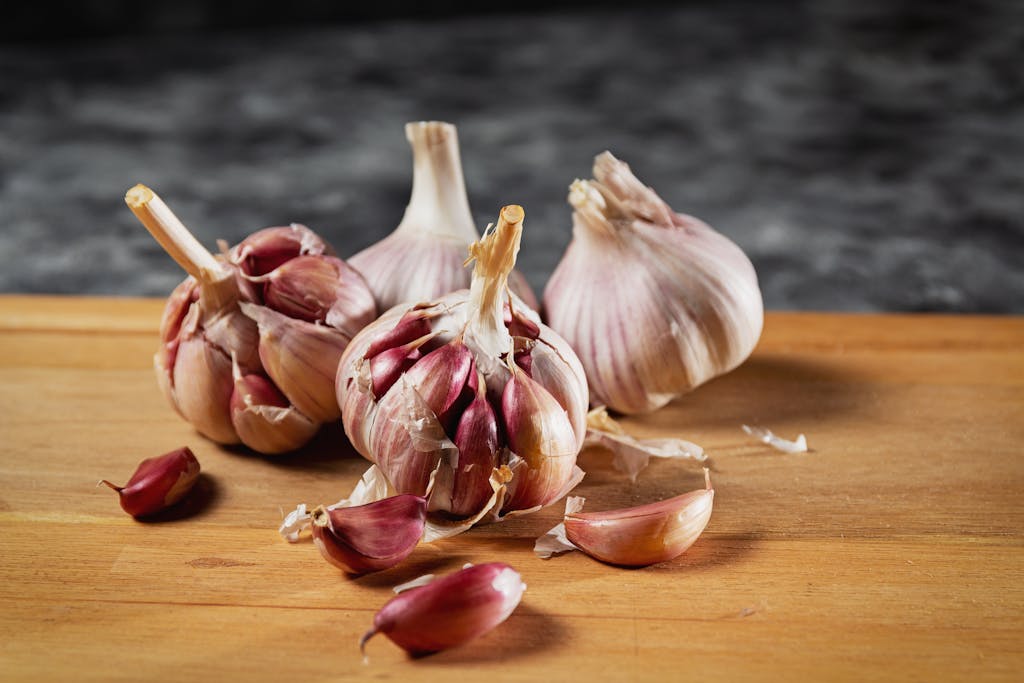
Garlic has been used for centuries to help fend off infections and strengthen the body’s defenses. Its pungent aroma comes from sulfur‑containing compounds, especially allicin, which are believed to have antimicrobial and antiviral properties. These compounds may help your immune system respond more effectively to viruses and bacteria, potentially reducing the severity or duration of common illnesses such as colds and flu. People who include garlic regularly in their diet often report fewer sick days during cold and flu season.
At the same time, garlic isn’t a substitute for vaccines, hygiene measures, or medical treatments, and its protective effects are generally modest. Some people may be sensitive to garlic, especially in large amounts, so start with small servings and monitor how your body responds.
Heart Health Support Comes With Conditions
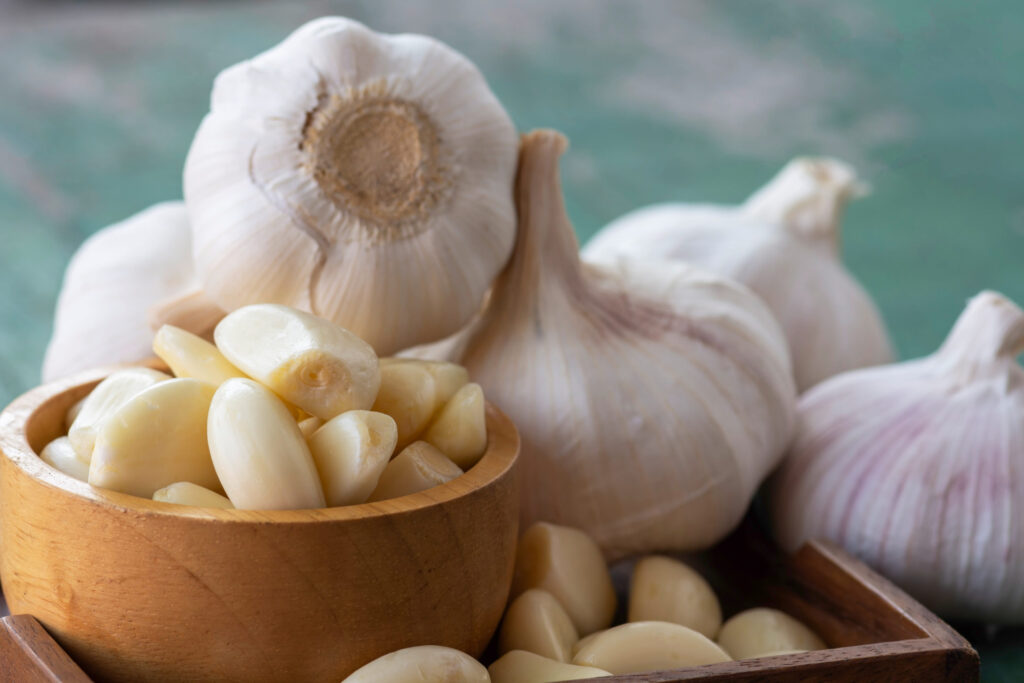
One of the most touted benefits of garlic is its contribution to cardiovascular health. Research indicates that compounds in garlic may help lower both blood pressure and LDL (often called “bad”) cholesterol when consumed regularly. These effects can reduce strain on the heart and arteries, potentially lowering the risk of heart disease over time. For many people, adding garlic to their food is an easy way to support heart health without relying solely on supplements or medications.
However, these benefits vary widely among individuals and are more pronounced when garlic is part of a balanced diet rather than taken as a standalone treatment. In some cases, garlic supplements interact with blood‑thinning medications or prescribed treatments for hypertension and should be used cautiously. Consulting a healthcare provider before beginning high‑dose garlic supplementation is important, particularly for anyone with existing heart conditions or taking related medications.
Antioxidants in Garlic Help Reduce Oxidative Stress
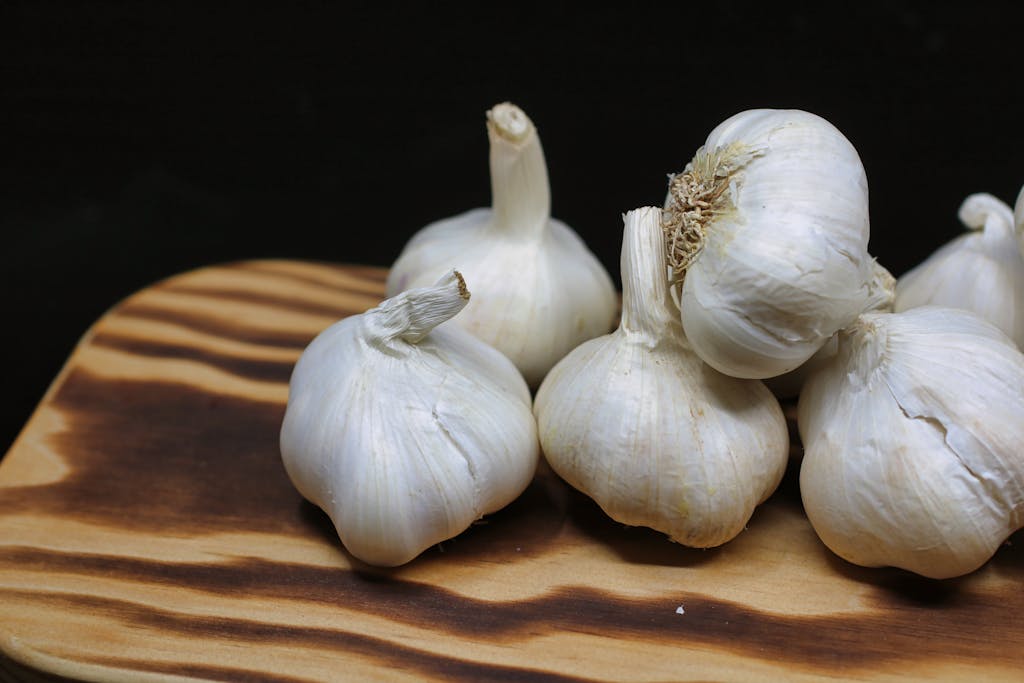
Garlic is rich in natural antioxidants, molecules that help neutralize harmful free radicals in the body. Free radicals are unstable compounds that can contribute to inflammation, cellular damage, and long‑term health conditions if unchecked. By counteracting oxidative stress, garlic’s antioxidant profile may support overall cellular health and reduce inflammation, a contributor to chronic diseases such as arthritis and some age‑related disorders.
Still, the extent of this benefit depends on how much garlic you eat and how it’s prepared. Cooking can diminish the potency of some of the most potent antioxidant compounds unless garlic is crushed and allowed to rest before heating. While antioxidants in garlic are a bonus, they’re most effective when paired with a diet rich in fruits, vegetables, whole grains, and other nutrient‑dense foods.
It May Improve Blood Sugar and metabolic health, but with limits.
Some evidence suggests that garlic may help support healthy blood sugar levels. Compounds in garlic may improve insulin sensitivity and help regulate glucose metabolism, which could be helpful for people managing prediabetes or type 2 diabetes. Including garlic as part of a wholesome diet may offer incremental support for blood sugar control, contributing to better overall metabolic health.
That said, garlic should not replace medical management of diabetes or other metabolic disorders. Its effects are subtle and generally seen as complementary rather than central to glucose control strategies. People with sensitive stomachs may find that raw garlic irritates the digestive tract, so incorporating it into cooked dishes or reducing daily intake can help reduce discomfort while still providing benefits.
It Supports More Than One Aspect of Well‑Being, But Isn’t Without Downsides
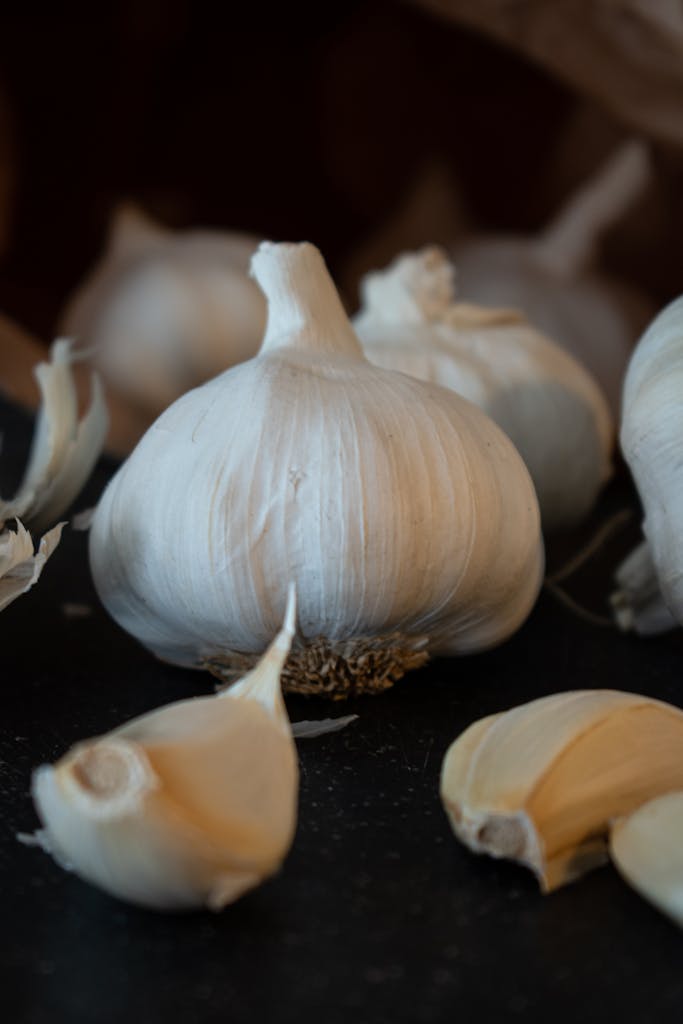
Beyond immunity and heart health, garlic may also influence gut health, detoxification, and even brain health. Some research links regular garlic consumption to better gut microbiome diversity, which supports digestive and overall well‑being. Antioxidants in garlic might also help protect brain cells from oxidative damage, potentially contributing to long‑term cognitive health.
At the same time, garlic is not without potential downsides. For some people, especially those with sensitive digestive systems, raw garlic can cause heartburn, gas, or irritation. High doses of garlic supplements carry a risk of interfering with certain medications, particularly blood thinners, and may increase bleeding risk in some individuals. Breath odor and body odor are common and unavoidable side effects of consuming garlic in significant amounts.
How to Eat Garlic for the Best Benefits
To maximize garlic’s positive effects while minimizing drawbacks, follow a few practical tips:
- Crush or Chop Before Cooking: Crushing garlic activates its beneficial compounds. Letting it sit for about 10 minutes before cooking can enhance its nutritional value.
- Use in Meals, Not Just Supplements: Fresh garlic in soups, sauces, salads, and dressings provides nutrients and flavor without the risk of concentrated supplement side effects.
- Start Small: If you have digestive sensitivity, begin with 1 small clove per day and increase gradually as tolerated.
- Mind Medication Interactions: If you take blood thinners or have a bleeding disorder, check with a doctor before upping your garlic intake.
- Pair with a Balanced Diet: Garlic is most beneficial when paired with a varied diet rich in whole foods rather than a single “health fix.”
Conclusion
Garlic is far more than a flavorful addition to your favorite dishes. It contains powerful compounds that may support immune function, lower certain cardiovascular risks, reduce oxidative stress, and contribute to metabolic health. While it’s not a one‑size‑fits‑all cure and comes with caveats, especially for certain medical conditions, incorporating garlic into your meals can be a simple, tasty way to boost your overall well‑being. The key to unlocking its potential lies in consistent use, understanding its effects on your body, and pairing it with a balanced lifestyle that prioritizes whole foods and healthy habits.