Florida markets itself as paradise, sunshine, beaches, theme parks, and endless summer. Social media paints it as the ultimate lifestyle destination, promising luxury, opportunity, and fun around every corner. But for renters, the glossy image is a dangerous mirage. Behind palm trees and ocean views lies a housing market that is expensive, unstable, and uniquely punishing. Families, young professionals, retirees, and long-term residents are discovering that living in the Sunshine State feels like juggling financial bombs with every paycheck.
Recent studies have cemented Florida’s reputation as the worst state in America for renters. This ranking isn’t just about high rent; it reflects affordability, weak tenant protections, investor-driven housing markets, tourism pressures, transportation burdens, and even climate vulnerabilities. For millions of residents, Florida has become a state where maintaining basic housing feels like a never-ending battle.
Rent Consumes More Than a Third of Income

The numbers are stark. Florida renters spend 37.4% of their income on housing, well above the generally accepted 30% threshold for affordability. For many households, this is not just a minor inconvenience; it’s a structural squeeze on every aspect of daily life.
High rent forces difficult trade-offs. Families skip medical appointments, cut back on groceries, delay car repairs, and often rely on credit to make ends meet. Rent is no longer a line item in a budget; it is the defining factor that shapes every financial choice a household makes.
Tourism and Short-Term Rentals Inflate Costs

Florida’s tourism economy is a double-edged sword. Cities like Miami, Tampa, Orlando, and Key West thrive on vacationers, cruise passengers, and seasonal residents. Short-term rental platforms and luxury vacation units drive demand, inflating the cost of long-term rental units.
The effect is clear: a unit that might have been affordable for a local resident can be priced out of reach because investors can earn higher returns from tourists. Local renters find themselves competing against transient populations with deep pockets, forcing ordinary families to stretch their budgets to the breaking point.
Corporate Investors Are Buying Up Housing
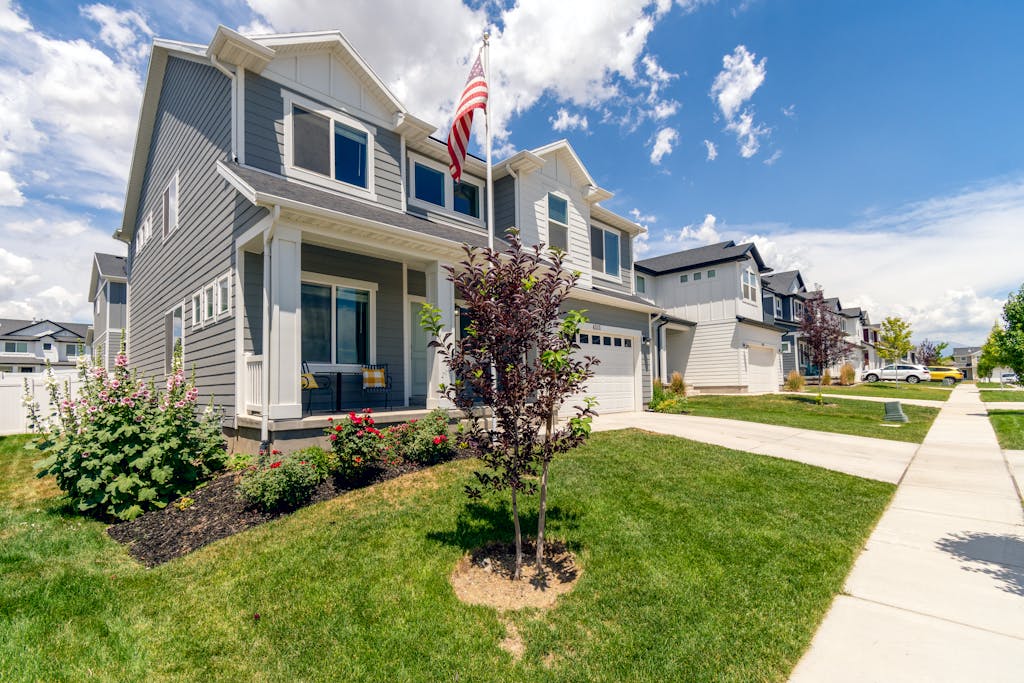
Investors and corporate landlords have increasingly dominated Florida’s rental market. Multi-family units are bought, renovated, and converted into luxury apartments with pools, gyms, concierge services, and high-end finishes.
While these upgrades may appeal to wealthier newcomers, they exacerbate the crisis for working-class residents. Affordable housing becomes scarcer as older, simpler units are replaced by high-cost developments that push long-time residents into less desirable neighborhoods or force them to leave altogether.
Transportation Costs Compound the Problem

High rents in city centers push renters farther from jobs, schools, and essential services. This adds commuting time, fuel costs, and stress to an already precarious financial situation.
A family might save a few hundred dollars per month by moving to a cheaper suburb, only to spend far more on transportation, childcare, or time lost in traffic. Housing decisions are no longer about comfort; they are about survival and logistics, further reducing quality of life.
Seasonal Residents Skew the Market
Florida attracts “snowbirds” and other temporary residents, creating spikes in demand that drive rents higher during peak months. Short-term and vacation-focused rentals distort pricing for year-round residents, creating inequities in neighborhoods that were previously accessible.
Full-time residents find themselves squeezed by a system that favors temporary wealth. Seasonal fluctuations make the market volatile, with renters uncertain whether prices will spike mid-year or remain tolerable.
Weak Tenant Protections Leave Renters Exposed
Florida’s legal framework favors landlords. Evictions can proceed quickly, rent increases are minimally regulated, and local governments are restricted from implementing stronger tenant protections.
This lack of safeguards puts renters in a constant state of insecurity. Even small lease violations, delayed payments, or misunderstandings can trigger eviction proceedings. Tenants carry nearly all of the risk while landlords retain the power, leaving families anxious and vulnerable.
Climate and Natural Disaster Risks Add Hidden Costs
Florida is highly vulnerable to hurricanes, flooding, and extreme weather. Renters in affected areas face higher insurance premiums, potential displacement, and damage to personal property.
The housing challenge is compounded by environmental risk. Residents may pay inflated rent for units with minimal protection from storms or may need to budget for costly evacuation and recovery measures. Housing instability in Florida is not just financial; it is existential.
Health and Social Impacts Are Severe
High rent pressures take a toll beyond finances. Stress, anxiety, and sleep disruption are common among renters who feel trapped. Families often compromise on nutrition, medical care, or recreational activities to meet housing costs.
Mental health, child well-being, and social stability are all affected. A financially stretched household struggles to plan for emergencies, invest in education, or participate in community life, creating a broader societal impact from the rental crisis.
Long-Term Financial Consequences
Excessive rent prevents wealth accumulation. Many renters in Florida are trapped in cycles that prevent saving for a home, retirement, or emergencies. Financial mobility is stifled, leaving residents dependent on increasingly inaccessible rental markets.
The crisis is generational. Young adults, families, and even retirees find their options limited, with fewer opportunities to build financial security or establish long-term roots. For a state famed for opportunity, the reality is harsh: housing instability is now a defining feature of daily life.
Florida’s “Dream” Feels Out of Reach
Sunshine, beaches, and opportunity are no longer enough. Renters in Florida face soaring costs, minimal protections, investor-driven luxury conversions, tourism pressures, commuting burdens, seasonal market distortions, climate risks, and long-term financial insecurity.
The state’s ranking as the worst state for renters is not just a statistic; it is a warning. Paradise comes at a cost, and for many, that cost is higher than they can afford. Until policymakers, developers, and landlords address the systemic imbalances, the dream of living in Florida will remain just that: a dream that is increasingly out of reach.