A garbage disposal feels like one of those kitchen heroes that can handle anything. Scrape the plate, run the water, flip the switch, and the evidence disappears. Simple, right? Not exactly. Some food scraps do not vanish as cleanly as they seem, and the wrong ones can leave you with a jammed motor, a slow-draining sink, rotten smells, or a plumber’s bill that ruins your week.
The problem is that many homeowners treat the disposal like a tiny trash can with blades. It is not. It is designed to grind small, soft food particles, not chew through every leftover that hits your plate. The foods below are some of the worst offenders because they expand, harden, clump, tangle, or coat the inside of your drain. Here are the six kitchen scraps you should stop sending down the garbage disposal before they turn your sink into a costly mess.
Starchy Foods That Turn Into Drain-Clogging Paste
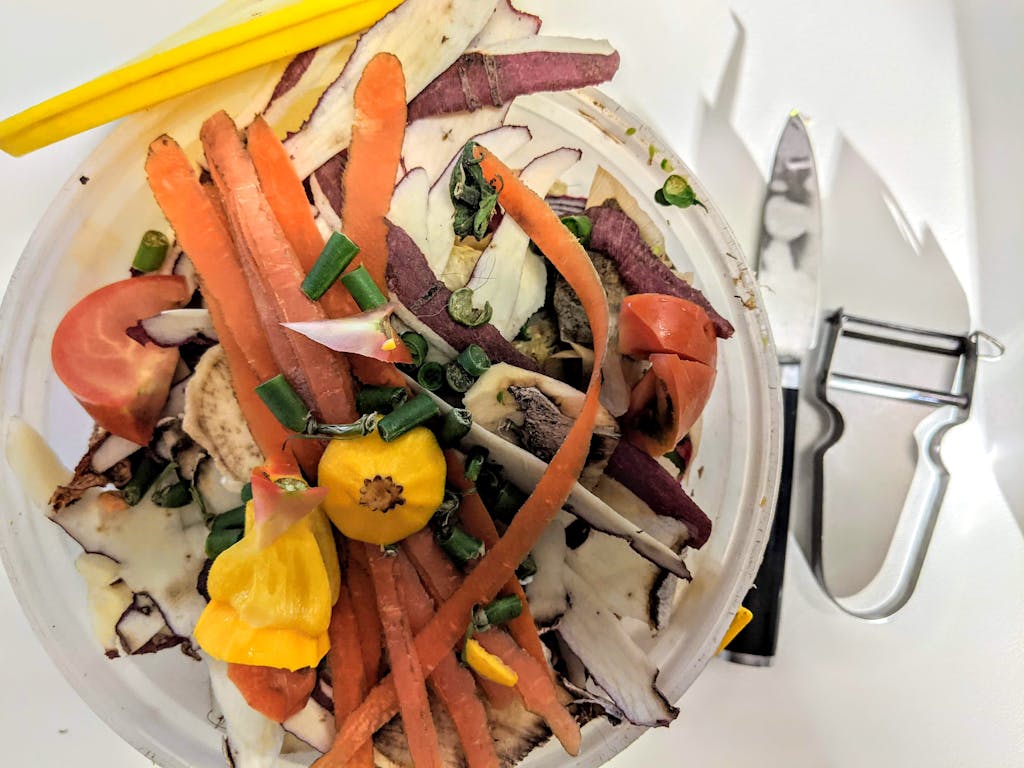
Potato peels, pasta, rice, and oatmeal may look harmless, but they can turn into a sticky disaster when they come into contact with water and pressure inside your pipes. Starchy foods swell, soften, and clump together, creating a thick paste that can cling to the disposal chamber and drain walls. At first, the sink may drain only a little more slowly. Then the water starts pooling, the disposal starts humming angrily, and suddenly that “quick rinse” feels like a plumbing emergency.
Potato peels are especially sneaky because they are thin enough to slide into the disposal easily, but their starch can bind into a gummy layer. Pasta and rice are just as troublesome because they keep expanding after they enter the drain. Oatmeal can also harden if it sits in the disposal, making the unit work harder the next time you turn it on. The smarter move is simple: scrape these foods into the trash or compost, then rinse the plate.
Grease and Oil That Coat Your Pipes Like Glue
Grease and oil may go down the drain as liquids, but they do not stay friendly for long. Once they cool, they can thicken, stick to pipe walls, trap other bits of food, and create the kind of greasy buildup that smells awful and drains badly. This is one of the biggest kitchen mistakes because people assume hot water will push grease through safely. Unfortunately, hot water only moves the problem farther down the line before it cools and settles.
Cooking oil, bacon grease, meat drippings, butter, and creamy sauces can all leave residue that can cling to the system. Once that sticky coating forms, coffee grounds, crumbs, vegetable fibers, and small scraps have something to grab onto. Over time, the drain becomes narrower, slower, and nastier. Instead of pouring grease into the sink, let it cool in a container, seal it, and throw it in the trash. Your disposal will last longer, and your kitchen will smell much fresher.
Stringy Vegetables That Tangle Around the Disposal
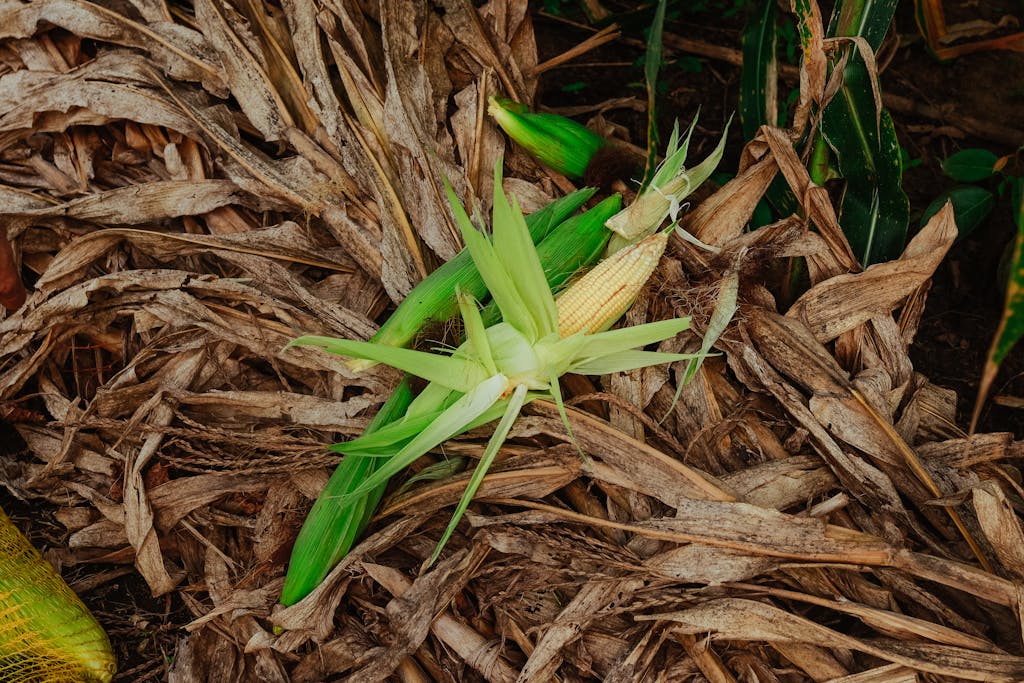
Fibrous vegetables are tough on garbage disposals because their long strands can wrap around the moving parts. Celery, corn husks, asparagus ends, onion skins, pumpkin strings, and artichoke leaves are common troublemakers. They may look soft enough to grind, but their fibers behave more like wet thread than ordinary food waste. Once they twist around the impellers, the disposal can slow down, jam, or start making rough grinding sounds.
The worst part is that fibrous scraps often do not cause instant failure. They build up quietly. You toss in a few celery ends today, onion skins tomorrow, and corn silk after dinner, then wonder why the disposal suddenly sounds strained. These foods belong in the compost bin or trash, not the sink. If a few tiny pieces slip in by accident, run plenty of cold water and keep the disposal going long enough to flush the chamber clean. Still, prevention is the safer habit.
Hard Scraps That Can Jam the Motor
Bones, fruit pits, seafood shells, and other hard scraps are too much for most household garbage disposals. Even small bones can bounce around the chamber, dull the grinding components, jam the unit, or force the motor to work harder than it should. Fruit pits from peaches, cherries, plums, and avocados are even worse because they are dense, smooth, and stubborn. The disposal is not designed to crush them like an industrial grinder.
A common mistake is assuming size makes the scrap safe. A tiny chicken bone can still wedge itself into the wrong spot. A cherry pit can still rattle around and damage the mechanism. An avocado pit is practically an invitation for trouble. These items should go straight into the trash or, if suitable, into the compost. If your disposal starts humming but not spinning after a hard scrap slips in, turn it off immediately. Keeping it running can overheat the motor and worsen the damage.
Coffee Grounds That Create a Thick Sludge
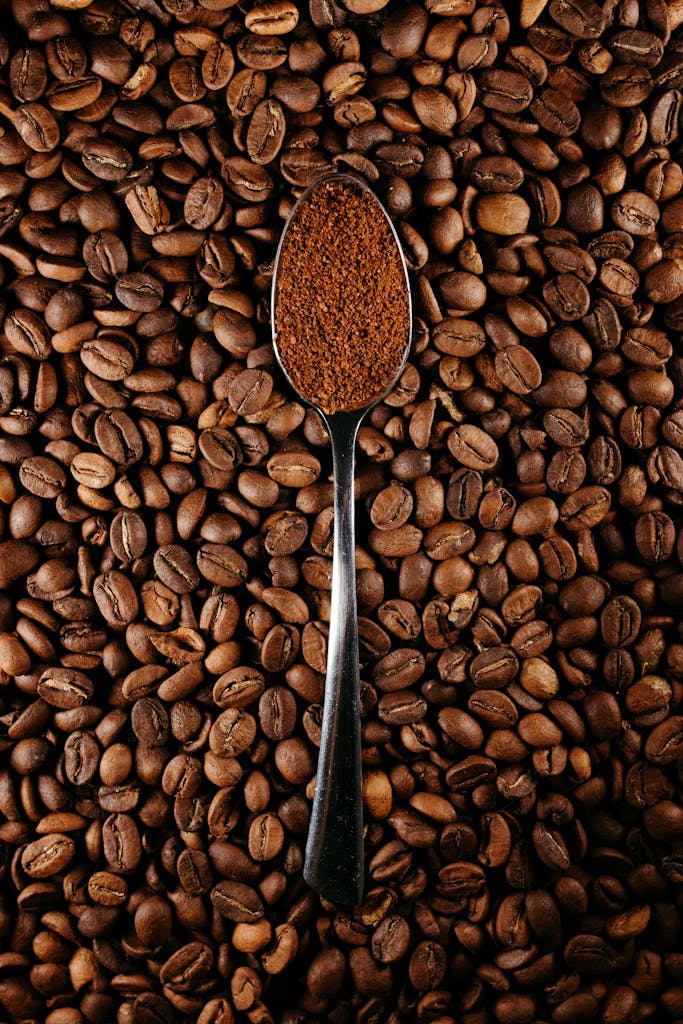
Coffee grounds seem like they should be disposal-safe because they are small, soft, and already grainy. That is exactly why they fool people. The problem is that coffee grounds do not dissolve. They collect, clump, and create a dense sludge that can sit in the drain like wet sand. Once enough of it builds up, water slows down, odors develop, and the sink starts acting like it has a grudge.
This is especially risky for households that brew coffee every day. A spoonful here and there may not seem serious, but daily dumping adds up fast. The grounds can combine with grease, soap residue, and food particles to form stubborn blockages. Instead, toss used grounds in the trash, add them to compost, or use them in the garden if appropriate. Your morning coffee should wake you up, not quietly sabotage your plumbing.
Eggshells and Small Gritty Scraps That Fool You
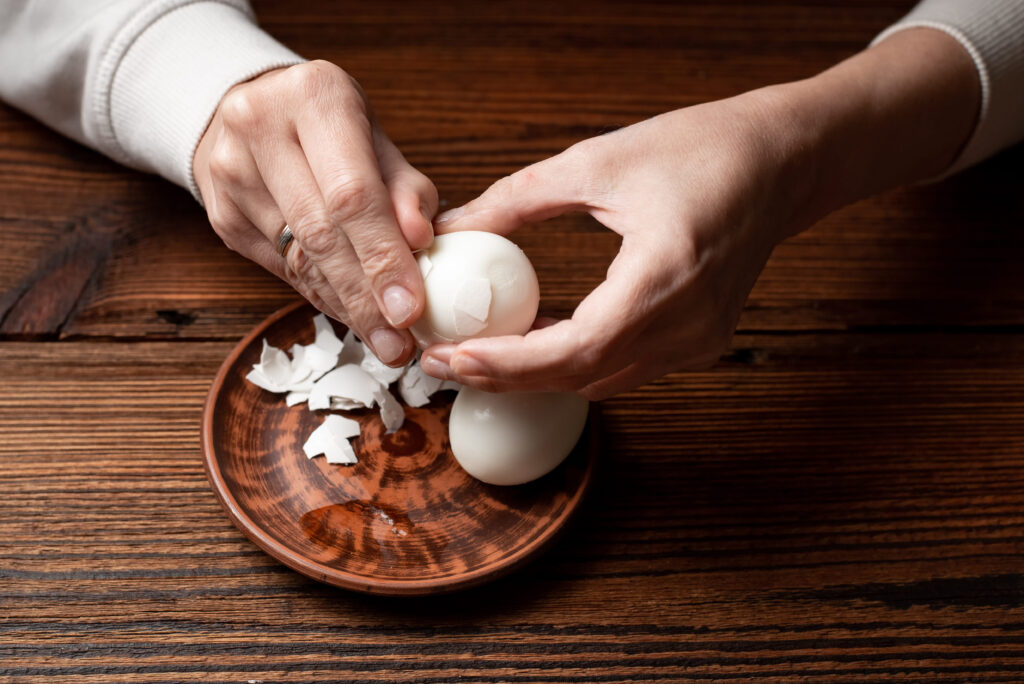
Eggshells are another classic garbage disposal myth. Many people believe they sharpen the disposal, but they can actually create problems. When crushed, eggshells break into tiny, gritty pieces that can settle in pipes and contribute to clogs. The thin membrane inside the shell can also cling to disposal parts, worsening the mess. What looks like a harmless breakfast scrap can become part of a slow-building drain problem.
The same idea applies to other small, gritty scraps that seem easy to rinse away. Tiny particles are not always safe just because they are small. When they mix with water, grease, and other food debris, they can gather in bends and rough spots inside the drain. Eggshells are better placed in compost or the trash. A disposal works best when it handles small amounts of soft food, not gritty waste that settles and sticks.
Conclusion
Your garbage disposal can make kitchen cleanup easier, but it should never become a shortcut for careless food waste. Starches turn into a paste, grease coats the pipes, stringy vegetables tangle the mechanism, hard scraps jam the motor, coffee grounds create sludge, and eggshells can add a gritty buildup. These problems often start quietly, then show up as slow drainage, bad smells, strange noises, or a disposal that suddenly stops working.
The best habit is to scrape risky foods into the trash or compost before rinsing dishes. Run cold water before, during, and after using the disposal, and feed scraps slowly instead of dumping everything at once. A little caution at the sink can save you from a messy clog, an expensive repair, and the kind of kitchen headache no one wants after dinner.