Medical science has come a long way, but the human body still holds mysteries that sound almost unbelievable. Some diseases are rare enough that a doctor might never see a case in their entire career. Others twist the body’s normal functions into surreal, unsettling patterns.
These aren’t fictional conditions from a sci‑fi novel. Each of these disorders is real, documented, and recorded in medical literature, and in many cases, it takes years for health professionals to even recognize them. From self‑infecting worms to bodies that literally turn to stone, here are ten of the strangest diseases known to medicine.
Auto‑Bathing Disease (Aquagenic Urticaria)
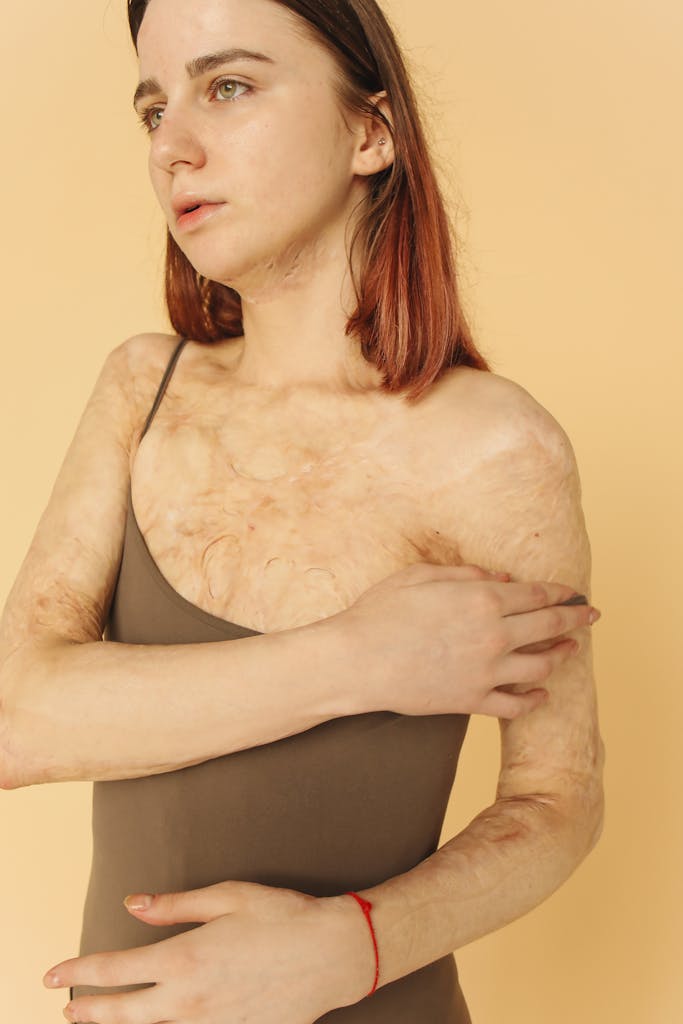
Imagine that something as harmless as water, whether cold, warm, or even sweat, triggers painful hives. That’s aquagenic urticaria, a rare condition in which contact with water triggers swelling, burning, and irritation.
Showers, rain, or even tears can provoke symptoms. For the unlucky few with this disorder, bathing becomes a painful ordeal rather than a refreshing routine.
Foreign Accent Syndrome
After a brain injury or stroke, some people begin speaking with an accent that wasn’t part of their life before. English speakers may suddenly sound French or Scandinavian, even though they’ve never lived abroad.
This rare neurological condition doesn’t actually give someone a real accent, but it rearranges speech patterns in a way that sounds foreign to listeners.
Walking Corpse Syndrome (Cotard’s Delusion)

Cotard’s Delusion is a psychiatric condition so bizarre that it sounds like horror fiction. People with this disorder genuinely believe they are dead, decaying, or have lost their internal organs.
Some insist they have no blood flowing through their veins or that their bodies are infested with worms. It’s a frightening distortion of self‑perception, often linked to severe depression or neurological damage.
Fibrodysplasia Ossificans Progressiva (FOP) — “Stone Man Syndrome.”
This ultra‑rare genetic condition causes soft tissues, muscles, ligaments, and tendons to gradually turn into bone. Over time, joints fuse, and movement becomes increasingly restricted.
Minor injuries can accelerate the process, as the body responds by forming bone where none should exist. There is no cure, and treatment is mainly supportive.
Funky Food Allergy (Alpha‑Gal Syndrome)
Alpha‑Gal Syndrome turns something most people enjoy, red meat, into a threat. Triggered by a Lone Star tick bite, the condition causes the immune system to attack carbohydrates in beef, pork, and lamb. A bite can trigger a delayed allergy: hours after eating meat, symptoms such as hives, swelling, or even anaphylaxis can appear.
Progeria — Rapid Aging in Children
Progeria is a genetic condition that causes children to age at an accelerated rate. Kids with progeria often develop signs of aging, such as hair loss, joint stiffness, and heart problems, while still very young. It is extraordinarily rare, and research into the condition has also shed light on the biology of aging in general.
Exploding Head Syndrome
Despite its unsettling name, Exploding Head Syndrome isn’t physical trauma; it’s a parasomnia: a sleep disorder. People with this condition experience extremely loud, sudden noises or sensations that seem to come from inside their own head during sleep transitions. The sounds can resemble gunshots, explosions, or cymbals crashing, but there’s no actual injury or external noise source.
Pica — Eating Things That Aren’t Food
Pica is a condition where individuals feel compelled to eat non‑nutritive substances like dirt, chalk, paper, or clay. It’s more than odd cravings; it can lead to serious health problems if ingested materials are toxic, sharp, or indigestible. Pica can occur in children, pregnant women, and people with certain mental health conditions.
Stiff Person Syndrome
Stiff Person Syndrome is a rare neurological disorder characterized by extreme muscle rigidity and painful spasms. People with this condition can appear frozen in place, and stimuli like noise, touch, or emotional stress can trigger debilitating stiffness. It’s often misdiagnosed because its symptoms can overlap with more common disorders.
Hyperthymesia — Super Memory (But Not Always a Gift)

Hyperthymesia is the ability to remember nearly every day of your life in extraordinary detail. It may sound like a superpower, but it’s not always pleasant. People with this condition relive events with precise clarity, including painful or traumatic memories. Forgetting doesn’t come easily, and the constant flood of detailed recollection can be overwhelming.
Why These Disorders Matter
These strange diseases remind us that the human body is astonishingly complex. What doctors once thought impossible is now medically documented. Researchers continue to study these conditions not just to help those affected, but to better understand neurology, genetics, immunity, and human physiology as a whole.
The more we learn, the more we discover how much is still unknown and how remarkable the body truly is.