Your entryway speaks before you do. It is the first thing guests see, the first place clutter lands, and the last spot you rush through before leaving the house. A tired, crowded, or poorly planned entrance can make the whole home feel less organized, even when the rest of the space is beautiful. The good news is that a better entryway does not always require a major renovation. A few smart entryway ideas can turn that awkward front-door zone into a warm, practical, and polished space.
Leaving Shoes Everywhere
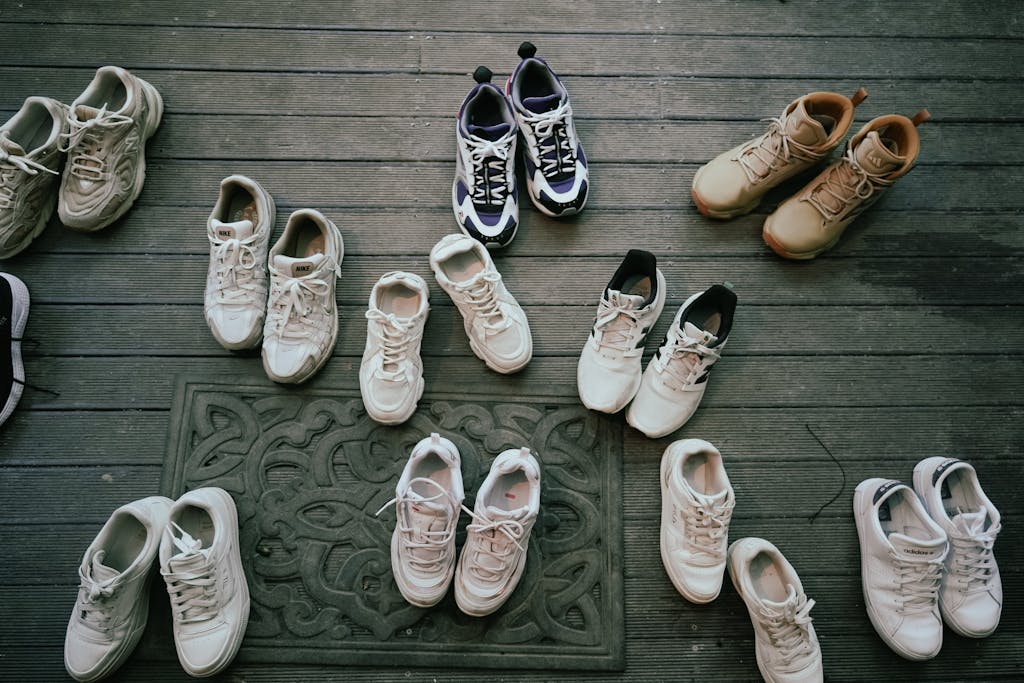
Shoes are one of the fastest ways to make an entryway look chaotic. Even a stylish foyer can feel messy when sneakers, sandals, boots, and kids’ school shoes are scattered near the door. The problem gets worse when there is no clear place for everyone to put on and take off their daily wear.
A simple shoe cabinet, woven basket, low bench with cubbies, or slim rack can instantly calm the space. The best solution is the one your household will actually use. If people kick off shoes the second they walk in, place storage right where that habit already happens. That way, the organization feels natural instead of forced.
Ignoring the Wall Space
Many people decorate the floor area of an entryway and forget the walls. That mistake wastes valuable space, especially in smaller homes and apartments. Bare walls can also make the entrance feel unfinished, cold, or like a hallway nobody cared enough to complete.
Use the wall for hooks, framed art, mirrors, shelves, or a small mounted table. Hooks are great for bags, hats, leashes, and jackets. A mirror adds light and gives people one final check before leaving. Even a narrow wall can become useful when you treat it as part of the design plan.
Choosing Weak Lighting

A dark entryway can make a home feel gloomy from the first step inside. Poor lighting also makes clutter look worse, as shadows gather around shoes, bags, corners, and furniture. If the ceiling fixture is too small or too dim, the whole entrance may feel forgotten.
Upgrade the light fixture to match the space’s size and mood. A flush mount works well for lower ceilings, while a pendant or chandelier can make a taller foyer feel more intentional. Add a small lamp on a console table when possible. Warm, layered lighting makes the entryway feel welcoming instead of flat.
Using Furniture That Does Nothing
A pretty table may look nice in photos, but it becomes frustrating if it cannot hold keys, mail, sunglasses, or everyday items. Entryway furniture has to work harder than furniture in many other rooms. It needs to look good, save space, and help people move in and out smoothly.
Choose a console table with drawers, a bench with storage, or a small cabinet that hides clutter. In a tiny entryway, a wall-mounted shelf can do the job without stealing floor space. Every item should earn its place. If it only looks good but creates more mess, it is not the right piece.
Forgetting a Rug or Runner
An entryway without a rug can feel bare and unfinished. It can also leave floors more exposed to dirt, scuffs, and wet footprints. This is especially true in busy homes where people come in carrying groceries, backpacks, umbrellas, pets, or sports gear.
A durable rug or runner adds warmth while protecting the floor. Choose a washable or low-pile option that can handle heavy traffic. Patterned rugs are especially useful because they hide small marks better than plain light-colored rugs. A runner also helps long, narrow entryways feel more designed and less like a plain corridor.
Skipping Seating
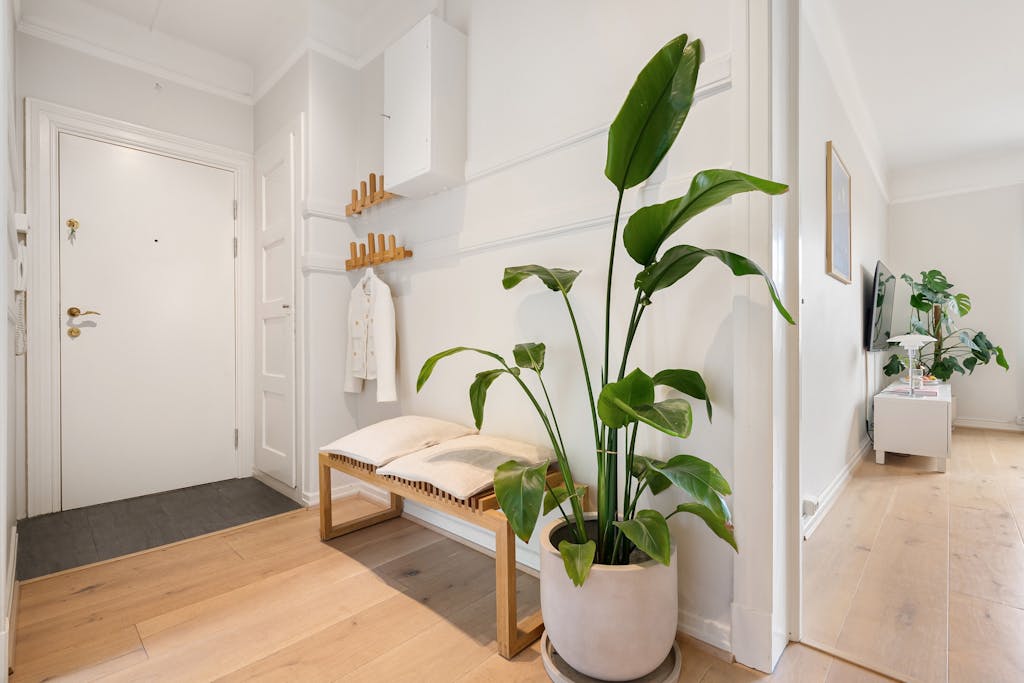
An entryway without seating can make simple tasks feel awkward. People end up balancing against walls, leaning on doors, or sitting on the stairs to put on shoes. That small inconvenience adds up, especially for families, older guests, or anyone with a no-shoes rule at home.
A bench, stool, chair, or storage ottoman can solve the problem. Even a compact seat makes the space feel more thoughtful and comfortable. If the entryway is narrow, choose a floating bench or slim stool that can slide under a table. Seating also gives the area a softer, more lived-in feeling.
Letting Mail and Keys Take Over
The entryway often becomes the dumping ground for mail, keys, receipts, packages, sunglasses, and random pocket items. Without a system, these small things spread quickly, making the space look messy. The clutter may be tiny, but it sends a loud visual message.
Create a landing zone for everyday items. A tray for keys, a small bowl for loose change, a wall pocket for mail, or a drawer for personal items can make a big difference. Keep it simple. The goal is not to build a complicated command center. The goal is to stop small clutter from becoming the first thing people notice.
Keeping the Space Too Plain
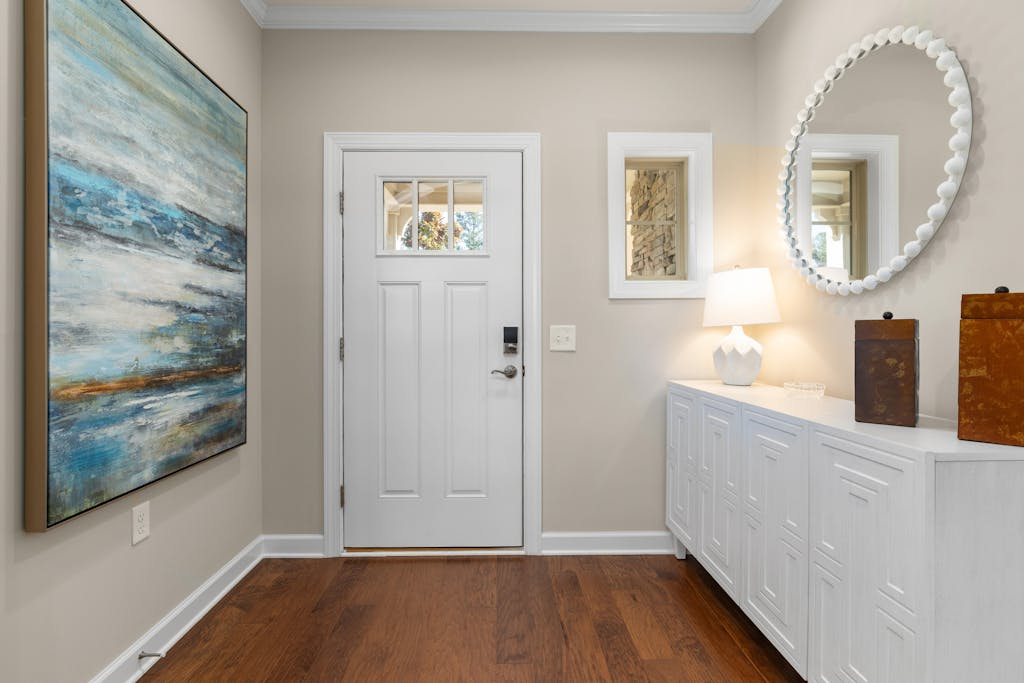
A plain entryway may be clean, but it can still feel lifeless. White walls, no art, no texture, and no personality can make the entrance look temporary or empty. Since this area sets the tone for the rest of the home, it deserves at least one strong design moment.
Add a bold mirror, framed family photos, a statement piece of art, wallpaper, molding, or a dramatic paint color. Natural textures like wood, baskets, branches, or stone-inspired accents can also make the space feel warmer. You do not need to overdecorate. One or two memorable details can make the entrance feel complete.
Forgetting How Your Family Actually Lives
The biggest entryway mistake is designing for a fantasy version of your home rather than your actual routine. A delicate table may not work for a family with kids. Open hooks may be better than a closet if no one bothers using hangers. A beautiful white rug may be a headache in a muddy, high-traffic home.
Pay attention to what piles up near the door. That clutter is telling you what the entryway needs. If backpacks land on the floor, add hooks. If shoes spread everywhere, add baskets or cubbies. If mail stacks up, add a sorting tray. The best entryway ideas are not just beautiful. They make daily life easier.
Conclusion
A messy entryway can make the entire home feel less polished, but the fix is often simple. Better storage, stronger lighting, practical seating, a durable rug, and a few personal touches can completely change the way the space feels. Your entrance does not have to be large or expensive to look stylish. It only needs to be intentional, useful, and welcoming from the moment the door opens.