Online shopping can seem harmless, but everyday stress can push adults into debt. Learn nine ways this habit quietly drains your wallet. Life can feel stressful sometimes. Between work deadlines, family needs, and bills, many adults look for quick relief. Online shopping seems easy, fun, and harmless, but it can quietly create financial problems.
What starts as a small stress reliever can quickly grow. That new gadget or outfit feels like a treat, but buying too often adds up. Without noticing, your spending can exceed your budget and push you into debt.
Shopping to Feel Better
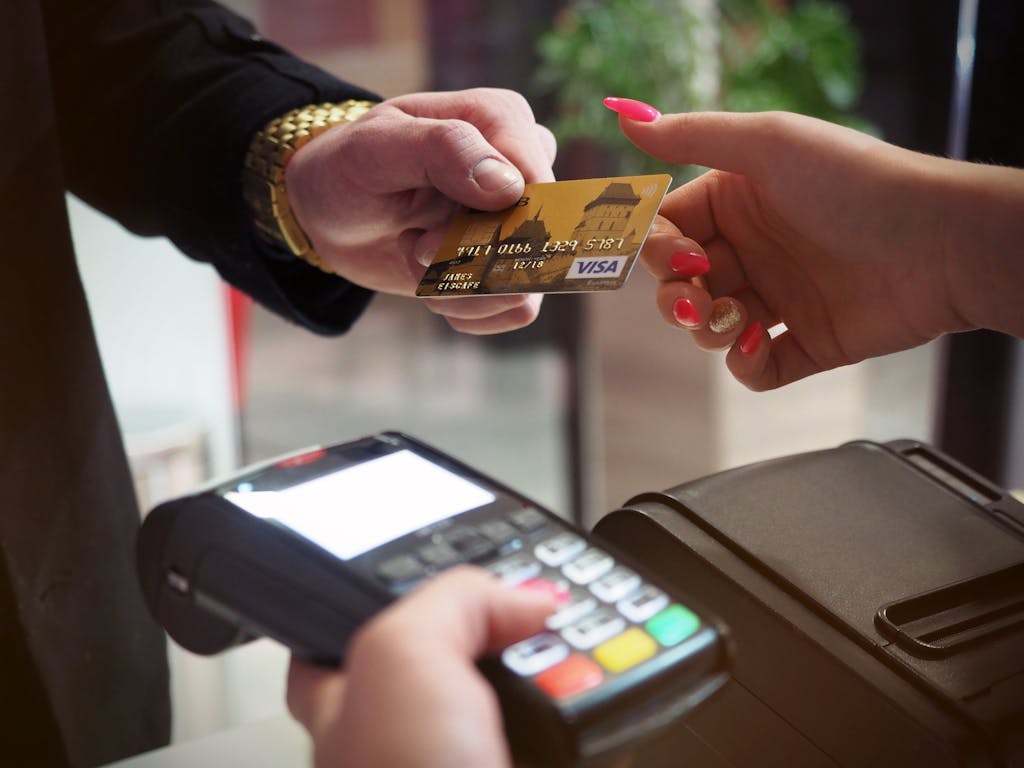
Stress makes people want comfort. Clicking “buy” feels like a small victory. But repeated purchases for relief can turn into a spending pattern you didn’t plan for. Buying to feel happy only works for a short time. Soon, the relief fades, and the urge returns stronger. This cycle can drain your bank account without warning.
Ignoring Your Budget
When life is busy, it’s easy to forget your budget. Online deals and fast checkout make spending simple. Before you know it, you’ve spent more than you intended this month. Skipping budget checks creates invisible debt. Small charges add up and surprise you later. Your stress about money can grow even worse.
Impulse Buying Traps
Sites are designed to tempt you. Flash sales and “only a few left” messages make you click fast. Impulse buys rarely match real needs and often sit unused. The quick satisfaction fades quickly. Impulse items pile up, taking up space in your home and money from your account. Over time, this can make debt feel normal.
Subscriptions That Sneak In
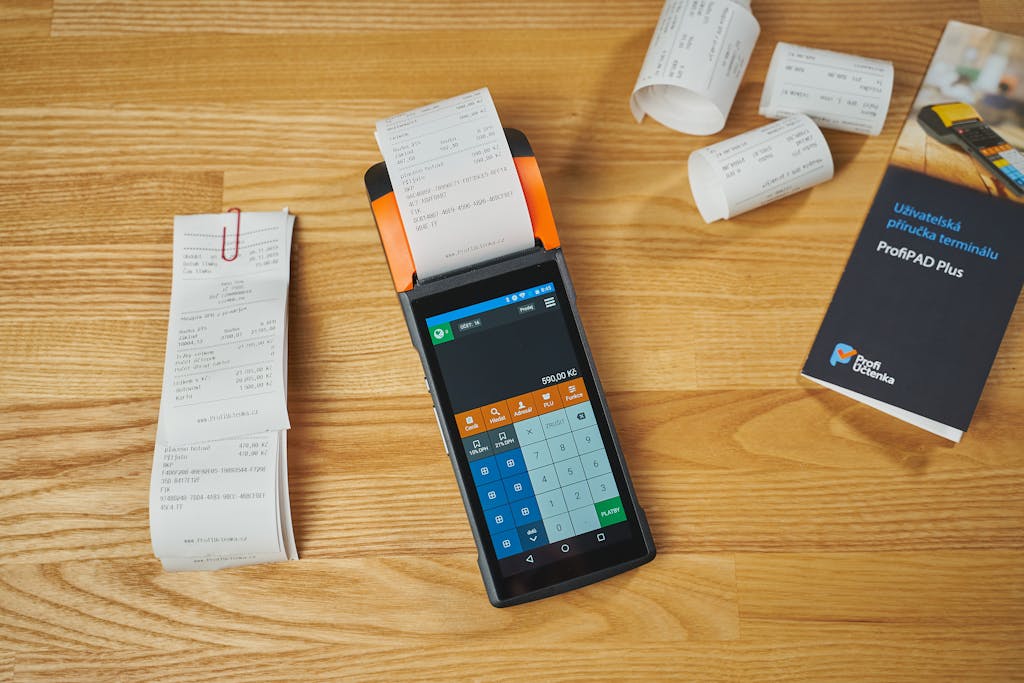
Many online services charge automatically. Streaming, magazines, and apps can slip past notice. These monthly fees quietly drain your money over time.
People forget about them until the bank statement arrives. Each charge seems small, but together they can add up to hundreds of dollars. (When size doesn’t matter: The impact of unexpected surcharges on consumer reactions, 2026) This is an easy way for stress to turn into debt.
Trying to Keep Up
Seeing friends post new purchases online creates pressure. Adults feel the need to match appearances. Shopping to compete can lead to spending far beyond your budget. Keeping up with trends is expensive and exhausting. It only adds stress and financial strain. Your money disappears while the stress stays.
Overlooking Small Charges
Even tiny online purchases matter. A few coffees, a small gift, or a gadget here and there seem harmless. But over weeks and months, they add up like snow on a roof. Ignoring small charges leads to big debt over time. Stress increases as bills pile up unexpectedly. The pattern is subtle but very real.
Waiting for a Sale
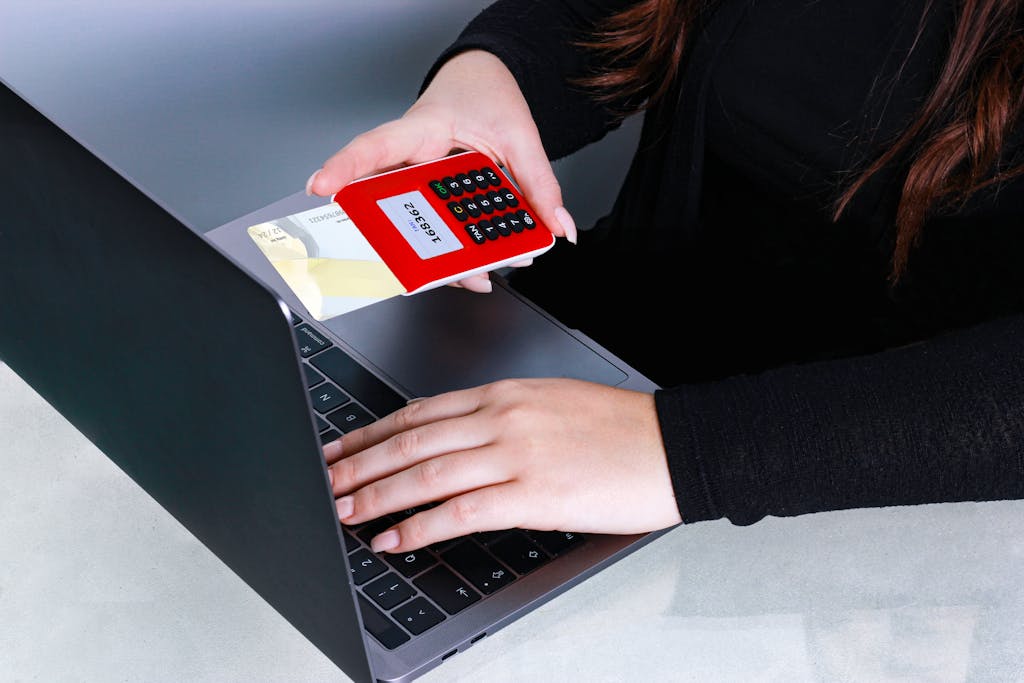
Stressful shopping often waits for discounts. You tell yourself, “I’ll buy this later at a better price.” But waiting can lead to buying even more than planned. Sales encourage overspending. What seemed like a smart deal becomes a hidden expense. This cycle quietly drains your finances and adds stress.
Buying to Avoid Problems
Some adults shop to distract themselves from stress. Bills, arguments, or work frustrations push them online. Shopping feels easier than facing problems, but it doesn’t solve anything. The distraction is temporary. The real stress and money troubles return faster. Over time, this habit builds debt silently.
Losing Track of Spending

Stress makes adults forget what they bought. Packages arrive at home unnoticed, and bank accounts are checked rarely. Without tracking purchases, debt grows faster than you see it. This hidden spending increases anxiety. The surprise of bills adds more stress. What started as relief becomes a bigger problem than the original stress.
Conclusion
Online shopping is fun, quick, and easy. But using it as a stress fix can silently create debt. Watching your habits, tracking purchases, and setting limits helps prevent stress from turning into financial trouble. There are other money pits that drain your hard-earned cash
Key takeaway: Treat online shopping like a tool, not a cure. Mindful spending protects your wallet and reduces stress.
Ask yourself today: Is your shopping habit helping or hurting your life?