Trends change faster than we notice, and nostalgia can hide the truth. Items, habits, and cultural icons that once dominated American homes, kitchens, and entertainment are now quietly falling out of favor. What was once celebrated, collected, and consumed with enthusiasm is increasingly met with indifference, frustration, or silent disdain. Understanding these shifts offers a revealing glimpse into how societal values, health awareness, and lifestyle priorities have transformed daily life.
Americans once embraced a range of products and experiences with unwavering enthusiasm. Brightly packaged breakfast cereals, fast food drive-throughs, and certain entertainment formats were cultural staples. Today, however, these same items often spark private complaints, regrets, or avoidance. This evolution reflects both changing consumer expectations and broader social shifts in health, convenience, and personal values.
Cable Television

Cable television was once the cornerstone of American entertainment. Families structured evenings around scheduled programs, and multi-channel lineups offered seemingly endless content. Today, streaming platforms dominate, providing on-demand, personalized viewing experiences. Traditional cable subscriptions are increasingly viewed as costly, rigid, and unnecessary, as audiences prefer the flexibility to watch what they want, when they want.
The decline in cable reflects a broader cultural embrace of personalized media consumption. Consumers now favor streaming libraries, curated playlists, and digital access over fixed schedules, fundamentally transforming how entertainment is consumed.
Sugary Breakfast Cereals
Breakfast cereals were once a symbol of convenience and colorful morning joy. Children and adults alike relished boxes adorned with mascots and bold flavors. Today, high sugar content, artificial coloring, and minimal nutritional value have dampened enthusiasm. Many Americans now perceive sugary cereals as empty calories rather than energizing foods, leading to decreased consumption and shifts in breakfast habits.
The modern breakfast preference emphasizes protein, fiber, and nutrient-rich foods. Options like Greek yogurt, oats with fruit, smoothie bowls, and whole-grain toast now replace sugary cereals for many households. Even nostalgic favorites are approached cautiously, often reserved for occasional indulgence rather than daily routine.
Processed Snack Foods
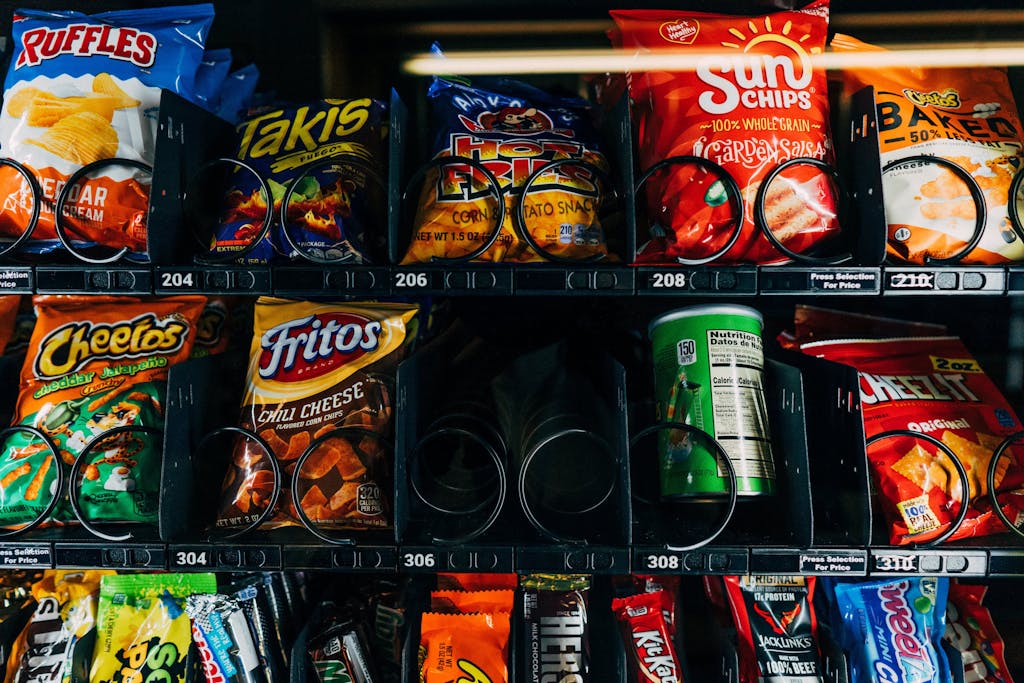
Cheese puffs, individually wrapped pastries, and highly processed chips were once convenient, enjoyable staples. Over time, increasing awareness of sodium content, preservatives, and artificial additives has altered public perception. Many Americans now regard these snacks as guilty pleasures or treats rather than regular staples.
Healthier alternatives like air-popped popcorn, roasted nuts, or vegetable-based chips have gained popularity. Convenience remains essential, but there is a growing preference for snacks that provide both flavor and nutritional value. This shift highlights a cultural prioritization of mindful eating over unrestrained indulgence.
Fast Food Drive-Throughs
Fast food once epitomized convenience and efficiency. Drive-throughs were celebrated for speed, affordability, and the familiar comfort of burgers, fries, and shakes. Today, heightened health and environmental awareness has led many to question the frequent consumption of fast food. Concerns about processed ingredients, excessive sodium, and unsustainable sourcing influence choices and reduce reliance on traditional fast-food chains.
As a result, Americans increasingly seek meal alternatives that offer convenience without compromising health. Grilled options, plant-forward meals, and smaller portions have emerged as preferred choices, signaling a shift in both values and consumption habits.
Landline Telephones
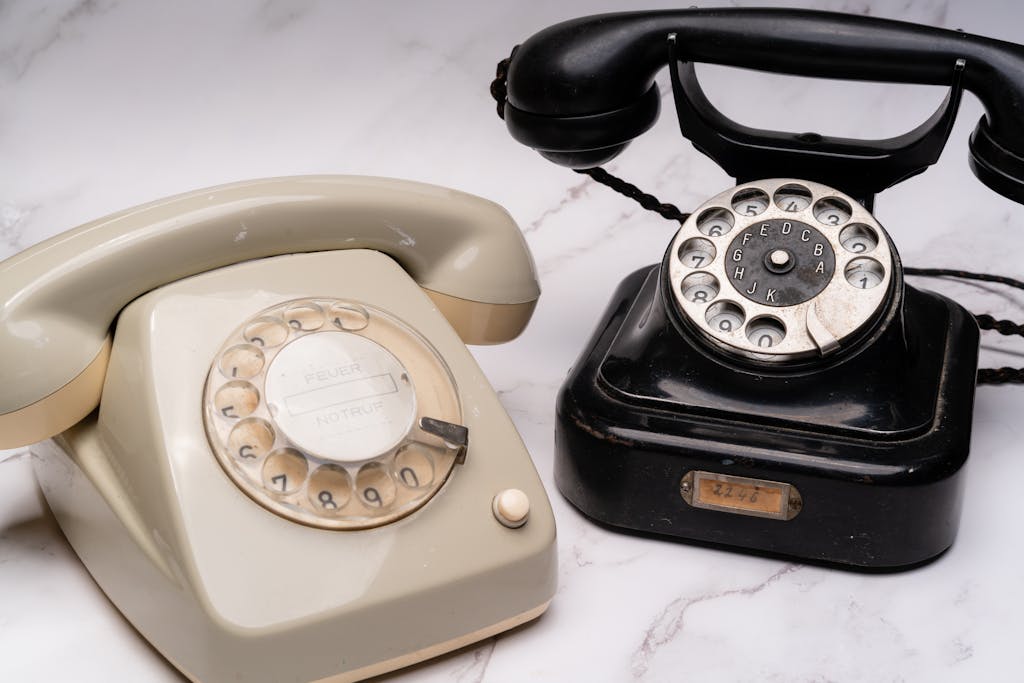
Landline phones were once essential for communication, anchoring homes and offices alike. The rise of mobile devices, smartphones, and wireless connectivity has rendered traditional landlines largely obsolete. Many Americans no longer view them as necessary, reflecting technological adaptation and a preference for mobility, accessibility, and multifunctional devices.
Landline decline represents broader societal trends toward digital integration, convenience, and on-demand communication.
Sugary Soft Drinks
Carbonated soft drinks were a cultural mainstay, associated with celebrations, casual meals, and social events. Rising awareness of sugar-related health risks, including obesity, diabetes, and dental issues, has led many to limit consumption. Americans increasingly opt for water, sparkling water, low-sugar beverages, or natural alternatives, reducing the cultural prominence of traditional sodas.
This shift illustrates the growing importance of health-conscious consumption patterns and long-term wellness priorities over short-term enjoyment.
Retail Catalogs

Printed retail catalogs once offered a window into consumer choices, fashion trends, and product availability. Today, online shopping platforms and digital marketing have supplanted catalogs, which are now often seen as wasteful, redundant, or outdated. Americans increasingly prefer instant access to product reviews, personalized recommendations, and e-commerce interfaces that replace the traditional catalog experience.
The move away from print catalogs highlights a societal shift toward digital convenience, immediacy, and interactive purchasing experiences.
Conclusion
Cultural evolution shapes consumer preferences and daily habits. Sugary cereals, processed snacks, fast food drive-throughs, cable television, plastic shopping bags, sugary soft drinks, landline phones, and retail catalogs have all quietly lost their once-celebrated status. These changes reflect rising health awareness, technological innovation, environmental responsibility, and lifestyle transformation. Awareness of these shifts allows Americans to embrace modern alternatives that align with contemporary values, striking a balance between nostalgia and practicality as they adapt to today’s society.