Food serves as a bridge that connects different cultures, allowing people to share their traditions and histories. While the universal need to eat unites us, the diverse ways in which cultures prepare and enjoy food can sometimes be surprising, and even unsettling. From live insects to animal entrails, some culinary traditions can seem bizarre to the uninitiated.
However, what may seem shocking or strange to outsiders is often cherished and deeply valued within the local community. By exploring these foods with openness and respect, we can better appreciate the cultural practices around the world. This article explores 10 of the most shocking and bizarre cultural foods, guaranteed to push your culinary bravery to the limit.
Wasp Crackers – A Japanese Crunchy Treat
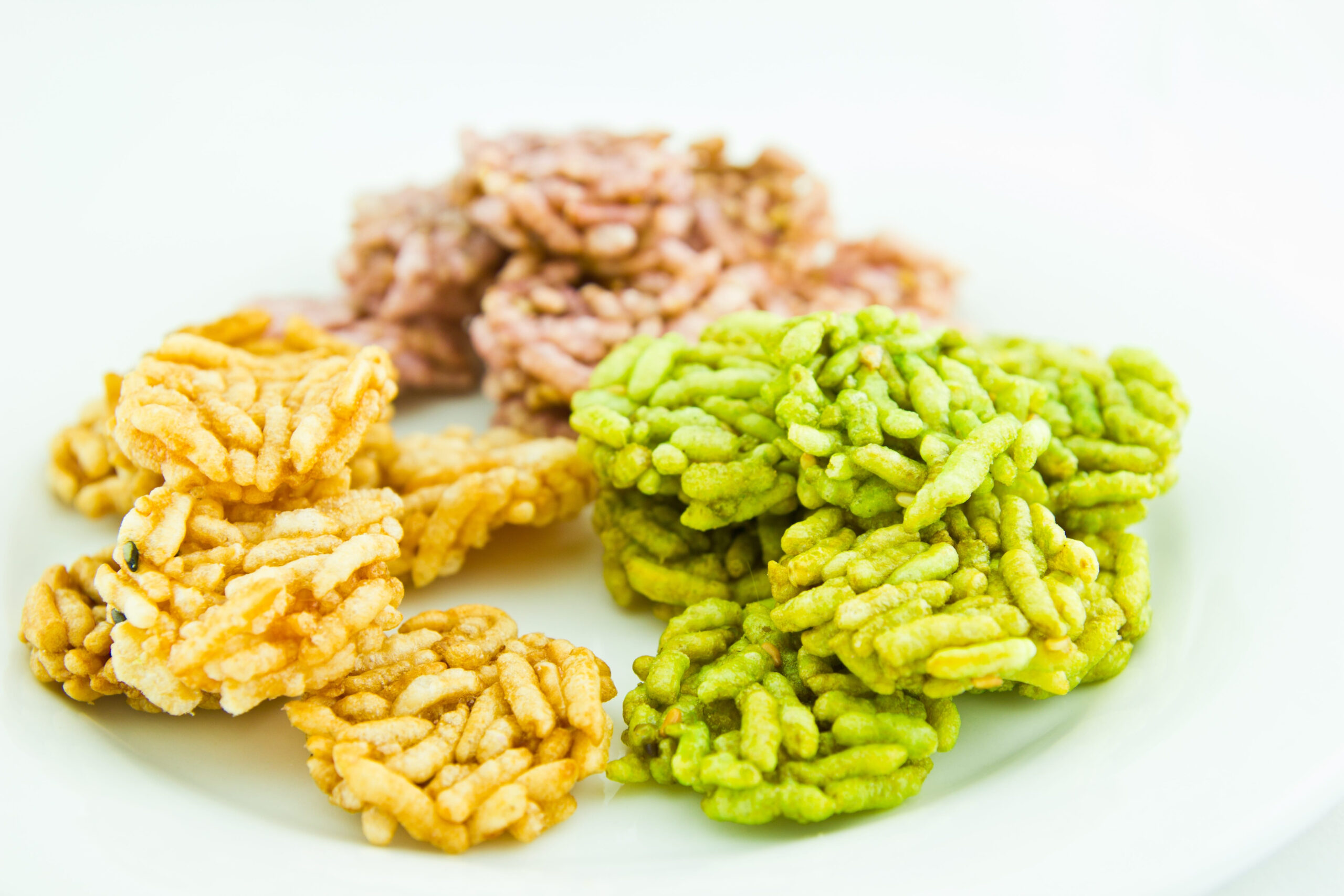
In Japan’s Omachi region, a bizarre snack known as wasp crackers has gained attention. These crackers are made by incorporating dead wasps into a traditional rice cracker mix. The wasps are boiled, dried, and then added to the dough, where they become an integral part of the snack.
The taste is described as being similar to bitter raisins, though some might find the occasional wasp leg stuck between their teeth less than appetizing.
Ptarmigan Droppings – A Unique Inuit Delicacy
In the harsh, frigid Arctic environments, food is scarce, and every available resource is used to sustain life. The Inuit of Northern Canada have developed ways to use all parts of the ptarmigan, a year-round resident of the region. Among the most peculiar dishes is one made from ptarmigan droppings.
These droppings are carefully collected, dried, and combined with masticated seal meat and rancid seal oil to create a unique, if unusual, meal. This dish holds important cultural significance as it represents traditional Inuit knowledge, resourcefulness, and respect for the land.
It is often eaten during times when fresh food is especially scarce, particularly in the depths of winter, and is valued both for its nutrition and as a testament to survival in a challenging environment. Despite its unappetizing ingredients, those who have tasted it describe it as surprisingly palatable, offering an insight into the adaptability of indigenous Arctic diets.
Shiokara – Fermented Seafood Entrails from Japan
For many Westerners, Japanese cuisine often conjures up images of sushi, sashimi, and tempura. However, there is a more daring side to Japanese food culture, such as shiokara, a seafood dish served in its own fermented entrails. One of the most popular varieties is ika-no shiokara, made from squid.
This pungent dish is typically paired with sake or whiskey, and the custom is to take a bite of shiokara, then take a large gulp of alcohol. The texture and overwhelming aroma of shiokara make it a challenging dish for those not accustomed to its bold flavors.
Cobra Blood – A Raw Shot of Vitality in Indonesia

In Jakarta, the practice of consuming fresh cobra blood is a long-standing tradition, often accompanied by the belief that it has medicinal benefits. Vendors prepare the drink by slitting the cobra’s throat, allowing the blood to flow into a glass, which is then served with palm liquor.
In some cases, the snake’s still-beating heart is added to the drink, with the belief that it can boost sexual stamina and overall vitality. While this may sound grotesque, it is a common practice in certain regions of Southeast Asia.
Dragon in the Flame of Desire – China’s Penile Cuisine
China’s Guolizhuang restaurant in Beijing serves a particularly unusual type of cuisine: dishes made from animal penises. Known for its variety, the restaurant offers dishes such as “Essence of the Golden Buddha,” made from ox penises, or “Lotus Flowers with 1,000 Layers,” made from donkey penises.
The most expensive item on the menu is the tiger penis, which costs thousands of dollars and requires months of advance ordering. This culinary tradition, though rare, exists within the broader context of China’s extensive use of animal parts in medicine and cuisine.
Surströmming – The Swedish Delicacy of Fermented Herring
Surströmming is a traditional Swedish dish made from fermented herring, notorious for its pungent, overpowering smell. The herring is allowed to ferment in cans, where it continues to release gases, causing the cans to bulge.
When opened, the smell is so potent that it is often consumed outdoors. Despite its overwhelming aroma, surströmming remains a beloved part of Swedish culinary culture, often enjoyed with flatbread and onions.
Bodog – The Ancient Mongolian Feast
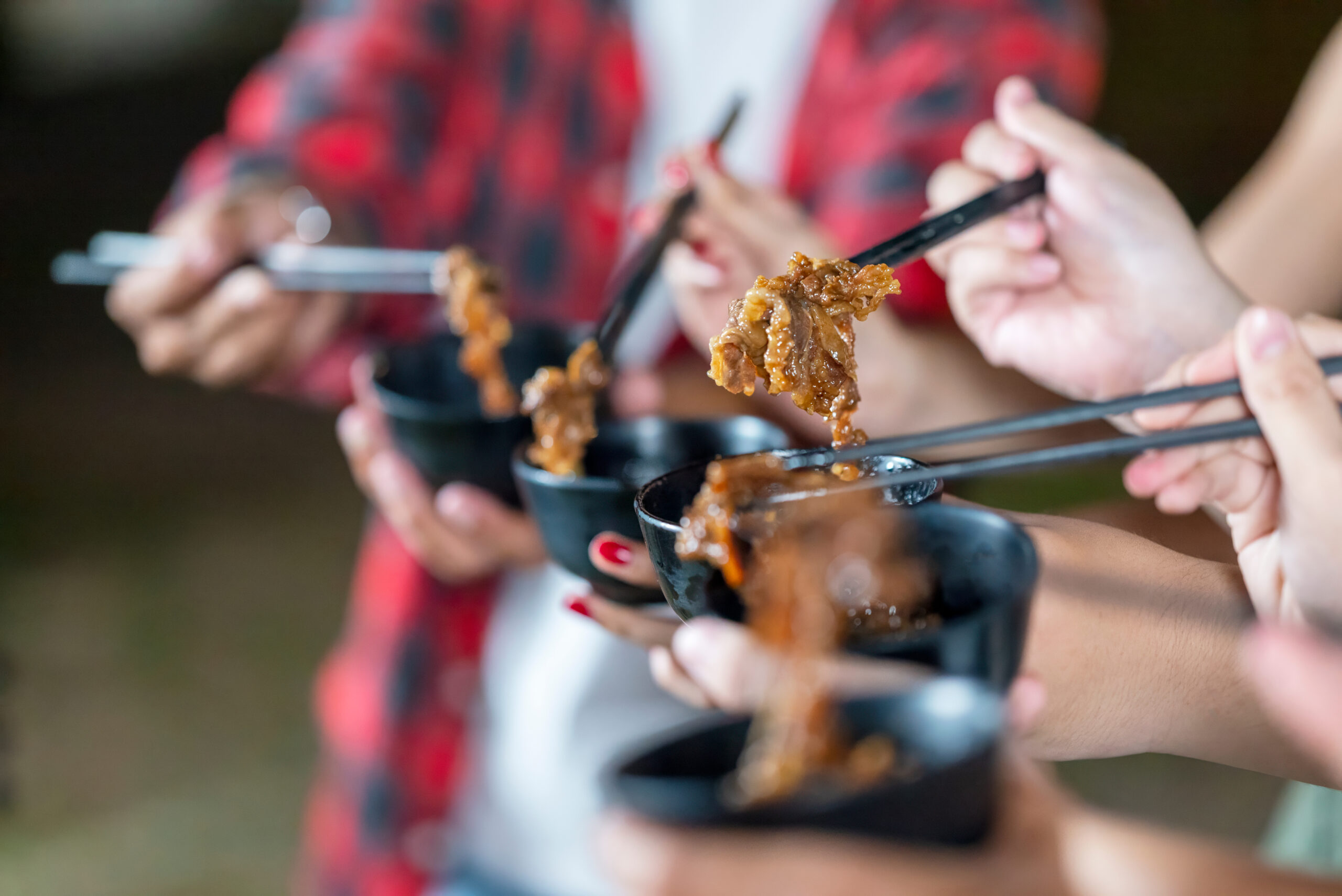
Bodog is a traditional Mongolian dish in which goat meat is cooked inside its own hide. The goat is slaughtered, its meat is seasoned, and it is carefully placed inside its skin, along with hot stones that cook the meat from the inside out.
This method of cooking is an ancient custom still practiced in modern-day Mongolia, offering a rare glimpse into the country’s nomadic history. Bodog is a labor-intensive dish that takes hours to prepare, but it remains a cultural delicacy cherished by Mongolian herders.
Jumiles – Live Stink Bugs in Mexico
Every November, the city of Taxco, Mexico, hosts a culinary celebration where live stink bugs, known as jumiles, are a popular delicacy. Harvested in mass, these green, crunchy insects are added to tacos, salsa, and various other dishes.
Some even enjoy eating them live, tasting the peculiar “cinnamon-like” flavor. While it may seem bizarre to many, for the people of southwestern Mexico, eating these insects is a beloved tradition passed down through generations.
Frog Juice – A Peruvian Elixir for Health
In Peru, vendors prepare a concoction known as “jugo de rana” (frog juice), which involves blending live frogs with herbs and spices. It is believed to cure ailments ranging from anemia to erectile dysfunction. One variety, known as “Peruvian Viagra,” is made from the endangered scrotum water frog, though other frogs are used as well.
The use of endangered species in its preparation has raised significant environmental and ethical concerns, sparking debate both locally and internationally about the impact on wild frog populations. Conservation groups have called for stricter regulations and more sustainable practices to protect vulnerable species, and some local initiatives now promote alternative ingredients or farming of non-endangered frogs.
Despite these controversies, frog juice remains a popular remedy at local open-air markets.
Snake Wine – A Traditional Southeast Asian Drink
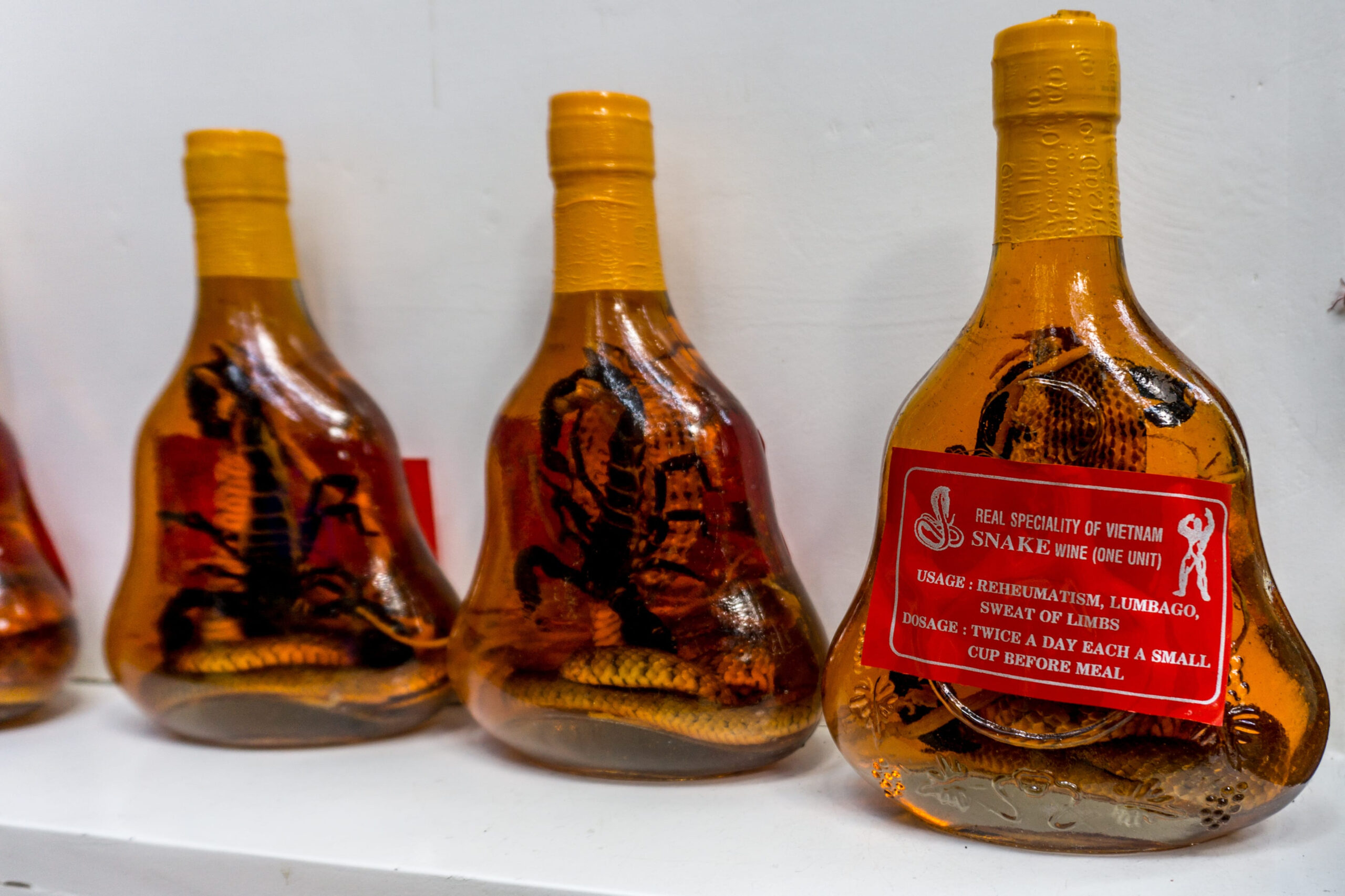
Snake wine is a traditional drink found throughout Southeast Asia, where it is believed to have medicinal properties. The drink involves steeping a snake, typically a cobra, in rice wine, allowing the venom to infuse the liquor with purported health benefits. It is consumed for everything from skin conditions to arthritis, with the venom believed to enhance the wine’s healing properties. Snake wine is not for the faint of heart, but it remains a widely available and popular drink across the region.
Conclusion
While the foods listed above may seem unusual or even unappetizing to some, they offer a fascinating glimpse into the diverse culinary practices around the world.
Each dish is a product of its environment, culture, and history, serving as a reminder of how food can reflect the resilience and creativity of different societies.
Whether or not you would dare to try these bizarre dishes, they certainly challenge the idea of what we consider acceptable to eat. Personally, reading about these foods made me reflect on my own boundaries and assumptions about what is considered ‘normal’ or delicious.
Would you be willing to try any of these dishes, or is there a food from your own culture that others might find strange? Sometimes the foods that seem the most unusual to outsiders are the very ones that shape our sense of belonging and identity.