Fish has a strange reputation at the grocery store. Everyone knows it can be healthy, yet many shoppers still freeze in front of the seafood case, unsure which fillet is worth the money. Some fish provide protein, omega-3 fatty acids, vitamin D, and key minerals. Others come with more mercury concerns, weaker nutrition, or a higher chance of being served fried, breaded, and overloaded with salt.
The smartest move is to choose fish that give you strong nutrition without turning dinner into a complicated science project. The best options are usually rich in protein, packed with heart-friendly fats, and lower in mercury than large predator fish. These seven choices deserve more attention because they are practical, flavorful, and easy to add to everyday meals.
Sardines
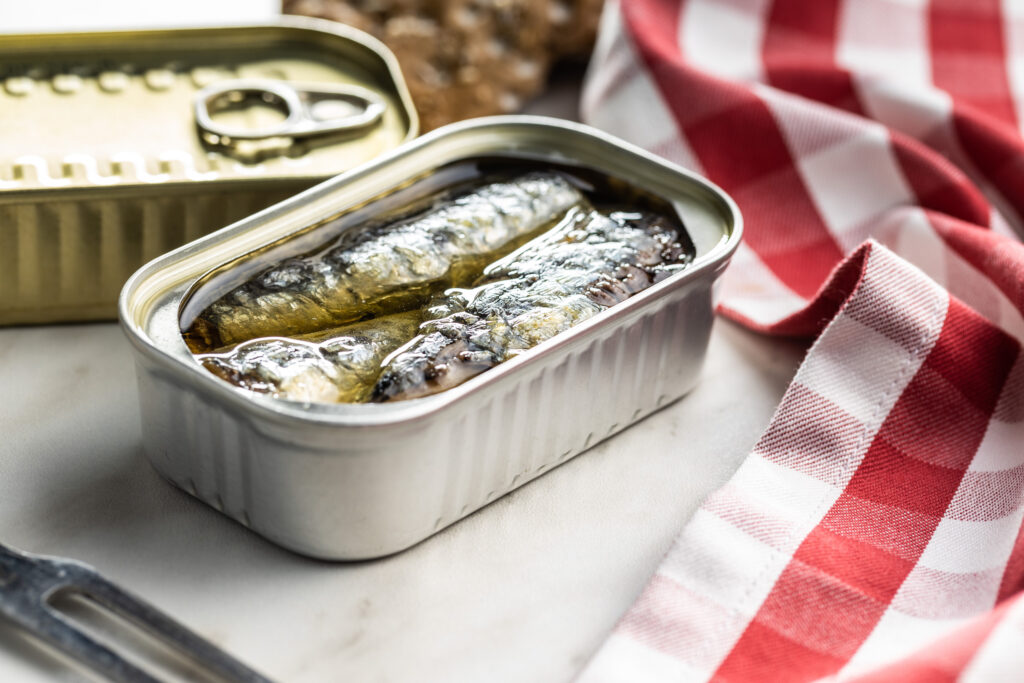
Sardines may look humble in a tin, but they are one of the healthiest fish to eat if you want big nutrition in a small package. They are rich in omega-3 fatty acids, protein, vitamin D, calcium, and selenium. Since sardines are small fish that sit lower on the food chain, they usually carry less mercury than larger fish such as swordfish, marlin, or bigeye tuna.
The biggest mistake people make is dismissing sardines because they seem old-fashioned. That little can can become a fast lunch, a pasta booster, or a bold topping for toast. Mix sardines with lemon juice, herbs, olive oil, and a little pepper for a simple spread. They also work well in tomato sauce, grain bowls, salads, and sandwiches. For anyone trying to eat healthier without spending a fortune, sardines are a quiet grocery-store win.
Mackerel
Mackerel is the fish that many shoppers walk past because they do not know what to do with it. That is a shame, because mackerel is oily, rich, and full of omega-3 fats. It has a deeper flavor than cod or tilapia, making it perfect for people who like bold seafood. Atlantic mackerel is often considered a better everyday choice than larger, higher-mercury varieties.
This fish works beautifully smoked, grilled, or folded into salads. You can flake it into rice bowls, toss it with tomatoes and cucumbers, or pair it with whole-grain crackers for a quick snack-style meal. The main thing to watch is sodium, especially with smoked or canned versions. Pick lower-salt options where possible, then let vinegar, lemon, mustard, herbs, and crunchy vegetables brighten the flavor.
Salmon

Salmon earns its popularity for good reason. It is one of the best sources of omega-3 fats, making it a strong choice for heart-focused meals. It also offers high-quality protein, vitamin D, B vitamins, and a rich flavor that works with many cooking styles. Baked salmon, grilled salmon, salmon tacos, salmon bowls, and canned salmon cakes all make healthy eating feel less boring.
The problem comes when people only see salmon as an expensive restaurant fish. Canned salmon and frozen salmon can be more budget-friendly and still useful for quick meals. The key is to avoid drowning it in sugary sauces or heavy creams. A simple mix of garlic, lemon, herbs, paprika, and olive oil gives salmon enough flavor without hiding what makes it so nutritious.
Herring
Herring deserves a bigger place in American kitchens. It is a small oily fish rich in omega-3 fatty acids, vitamin B12, protein, and minerals. Since it is lower on the food chain, it can be a smart alternative to larger fish that may carry more mercury. Herring is common in pickled, smoked, and canned forms, which makes it easy to keep on hand.
Some people avoid herring because the flavor sounds too strong. That fear fades once it is paired with the right ingredients. Try it with potatoes, rye bread, onions, yogurt sauce, dill, or crisp vegetables. It can also add protein to salads without much cooking. If your usual seafood routine feels repetitive, herring offers a nutritious switch that’s classic, filling, and surprisingly satisfying.
Rainbow Trout
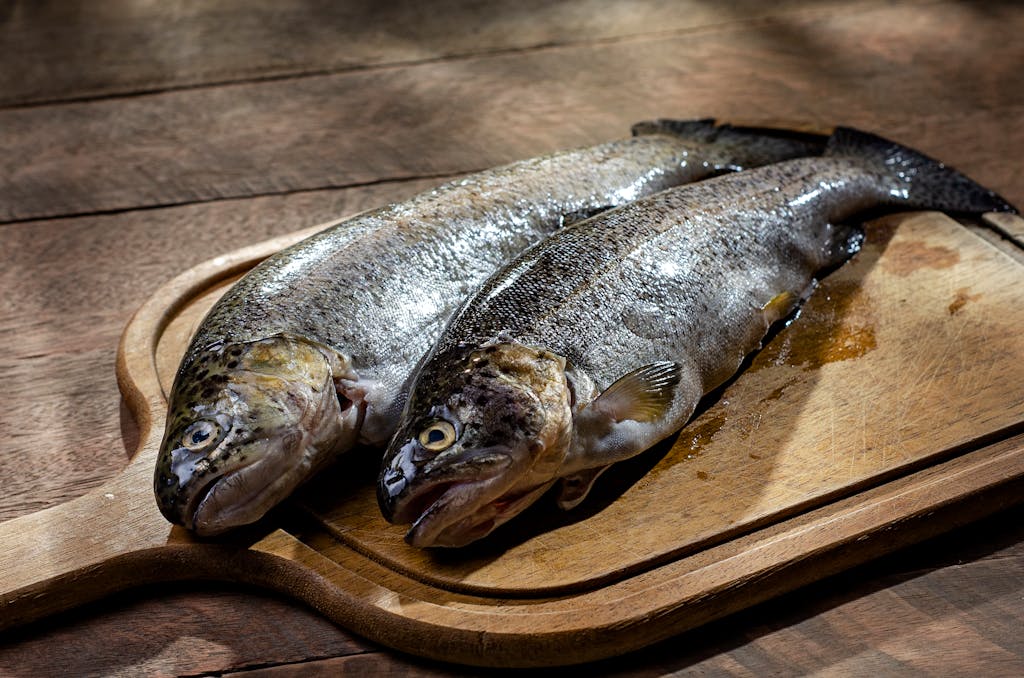
Rainbow trout is a strong choice for anyone who wants a mild fish with more character than plain white fillets. It has tender flesh, a gentle flavor, protein, and useful omega-3 fats. It also tends to be easy to cook at home because it doesn’t require much help. A hot pan, a little oil, garlic, lemon, and herbs can turn trout into a clean, restaurant-style dinner.
The mistake many people make is thinking healthy fish must taste bland. Rainbow trout proves the opposite. It has enough richness to feel satisfying but still stays light enough for weeknight meals. Serve it with roasted vegetables, brown rice, potatoes, or a simple salad. It is also a good option for people who want to move beyond salmon without jumping into stronger-tasting fish.
Anchovies
Anchovies get unfairly blamed for ruining pizza, but they are much more useful than that tired joke suggests. These tiny fish provide intense flavor, protein, omega-3 fatty acids, calcium, selenium, and B vitamins. Since people often eat the small bones too, anchovies can add minerals that many everyday meals lack. They are also powerful in tiny amounts, so one small tin can stretch across several dishes.
The trick is to use anchovies as a seasoning, not always as the main event. Melt them into olive oil with garlic, then toss with pasta, greens, beans, or roasted vegetables. Stir them into salad dressing for a deeper Caesar-style flavor. Add a small amount to tomato sauce for savory depth. Once they dissolve into food, anchovies taste less “fishy” and more rich, salty, and satisfying.
Cod
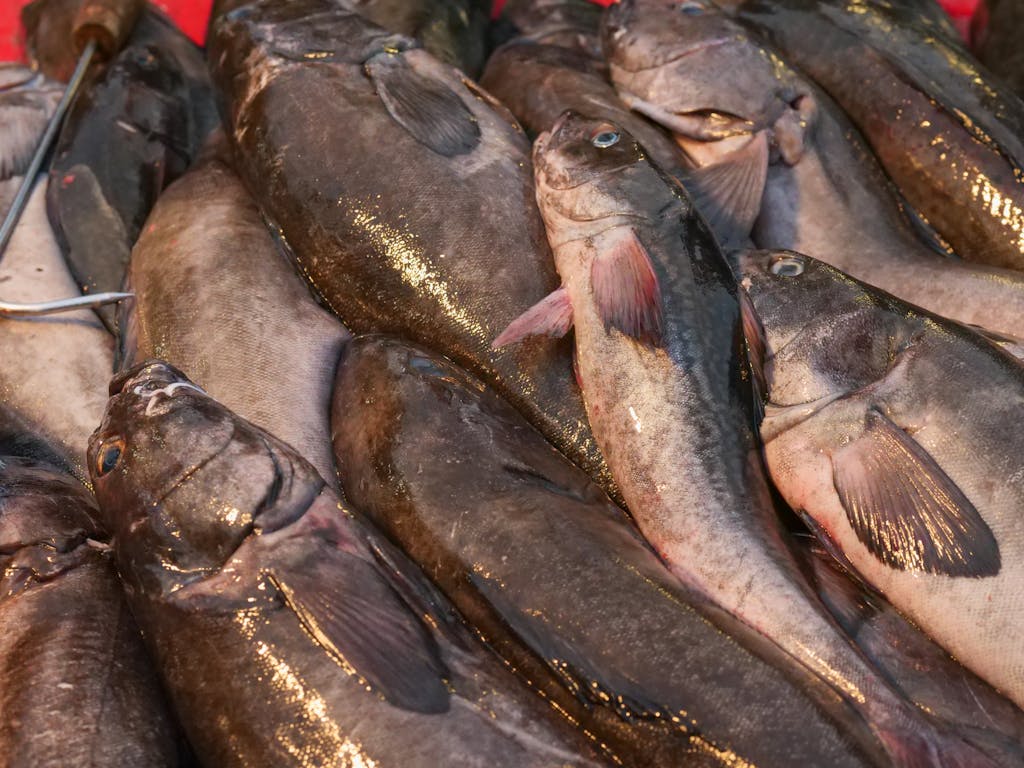
Cod is the gentle workhorse of healthy seafood. It is lean, mild, high in protein, and easy to cook for people who do not love strong fish flavors. Since it has less fat than salmon or mackerel, it is not the top omega-3 option on this list, but it still earns a place because it is simple, versatile, and widely available. For many families, cod is the bridge between avoiding fish and actually enjoying it.
The danger with cod is how often it gets turned into fried fish, fish sticks, or heavy takeout meals. Baked, broiled, or lightly pan-seared cod makes a much smarter choice. Season it with paprika, lemon, black pepper, herbs, or tomato-based sauce. Use it in fish tacos, stews, rice bowls, or sheet-pan dinners. Cod proves that healthy fish does not need to be fancy to be useful.
Conclusion
The healthiest fish choices are usually those that balance strong nutrition with lower mercury levels and easy cooking. Sardines, salmon, mackerel, herring, rainbow trout, anchovies, and cod all bring something useful to the table. Some are rich and oily, some are mild and lean, and some are cheap pantry staples that can rescue a rushed meal.
The real mistake is treating seafood like a luxury food or only eating it fried. Choose simple cooking methods, rotate different fish, and keep an eye on sodium in canned or smoked options. Your healthiest fish dinner might already be sitting in the canned aisle, waiting for a second chance.