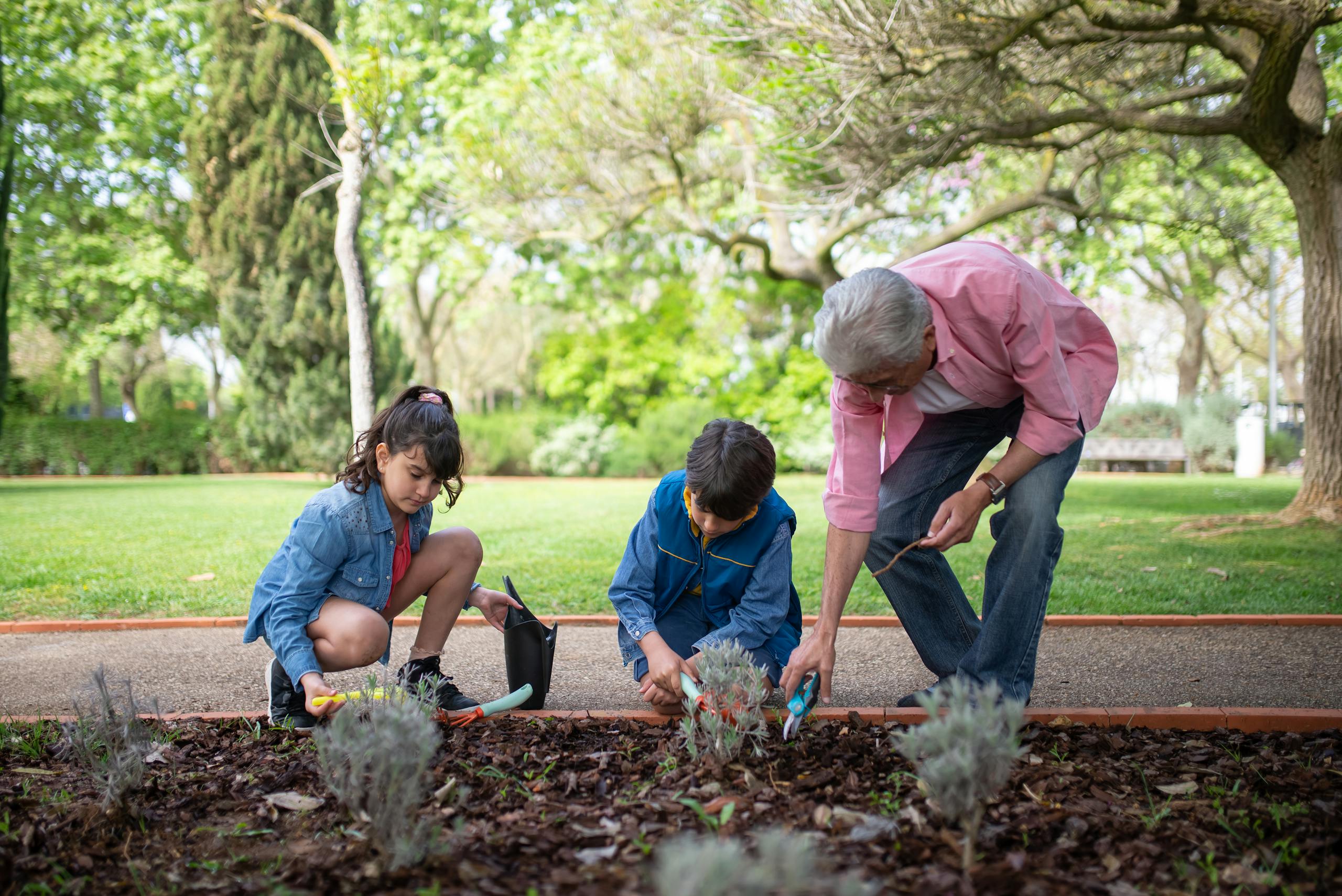
Remember the sound of chalk scraping against the board? Or the smell of freshly printed textbooks? The classrooms you grew up with may feel like a world away from the ones students experience today. From static desks to interactive digital learning, the transformation is nothing short of remarkable.
As education continues to evolve, so do the spaces where it happens. In this article, we’ll take you on a journey through the dramatic shifts in classroom design, technology, and teaching practices over the last five decades.
Power of Movement
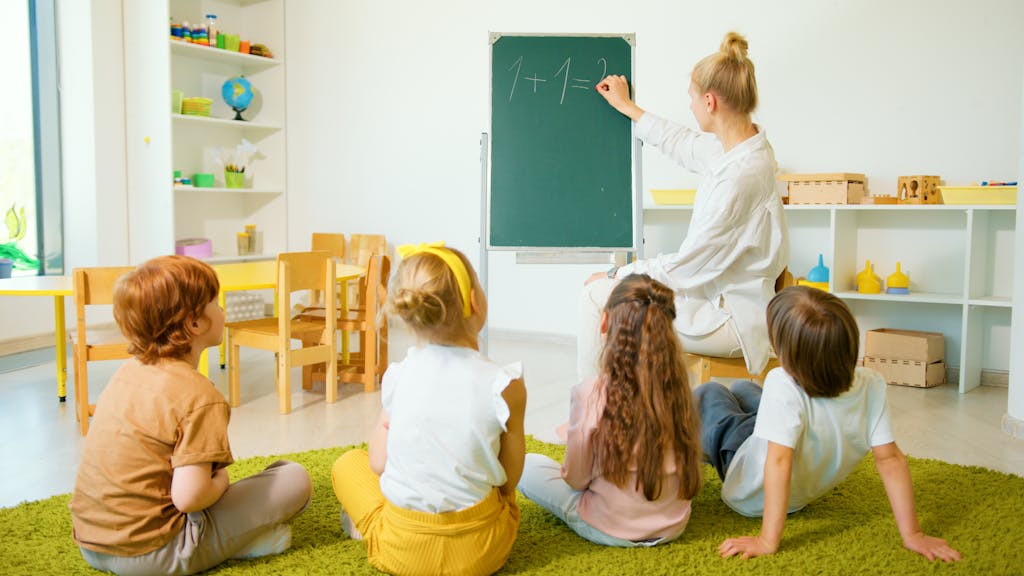
In the past, students were expected to sit still for hours, with little movement throughout the day. But as educators have gained a better understanding of how students learn, classrooms have become more dynamic, recognizing that physical movement plays a key role in learning.
For instance, students who once had to keep their hands on their desks for hours can now use fidget tools like spinners, stress balls, and chewable jewelry. These tools, especially beneficial for children with ADHD, help keep students engaged without disrupting their learning. Furthermore, seating arrangements have evolved from rigid rows of desks to flexible setups that encourage collaboration and movement. Schools now feature furniture that is easy to rearrange, including wheeled desks, standing desks, and even inflatable stability balls, which help students stay focused and comfortable.
Additionally, classroom design has also embraced color theory. Classrooms are now designed with a balance of hues to create stimulating yet calming environments. Brighter accent walls combined with muted tones are believed to help maintain student focus while also preventing overstimulation.
Decline of Chalkboards and the Rise of Smart Boards
In the past, chalkboards were synonymous with education. Their dusty allure and the screeching sound of chalk against the surface are memories etched in many minds. But the rise of whiteboards, and later smart boards, has replaced the humble chalkboard in most classrooms.
Whiteboards, with their dry-erase markers and cleaner, more versatile use, became the go-to solution in the late ’90s, outperforming chalkboards four-to-one by the year 2000. By the mid-2000s, interactive smart boards emerged, enabling teachers to project lessons directly from their computers, manipulate content in real-time, and offer a more immersive learning experience.
This shift not only improved the classroom’s aesthetic but also enhanced teaching methods. Smart boards enable the integration of multimedia content, such as videos, animations, and interactive exercises, making lessons more engaging and impactful.
New Focus on Student Wellness and Comfort
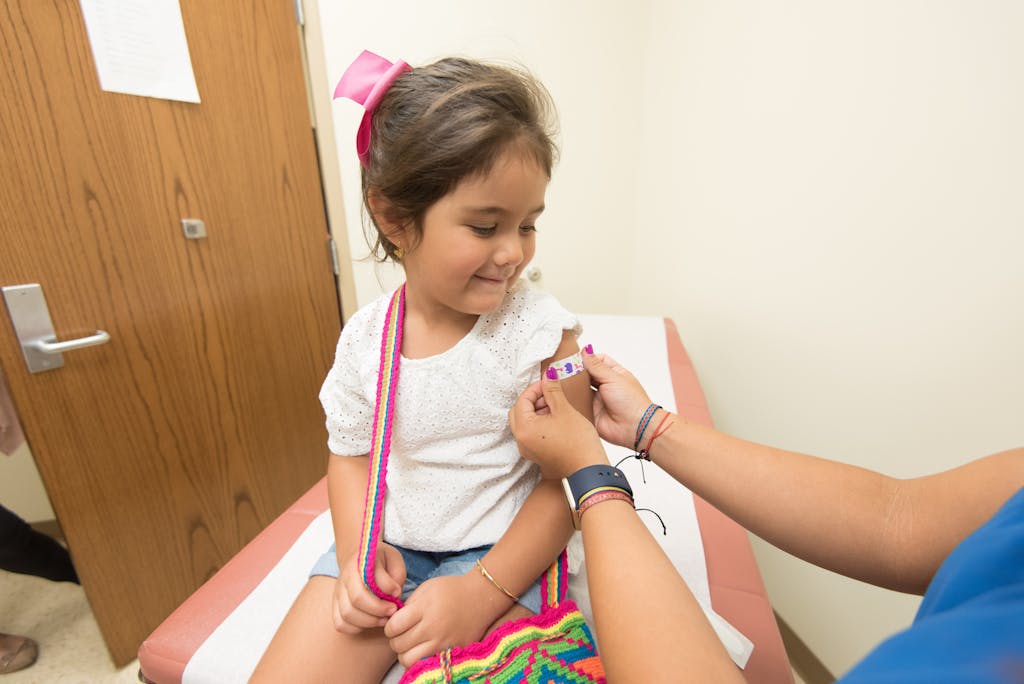
As education has evolved, so too has the recognition that student well-being plays a crucial role in academic success. Fifty years ago, classrooms were sterile environments, often devoid of comfort or warmth. Today, however, many classrooms feature reading corners, cozy rugs, and even pillows to create a more inviting and relaxed atmosphere for students. These comfortable spaces encourage students to take breaks, relax, and refocus, ultimately boosting their productivity and learning capabilities.
The move towards more relaxed classroom environments also reflects an increased understanding of the importance of mental and physical health for student achievement. Having spaces where students can unwind, collaborate, and even stretch their legs throughout the day fosters a healthier school environment.
Computer Revolution
Computers have become an essential tool in education, yet just a few decades ago, personal computers were a rarity in classrooms. During the ’70s and ’80s, technology integration in schools was slow. Schools only saw their first significant introduction to computers in the mid-1980s, with personal computers like the Apple II appearing in limited numbers. At that time, there was typically one computer per 100 students, making them a novelty.
By the mid-’90s, the availability of computers had increased drastically, with one computer for roughly every 10 students. Today, however, even computer labs are beginning to fade into the past. Instead of sitting in a designated lab, students now carry personal devices like laptops and tablets everywhere they go. This transition reflects the increasing integration of technology into all aspects of education. Personalized learning through digital devices is becoming the norm, enabling students to work at their own pace and providing teachers with real-time data on student progress.
Rise of Digital Textbooks and Interactive Learning
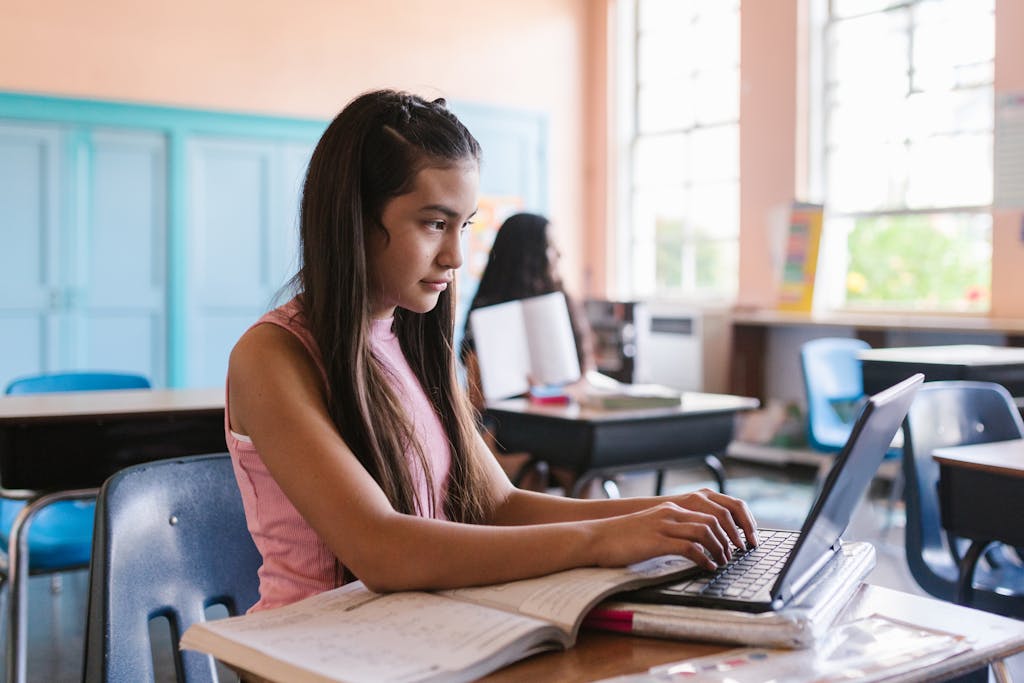
Gone are the days when students lugged heavy backpacks stuffed with textbooks. The digital revolution has not only made physical textbooks lighter but also more interactive and engaging. Schools have shifted toward e-books and online resources, where students can access personalized learning experiences tailored to their needs. These resources are often far more interactive, offering tools such as quizzes, videos, and forums, which improve learning outcomes and encourage student participation.
Textbook publishers have also embraced digital platforms, creating web-based tools that supplement traditional books, offering interactive elements such as video explanations, quizzes, and in-depth exercises. This shift toward digital content allows teachers to tailor lessons to individual student needs and create a more immersive classroom experience.
Role of Technology in Transforming Classroom Interaction
Another major transformation has been in how students interact with one another. In the past, desks were arranged in long, orderly rows, facing the teacher’s desk at the front. This setup emphasized a one-way flow of information, where the teacher was the center of attention.
Today, however, research suggests that interactive, student-centered learning leads to better educational outcomes. Modern classrooms often have desks arranged in clusters or U-shapes, facilitating group work, discussions, and a more collaborative learning environment. These arrangements encourage peer-to-peer learning and foster greater student engagement.
In addition to physical changes, technology has also played a pivotal role in transforming how students collaborate. With tools like Google Classroom, Zoom, and Microsoft Teams, students can work together seamlessly from anywhere in the world. Digital collaboration has made group projects easier to execute and more efficient, breaking down the walls of traditional classroom boundaries.
From Static Dress Codes to Standardized Uniforms
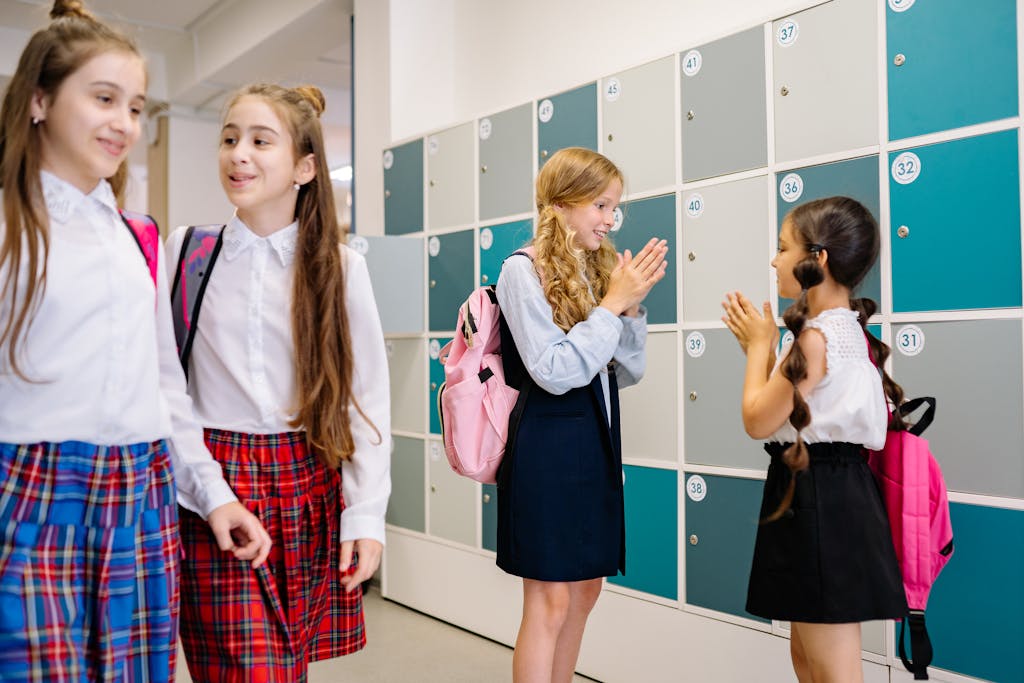
While school uniforms have always been common in private institutions, the public school landscape has shifted in recent decades, with more schools adopting uniforms to create a sense of community and reduce distractions. In fact, by 2016, more than 21% of U.S. public schools required uniforms, a sharp increase from just 12% in 2000.
School uniforms have been touted for their ability to reduce peer pressure related to clothing and create a more focused, cohesive environment. The idea is that when students wear the same attire, they are more likely to focus on their education rather than their appearance, and it also promotes a sense of equality.
Phasing Out of Overhead Projectors and TV Carts
Two once-ubiquitous classroom tools have all but disappeared from modern classrooms: the overhead projector and the television cart. Overhead projectors, which were a classroom staple for decades, were gradually replaced by digital projectors and smart boards, which offer far greater versatility and interactivity.
Similarly, the iconic TV cart that would be rolled into classrooms for film screenings or educational videos has been retired. Today, digital projectors and smart boards allow for seamless integration of multimedia content, making any type of digital entertainment a smoother, more integrated experience.
Classroom Changes
The classroom has evolved far beyond its traditional role of housing desks, chalkboards, and students. As society and technology continue to evolve, so too does education. With new innovations, new ways of learning, and a greater understanding of student needs, the classroom of the future will likely continue to change. From flexible learning spaces to digital textbooks and personalized learning tools, the classroom transformation reflects a growing focus on making education more engaging, interactive, and adaptable to the needs of every student.