First-time travel is exciting but often comes with unexpected mistakes. From overpacking to cultural misunderstandings, many common errors can turn a dream trip into a disaster.
Being aware of these rookie pitfalls can help ensure your first overseas adventure is smooth and memorable. Here’s how to avoid the most common travel mistakes.
Packing Too Much and Dragging Your Stress Through the Airport
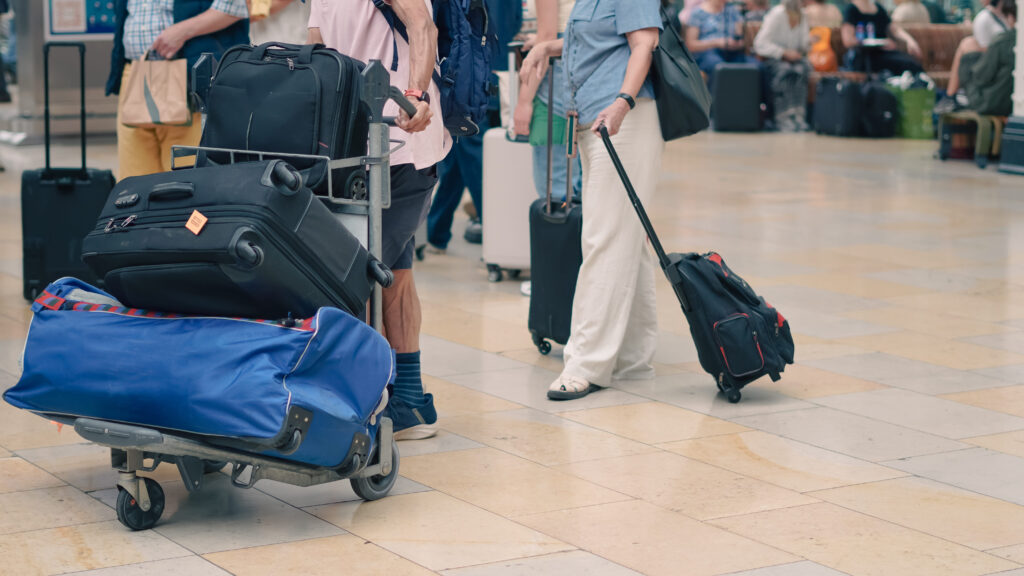
Overpacking leads to heavy bags and unnecessary hassle. First-time travelers tend to pack for every possible scenario instead of focusing on essentials. The result is lugging extra weight through airports, buses, and city streets.
Stick to a limited selection of clothing that can be mixed and matched. Prioritize comfort and practicality, leaving space for anything you might buy along the way.
Ignoring Passport Validity, Visa Rules, and Transit Requirements
A passport may be valid, but it could still be rejected due to specific entry requirements. Many countries require that your passport be valid for at least six months after your trip. First-time travelers often overlook the visa and transit rules for each stop on their journey.
Always double-check the entry and exit requirements before booking flights. This simple step can save you from delays and additional costs at airports.
Booking Flights with Unrealistic Connection Times
Short connection times between flights are risky, especially during international travel. First-time travelers often assume that a 55-minute layover will be enough, but airports are unpredictable. Missing a connecting flight due to delays or long airport distances can ruin your trip.
It’s smarter to allow for longer layovers, especially when connecting between separate airlines. A little extra waiting time ensures peace of mind and smoother transitions.
Carrying Too Much Cash
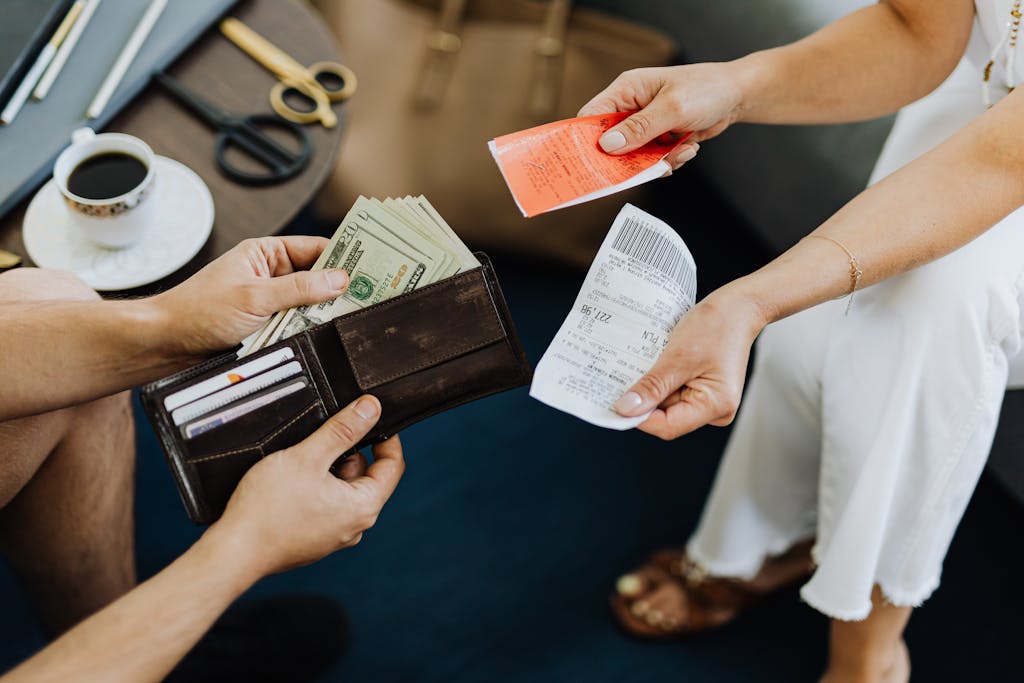
Carrying large sums of cash on your travels is risky and often unnecessary. It’s not only unsafe; many places now prefer digital payments to physical money. First-time travelers often make the mistake of exchanging large amounts at the airport, only to find that they don’t need it.
Stick to a small amount of cash for emergencies, and use a reliable travel card for daily expenses. This method is safer and more convenient.
Landing Without Mobile Data, Offline Maps, or a Communication Plan
Without mobile data, getting around a foreign city can quickly become frustrating. First-time travelers often assume that Wi-Fi will be readily available but find themselves disconnected. Maps, translation, and booking apps are essential but useless without an internet connection.
To avoid getting lost or frustrated, buy a local SIM card or use an international eSIM. Ensure your phone works upon arrival and download offline maps as a backup.
Forgetting to Research Local Customs, Dress Codes, and Basic Etiquette
Every destination has its own set of cultural expectations. Failing to learn local customs and dress codes can lead to uncomfortable or even disrespectful situations. For example, some countries require modest clothing at temples or churches, and others have specific greetings and behaviors.
Research basic etiquette before you go, and respect the local culture. This small step helps build positive interactions with locals and enriches your travel experience.
Failing to Back Up Important Documents
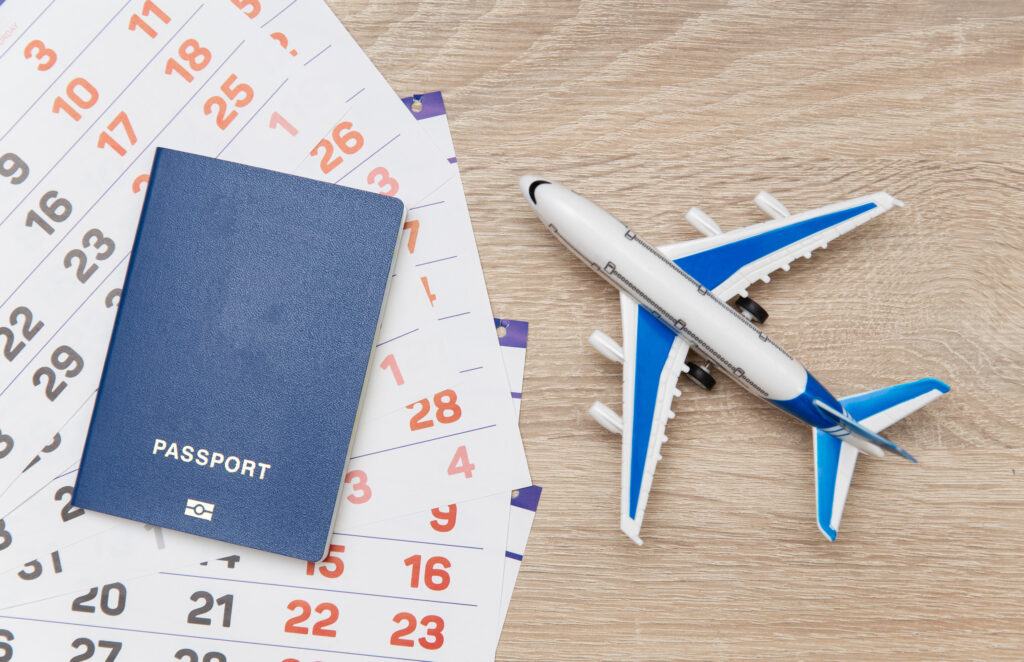
Losing important travel documents can ruin an otherwise perfect trip. First-time travelers often store their passports, bookings, and travel info on their phone or in one place. A stolen wallet or dead phone can easily disrupt the entire journey.
Back up all essential documents in digital format and send copies to your email or a trusted person. It’s also wise to carry physical copies in a separate bag as a precaution.
Underestimating Jet Lag and Planning Too Much on Arrival Day
Jet lag is often underestimated, leading to exhaustion on the first day. Trying to dive straight into sightseeing after a long flight can feel overwhelming when your body is adjusting to a new time zone.
First-time travelers may think they can push through the fatigue, only to burn out quickly. Plan a lighter arrival day with rest, hydration, and exposure to natural light. This will help you adjust and enjoy the rest of your trip more fully.
Booking Accommodation Based Only on Pretty Photos
Choosing accommodation based solely on photos can be misleading. First-time travelers often book a beautiful hotel room without checking its location or reviews. You may end up far from major attractions or stuck with noisy neighbors.
Always check reviews and make sure your accommodation is near transportation options and key sights. A little extra research can prevent frustration and ensure a more comfortable stay.
Forgetting About Time Zones and Misunderstanding Schedules
Time zone confusion can easily ruin travel plans. A flight or event scheduled in the wrong time zone can cause unnecessary stress. First-time travelers often make the mistake of not double-checking time differences or not converting local time properly.
Set your phone’s clock to the destination’s time zone a few days before departure. This helps you stay on track and avoids last-minute confusion.
Skipping Travel Insurance Because the Trip Feels Simple

Travel insurance is one of the easiest things to overlook, but it provides critical protection. It covers everything from missed flights to medical emergencies abroad. Without it, even small travel mishaps can become expensive problems.
Purchase insurance as soon as you confirm your trip. A solid policy is one of the best investments you can make for stress-free travel.
Overpacking Technology and Forgetting the Basics
Overloading your travel gear with gadgets can cause problems. From extra chargers to portable speakers, the weight can add up quickly. First-time travelers often forget essential items like power adapters, extra batteries, or basic toiletries.
Keep it simple: a travel adapter, backup phone charger, and essential documents are all you need. Don’t let tech overload create unnecessary stress or weight in your bag.
Being Too Rigid About Travel Plans and Not Allowing Flexibility
First-time travelers often want everything planned down to the minute, but this can lead to stress. Unexpected delays or changes in the weather may force you to improvise. It’s important to allow room in your schedule for spontaneity. Take time to relax, explore without an agenda, and enjoy unplanned moments. Some of the best travel memories come from the unexpected.
Not Checking Travel Alerts, Weather Forecasts, and Local News

Before heading out, check for local weather, travel alerts, or safety warnings. First-time travelers often fail to review updated travel advisories, especially if their destination has fluctuating weather or recent disruptions.
Staying informed about local conditions and news can help you avoid unpleasant surprises, like natural disasters or strikes. Always keep an eye on the forecast and news sources for any updates that may affect your trip.