Did you know that some of the products we now associate almost exclusively with women were originally designed for men? From high heels to handbags, history is packed with surprising examples of everyday items that have switched sides in the gender game.
The journey of these once-masculine innovations becoming feminine staples is full of fascinating twists, thanks to shifting practicality, changing perceptions, and some clever marketing along the way.
Get ready to rethink your assumptions as we explore the unexpected origins of these familiar items.
High Heels
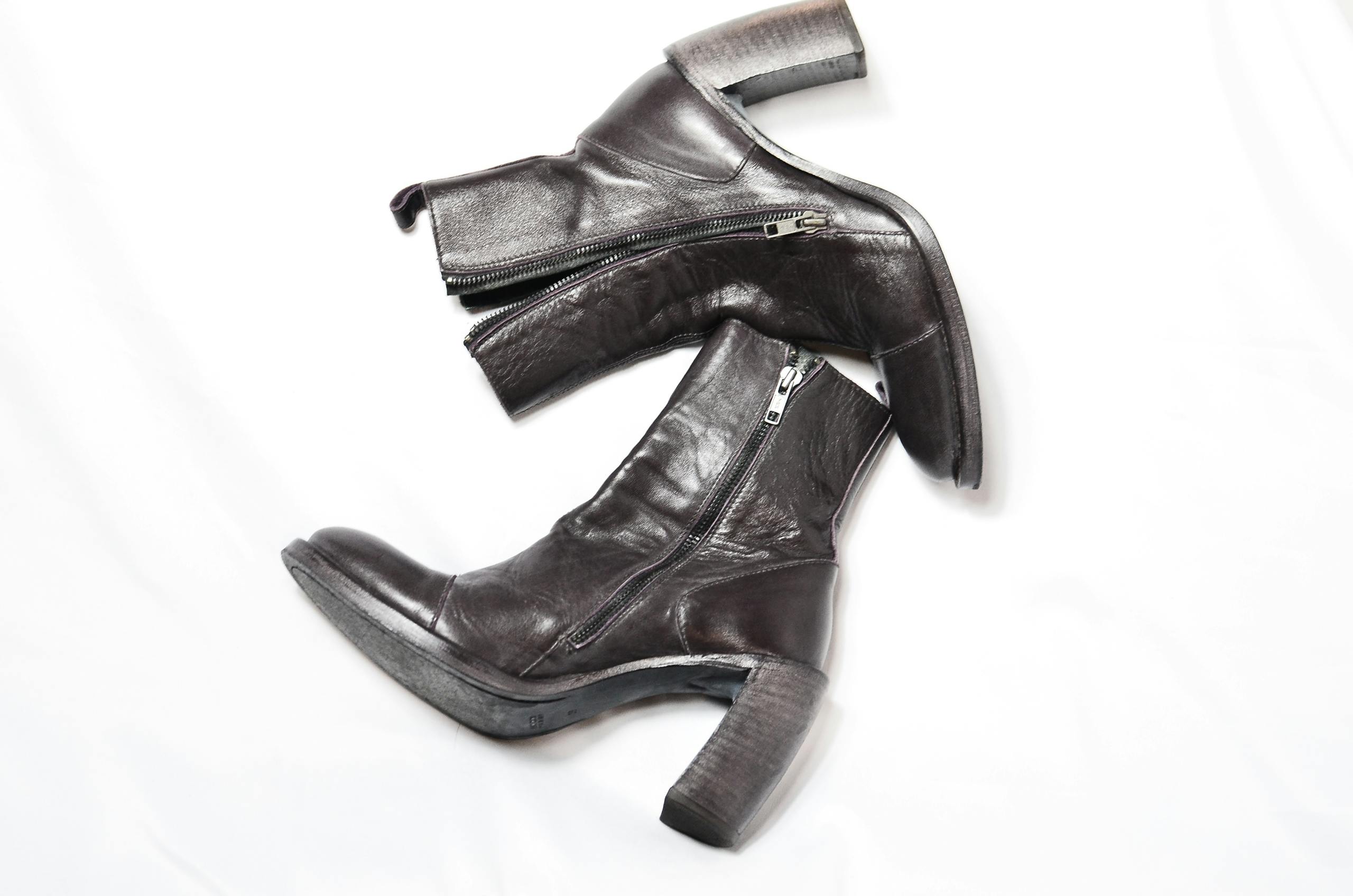
It might be hard to imagine, but high heels were not created with women in mind. They were first developed for Persian soldiers in the 10th century to provide better stability while riding horses.
The heel helped secure their feet in stirrups, ensuring greater balance and precision when shooting arrows or engaging in battle.
It wasn’t until the 17th century that high heels reached Europe. Surprisingly, they were initially worn by men, especially among the aristocracy, to project an image of power and height.
King Louis XIV of France even mandated high heels for his court, and in a bold move, gave red-heeled shoes to male members of his cabinet to distinguish them as royal elites.
As time passed, high heels became associated with women, mainly because they created an illusion of small feet when worn with long skirts.
While men’s high heels maintained a thicker heel with a more functional design, women’s heels grew thinner and more fashionable. Eventually, heels became too “feminine” for men to wear, leaving high heels exclusively in the women’s fashion domain.
Handbags
The handbag is another fashion item that saw a dramatic shift in gender roles. In earlier centuries, both men and women used pouches to carry essential items such as money, tools, and keys. Men typically carried these small pouches attached to their waistbands.
By the 18th century, women began to opt for reticules, small, decorative bags held by a drawstring. These handbags evolved in the early 1900s, borrowing design elements from men’s original bags and adding functionality such as compartments and fasteners for practical use.
As designers catered to women’s evolving needs, the handbag transitioned into the feminine accessory we know today.
This shift was not just about practicality; it was about creating a lucrative market for women’s fashion, making the handbag an indispensable part of women’s attire.
The G-String
The g-string is another surprising example of an item originally designed for men but later adopted by women. While we know the g-string as a popular feminine undergarment today, its origins trace back to ancient civilizations, where it was worn by both men and women in various forms.
In ancient Egypt and Greece, men wore a similar garment made of cloth that covered only the private parts, leaving the buttocks exposed.
Men in various athletic or ritualistic contexts typically used these thongs. The modern thong we recognize today first appeared in the 1930s, initially worn by male dancers to balance modesty and sensuality.
It wasn’t until the 1970s that women embraced the thong for its ability to prevent visible panty lines. The introduction of the g-string to women’s wardrobes was a direct result of shifting fashion trends and changing attitudes toward body aesthetics.
The History of Men’s Stockings

Stockings were once an essential piece of men’s clothing, particularly for the upper class. Dating back to the 9th century, men of aristocratic families wore silk stockings to complement their fine attire. These stockings were typically worn with tunics or robes and were considered a mark of social status.
By the 18th century, however, stockings began to shift towards feminine wear. Women adopted the style as part of their fashionable outfits, and over time, stockings became associated exclusively with women’s clothing.
The male population abandoned stockings, preferring trousers; as a result, stockings entered the world of feminine fashion, where they remain today.
Skinny Jeans
The skinny jeans we see today have a surprisingly gender-fluid history. While we often think of jeans as a staple of men’s clothing, the first pair of jeans was designed in 1873 by Jacob Davis and Levi Strauss for men working in mines during the California Gold Rush.
These durable trousers were designed to withstand the harsh conditions of labor, providing comfort and utility for male workers.
Women’s jeans were introduced later, with Levi Strauss & Co. producing the first women’s jeans in 1930. However, it wasn’t until the 1960s and 1970s that the skinny jean style emerged for both men and women.
As fashion trends evolved, women’s skinny jeans became tighter and more form-fitting, while men’s remained slightly looser. Today, skinny jeans are unisex, though they are largely seen as a feminine fashion choice in many cultures.
The Bra Clasp
The hook-and-eye clasp that now holds women’s bras together was originally invented by none other than Mark Twain.
The famed author, known for his wit and unconventional ideas, disliked suspenders and sought a more comfortable, practical way to keep his trousers secure. In 1871, he patented a metal clasp designed to hold trousers in place.
While this invention was initially used in men’s clothing, it eventually found its way into women’s bras, where it became an essential fastening.
Today, the bra clasp is almost universally recognized as a feature of women’s clothing, but its origins lie in functionality for men’s clothing.
Disposable Menstrual Pads
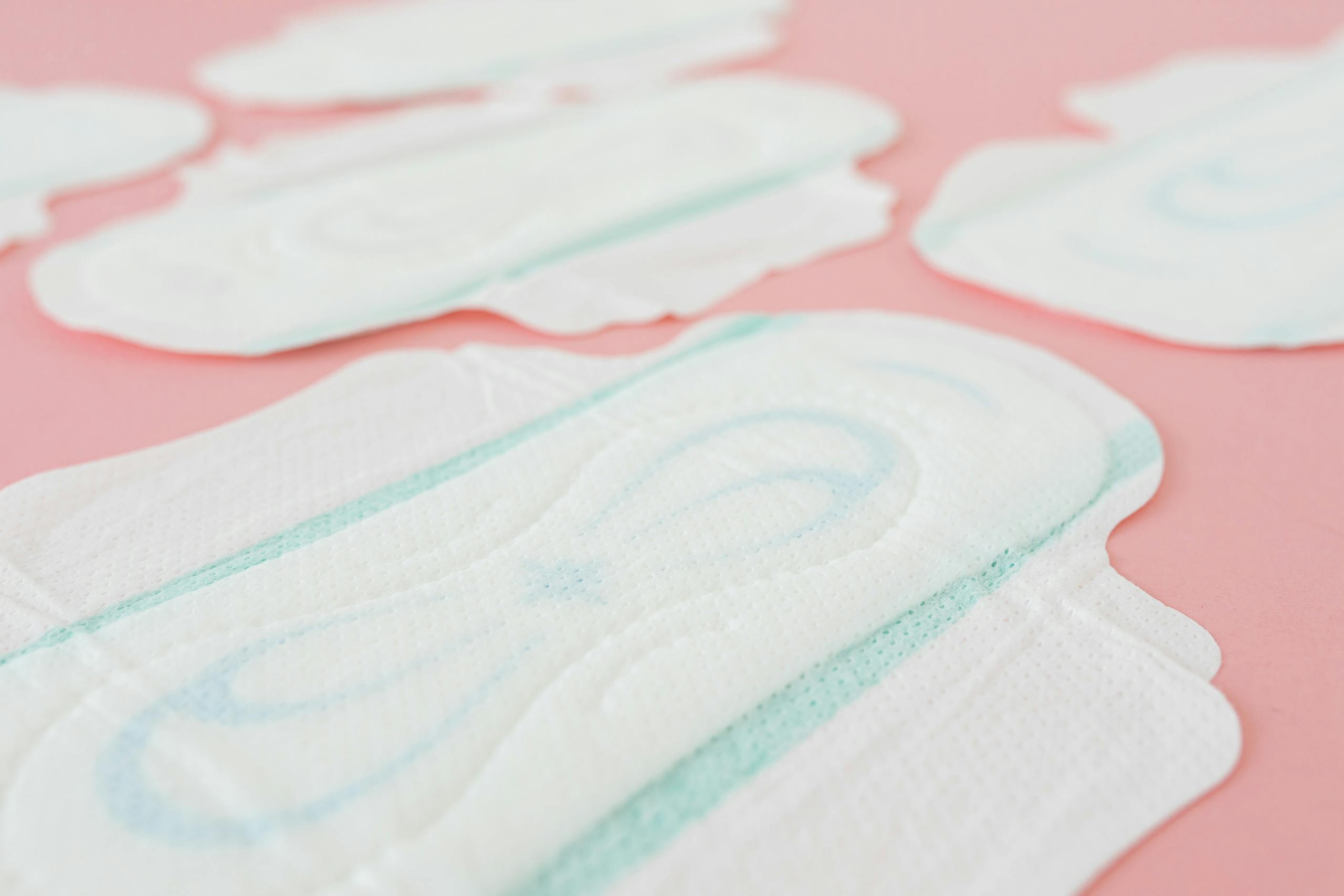
Believe it or not, the first disposable menstrual pads were not designed for women’s menstrual cycles, but for military purposes.
During World War I, a new material called Cellucotton was developed for medical dressings to treat injured soldiers. The material proved highly absorbent and cost-effective, making it ideal for wartime use.
It wasn’t until female nurses noticed the material’s potential for menstrual use that the idea of disposable pads took off. By 1920, Kimberly-Clark had rebranded Cellucotton as Kotex, and disposable menstrual pads had become a staple for women.
This unexpected origin story highlights how an item originally intended for male soldiers became a life-changing innovation for women.
Conclusion
These eight items, originally designed for men, showcase how fashion and functionality have evolved. What was once practical for men has, in many cases, become symbolic of femininity, while products initially targeted at women have moved in the opposite direction.
This fascinating reversal not only highlights the fluidity of gender roles but also demonstrates how consumer culture and fashion trends can reshape our understanding of everyday items.