Some ancient buildings have endured for centuries, evolving to meet modern needs while safeguarding their historical significance. These architectural wonders, built with materials like stone, timber, and brick, have proven their resilience across generations. Here are eight remarkable ancient structures that continue to serve their original or repurposed purpose, providing a fascinating window into the ingenuity of past civilizations.
Proserpina Dam – Spain
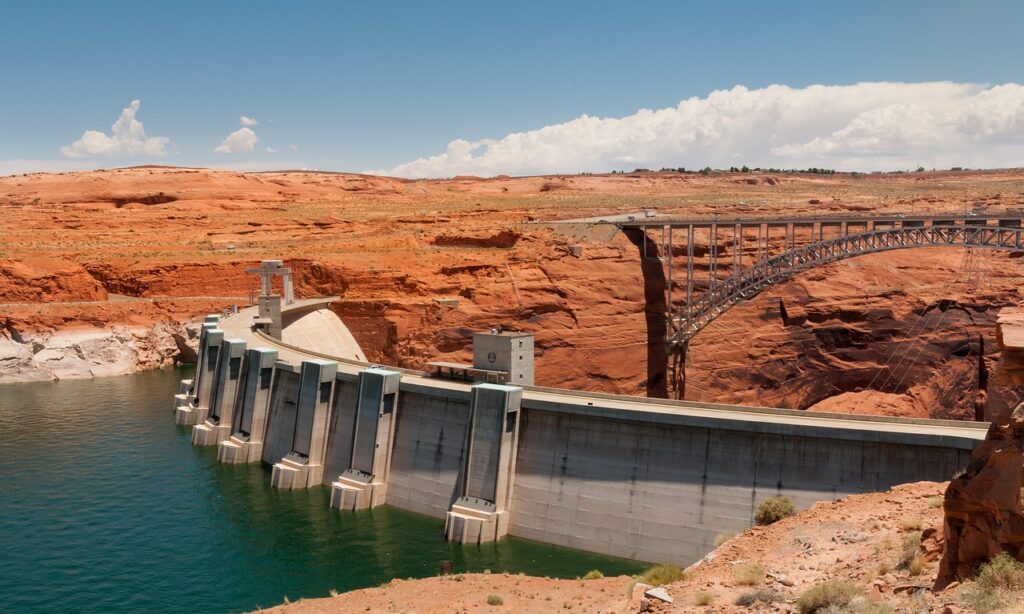
The Proserpina Dam in Mérida, Spain, built by the Romans in the 2nd century AD, was originally constructed to supply water to the Roman city of Augusta Emerita. Even after nearly 2,000 years, this ancient engineering marvel remains in use today. Local farmers continue to rely on the dam to irrigate their crops, using the same water-control techniques as the Romans. The dam is a testament to the lasting utility of ancient infrastructure.
Arles Amphitheatre – France
The Roman Amphitheatre in Arles, France, built around 90 AD, originally hosted gladiator games and other public spectacles for over 400 years. Following the fall of Rome, the amphitheatre was repurposed as a fortress and later restored in the 19th century. Today, it is a venue for cultural events like plays, concerts, and bullfights, keeping its historic function alive in a modern context. The amphitheatre’s preservation highlights how ancient entertainment spaces can still captivate modern audiences.
Theatre of Marcellus – Rome, Italy
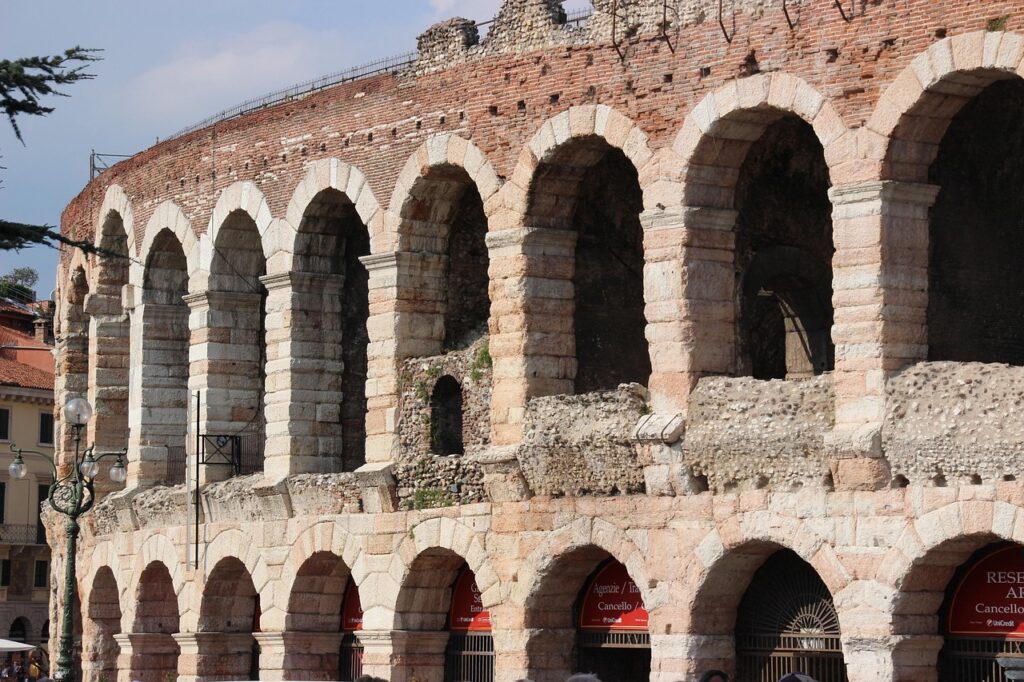
Completed in 13 BC, the Theatre of Marcellus in Rome was once the largest theatre in the city. After falling into disrepair, it was transformed into private residences during the medieval period. Today, its arches stand proudly, and the building serves as apartments, maintaining its grandeur while adapting to modern needs. This repurposing of the theatre showcases the adaptability of ancient structures to contemporary lifestyles.
Theatre of Epidaurus – Greece
The Theatre of Epidaurus, built in the 4th century BC, is renowned for its perfect acoustics and is still one of the best-preserved ancient theatres in the world. Initially designed for theatrical performances as part of a healing sanctuary dedicated to Asclepius, the theatre continues to host musical and theatrical performances today. Its ability to serve as a venue for cultural events after over two millennia underscores the enduring legacy of Greek architectural genius.
Diocletian’s Palace – Split, Croatia
Diocletian’s Palace, constructed in 305 AD by the Roman emperor Diocletian, was originally his retirement residence. After the fall of the Roman Empire, the palace was transformed into a fortified town, with homes, shops, and churches within its walls. Today, the city of Split exists largely within the palace’s confines, preserving much of its original structure while adapting it for modern use. The palace serves as a reminder of how ancient fortifications can evolve into thriving urban centers.
Maymand Caves – Iran
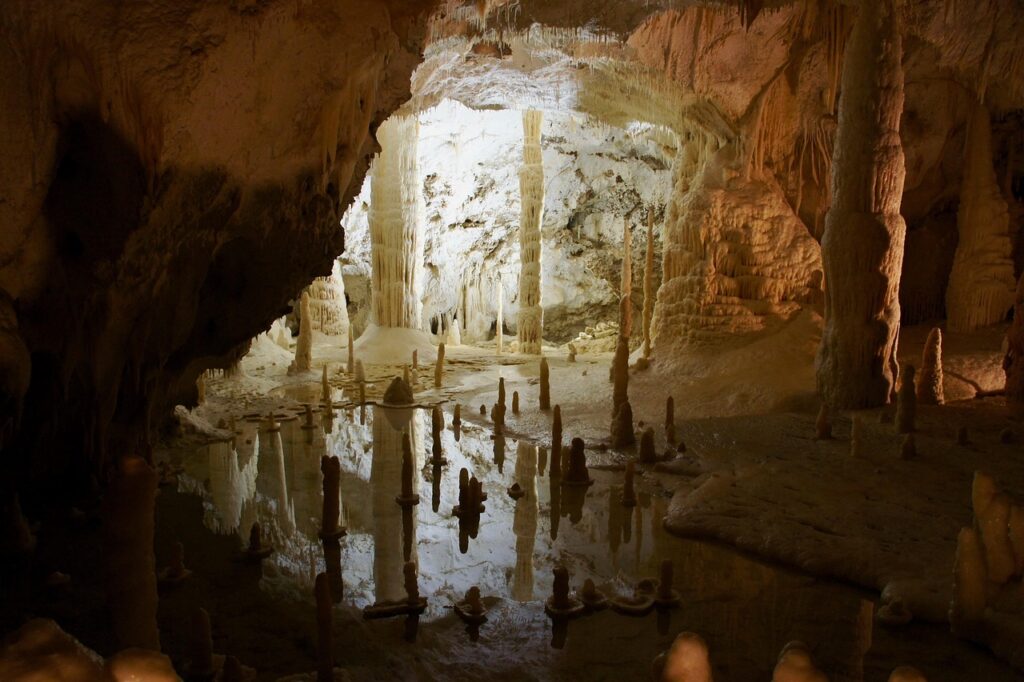
The Maymand Caves, dating back over 10,000 years, are an extraordinary example of ancient dwellings carved into rock. Still inhabited today, these caves have provided shelter for generations, offering insulation from the harsh climate of central Iran. The continuous use of these caves for over 3,000 years speaks to the longevity and functionality of natural rock formations that were altered to meet the needs of ancient humans and continue to do so today.
Castel Sant’Angelo – Rome, Italy
Castel Sant’Angelo, which was originally built as a mausoleum for Emperor Hadrian in 135 AD, has undergone many transformations over the centuries. It was used as a fortress, a papal residence, and a prison before becoming a museum. Today, it houses a collection of Roman and Christian art, seamlessly blending its historical origins with its modern function as a cultural landmark. Castel Sant’Angelo’s evolution is a prime example of how buildings can take on new roles while preserving their historical significance.
Horyu-ji Temple – Nara, Japan
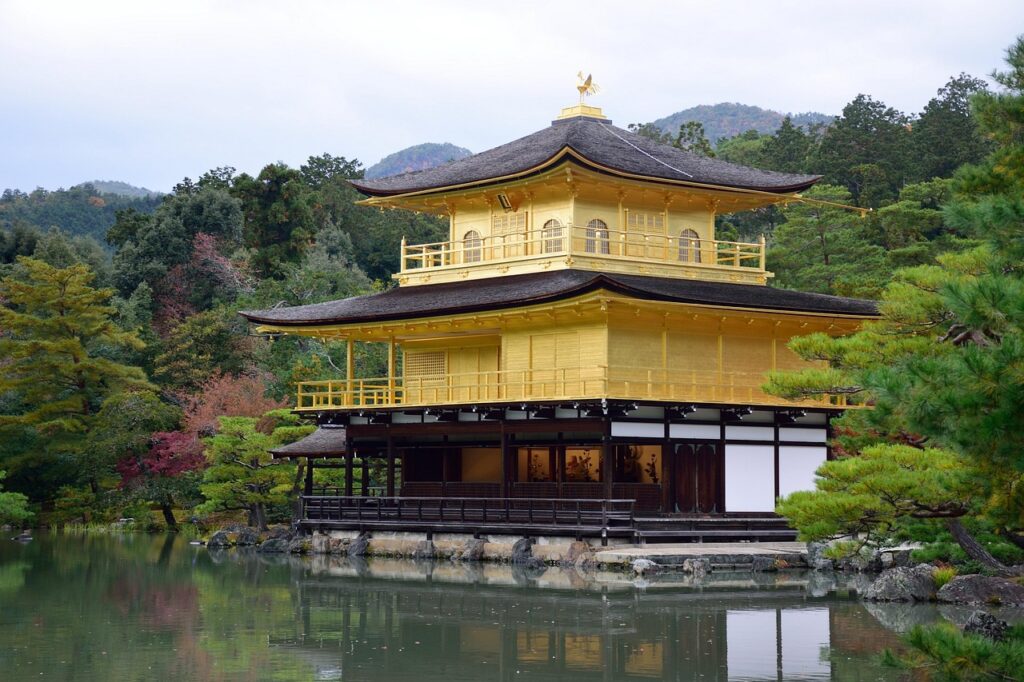
The Horyu-ji Temple, established in 607 AD, is considered the oldest wooden structure still in use. Despite the challenges posed by Japan’s earthquakes and fires, the temple has survived for centuries and remains an active site for worship. The temple’s resilience is a testament to the skill and foresight of ancient builders, and it continues to serve as a crucial cultural and religious landmark in Japan today.
Conclusion
These eight ancient buildings are not just relics of the past but vibrant structures that continue to play important roles in modern society. Their ability to withstand the ravages of time and adapt to changing circumstances highlights the enduring power of ancient architecture.