The death penalty, widely regarded as the ultimate form of justice, is anything but straightforward. It brings profound moral, ethical, and financial implications that have fueled debates for centuries. Beyond being a final resolution, life on death row exposes unsettling truths, contradictions, and dilemmas.
Here’s a closer look at the realities behind this infamous punishment and why it is less clear-cut than it appears.
The High Price of Capital Punishment
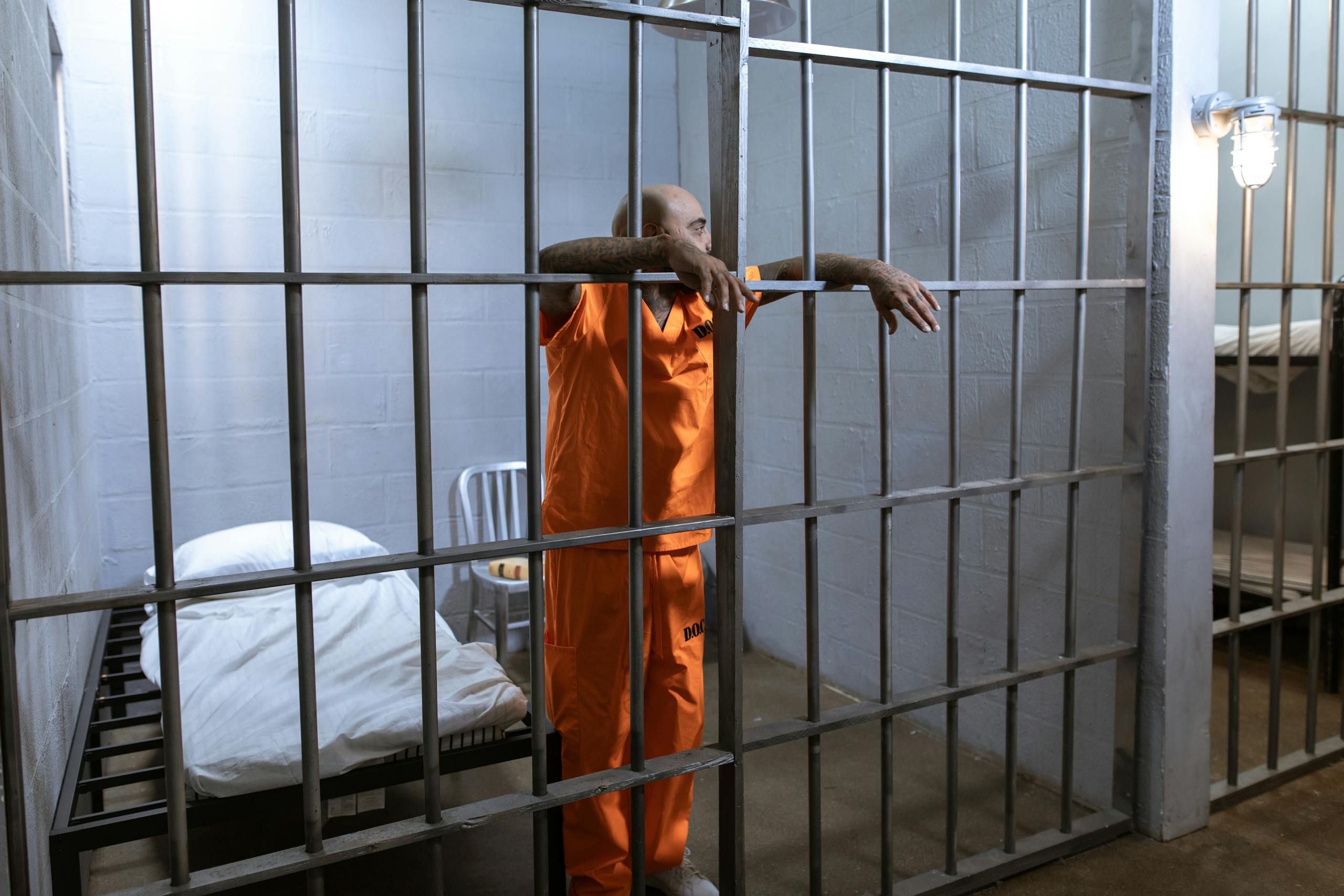
While proponents of the death penalty argue that it provides justice, the financial reality paints a different picture. In states like California, maintaining death row costs taxpayers over $137 million annually. In comparison, a life sentence without parole costs only $11.5 million.
The stark $125 million difference raises significant questions about the efficiency and morality of capital punishment. Given the high costs and questionable deterrent effectiveness, one has to wonder whether it’s worth the price tag.
The Uncomfortable Privileges of Death Row Inmates
Contrary to the image of a harsh and unforgiving life behind bars, death row inmates often enjoy luxuries not typically available in the general population. Some are allowed to possess personal items, such as radios, books, and even small appliances like coffee makers. While this is meant to incentivize good behavior, it often results in public outrage.
Is it ethical to offer such comforts to individuals who have committed horrific crimes? This disparity between expected punishment and actual living conditions highlights the inherent contradictions of the system.
Death Row Marriages
While many might imagine death row as a place devoid of emotional connections, it’s surprisingly common for inmates to marry while awaiting execution. These marriages, often formed through letters and visits, challenge our assumptions about the hopelessness of the situation.
A famous case is that of Damien Echols, the “West Memphis Three,” who married Lorri Davis during his 18 years on death row. While some might view these unions as a form of hope or rebellion, others see them as a tragic reminder of the complexities of human relationships under extreme circumstances.
Last Meal Requests
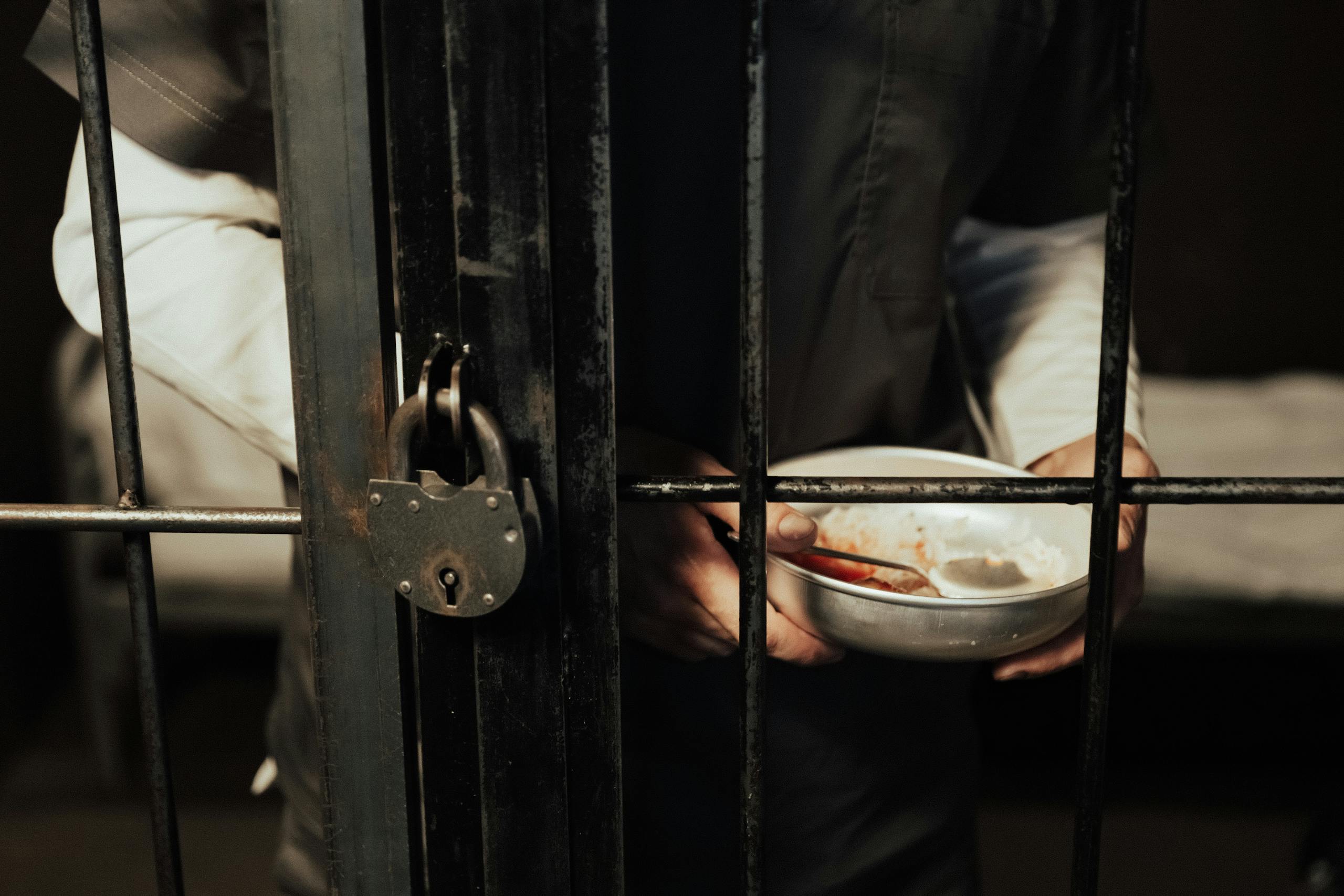
One of the most bizarre aspects of the death penalty is the right to request a last meal. While many inmates ask for comfort foods like cheeseburgers or steak, some make requests that are downright strange. For example, James Edward Smith asked for a lump of dirt for a voodoo ritual.
His request was denied, but it’s this kind of eccentricity that often turns death row into a macabre spectacle. These odd final requests not only raise questions about the inmates’ state of mind but also serve as a haunting reflection of a broken system.
Escapes From Death Row
Even behind high security, death row inmates have occasionally managed to escape. Charles Victor Thompson, for example, made a daring escape in 1998 by impersonating a lawyer. Although his plan was foiled after three days, it raises disturbing questions about the security of death row facilities.
If an inmate can escape under such circumstances, how safe are the supposed safeguards in place to prevent it? This incident underscores the vulnerability of a system that claims to hold individuals accountable for their most grievous crimes.
Death Row Beyond the U.S.
While the U.S. often garners attention for its use of the death penalty, it is not unique in this practice. Countries such as China, Iran, and Saudi Arabia frequently carry out executions.
This contrasts sharply with the growing global trend toward abolition, exposing a divided world: for some, the death penalty is just; for others, it perpetuates violence. These global differences keep the moral debate unresolved.
Children and Women on Death Row
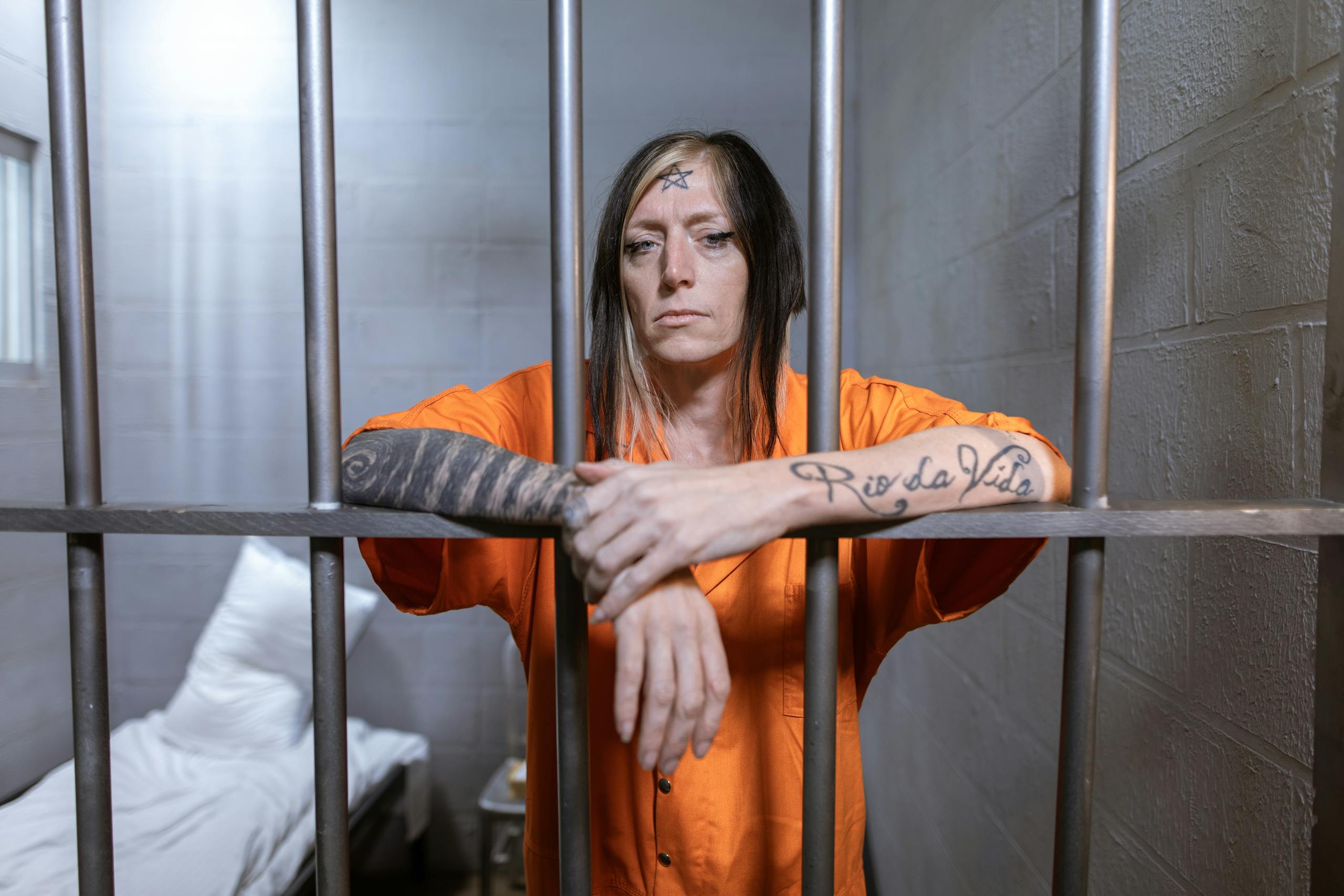
The majority of death row inmates are male, but it’s shocking to learn that women and even minors also face the death penalty. As of 2013, there were 63 women on death row in the U.S. While this figure represents a small percentage of total death row inmates, it still underscores a harsh reality: gender and age do not protect anyone from being condemned to die.
The case of George Stinney Jr., executed at just 14 years old, is a haunting reminder of how systemic flaws in the judicial process have led to irreversible consequences.
Death Row Contraband
Smuggling contraband into death row is a regular concern. From cell phones to drugs, inmates often find inventive ways to bypass security. The 2008 case of Richard Tabler, who used a smuggled cell phone to make threats, highlights these ongoing challenges. Such illicit activity endangers both correctional staff and the public, increasing the risks of the capital punishment system.
Shifting Methods of Execution
As capital punishment debates continue, methods of execution remain contentious. While lethal injection is most common in the U.S., states may allow alternatives like firing squads or electrocution.
The firing squad, with only one shooter using live ammunition, contrasts with other methods and is intended to mask individual guilt. Such differing practices intensify controversy over what is truly humane, complicating the morality debate.
The Outrageous Cases
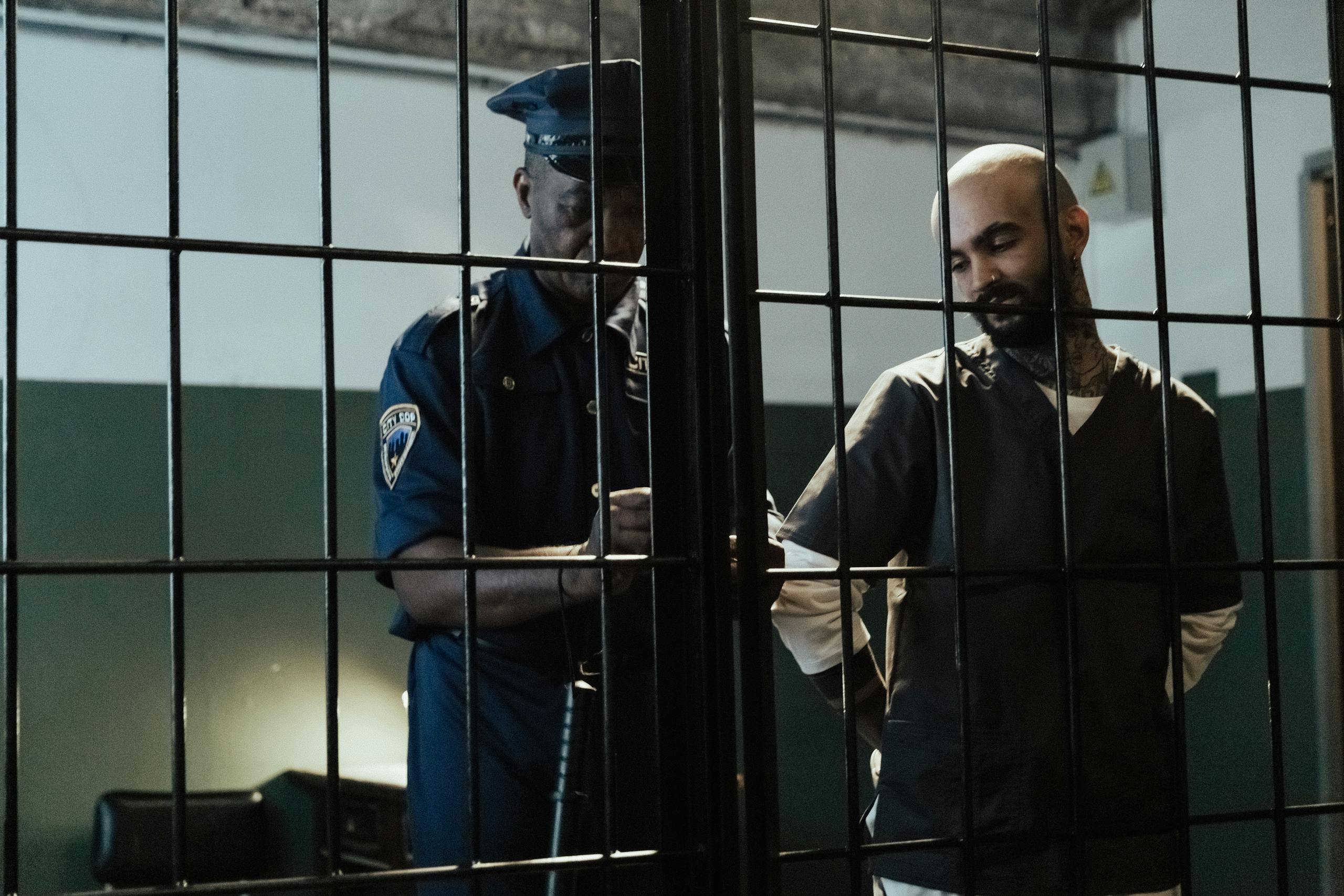
Death row is home to some of the most violent and disturbed individuals, but some of the stories from these inmates take strange and disturbing turns. Robert Vickers, known as “Bonzai Bob,” escalated from strangling his cellmate to orchestrating a firebomb attack on another inmate.
His eccentricities didn’t stop there before his execution in 1999; he requested to wear a three-piece suit to impress any women attending. Vickers’s bizarre behavior exemplifies the oddities that often surround death row, leaving one to question the system’s effectiveness in dealing with its most violent criminals.
Conclusion
The realities of life on death row are far more complicated and far darker than we often realize. From the financial burden it imposes on taxpayers to the strange privileges given to inmates, the death penalty reveals a system filled with contradictions, inefficiencies, and uncomfortable truths.
As we continue to debate the ethics of capital punishment, these stories serve as a reminder of the complexities and injustices that define it. The truth is, the more we look at the system, the harder it becomes to justify its existence.