Social media has seamlessly become part of our daily lives, offering numerous benefits, from staying connected with friends to accessing information. This widespread usage has come with a range of health risks that are often neglected.
If left unchecked, the constant engagement with digital platforms can have serious consequences ranging from physical ailments to mental health deterioration. Now, let us explore the 11 most significant ways social media is harming your well-being.
Digital Eye Strain: The Silent Epidemic
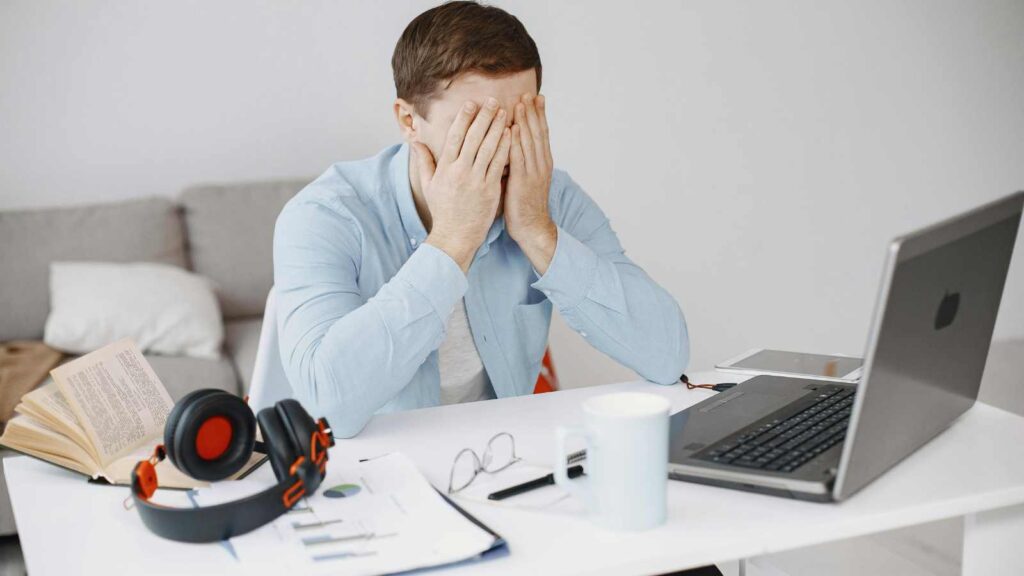
Screens emit blue light, which can cause significant digital eye strain. Symptoms such as headaches, dry eyes, blurry vision, and difficulty focusing are common consequences of prolonged screen use.
Spending hours scrolling through your feed can lead to uncomfortable eye strain, which, over time, can affect your long-term vision.
Key Takeaway:
Take regular breaks from your screen, practice the 20-20-20 rule (every 20 minutes, look at something 20 feet away for at least 20 seconds), and use blue light filters to protect your eyes.
Disrupted Sleep Patterns: The 24/7 Scroll Cycle

Excessive screen time, particularly before bed, can interfere with your circadian rhythm due to the blue light emitted by devices. The result is often trouble falling asleep or poor-quality sleep, which negatively impacts your physical and mental health.
Chronic sleep deprivation can lead to a weakened immune system, impaired cognitive function, and even increased risk of developing serious conditions like heart disease.
Key Takeaway:
Avoid screens for at least 30 minutes before going to bed.
Social Media Addiction: A Growing Crisis
For many people, social media is a never-ending search for approval. The need for likes, comments, or followers can have a big effect on how you feel about yourself.
The brain’s reward system is activated by the constant need for likes, comments, and shares, which makes it hard to stop. This addiction can hurt personal relationships, make people less productive, and cause a lot of stress when they can’t get into their accounts.
Key Takeaway:
Set daily limits on social media use, and engage in activities that don’t involve screens to regain control over your time and mental health.
Increased Anxiety and Stress
Social media platforms are often rife with negative news, unrealistic beauty standards, and constant comparisons.
For many, scrolling through curated images and posts can lead to feelings of inadequacy, anxiety, and stress. Over time, these emotions can escalate into mental health conditions like depression and chronic anxiety.
Key Takeaway:
Direct your social media feed to follow accounts that promote positivity and mental well-being, while unfollowing those that trigger negative emotions.
Cyberbullying and Online Harassment
Cyberbullying is an unfortunate but growing concern, especially for young people. Social media platforms provide a nidus for harassment, where individuals are targeted based on their appearance, opinions, or personal lives.
This, in turn, causes lasting effects on one’s mental health, leading to depression, anxiety, and even suicidal thoughts in extreme cases.
Key Takeaway:
Block harmful accounts, always report harassment, and use privacy settings to protect yourself from unwanted interactions.
Decreased Physical Activity: The Sedentary Lifestyle

Spending long hours on social media often leads to a sedentary lifestyle. Sitting for prolonged periods contributes to a variety of health issues, including weight gain, poor posture, and increased risk of heart disease.
The more time spent scrolling, the less time you have for physical exercise, further exacerbating the problem.
Key Takeaway:
Normalize creating time for physical activities, even if it’s just a short walk or stretching during breaks, to combat the negative effects of a sedentary lifestyle.
Increased Risk of Depression
The constant exposure to seemingly perfect lives on social media platforms can significantly impact self-esteem as people tend to compare their real lives to the curated images others post, leading to feelings of loneliness, sadness, and depression.
Social media’s ability to distort reality has made it one of the leading contributors to rising depression rates worldwide.
Key Takeaway:
Engage in offline activities that bring you joy and fulfillment to limit your exposure to perfection-driven accounts that lower your self-esteem.
Reduced Face-to-Face Interaction
While social media allows for digital connectivity, it often reduces face-to-face interactions. As real-world interactions decline, the ease of online conversations weakens personal relationships and makes people feel lonely and isolated. Over time, not having direct contact with other people can change how you feel emotionally.
Key Takeaway:
Make a deliberate effort to spend quality time with friends and family in person, fostering deeper and more meaningful connections.
Mental Fatigue and Burnout
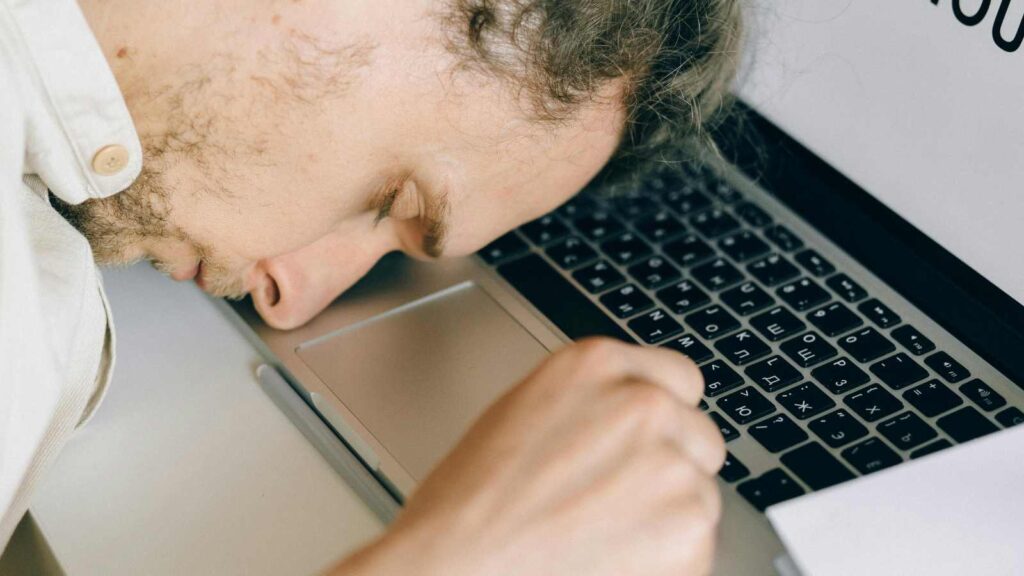
The constant need to stay up to date on social media can lead to mental fatigue. The pressure to respond quickly and the constant influx of information can overwhelm the mind, leading to burnout, which eventually affects productivity.
Key Takeaway:
Take frequent breaks from social media and engage in mindfulness or relaxation techniques to reset your mental state.
Decreased Attention Span
Social media has been linked to reduced attention spans, as users constantly jump from post to post, video to video, and status update to status update. This quick-switching behavior makes it harder to focus on long-term tasks like work, school, or personal projects, which can hurt your productivity and mental health.
Key Takeaway:
Practice deep work and focus on tasks without distractions to improve your attention span and cognitive abilities.
Addiction to Validation: The Impact on Self-Worth
When validation is not received, it can lead to feelings of insecurity, inadequacy, and frustration, which ultimately harm your mental health.
Key Takeaway:
Instead of relying on social media for validation, focus on your own self-worth.
Conclusion: Striking a Balance
Social media has a lot of good things about it, but you should also know that it can be bad for your mental and physical health. You can lower these risks and keep a healthy balance between the digital and physical worlds by setting limits, choosing what you do online, and putting offline activities first.