Human beings are extraordinary storytellers — especially when the story is about us. We weave lies, big and small, into the fabric of social life as a strategy for self-protection and connection.
These everyday lies are not just random; they’re our way to guard fragile egos, navigate discomfort, and maintain a sense of control. Exploring the truth behind these lies reveals how honesty, while difficult, unlocks greater authenticity.
“I’m Fine.”

We’ve all said it — even when our voice cracks and our smile trembles. It’s the default response to uncomfortable questions, a social reflex designed to end the conversation before vulnerability begins. But behind those two words often lies a tangle of emotion we haven’t yet unpacked. Saying “I’m fine” rarely means fine — it usually means “I don’t want you to know how much I’m not.”
“I Don’t Care What People Think.”
We love to claim indifference to others’ opinions, as if we’re untouchable islands of self‑confidence. The truth is, human beings evolved to be deeply social — our survival once depended on fitting in. So the sting of judgment still lingers, even in the bravest hearts. Most of us care far more than we freely admit; we just dress that insecurity in bravado.
“I’ll Do It Tomorrow.”
Procrastination is the polite cousin of denial — it sounds better than “I’m scared” or “I don’t want to.” We tell ourselves we’ll start fresh tomorrow, and tomorrow becomes a revolving door of excuses. Deep down, we know that action is the cure for anxiety. But lying to ourselves about when we’ll begin is easier than confronting the work itself.
“I’m Not Mad.”
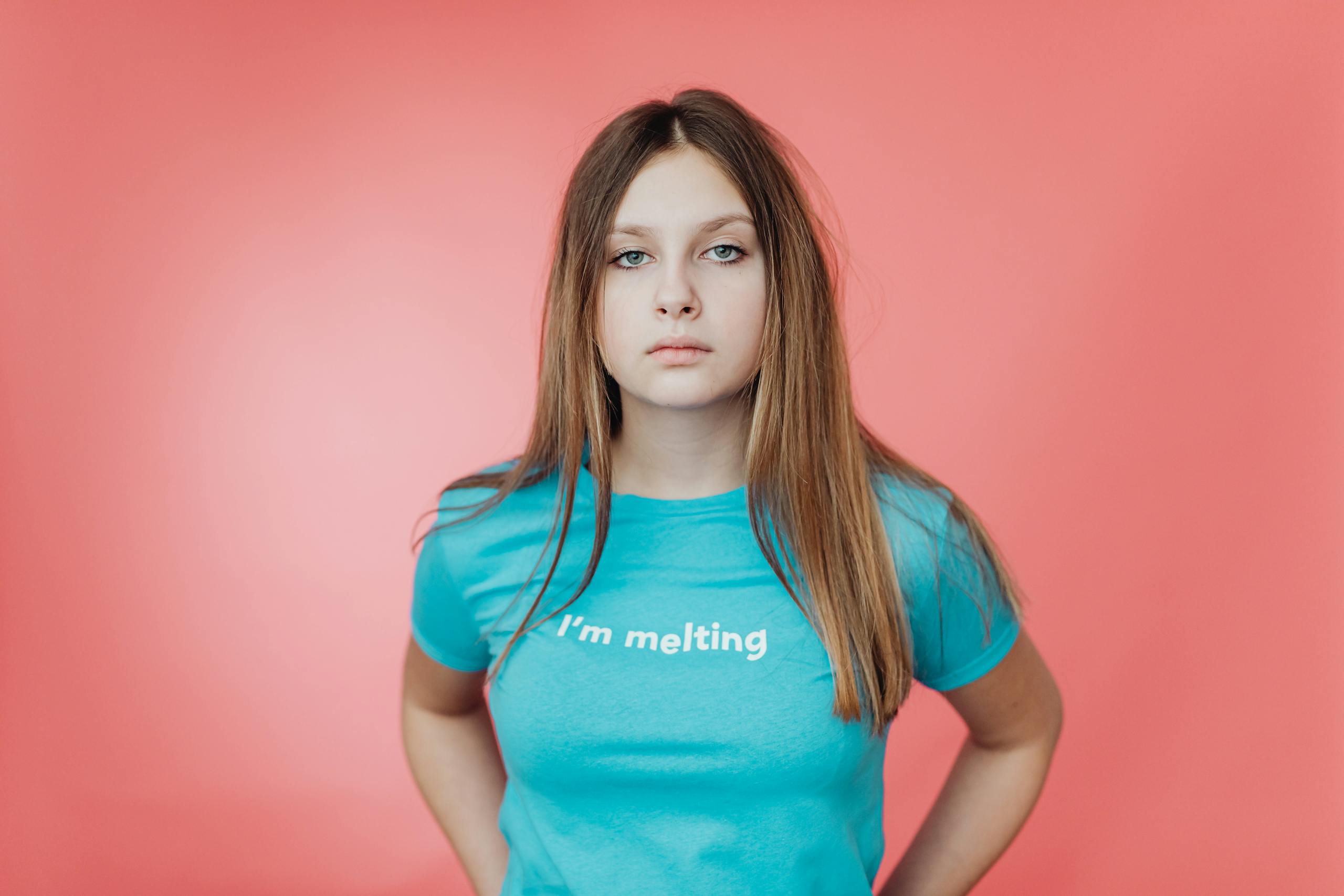
When someone asks if we’re upset and we say we’re not, we often mean “I don’t want to talk about this.” Emotions are messy, and naming them feels like handing someone a weapon. So we bury heat beneath calm words, hoping silence will diffuse tension. The lie isn’t just about anger — it’s about fear of conflict and exposure.
“I Don’t Have Time.”
Time is the one resource everyone has in exactly the same quantity — 24 hours every day. When we say we don’t have time, what we really mean is we chose something else instead. Priorities shape our schedules, and our language about time reveals the truth we’re not eager to vocalize. “I don’t have time” is often a gentler way of admitting “you are not a priority right now.”
“I’m Not Like That.”
Whether it’s a character flaw, a bad habit, or a pattern that keeps repeating, our instinct is to deny uncomfortable reflections. But growth begins with honest self‑assessment, not denial. When we refuse to see ourselves clearly, we remain trapped in the very behavior we claim to reject. That’s why this lie is less about truth and more about identity avoidance.
“Everything Is Under Control.”
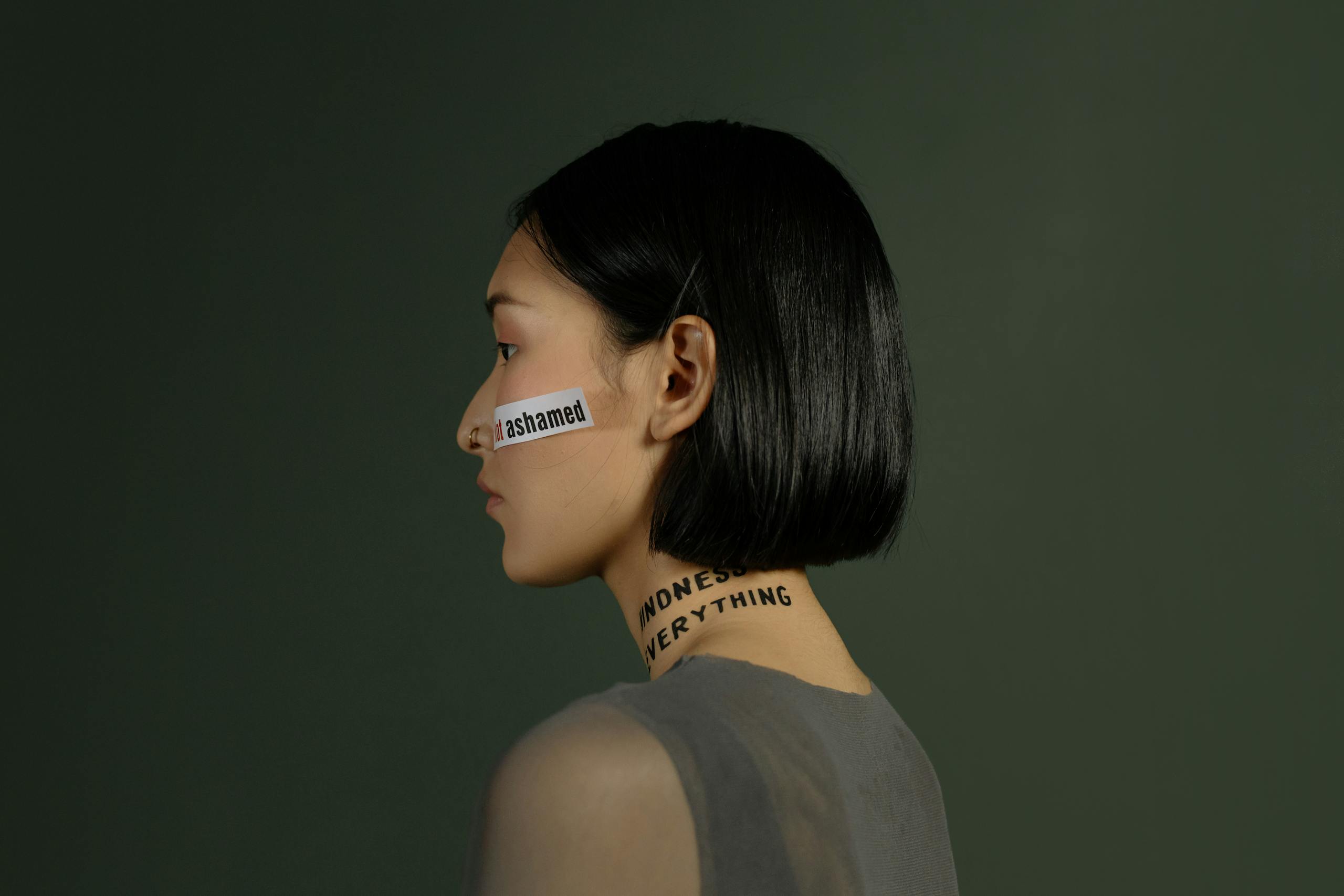
This is the armor of the overwhelmed. We wear it in meetings, at the grocery store, and in front of family members who would worry if they saw our real state. But life’s chaos rarely bows to false confidence. The truth underneath is simpler and humbling: sometimes life is messy, unpredictable, and not under control — and that’s okay.
“I’ll Be Happy When…”
We condition happiness on future events — a promotion, a partner, a lighter bank account. It’s comforting to think joy lives somewhere ahead of us. But happiness isn’t a destination to arrive at; it’s a practice cultivated in the present moment. This lie lies dormant in every postponed celebration and every postponed dream.
“I’m Not Jealous.”
Jealousy is one of the most human emotions, yet we’re taught to deny it as if it were shameful. So we pretend we’re unaffected when someone gets praise, success, or attention we crave ourselves. But jealousy, when acknowledged, is a window into our own desires. Admitting it doesn’t make us weak — it makes us honest.
“I Know What I Want.”

We often claim certainty to mask inner confusion. Life rarely hands out clarity on a silver platter; most of us are figuring things out as we go along. But pretending we have the map when we’re still exploring the terrain creates unnecessary stress. The truth is, sometimes we don’t know — and that uncertainty is where real discovery begins.
Conclusion
Lies are more than social quirks — they’re emotional strategies and self‑protective habits that shield us from a world that can feel too raw or demanding. Yet, each untruth distances us from our true selves and others, demonstrating the real cost of living behind these self-imposed shields. By confronting these lies, we begin to reclaim authenticity, connection, and clarity — the heart of our well-being.
When we face our truths — even the uncomfortable ones — we carve a path to deeper relationships, greater self‑understanding, and genuine freedom. The bravest act isn’t lying — it’s choosing honesty when it’s hardest.