Our diet affects more than our energy levels and weight. It also has a profound impact on the skin’s elasticity, hydration, and overall appearance. Certain foods accelerate the breakdown of collagen and elastin, making wrinkles appear earlier than expected. Understanding which foods contribute to premature aging can help maintain smoother, more resilient skin over time.
Sugar and High-Glycemic Foods
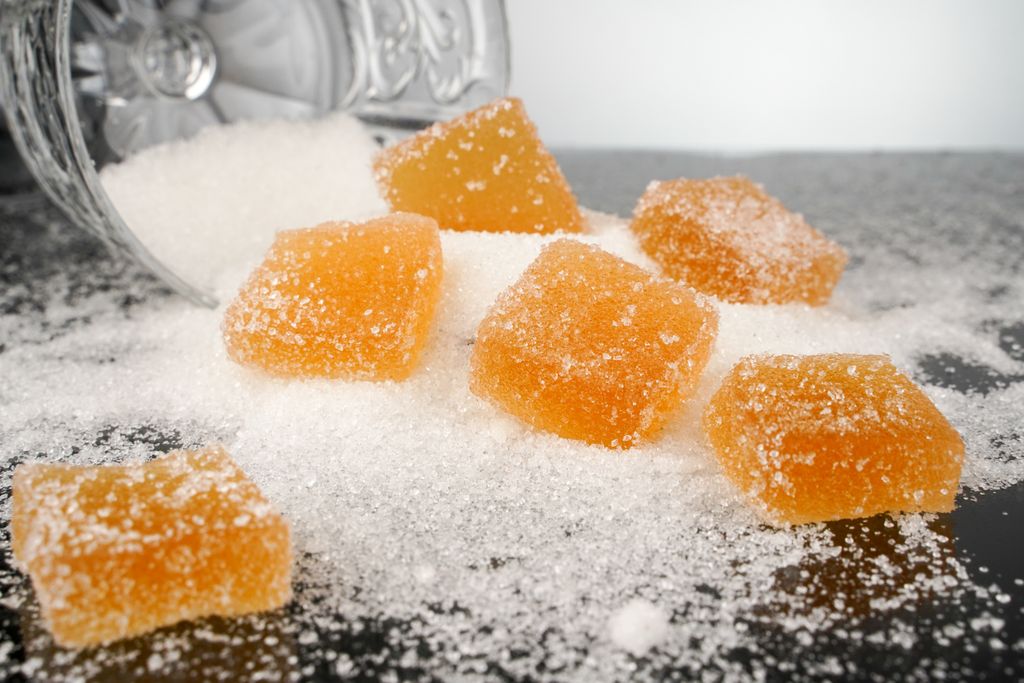
Consuming foods high in sugar or refined carbohydrates triggers a process called glycation. Excess glucose in the bloodstream binds to proteins, forming harmful molecules called advanced glycation end products. These molecules damage collagen and elastin fibers, which are essential for maintaining firm, youthful skin. Foods such as pastries, white bread, sugary cereals, and candy increase glycation stress and accelerate wrinkle formation.
High-glycemic foods also lead to blood sugar spikes and subsequent insulin surges. Elevated insulin levels can trigger inflammation, which further weakens collagen fibers and promotes skin sagging. Over time, diets rich in sugar and white carbs can cause fine lines around the eyes, mouth, and forehead, making wrinkles more pronounced than they would be with natural aging.
Processed Meats
Processed meats like bacon, sausages, and deli slices contain nitrates, preservatives, and high levels of saturated fat. These compounds promote oxidative stress, which damages skin cells and accelerates the breakdown of structural proteins like collagen. Smoking meats and adding artificial flavorings further increase the concentration of compounds that can trigger cellular aging.
Regular consumption of processed meats is associated with chronic inflammation throughout the body. Inflammation contributes to skin dehydration, loss of elasticity, and premature wrinkle development. Even moderate intake can exacerbate fine lines and reduce the skin’s natural ability to recover from environmental damage such as UV exposure.
Fried and Deep-Fried Foods

Fried foods are high in trans fats, which impair circulation and reduce the skin’s ability to receive essential nutrients and oxygen. These fats also disrupt the natural balance of omega-3 and omega-6 fatty acids, contributing to inflammation and oxidative stress. French fries, fried chicken, and deep-fried snacks contain compounds that accelerate collagen breakdown and skin aging.
The high heat used in frying generates advanced glycation end products similar to those caused by sugar. These compounds cross-link with collagen fibers, making them stiff and less elastic. Regular consumption of fried foods can lead to sagging skin, uneven skin texture, and an early onset of wrinkles, especially around areas that experience repeated facial movement.
Excess Dairy Products
Full-fat dairy products can trigger inflammatory responses in some individuals, particularly those sensitive to hormones or lactose. Milk, cheese, and ice cream may contribute to increased sebum production, leading to clogged pores and a dull skin appearance. While dairy is an important source of calcium, overconsumption can indirectly affect skin health by promoting inflammation and oxidative stress.
Hormones naturally present in milk, such as estrogen and progesterone, can also influence collagen integrity. Excessive dairy intake has been linked to accelerated aging in individuals with skin sensitivity, contributing to early signs of aging and reduced skin firmness. Incorporating plant-based alternatives or moderating dairy intake can help maintain skin structure and reduce premature wrinkle formation.
Salty Snacks and Excess Sodium
High-sodium foods such as chips, salted nuts, and processed snacks can cause water retention, dehydration, and skin puffiness. Dehydrated skin loses elasticity more quickly, which accelerates the appearance of fine lines and wrinkles. Chronic high sodium intake can also reduce blood flow, limiting the delivery of nutrients necessary for skin repair and maintenance.
Salt not only affects hydration but also increases oxidative stress. Oxidative stress damages collagen and elastin fibers, leaving skin less able to recover from daily environmental exposure. Reducing salt intake and focusing on potassium-rich fruits and vegetables helps balance fluid retention and support skin elasticity, delaying wrinkle formation.
Alcoholic Beverages

Alcohol acts as a diuretic, stripping the skin of moisture and essential nutrients. Chronic alcohol consumption depletes vitamin A, zinc, and antioxidants, all of which are critical for collagen production and skin repair. Red and white wine, beer, and spirits contribute to dehydration, redness, and inflammation, which accelerate visible aging.
Alcohol also disrupts blood sugar regulation and liver function. Elevated blood sugar levels from excessive drinking can promote glycation, while impaired liver detoxification increases oxidative stress throughout the body. Over time, habitual alcohol consumption manifests as fine lines, sagging skin, and a dull complexion, particularly on the face and around the eyes.
Artificially Sweetened Beverages
Diet sodas and artificially sweetened drinks may seem harmless, but research suggests they contribute to inflammation and glycation-like effects. High concentrations of artificial sweeteners can alter gut microbiota, increasing systemic inflammation that indirectly impacts skin health. Chronic inflammation weakens collagen fibers and reduces the skin’s natural resilience.
These beverages also frequently replace water consumption, leading to subtle chronic dehydration. Dehydrated skin is more prone to creasing and wrinkling, particularly with repeated facial expressions. Swapping artificially sweetened beverages for water, herbal teas, or antioxidant-rich drinks supports hydration and helps maintain smoother, more youthful skin over time.
Refined Oils and Margarine
Refined vegetable oils and margarine contain unstable polyunsaturated fats prone to oxidation during storage and cooking. Oxidized fats generate free radicals, which damage collagen and elastin. Foods cooked with these oils, including commercially baked goods, fried snacks, and fast-food items, deliver these harmful compounds to the skin, accelerating skin aging.
Excessive omega-6 fatty acids promote inflammation when not balanced by omega-3 intake. The combination of oxidative stress and inflammation degrades the skin’s structural integrity, leading to fine lines and early wrinkles. Choosing stable oils such as olive oil, avocado oil, and coconut oil reduces oxidative load and supports skin elasticity.
Refined Carbohydrates and White Flour Products
Bread, pasta, pastries, and other refined-flour foods spike blood sugar and trigger glycation, much like sugar. These carbohydrates form cross-links with collagen fibers, making skin stiffer and more prone to creases. Frequent consumption of refined carbs contributes to uneven skin tone, loss of firmness, and early development of expression lines.
Refined carbs also elevate insulin levels, which can stimulate inflammation and excessive sebum production. This combination further accelerates skin aging and exacerbates wrinkles, particularly on the forehead, around the eyes, and along the mouth. Replacing refined carbs with whole grains and fiber-rich alternatives reduces glycation stress and supports long-term skin health.
Conclusion
Diet plays a pivotal role in maintaining youthful skin. Foods high in sugar, refined carbohydrates, fried fats, processed meats, dairy, alcohol, sodium, and oxidized oils can accelerate collagen degradation, reduce elasticity, and promote wrinkles. Moderating these foods while emphasizing nutrient-rich, antioxidant-laden options supports hydration, inflammation control, and long-term skin integrity. By making informed dietary choices, we can slow the visible effects of aging and preserve a smoother, more resilient complexion.