Surviving an emergency is more than just a matter of luck; it’s about knowing what to do when everything around you feels out of control. While adrenaline might drive us to act quickly, rash decisions often lead to life-threatening mistakes.
The key to survival in any dangerous situation lies in making informed, rational decisions.
Here, we explore the 10 worst survival mistakes people make, and how you can avoid them.
Never Underestimate the Risk of Your Environment
In survival situations, complacency is deadly. It’s easy to assume that because you’ve hiked the same trail before or are familiar with your surroundings, you’re invincible. However, nature is unpredictable, and danger can strike when you least expect it.
Whether it’s an unexpected fall, getting lost in a sudden downpour, or encountering wildlife, being overconfident can easily lead you to underestimate the risks around you. Always approach familiar environments with caution.
Assess your surroundings, prepare for the worst, and have a contingency plan. It’s important to remember that even small lapses in judgment can turn an ordinary situation into a life-or-death crisis.
Drinking Unclean Water
In survival situations, water is one of the most critical resources. However, when faced with dehydration, many people instinctively drink any water they come across, whether it’s from a stream, a puddle, or snow. This impulse can be deadly.
Waterborne illnesses like giardia or dysentery can be contracted from drinking unpurified water, leading to severe dehydration, diarrhea, and, in the worst-case scenario, death. Always purify water before drinking.
If you have the means, boil it. If you don’t, use water purification tablets or a portable filtration system to remove harmful bacteria and viruses. Never take risks with your hydration.
Not Setting Up Camp Before Nightfall
As the sun begins to set, the wilderness becomes a different beast. Darkness brings with it a host of dangers, from predators to the inability to properly assess your environment. If you’re still searching for a campsite as the light fades, you might make mistakes that could jeopardize your safety.
Start looking for a safe place to camp well before dusk. Aim for level ground, away from potential hazards like cliffs or wildlife dens. You also need to ensure that you have enough fuel for a fire and access to clean water.
Setting up camp during daylight gives you ample time to gather resources and avoid being caught in a panic-driven scramble when the night arrives.
Ignoring Your Location When You’re Lost

The worst thing you can do when lost in the wilderness is to keep walking aimlessly. This might feel like the best option when you’re disoriented, but continuing in the wrong direction can put you further from help or safety.
When you realize you’re lost, stop. Sit down, stay calm, and assess your situation. If you’re on a trail, try retracing your steps. If not, set up camp in an open area where searchers can spot you easily. It’s better to stay in one spot and signal for help than to wander aimlessly and risk making the situation worse.
Failing to Stay Calm During Emergencies
When facing a life-threatening situation, panic is your worst enemy. Whether you’re stranded, hurt, or surrounded by danger, panic clouds your judgment and makes it harder to think clearly.
In freezing temperatures, falling through ice, or even during a snake bite, staying calm is crucial. Take slow, deep breaths to center yourself. Keep your emotions in check. In the case of a snake bite, for example, panicking accelerates the spread of venom through your bloodstream.
Stay composed, take action without haste, and remember that staying calm gives you the best shot at survival.
Not Understanding Fire Safety in Wildfires
Wildfires can be one of the most terrifying natural disasters, and they spread quickly. It’s crucial to know how to react if one is headed your way. Some may think finding shelter in a cave or underbrush is a safe option, but this can be a deadly mistake.
In the face of a wildfire, don’t hide in a cave or attempt to shelter under trees. These can trap you, leaving you with nowhere to escape. Instead, run, preferably toward a clearing or meadow, where the fire’s intensity is lower.
Protect your breathing passages by covering your nose and mouth with a cloth. Keep your eyes closed as you run to avoid smoke inhalation.
Sucking Out Snake Venom
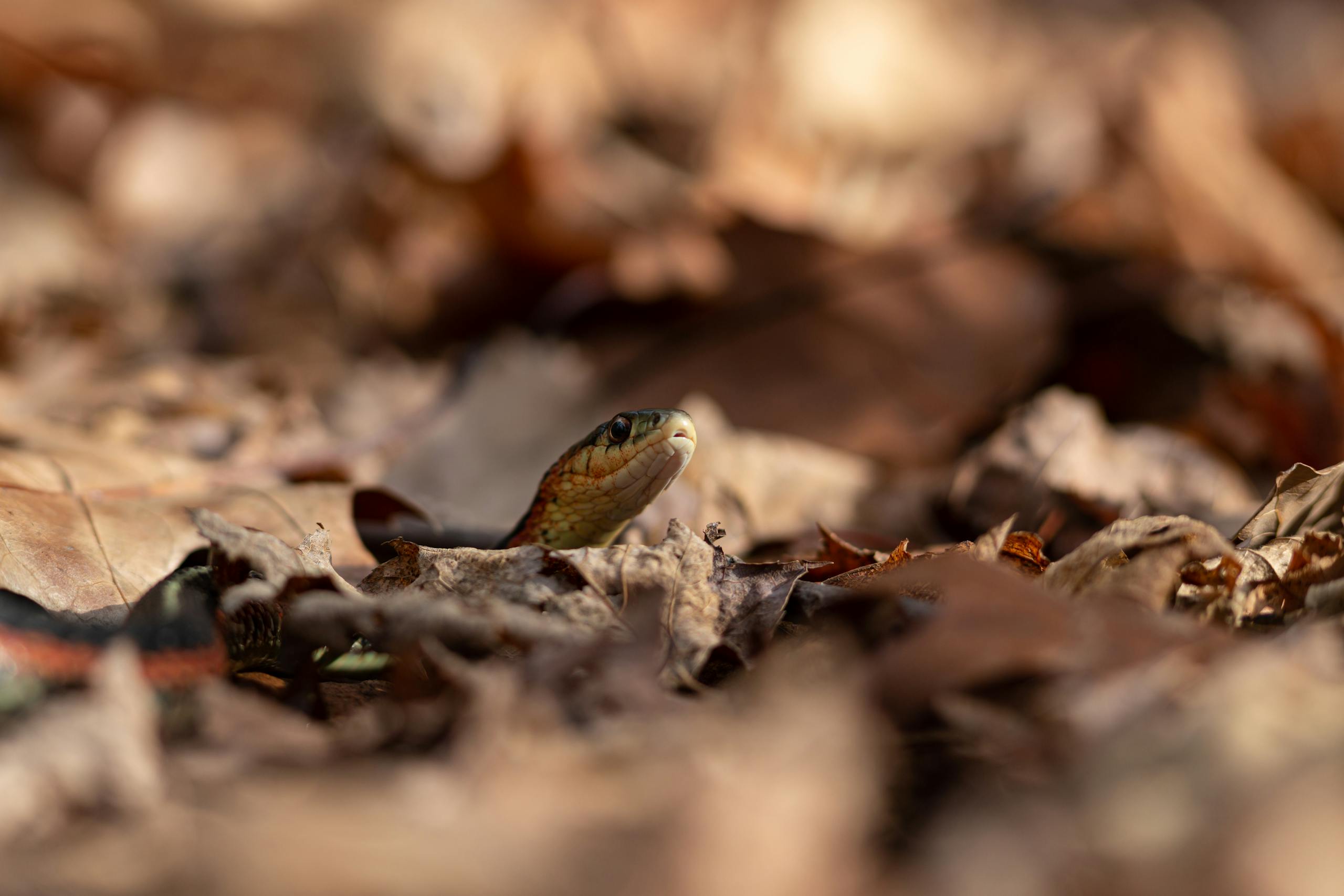
When bitten by a venomous snake, the instinct to take immediate action can lead to harmful decisions. Some people try to suck the venom out, thinking they can remove the poison before it spreads. This method is not only ineffective but also dangerous.
Sucking venom can increase the flow of the toxin through your body, speeding up the process and making the situation worse.
The correct response is to stay calm, apply a pressure bandage, and seek medical attention immediately. The more still you remain, the slower the venom will spread. Calling for help should be your priority.
Jumping From a Falling Elevator
A falling elevator is a nightmare scenario, but jumping at the last second is not going to save you. While the instinct might be to try and “soften the blow,” this action can only make things worse.
Instead, the best thing you can do in a free-falling elevator is to lie flat on your back and distribute your weight. This increases your chance of survival by reducing the impact on any one part of your body. Although it’s no guarantee, it’s far better than risking severe injury or death by trying to jump.
Taking Shelter Under an Overpass During a Tornado
During a tornado, finding shelter is critical, but hiding under an overpass is one of the worst decisions you can make. Tornados create a wind tunnel effect when they pass through bridges and overpasses, speeding up flying debris and making you more vulnerable.
If you’re on the road during a tornado warning, avoid stopping under bridges or overpasses. Instead, seek shelter in a nearby building or a ditch if no building is accessible. Don’t risk your life by exposing yourself to the dangers of the high winds and debris.
Tying a Rope Around Your Waist When Falling
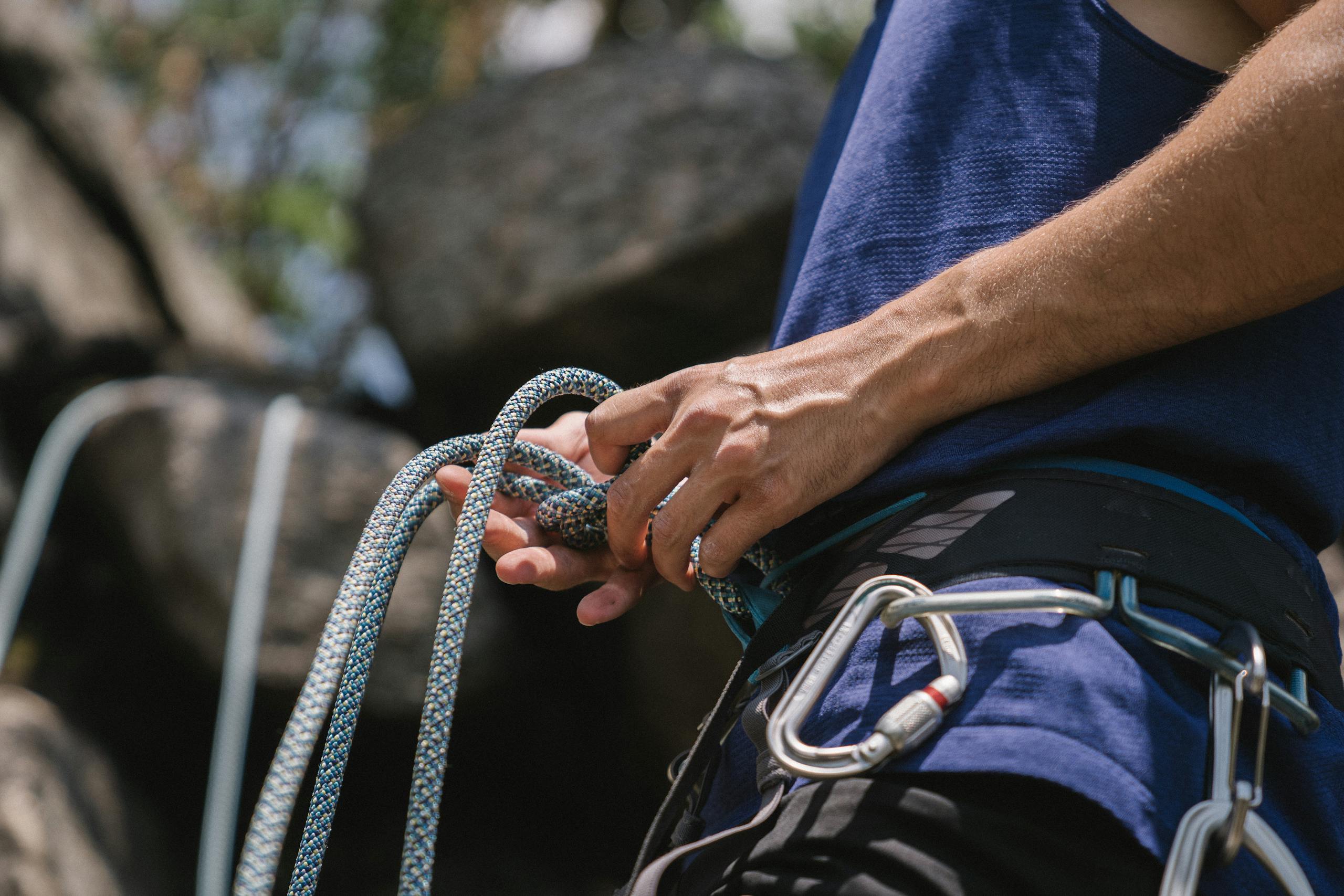
When rock climbing or navigating steep terrain, using a rope to secure yourself may seem like a good idea. However, tying a rope around your waist can cause severe internal injuries or even fatal damage. The force of the fall combined with the rope’s pressure can cause your body to be crushed.
Always use a properly fitted harness that distributes weight evenly across your body. If you’re caught in a fall, the harness will protect vital organs and reduce the chances of injury. In a survival situation, using the right equipment is just as important as making the right decisions.
Conclusion
Surviving a dangerous situation is about being prepared and making thoughtful decisions. It’s easy to make mistakes in high-pressure environments, but the difference between life and death often lies in staying calm and thinking critically.
By understanding these common survival mistakes and how to avoid them, you can significantly improve your chances of making it out alive.
Whether it’s recognizing when you’re lost, avoiding contaminated water, or simply setting up camp before nightfall, these tips can make all the difference.