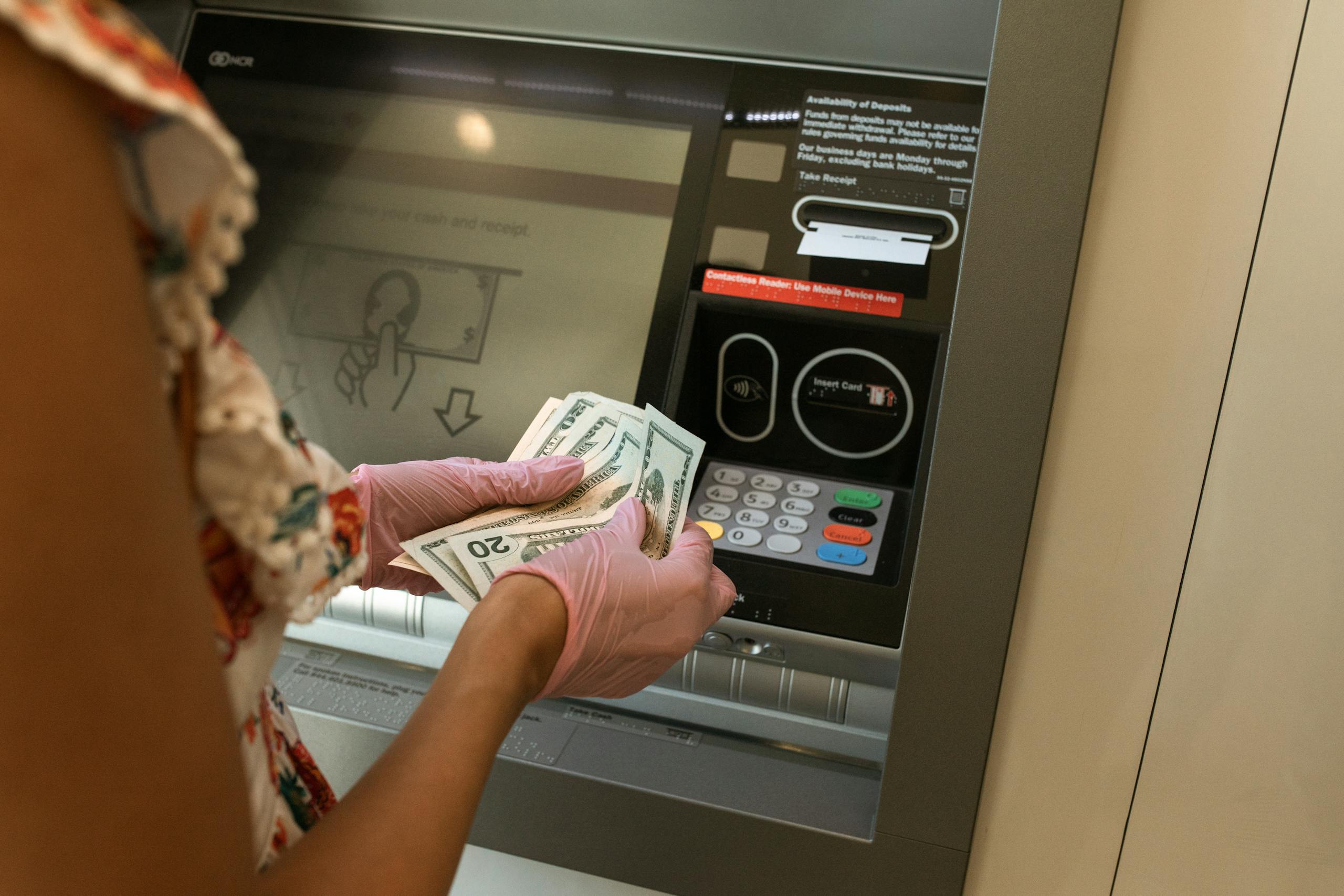
Hyperinflation is a catastrophic event capable of decimating entire economies; the destruction it brings to a country’s currency value can be absolute. Over time, numerous nations have faced such extreme inflation, sometimes culminating in total economic collapse.
The aftermath leaves widespread devastation, forcing citizens to cope with soaring prices for even basic necessities. This article examines several of history’s worst hyperinflation episodes, emphasizing their profound impact on both economies and societies.
Venezuela
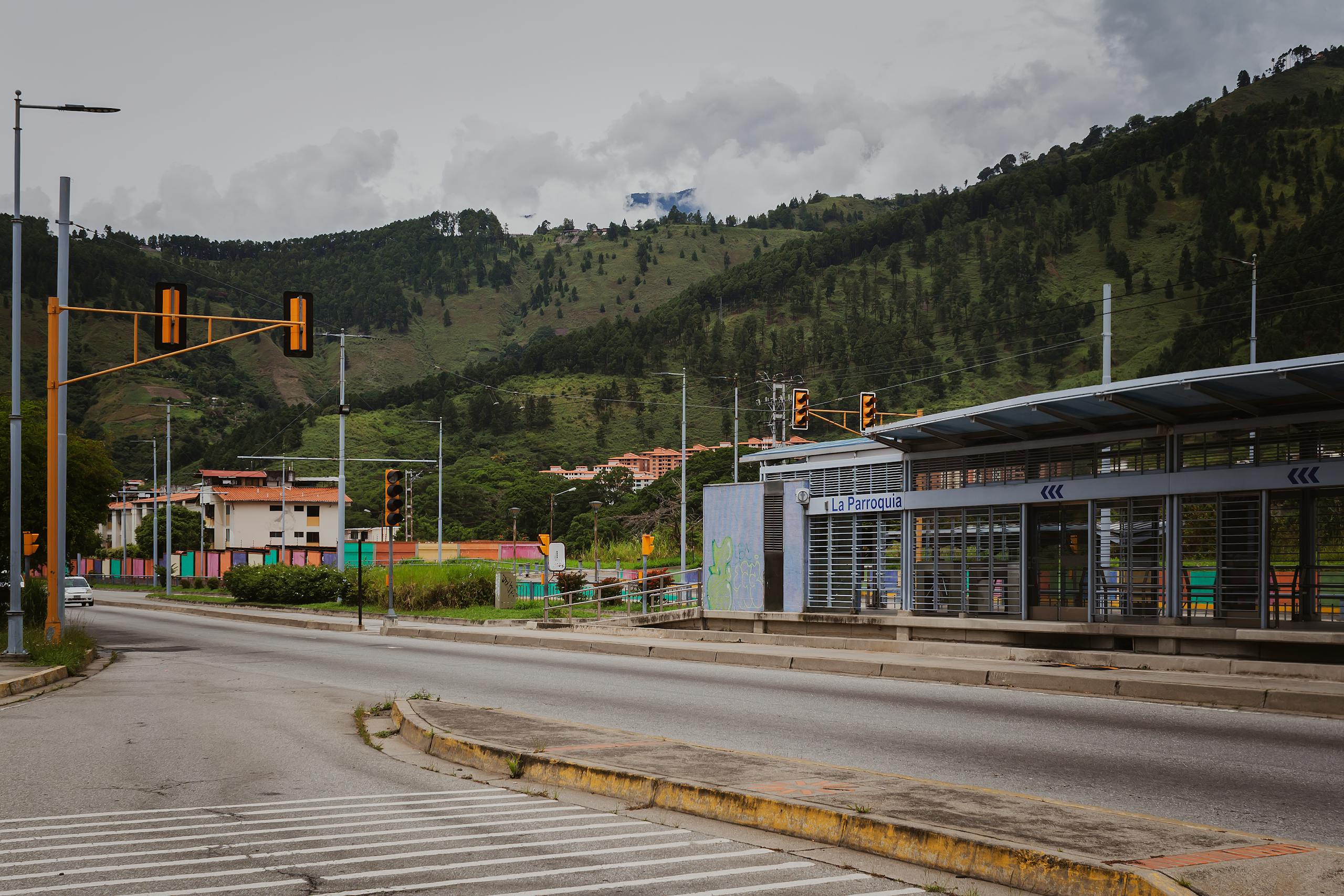
Venezuela’s hyperinflation crisis stands among the most extreme in recent memory. Between 2010 and 2020, inflation soared past 1,000,000%, stripping the bolívar of any real worth. In response, the government introduced the sovereign bolívar, cutting five zeros from the previous currency.
This move, however, failed to bring economic stability. As hyperinflation persisted, poverty spread, and millions left the country in pursuit of better lives elsewhere.
Yugoslavia’s Quadrillion Percent Inflation
Yugoslavia’s hyperinflation between 1993 and 1995 reached an unimaginable five quadrillion percent. To finance the country’s budget, the government printed vast amounts of money, causing the dinar’s value to collapse rapidly.
The government introduced a series of new dinars, but each one quickly lost value, worsening the situation. Eventually, the population turned to the Deutsche Mark for stability, abandoning the worthless dinar entirely.
Ancient Rome
The Roman Empire’s inflation crisis began around AD 200, driven by military expansion and the debasement of its currency. To fund its military campaigns, Rome began diluting the silver content of its coins, leading to inflation as the money supply expanded.
As the currency’s value fell, citizens raised prices to offset the loss. By the 3rd century, inflation reached 15,000%, contributing to the destabilization of the Roman Empire.
Germany

Germany’s hyperinflation in the early 1920s remains one of the most extreme examples of inflation in history. After World War I, the government printed massive amounts of currency to pay reparations and fund recovery efforts.
By 1923, one US dollar was worth 4.2 trillion Papiermarks, and prices were rising uncontrollably; people rushed to buy goods as soon as they received their pay. The inflation ended when Germany introduced the Rentenmark and stabilized the economy.
Hungary’s Double Hyperinflation
Hungary experienced two instances of extreme inflation: one after World War I and another in 1946. In 1946, the country faced hyperinflation at an astonishing rate of 150,000% per day, with one US dollar worth 460 trillion pengos by July.
The government printed more and more money, but this only worsened the crisis, and inflation spiraled out of control. The country eventually abandoned the pengo, replacing it with the forint, which stabilized the economy after months of chaos.
Zimbabwe’s 2008 Hyperinflation Crisis
Zimbabwe’s 2008 hyperinflation was among the worst in modern history, with inflation reaching a staggering 79.6 billion percent. The government printed excessive amounts of money to fund its operations, while the economy collapsed due to failed agricultural reforms and a decline in industrial production.
By 2009, basic goods like bread were sold for billions of Zimbabwean dollars. The government eventually abandoned its own currency and adopted the US dollar to stabilize the economy.
Greece’s Hyperinflation During WWII

Greece’s hyperinflation during World War II was caused by the occupation of the country by Nazi Germany and Italy. The occupying forces printed more money to fund their war efforts, leading to a rapid depreciation of the Greek drachma.
By 1944, inflation had reached catastrophic levels, and the prices of everyday goods had skyrocketed. The drachma became worthless, and the country suffered severe economic distress as the occupation continued.
China’s Hyperinflation
From 1937 to 1949, China struggled with hyperinflation as two major conflicts—the Second Sino-Japanese War and the Chinese Civil War—strained its finances.
The government flooded the market with printed money to pay for war, sending the yuan into a tailspin. By 1949, a single US dollar was worth 23.3 million yuan, up from just 3.41 yuan in 1937. The Renminbi’s introduction was crucial for restoring economic order.
Austria’s Inflation After World War I
Austria’s financial troubles after World War I led to severe inflation, driven by the need to finance the war and the reparations owed to other countries.
The government printed large amounts of money, causing the Austrian crown to plummet in value. By 1923, inflation had reached 14,250%, and the Austrian currency had lost much of its value. The inflation ended when Austria received a loan from the League of Nations, and the schilling replaced the crown.
The United States
During the American Revolutionary War, the Continental Congress issued Continental currency to finance the conflict.
Lacking backing by real assets, the currency rapidly lost value as public confidence fell. British counterfeiting further devalued the dollar. This hyperinflation contributed to the creation of the US Constitution and eventually led to the establishment of the Federal Reserve to manage the monetary system.
Conclusion
Hyperinflation is a severe economic phenomenon that devastates nations and their populations. The cases explored here demonstrate how the excessive printing of money and other economic factors can lead to financial collapse.
These historical instances provide critical lessons on the importance of sound fiscal policies in maintaining stability and preventing economic ruin.