Ever wondered why your favorite dishes are named after people? From bandleaders to ballerinas, many foods carry real names—and their stories are often stranger than fiction.
These culinary tributes reveal history, creativity, and sometimes accidents that put a person’s name in food culture. The names are appealing, but the tales behind them are even more fascinating.
Sandwich

The sandwich is named for John Montagu, the 4th Earl of Sandwich, a British nobleman with a gambling habit.
He reportedly ordered meat between bread to eat without leaving the gaming table, inspiring others to request “the same as a sandwich.” That simple meal became a global lunch staple, transforming casual dining forever.
Peach Melba
Peach Melba was created to honor Australian opera star Dame Nellie Melba during her performances in Europe. The dessert combines soft peaches and vanilla ice cream with vibrant raspberry sauce, evoking the luxurious hue of a stage curtain.
Its creator, French chef Auguste Escoffier, wanted to pay tribute in the grandest, most flavorful way possible. Today, this elegant treat remains a classic in dessert menus around the world.
Caesar Salad
Despite its imperial name, Caesar salad wasn’t named after a Roman emperor. Italian American restaurateur Caesar Cardini invented it in Tijuana during a busy Fourth of July with limited ingredients.
The mix of greens, eggs, cheese, and croutons became an instant hit. The salad’s success made Caesar’s name famous in the dining world.
Pavlova

The Pavlova dessert was named after the Russian prima ballerina Anna Pavlova during her 1920s tour of Australia and New Zealand. Its light, airy meringue exterior and soft fruit center were crafted to reflect her elegant, cloud‑like dance style.
Both Australia and New Zealand claim to have invented it, but all agree the treat pays tribute to the iconic performer. Ever since, the Pavlova has represented grace on a plate as much as on the stage.
Nachos
Nachos originated in 1943, when Ignacio “Nacho” Anaya Garcia improvised a snack for hungry guests at a restaurant in northern Mexico. With tortilla chips, cheese, and jalapeños, Nacho created a dish that was simple, flavorful, and quick to prepare.
The name “nachos” stuck because customers couldn’t stop asking for “Nacho’s special” again and again. Today, nachos are a beloved staple at parties, sports events, and casual dining tables globally.
Béchamel Sauce
The silky white Béchamel sauce is named after Louis de Béchamel, a royal steward under King Louis XIV of France. It was a way to flatter and honor a man who oversaw feasts and banquets at the French court.
Whether Béchamel created it himself or not, the sauce embodies the elegance of French cuisine. Today, it serves as the foundation for countless dishes, from lasagna to gratins.
Oysters Rockefeller

At Antoine’s restaurant in New Orleans, chefs created a rich oyster dish with herbs and buttery green topping in the late 1800s.
They named it Oysters Rockefeller after John D. Rockefeller, then the richest American, for its lavishness. The dish became a symbol of luxury cuisine.
Potatoes Anna
Potatoes Anna is a French potato dish named in aristocratic and theatrical circles in the 19th century to honor a celebrated actress, Anna Deslions. Thinly sliced potatoes are assembled with butter and baked to a golden loyalty that reflects her star quality on stage.
The dish became iconic in French haute cuisine and spread to fine dining tables around the world. What began as a theatrical tribute lives on in kitchens everywhere.
Salisbury Steak — A Doctor’s Dietary Prescription
Salisbury steak was named for Dr. James Henry Salisbury, a 19th-century American doctor who believed a meat-heavy diet improved health, especially for soldiers.
He created this seasoned beef patty during the Civil War as a nutritious option. Though nutrition views have shifted, the name—and the dish—remain popular.
Beef Stroganoff
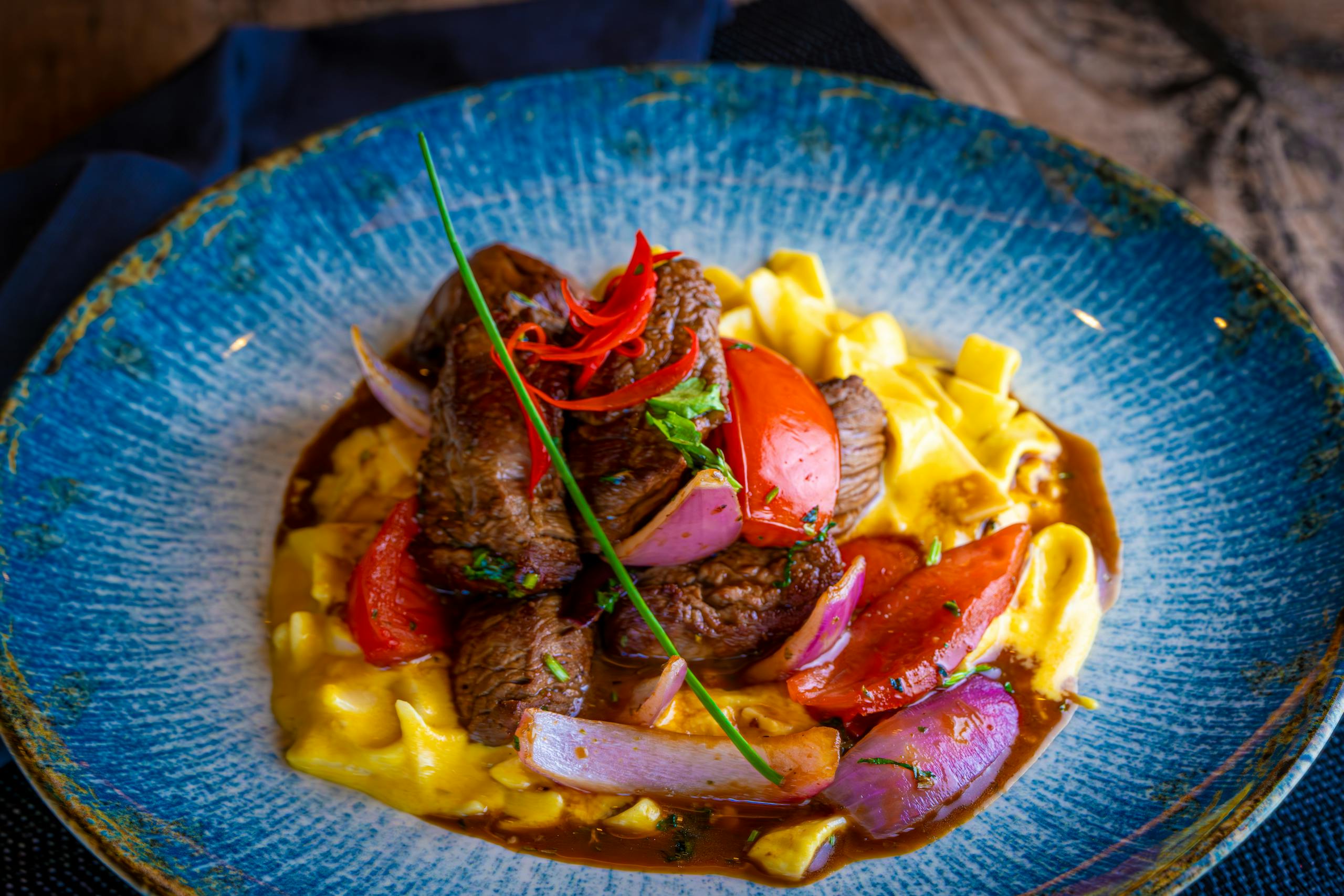
The creamy Russian dish Beef Stroganoff takes its name from the aristocratic Stroganov family, though sources disagree on which member first inspired it.
This sumptuous combination of sautéed beef and sour cream rose to prominence in the late 19th century, epitomizing Russian luxury. Some food historians tie it to family dinners, while others credit chefs who served the elite. Regardless, the name echoes aristocratic style and culinary refinement.
Conclusion
From desserts to snacks, foods named after people link us to history and creativity. These names blend homage, inventiveness, and serendipity, anchoring ordinary meals in extraordinary stories.
Next time you eat, wonder whose legacy you’re tasting—behind every eponymous dish is a story as savory as the recipe.