We all know about the latest superfoods, avocados, kale, and quinoa are staples now. But what about the fruits and vegetables that used to be cherished in kitchens around the world and are now almost entirely forgotten?
These crops were once a central part of our diets, providing rich flavors and unique textures. Now, they are disappearing from the grocery store shelves, overshadowed by more convenient, mass-produced options. What happened? Why did we stop growing these flavorful plants, and what do we lose in the process?
Let’s take a deep dive into the forgotten gems of the produce world, fruits and vegetables that could have been your next culinary obsession but vanished without a trace. These crops didn’t just fade away because they lacked flavor or potential; they were sacrificed on the altar of efficiency and mass production. But it’s not too late to rediscover them.
Medlar
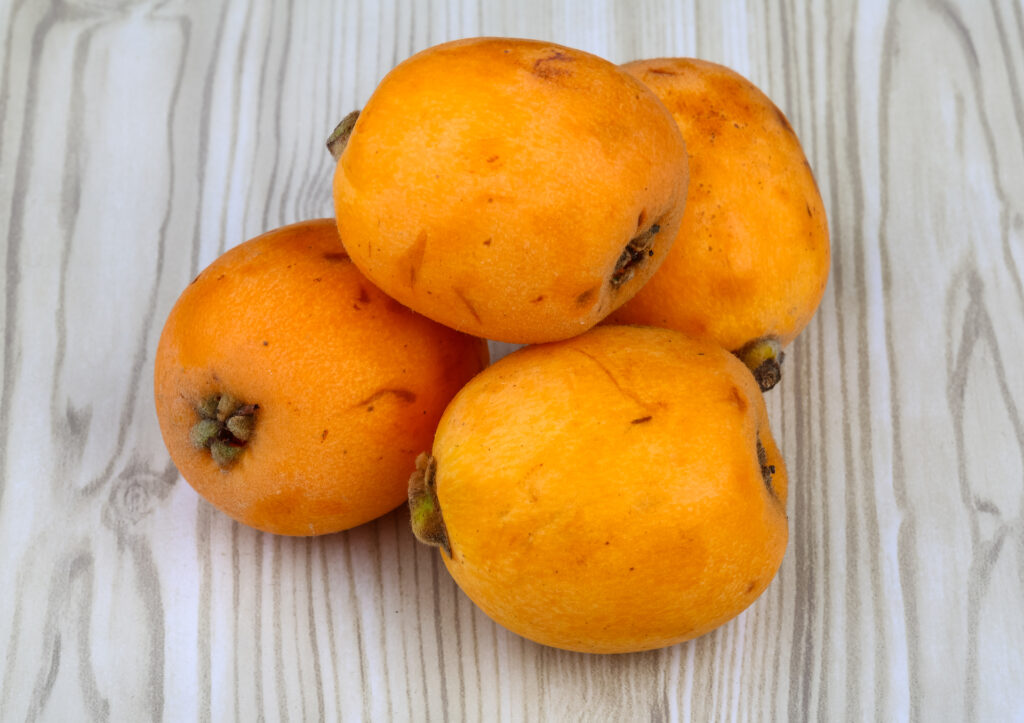
Medlar is one of the clearest examples of how modern food culture rewards convenience over patience. The tree is productive, easy to grow, and generally low-maintenance, yet its fruit asks for something the supermarket hates: time. The fruits are harvested in October and November, but they are not ready when picked.
They need to soften through bletting before becoming sweet, aromatic, and enjoyable, which is precisely the sort of delayed payoff modern retail systems do not accommodate. That is a shame, because medlar was once popular in medieval times and still makes excellent jelly and desserts. We did not abandon medlar because it had nothing to offer; we abandoned it because it does not behave like a modern commodity fruit.
American Persimmon
American persimmon lost ground partly because it demands good timing and a little respect. North Carolina Extension describes it as a native tree of the central and eastern United States that can reach 30 to 80 feet, while Kentucky’s crop guide explains that unripe fruit is highly tannic and unpleasantly astringent. That sounds like a strike against it until the fruit fully ripens, when it turns very sweet and becomes ideal for puddings, cakes, custards, preserves, and other rich preparations.
The deeper problem is not flavor but patience: seed-grown trees can take four to nine years to bear, and even full production takes time. Still, renewed interest in local and slow food has pushed American persimmon back into view, especially through farmers’ markets and value-added products. We should read that as a sign that the fruit never failed us; our timelines failed it.
Serviceberry
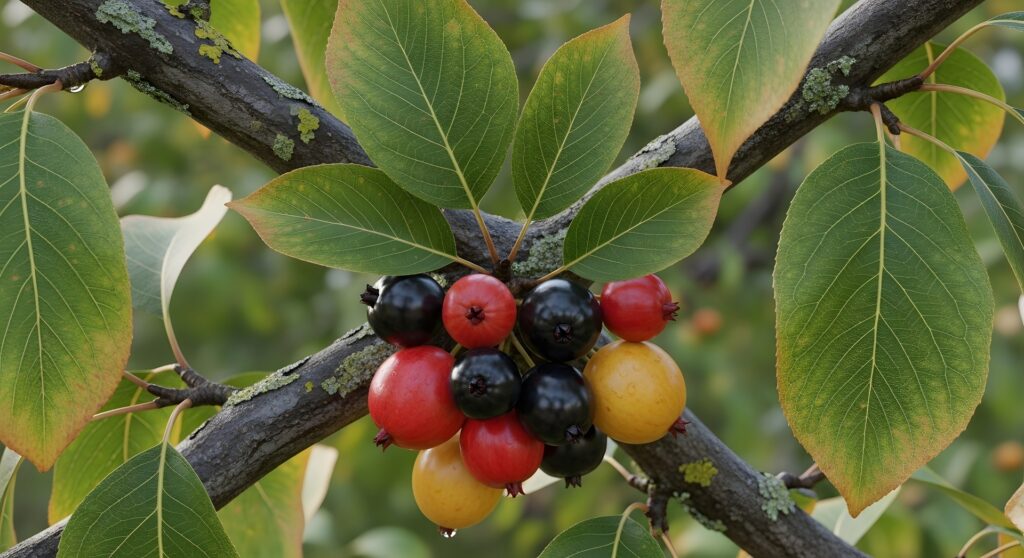
Serviceberry suffers from a strange kind of neglect: people admire the plant but do not fully value its fruit. University of Minnesota Extension notes that serviceberries, also called Juneberries or Saskatoon berries, offer white spring flowers, edible purple fruit, good fall color, and broad landscape appeal. The same source explains that the ripe fruit can be eaten fresh or used in jams, jellies, and pies.
That combination should make serviceberry a backyard favorite with commercial potential, yet it often remains ornamental first and edible second. We have been conditioned to separate beauty from usefulness, as though a small tree cannot pull both jobs at once. Serviceberry proves otherwise. It belongs in the conversation not just as a handsome native plant, but as one of the most underappreciated edible fruits we already have.
Gooseberry
Gooseberry’s decline is especially striking because this fruit was not merely popular; it inspired organized enthusiasm. The University of Missouri records that gooseberry became especially fashionable in Europe and the United States during the 1800s and early 1900s, and that British gooseberry clubs were already active by the 1740s, awarding prizes for size and flavor. Penn State adds that Europe once had hundreds of varieties.
Then the momentum collapsed. Missouri notes that production fell during World War I and never returned to its earlier level. That history matters because it shows how quickly a serious fruit culture can disappear when habits change. Gooseberry is tart, complex, and versatile, but it does not enjoy the industrial-scale familiarity of blueberry or strawberry. We should not mistake reduced visibility for reduced worth.
Ground Cherry
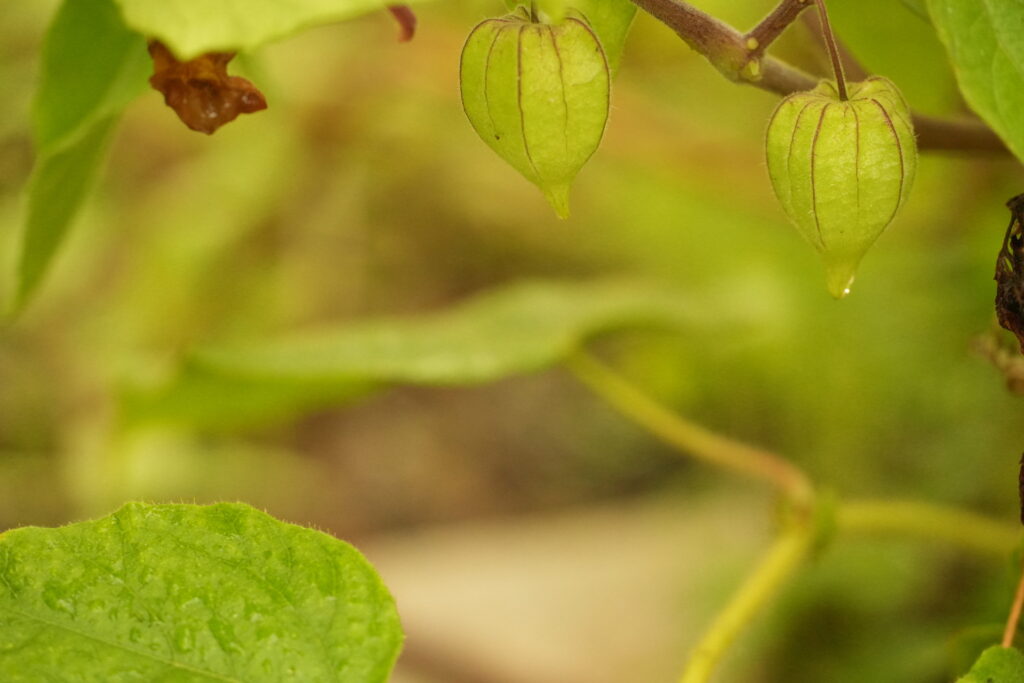
Ground cherry is almost too charming for its own good. Minnesota Extension explains that it is related to the tomato, that its fruit sits inside a leafy husk that turns dry and papery when ripe, and that the fruit itself is small, sweet, yellow to gold, and suitable for eating raw, cooked, or dried. It is even described as an old-fashioned garden plant.
Yet that papery wrapper, sprawling habit, and tendency to drop ripe fruit to the ground do not fit the polished grammar of modern grocery merchandising. Ground cherry asks us to bend down, look closely, and accept a little mess in exchange for flavor. The reward is worth it. This is exactly the kind of fruit that shines in home gardens, small farms, preserves, and pastry work, but disappears when convenience becomes the only standard that counts.
Salsify
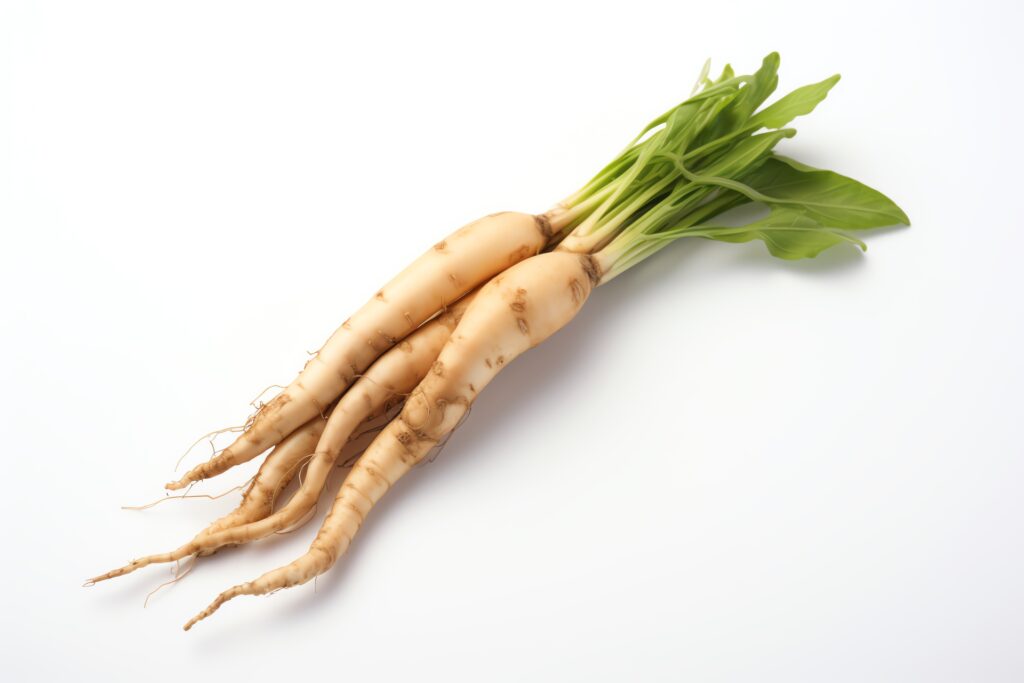
Salsify feels almost custom-made for cooks who claim they want more depth in winter meals. The Royal Horticultural Society describes it as a little-known but easy-to-grow root with a delicate flavor associated with oysters, harvested from mid-autumn through early spring. Frost actually improves it, making the roots sweeter and more tender. That alone should have protected its place in the seasonal kitchen, but salsify faded because it is rarely sold, easy to overlook, and more subtle than louder root vegetables.
What it offers is not visual drama but elegance. It can be steamed, mashed, roasted, sautéed, or worked into soups and stews, and if we leave some roots in the ground, the plant can also produce edible spring shoots and leaves. In a market obsessed with instant recognition, Salsify became invisible. In a thoughtful kitchen, it becomes indispensable.
Skirret
Skirret tells a brutal agricultural truth: the better survivor in history is not always the better eater. RHS identifies skirret as a herbaceous perennial that was a popular root vegetable before potatoes became dominant in Britain, with white roots harvested from autumn to early spring and a flavor somewhere between sweet carrot and parsnip. A Florida extension source describes it as a sweet-rooted crop from the carrot family that originated in Asia and remains a minor crop in the United States.
That profile explains both its appeal and its disappearance. Skirret is flavorful, old, and distinctive, but potatoes are easier to scale, store, and standardize. Once the potato won the efficiency war, skirret was pushed to the margins. We should be honest about that history: skirret did not vanish because it lacked culinary value. It vanished because industrial food systems reward simplicity more than character.
Cardoon
Cardoon has the misfortune of being more visually famous than culinarily famous. Wisconsin Horticulture describes it as a Mediterranean plant domesticated in ancient times, with huge, silvery leaves and edible blanched stems that carry an artichoke-like flavor. The same source notes that it was popular in ancient Greek, Roman, and Persian cuisine and remained part of European food culture through the medieval and early modern periods.
Today, many gardeners know cardoon mainly as a dramatic ornamental. That is not entirely wrong, because it is undeniably striking, but it is incomplete. When we treat cardoon solely as scenery, we flatten a serious food plant into a design prop. Cardoon deserves recovery not as a novelty, but as a reminder that some of the most impressive vegetables on earth were once normal dinner ingredients.
Mâche
Mâche has lived two opposite lives: first as a humble field weed, then as a gourmet salad green. The UC Master Gardener Program of Sonoma County notes that it was once harvested from between rows of grain crops in Europe, which is how it earned the name corn salad, and that today it is prized for a mild, slightly nutty taste. It also works beautifully as a cool-season crop, forming small rosettes and fitting into fall, winter, and early spring production.
This is exactly the kind of vegetable modern eaters claim to love: tender, subtle, fresh, seasonal, and elegant. Yet its older identity as a peasant green still shadows it. We tend to trust a crop only after marketing wraps it in glamour. Mâche proves that many forgotten vegetables were excellent long before the food world learned how to flatter them.