Food fuels your body, but myths fuel confusion — and everyday eating wisdom often gets buried beneath old wives’ tales, marketing hype, and half‑truths. From supposed dangers in your dinner to persistent beliefs, it’s time to get to the juicy truth.
Here, we cherry‑pick 8 fascinating food facts and fallacies you’ve likely heard but rarely questioned. Get ready for revelations that will make you rethink what’s on your plate.
Food Alone Can’t Make You Lose Weight
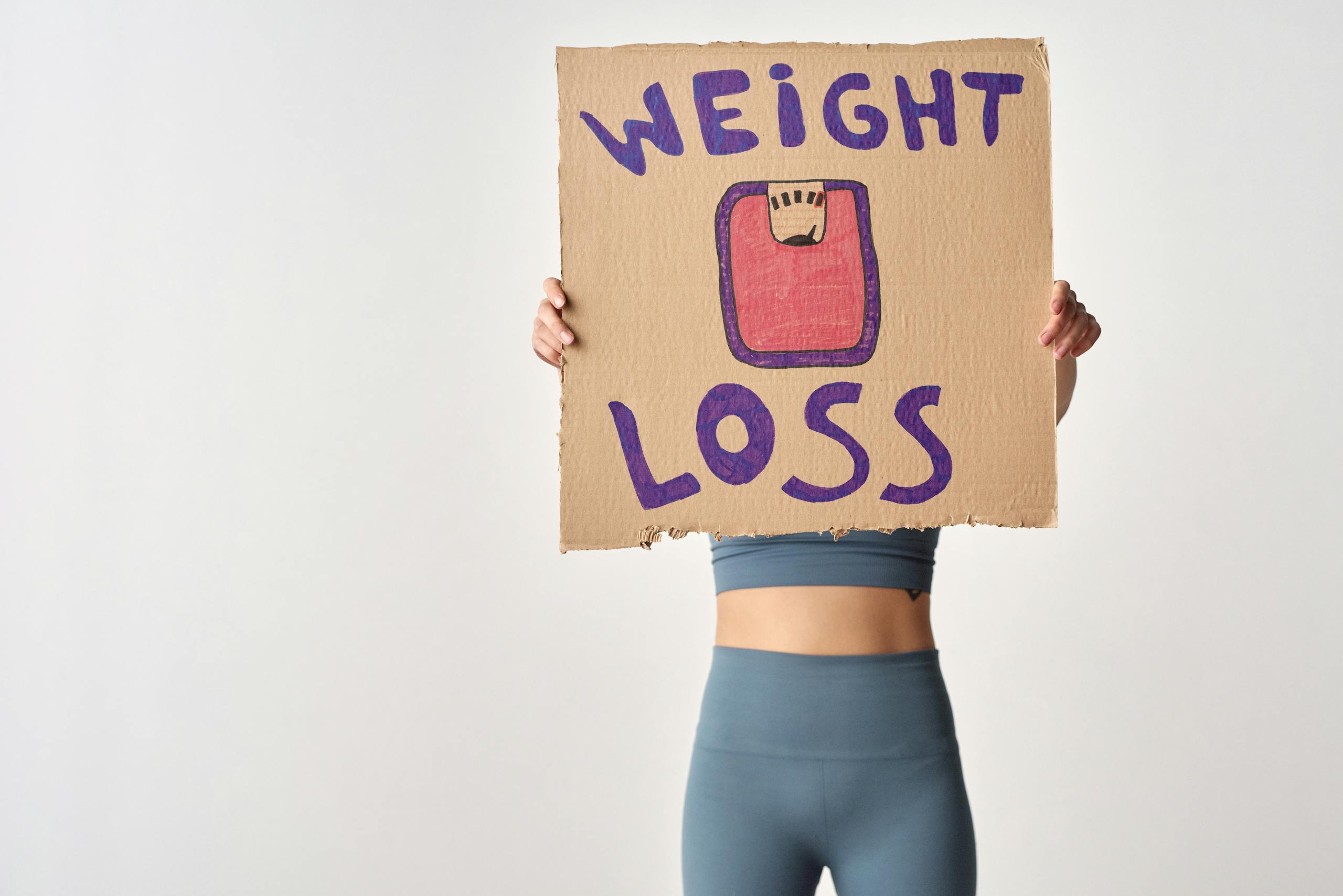
We’ve all been tempted by the idea of a miracle food or diet that magically melts pounds off overnight. The truth is far simpler: weight loss comes down to burning more energy than you consume, no matter which foods you choose.
Foods don’t have secret slimming superpowers; rather, calories and portion sizes matter most in the long run. While eating whole, nutritious foods helps you feel full and energized, there’s no single food that by itself causes weight loss.
Cooking Doesn’t Strip All Alcohol From Your Food
Lots of people believe that flambéing or simmering wine in a sauce removes all the booze, making it perfectly safe for everyone. In reality, even long cooking only reduces alcohol content — it rarely eliminates it entirely.
For example, flames might burn off some alcohol, but a surprising amount remains in your food. So for those avoiding alcohol for health or personal reasons, beware: what seems cooked out might still be hiding in your dish.
Salt Isn’t the Silent Killer It’s Made Out to Be

Salt has a bad reputation in many circles — and yes, eating huge amounts isn’t healthy — but the idea that any salt will kill you is a myth. In fact, salt is an essential mineral your body needs to function properly, from fluid balance to nerve conduction.
Your kidneys regulate excess salt by flushing it out so you don’t overdose during normal eating. Only extremely excessive intake — far beyond everyday usage — would be life‑threatening.
Grilled Meat Isn’t Proven Dangerous for Humans
You may have heard that grilling meat produces carcinogens and therefore will give you cancer — but that belief stems largely from animal studies, not human evidence. Studies in rats have shown negative effects, but large-scale human research has not confirmed a direct link between grilled meat and cancer.
People have cooked meat over fire for thousands of years, and our bodies adapt in ways that animal models don’t capture. That doesn’t mean you should char everything, but it does mean casual grilling isn’t the culinary villain some claim it to be.
Safe Pork and Poultry Don’t Have to Be Well‑Done
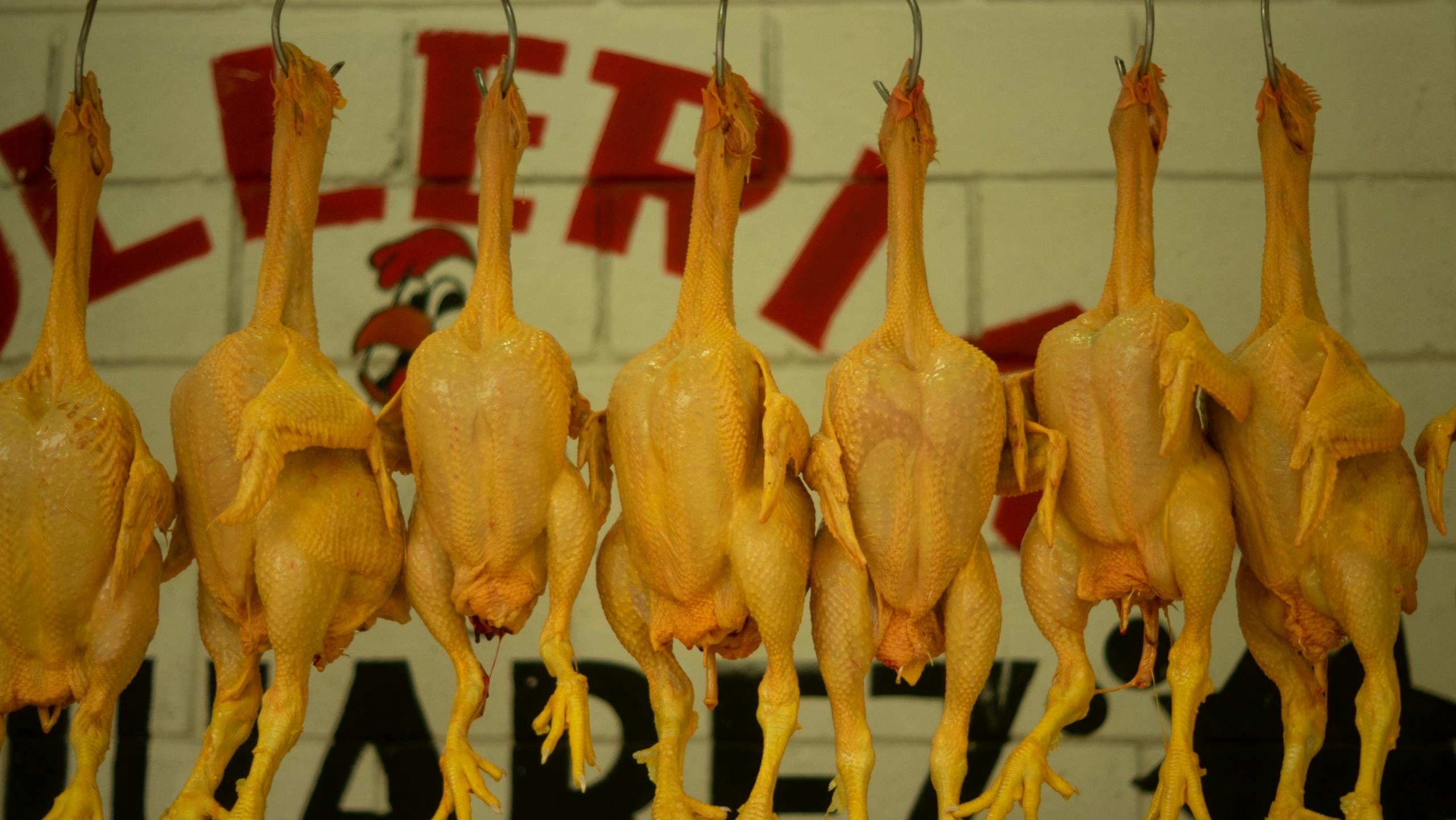
We’ve all been told that pork and chicken must reach high temperatures to be “safe” — but recent evidence shows that, when done correctly, both can be cooked safely at lower temperatures than once recommended.
Parasites like Trichinella spiralis are now extremely rare in modern meat supplies due to better farming, inspection, and food safety practices. Eating pork that’s still juicy and slightly pink can be perfectly safe if cooked to a proper internal temperature. That said, always follow food safety guidelines and use a thermometer when you’re unsure.
Humans Aren’t Strictly Vegetarian by Nature
Some threads of dietary dogma claim humans are “meant” to be vegetarians — but the archaeological record tells a different story. Our ancestors were eating cooked foods, including meat, for millions of years.
Meat provided dense energy and nutrients that helped our brains grow and our species thrive. This doesn’t mean everyone should eat meat today — dietary choice is personal — but it does debunk the notion that humans were designed to survive exclusively on plants.
MSG in Food Isn’t the Monster Some Say It Is
Monosodium glutamate (MSG) has been blamed for headaches and a long list of ailments, especially in stories about “Chinese restaurant syndrome.” But scientific evidence shows that MSG — whether naturally present or added — isn’t harmful to most people.
MSG is found in a wide range of foods, including cheese, tomatoes, and soy sauce. The widespread fear likely comes from misinformation rather than actual risk
Organic Isn’t Automatically Healthier

“Organic” has become a buzzword that many associate with better, safer food — but that’s not always accurate. Certain organic produce may have higher levels of naturally occurring toxins produced by the plant itself, and organic farming practices vary widely.
Some organic foods may even be no more nutritious than their non‑organic counterparts. The key to healthy eating isn’t just the label; it’s variety, balance, and overall food quality.
Conclusion
Food is one of life’s greatest joys — and also one of the most misunderstood aspects of our daily lives. Many food myths stick around because they’re catchy, spread easily on social media, or simply sound right.
Yet when we dig deeper, science and real‑world evidence often tell a more nuanced story. The key to smarter eating isn’t about chasing the latest fad or clinging to age‑old beliefs; it’s about asking questions, checking facts, and making choices that fit your body, preferences, and goals. So the next time someone tells you that carbs are evil or grilling will doom you, you’ll know the real recipe behind the claim.