A pollinator garden is more than just a beautiful backyard feature—it’s an essential ecosystem that nurtures bees, butterflies, and hummingbirds, all crucial to maintaining the planet’s biodiversity.
By attracting these vital creatures, you can help sustain plant life, ensure the growth of food crops, and add a burst of color and life to your garden. Here’s how to create a garden that not only dazzles but also provides a safe haven for pollinators.
Choose the Right Plants for Pollinators
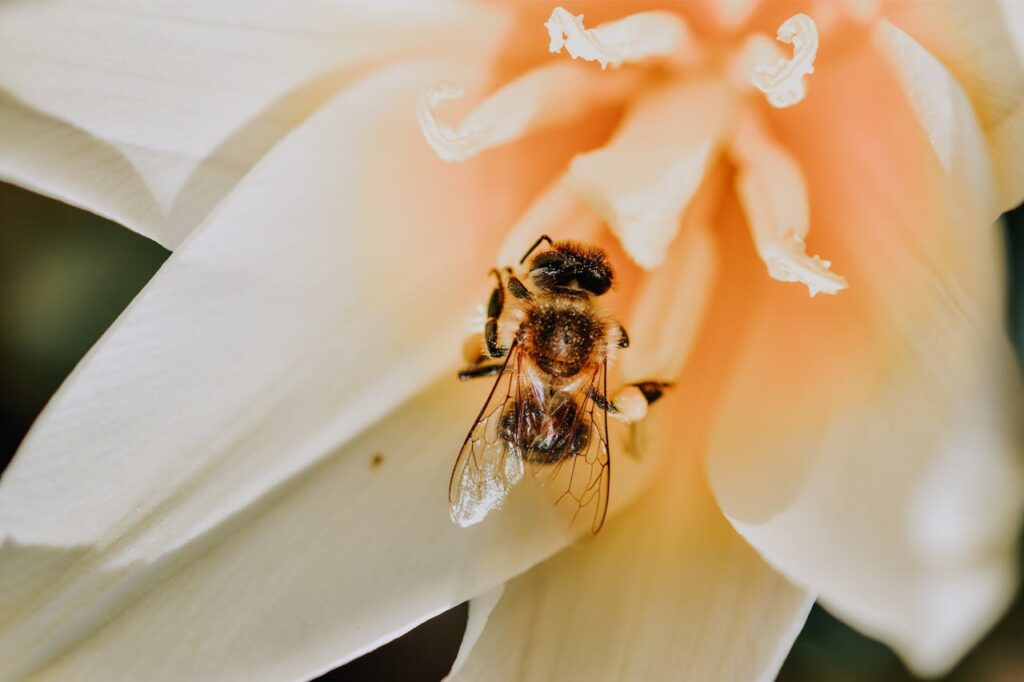
The foundation of any successful pollinator garden lies in choosing the right plants. Bees, in particular, are drawn to bright colors like purple, blue, and yellow. Opt for native flowers, as they are more attractive to local pollinators. Plants such as bee balm, coneflowers, black-eyed Susans, and lavender are excellent choices for providing both nectar and pollen.
Butterflies have their own preferences, favoring plants like milkweed, butterfly bush, and zinnias. These not only offer nourishment but also serve as host plants where caterpillars can lay eggs and begin their lifecycle. Including both nectar and larval plants ensures a healthy pollinator population year-round.
Plant in Clusters for Easy Access
Pollinators appreciate easy access to food, so planting flowers in clusters makes their job simpler. Grouping plants together allows bees and butterflies to move efficiently from one bloom to the next, saving them valuable time.
Clustered plants also create vibrant, eye-catching areas in your garden, making it both functional and beautiful.
Incorporate a Variety of Blooms
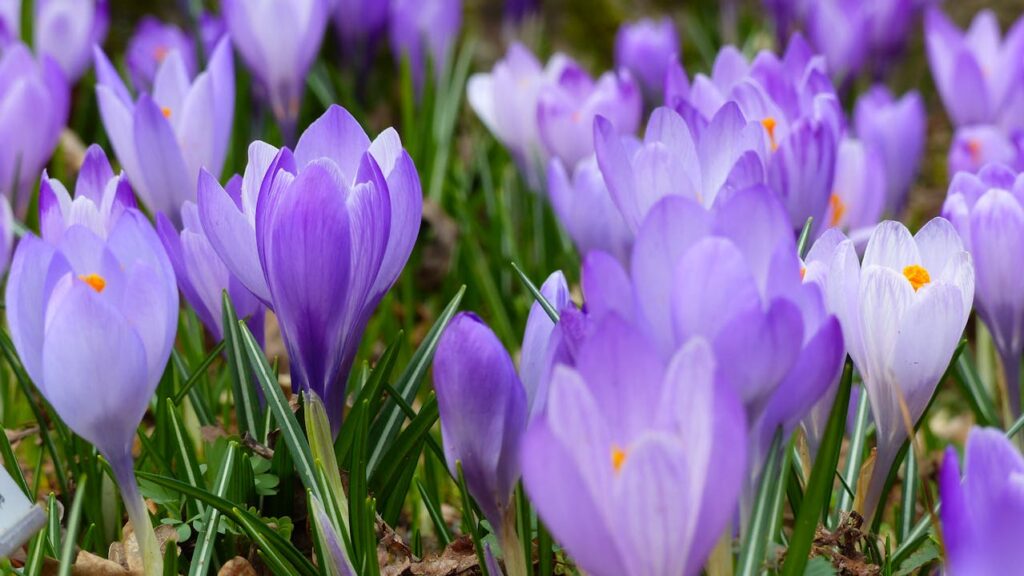
To keep pollinators coming back year-round, you need a range of plants that bloom throughout the seasons. Early-blooming flowers like crocuses and snowdrops provide early spring sustenance, while summer favorites such as sunflowers and black-eyed Susans keep the flow of nectar going. In the fall, late-season plants like asters and sedum ensure that your pollinator friends have food until the cold sets in.
This variety will provide a continuous food supply for your pollinators, ensuring they’re well-fed throughout the year. The longer your garden can feed them, the more likely they’ll stick around.
Provide Water and Shelter
Water is just as important as nectar in keeping pollinators healthy. A simple birdbath, a shallow pond, or a water container with stones will give bees and butterflies a place to hydrate. Be sure to refresh the water regularly to avoid stagnation and bacteria build-up.
Shelter is another crucial aspect of a pollinator garden. Pollinators need safe spaces to rest, hibernate, and raise their young. Including tall grasses, shrubs, and trees in your garden can offer protection. You can also add a bee hotel to create a dedicated space for solitary bees to lay eggs.
Avoid Pesticides
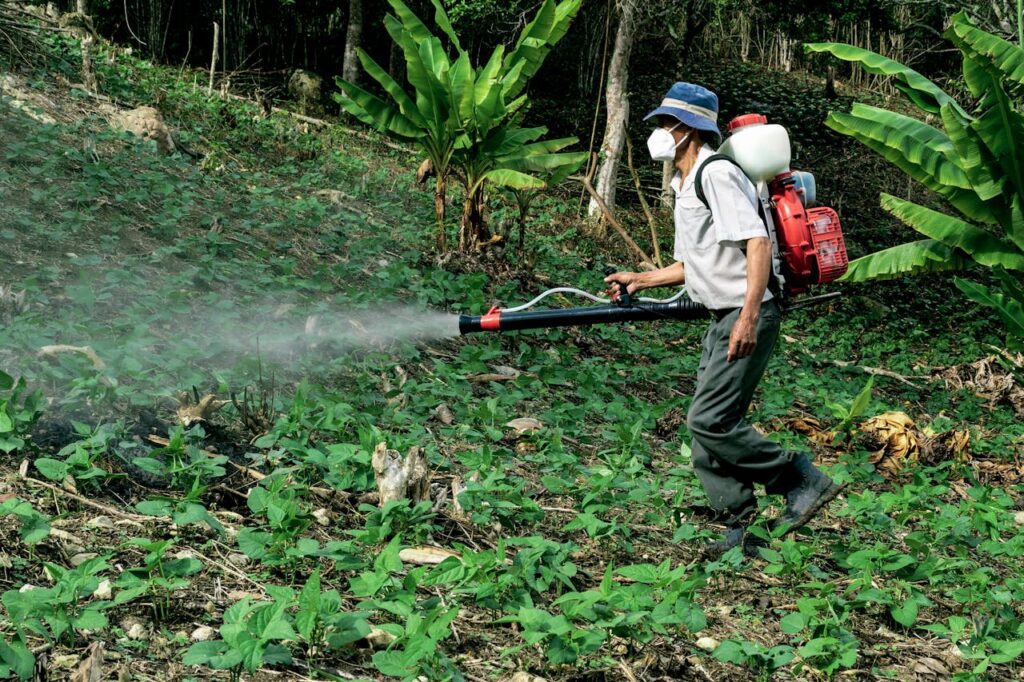
Pesticides are among the greatest threats to pollinators, and even small amounts can be harmful. These chemicals can poison the bees and butterflies, disrupting their ability to thrive.
Opt for organic pest control methods such as neem oil, insecticidal soap, or introducing beneficial insects to naturally keep pests in check.
Create a Beautiful, Functional Garden

Pollinator gardens don’t have to sacrifice beauty for function.
Mix different textures, shapes, and colors to create a stunning yet practical landscape. You can even add decorative features like garden sculptures, bird feeders, or wind chimes to enhance the atmosphere and make your garden even more inviting.