Imagine scrolling through the news and stumbling on health headlines that make you laugh, gasp, and question reality — all at once. The world of medical science is not just about breakthroughs and grim statistics; it’s also packed with astonishing findings that blur the line between bizarre and brilliant. From quirky discoveries about smell and memory to toxic snails helping shape future medicines, these stories prove that truth is stranger than fiction. Here are 8 of the most fascinating, weird, and wonderfully weird health stories that have emerged in recent years.
Tiny Sea Creatures, Big Brain Benefits
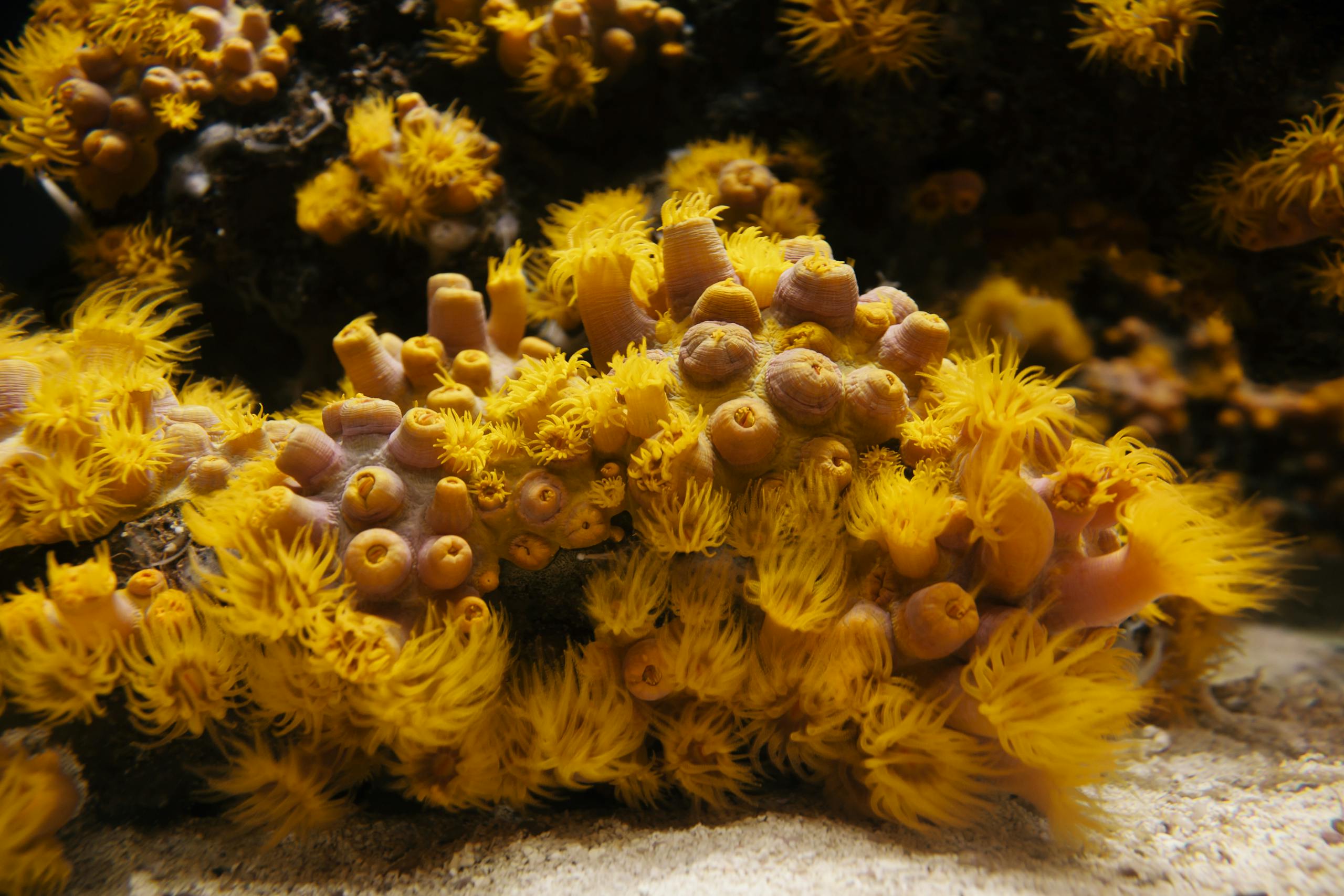
Sea squirts — the unassuming little marine animals clinging to rocks — might hold a secret to keeping our brains sharp. Scientists found that these creatures are rich in plasmalogens, molecules essential to healthy cell membranes throughout the body.
In early studies, mice fed plasmalogens showed improvements in learning and cognitive functions, suggesting a future where hair, brains, and health could all benefit from something you’d never expect. This discovery turns the humble sea squirt from an ocean oddity to a potential wellness star.
Venom from Toxic Snails Inspires New Medicine
The cone snail is among the most venomous creatures on Earth, capable of delivering toxins that disrupt vital biological systems. Rather than steering clear, researchers have studied its venom—and found parts of it could serve as templates for powerful drugs.
The venom’s unique compounds work by blocking or modifying key pathways in the body, offering blueprints for treating hormonal disorders and blood sugar issues. So, what was once a danger could someday yield major health benefits.
Smelling Scents in Your Sleep Improves Memory
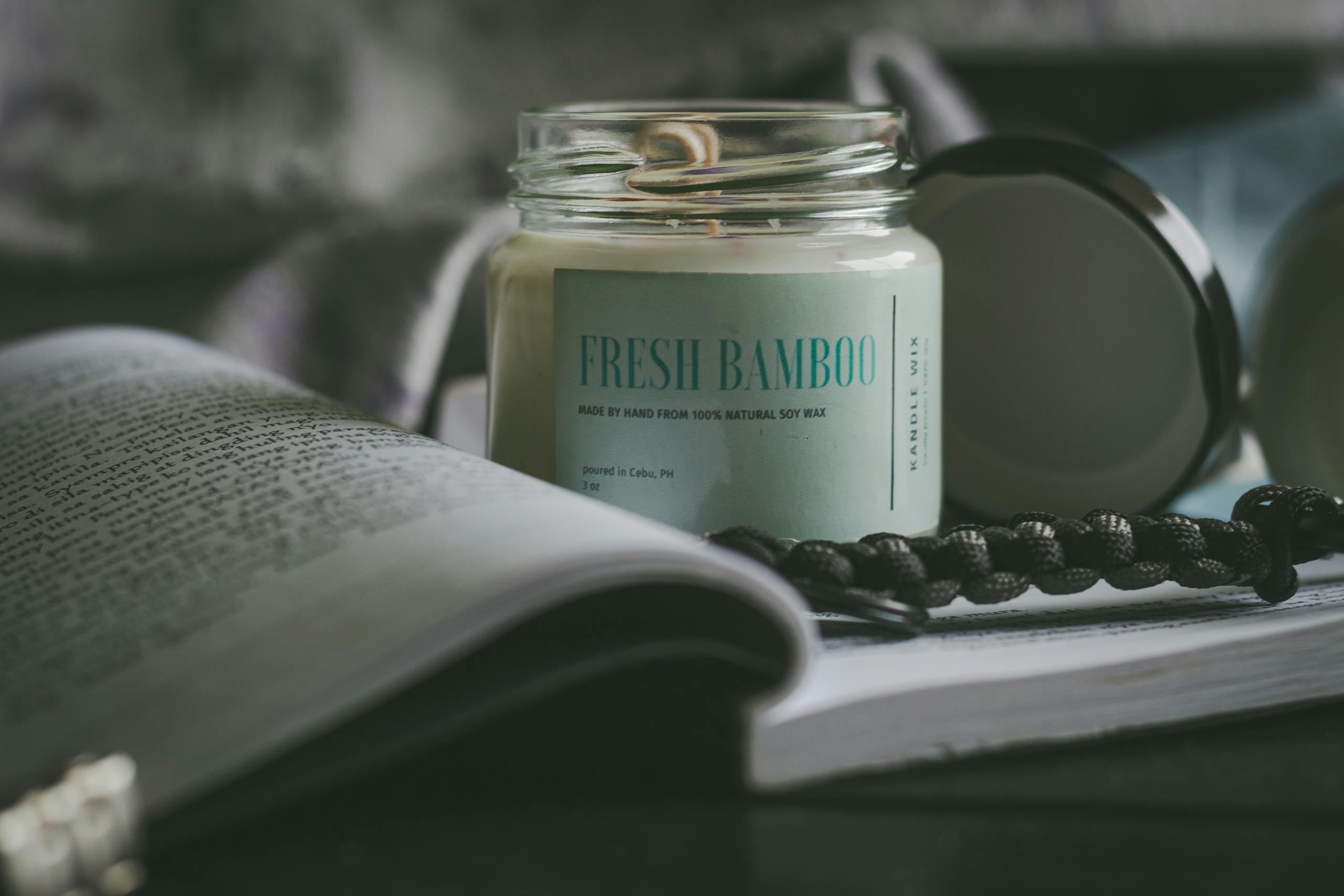
Here’s a quirky twist in the science of sleep: odors drifting through your room while you snooze might actually boost memory. Experiments showed that participants exposed to specific smells during sleep exhibited significant improvements in cognitive tests afterward.
This suggests our brains are more receptive during rest than we ever imagined—processing cues and forming new neural connections while the body recharges. Who knew beauty sleep could literally be sweeter with the right scent?
Meditating Monks Reveal Gut Health Secrets
When researchers compared long‑term meditators to their non‑meditating neighbors, something remarkable showed up:a noticeable difference in gut microbiome health. The monks’ internal ecosystems were more balanced and carried fewer risk factors for chronic diseases, such as heart problems.
This points to a possible link between mental practices and physical wellness that goes far deeper than stress reduction alone. It’s a reminder that the mind and body are intricately connected in ways science is just beginning to grasp.
Digital Addiction Gets Physical Intervention
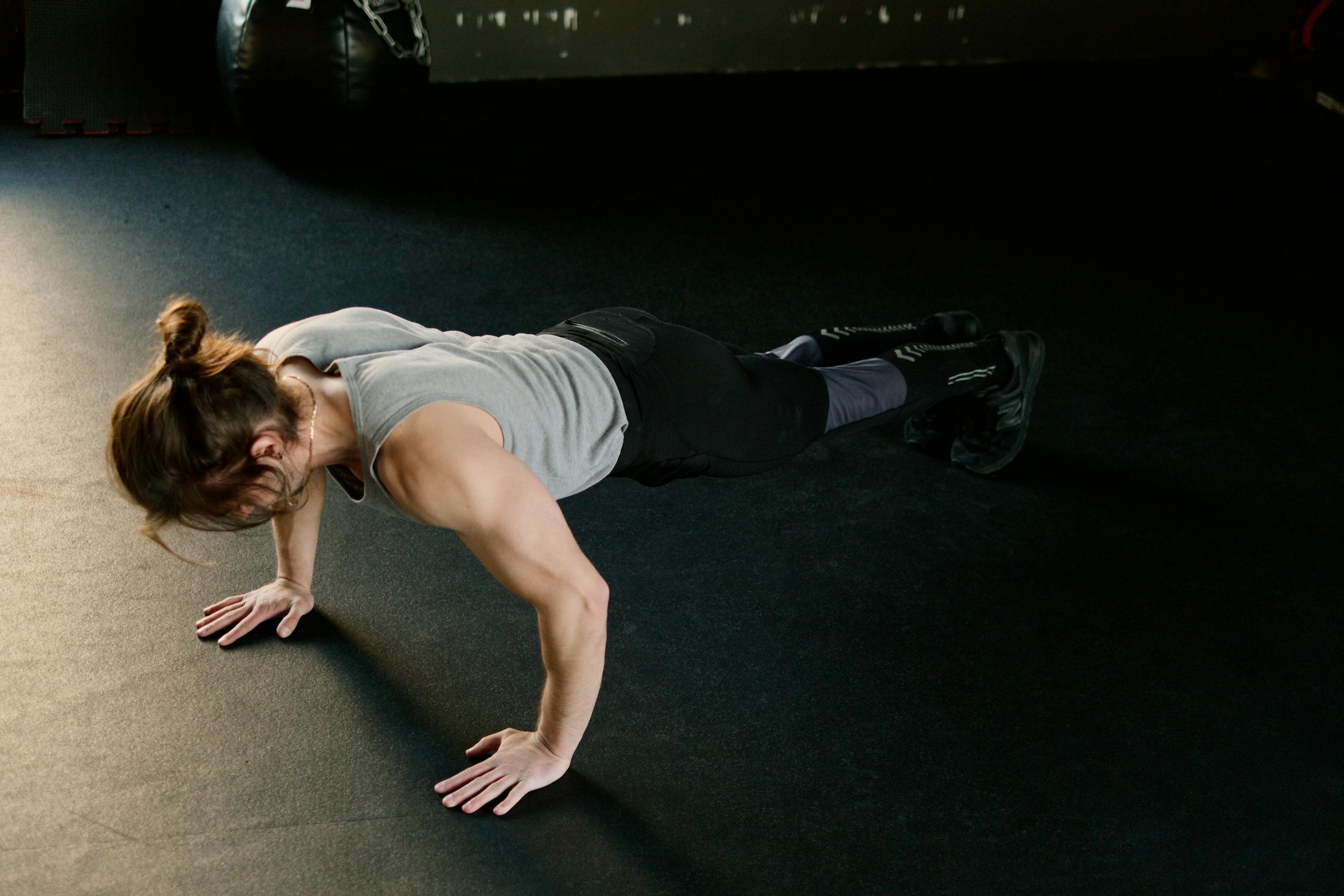
In an age of screens and scrolling, health experts are tackling digital addiction with an old‑school tool, exercise. Researchers in China are testing structured physical activity to combat the mental and physical effects of excessive internet use.
Early findings show that combining unpredictable sports with regular routines helps ease anxiety, depression, and lethargy associated with digital dependency. It’s a creative, surprising approach to a modern dilemma that millions grapple with daily.
Monk Gut Microbiomes Beat Modern Diets
Expanding on ancient practices, scientists have found that monks who maintain disciplined routines show gut microbiome signatures that suggest lower chronic disease risks.
Their lifestyle, which blends longevity practices with holistic living, reflects a health blueprint that modern medicine is increasingly validating. It’s an intriguing convergence of tradition and science that hints at new ways to prevent inflammation and metabolic dysfunction. The finding nudges us to rethink how daily habits shape long‑term wellness.
Crocs, Cute Shoes or Childhood Safety Hazard?
It might sound surprising, but some schools are rethinking the use of Crocs—those recognizable shoes—not for style, but for safety.
Reports have raised concerns that their design leads to more trips, falls, and injuries than other footwear, prompting school officials to reconsider footwear policies in common areas. It’s a reminder that even popular trends have health implications.
Your Nose Knows More Than You Think

Our sense of smell is a powerful and often underappreciated ally in health. More than just a tool for enjoying food, smell is closely connected to memory and cognitive function.
Researchers believe that a deeper study of these connections could unlock new therapies for memory and neurological issues. Even everyday experiences, like scent, might hold vital clues to health.
Conclusion
Health research constantly surprises and inspires, moving beyond the obvious headlines. These eight stories highlight how unusual findings can lead to significant truths.
From sea creatures and scents to footwear choices, the connections between our lifestyles, environments, and well-being are everywhere. Stay curious—unexpected discoveries might just offer the next health breakthrough.