Imagine stepping into a hospital of the future — where tiny robots swim through your bloodstream, artificial organs keep hearts beating without pumps, and 3D‑printed tissues replace damaged body parts as swiftly as a spare tire fit on a car.
Today’s most visionary researchers are turning science fiction into science fact, and the future of healing is nearer than you think. From gene‑tailored therapies to robotic precision that saves lives, these remarkable advances aren’t just cool — they’re reshaping how we understand health and treatment.
Magnetic Titanium Hearts Keep Blood Flowing

What sounds like a plot device from a futuristic novel is becoming a lifesaving reality. Picture hearts made of titanium, their magnetically suspended rotors pulsing blood throughout the body.
These cutting‑edge artificial hearts offer new hope, designed to be more durable and reliable than conventional pumps. As a result, patients face a lower risk of mechanical failures, which can devastate those relying on these devices.
Brain Chips Offer Real‑Time Insight Into Neural Activity
Tiny, stretchable bioelectronic chips (flexible electronic devices designed for biological use) implanted in brain tissue are helping scientists monitor neural activity with unprecedented detail.
Nanorobots That Work Inside Your Body
Imagine microscopic machines swimming through your bloodstream like tiny plumbers fixing leaks or delivering medicine exactly where it’s needed. That’s the promise of nanorobotics — a field that envisions robots so small they can cross cell membranes, target cancer directly, and reduce harmful side effects.
These minuscule assistants could one day perform molecular-level surgery or deliver drugs with pinpoint accuracy. Their ability to support tissue repair and fight infection at scales invisible to the naked eye makes them one of the most thrilling prospects in future medicine.
3D Bioprinting Tissues and Organs
Bioprinting is a process that uses living cells loaded into a printer as ‘ink’ to construct biological tissues, such as skin or cartilage, by depositing layers one on top of the other.
Precision Gene Editing Treats Diseases at the Source
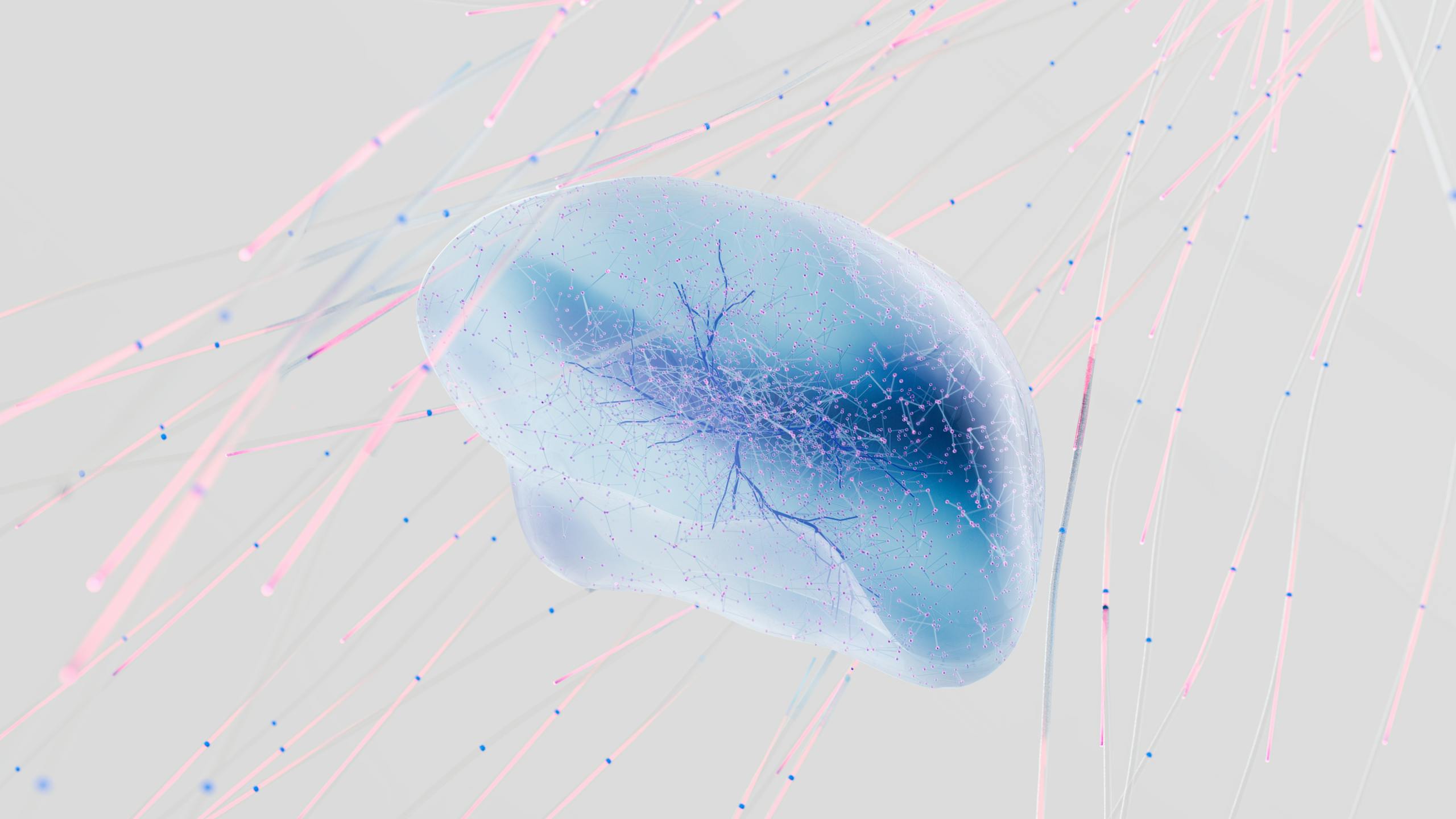
Gene editing is changing DNA, the genetic code that determines how our bodies function, or RNA, which helps carry out DNA’s instructions, to correct errors or disease-causing mutations using tools like CRISPR (a technology for editing genes) and mRNA vaccines (vaccines that use genetic instructions to trigger an immune response).
Regenerative Cell Therapies Repair What’s Broken
Regenerative cell therapies use a patient’s own cells, which are reprogrammed into stem cells(cells that can develop into many different cell types) and then used to repair or replace damaged tissues.
Artificial Intelligence Enhances Diagnosis and Care
AI has rapidly become a silent partner in medicine, analyzing vast patient data to identify diseases earlier and more accurately than human clinicians alone.
These systems analyze images, test results, and medical histories to help detect conditions such as cancer and heart disease at their earliest stages.
Wearable Tech Creates Health Digital Twins

A digital twin is a virtual replica of a patient’s body created using data from wearable devices (gadgets that track health metrics) and advanced computer modeling, allowing doctors to simulate procedures or treatments before trying them in real life.
Conclusion
These innovations reveal a future where medicine blends biology, engineering, and information like an intricate symphony. Medical breakthroughs are no longer distant dreams but rapidly approaching realities that will redefine how we prevent, diagnose, and treat disease.
Whether through tiny robots within our veins or tailor‑made therapies guided by our own genetic codes, the era ahead promises to be as transformative as it is inspiring. As technology and compassion merge, tomorrow’s health solutions will feel both revolutionary and deeply human.