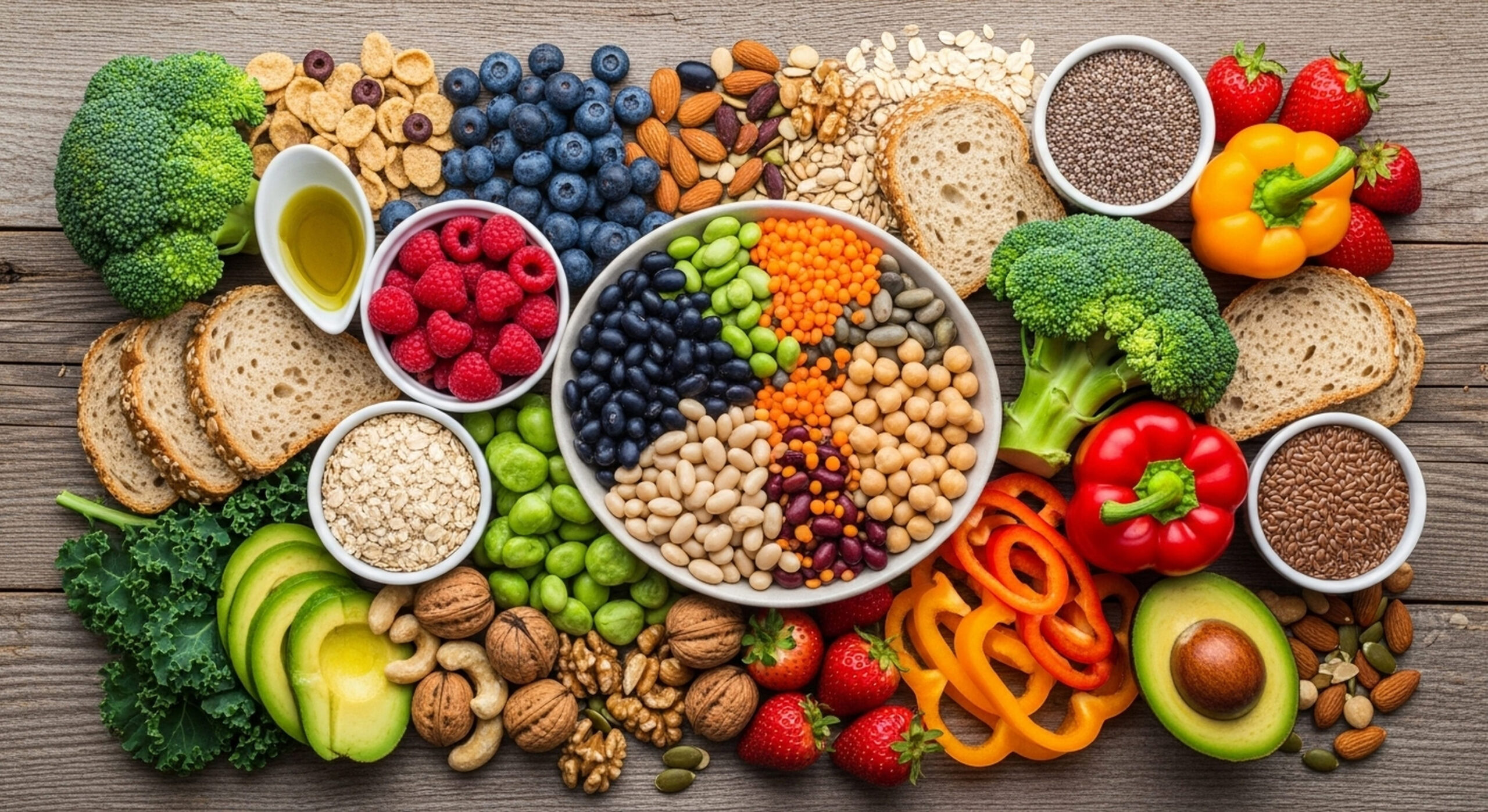
Your taste buds don’t lie — certain foods make you sigh with satisfaction because chemistry is at work. Each tempting bite, savory slurp, or sweet lick is the result of a dance between molecules, receptors, and memories that turn simple ingredients into unique experiences.
Some foods deliver pure delight, others spark nostalgia, and many do both — all thanks to their unique interactions with your body and mind.
Chocolate’s Blissful Blend of Mood Makers

Chocolate tastes so good because it has special chemicals that make you feel happy. Chemicals like theobromine and phenylethylamine are a lot like the good-mood messengers in your brain, which is why chocolate can make you feel warm and happy after you eat it.
Add natural sugars and fats to the mix, and your body rewards chocolate with a rush of dopamine that feels almost like love. This is why chocolate isn’t just a treat — it’s an emotional experience you crave again and again.
Umami — The Fifth Taste That Makes Everything Better
Most of us learned about sweet, salty, sour, and bitter in school, but umami is the mysterious fifth taste that gives savory foods their heavenly depth. Glutamate naturally occurs in tomatoes, cheese, mushrooms, and meats, and it binds to specific taste receptors that signal richness and satisfaction.
That’s why a perfectly aged Parmesan or a ripe tomato sauce delivers flavors much richer than any single ingredient can achieve. Umami weaves its way through your meals and lingers, creating sensations you feel as much as you taste.
Bread’s Irresistible Maillard Magic

The golden crust on fresh bread isn’t just attractive — it’s the result of a chemical reaction. When heat combines proteins and sugars in dough, the Maillard reaction produces hundreds of new flavor compounds. These compounds produce smells and flavors reminiscent of toast and roasted foods.
It’s why bread straight from the oven smells heavenly and why toasted edges taste richer than plain dough. This reaction isn’t limited to bread; it’s at work in seared steaks, roasted coffee, and caramelized onions, too.
Cheese’s Fermented Flavor Fiesta
Cheese lovers know that aged cheddar, blue cheese, and Gouda each have wildly different personalities — and that comes down to fermentation chemistry. Bacteria break down fats and proteins in milk into small aromatic molecules that range from buttery to funky.
Longer aging makes cheese flavors more complex and intense. That’s why cheese can be creamy, sharp, earthy, or piquant, all depending on its chemical evolution over time.
Coffee’s Complex Aroma Orchestra

Coffee isn’t just bitter bean juice — it’s a liquid symphony of hundreds of aromatic compounds. When coffee beans are roasted, they release volatile molecules that combine floral, nutty, fruity, and smoky notes.
Your nose and tongue work together to translate those compounds into rich sensations that keep millions of people reaching for that morning cup. The caffeine doesn’t hurt either, giving your brain an alertness boost that feels as good as the flavor itself.
Spices That Trigger Heat and Joy
The intense burning sensation you get from chili peppers isn’t pain — it’s the compound capsaicin activating heat receptors in your mouth. This stimulation causes your brain to release endorphins,your body’s natural feel‑good chemicals, which can create a euphoric high similar to a runner’s high.
That’s why spice lovers chase hotter sauces, and your lips tingle with pleasure even as they burn. In flavor, a little heat is pure chemistry.
Salt’s Simple but Savory Boost
Salt serves a simple purpose: to enhance flavor. Sodium ions balance bitterness, amplify sweetness, and reveal rich flavors in ingredients.
Your body also relies on salt to regulate fluids and transmit nerve signals, which helps explain why salty snacksare so satisfying. That humble shaker on your table isn’t just for taste — it’s a powerful flavor-booster at work on the molecular level.
Sweetness That Signals Energy and Pleasure

Sugar tastes so good because your brain interprets sweetness as a sign of calories and energy — something our ancestors needed to survive. Sweet molecules bind to specialized taste receptors that instantly light up pleasure centers, almost like a reward system for your body.
This instinct helped early humans prioritize energy‑rich foods, and today it keeps dessert plates empty. Whether it’s honey, fruit, or chocolate‑cake icing, sweetness speaks your body’s native language.
Conclusion
The foods we adore aren’t just tasty by luck — they are masterpieces of chemistry, evolution, and sensory design. Molecules interact with receptors, memories, and neural pathways in your body to create experiences that go beyond hunger and into pleasure, comfort, and emotion.
Knowing why foods taste so good doesn’t just make you a smarter eater — it connects you to flavor’s true nature. Next time you savor a favorite dish, remember: chemistry is the secret ingredient you always taste.