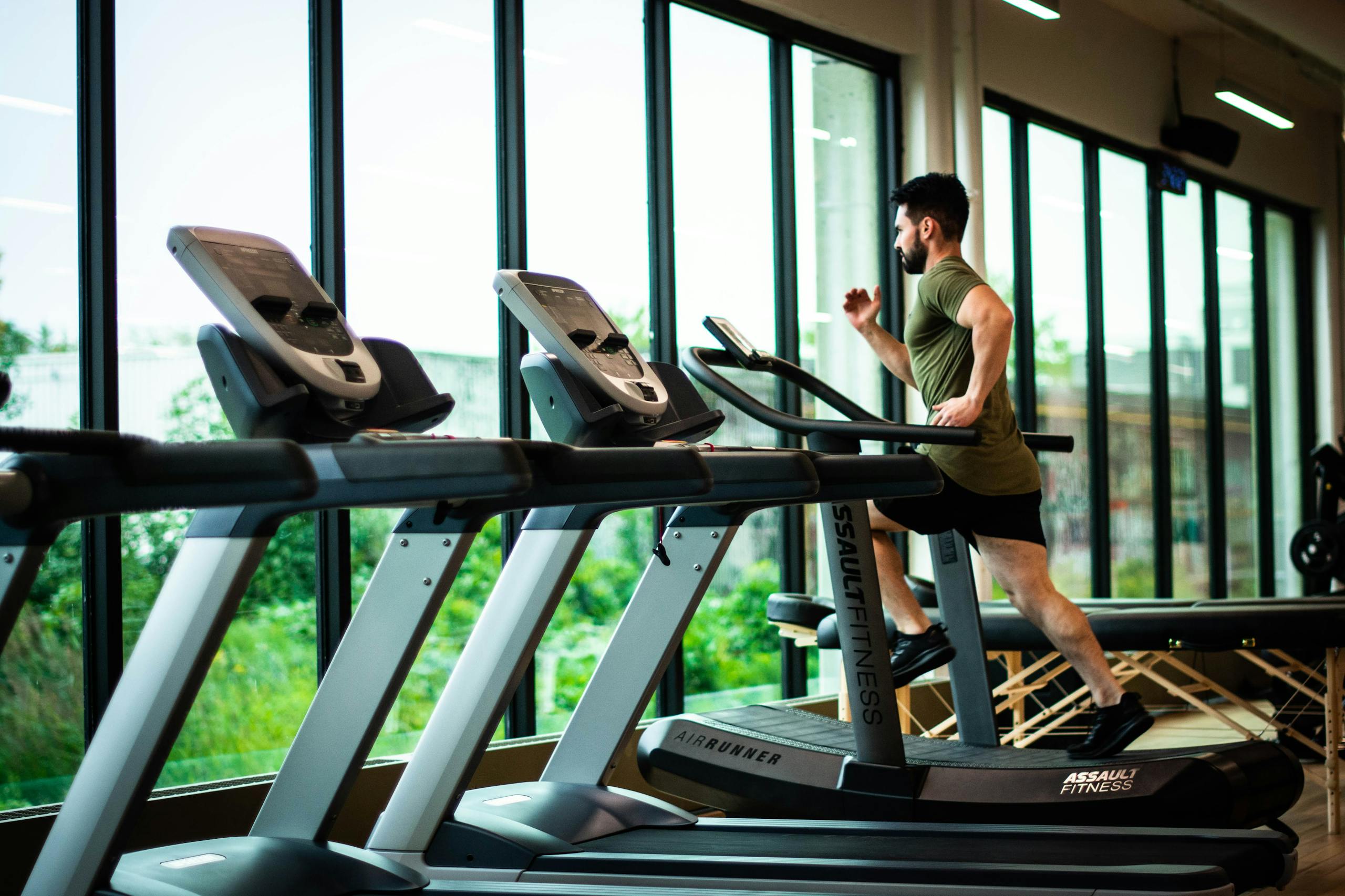
A real nomad-friendly country does more than serve good coffee and promise fast internet.
It gives remote workers a legal path to stay, enough structure to settle in, and just enough flexibility to keep life from feeling like paperwork with a view. These eight countries stand out because they have formal remote-work routes in place, not just a reputation built on Instagram sunsets.
Portugal

Portugal still feels like the country that understood the digital nomad brief early and answered it with style.
Its immigration framework includes a residence route for people doing remote work for employers or clients outside Portugal, and the resulting temporary residence permit is valid for two years, renewable for successive three-year periods. That gives nomads something many places still do not: breathing room.
Spain
Spain is for the nomad who wants energy, culture, and a setup that can grow beyond a short stay.
Spain’s telework visa is for foreigners doing remote work or professional activity for companies located outside the country, and for foreigners already legally in Spain, who can apply for a residence permit for telework valid for up to 3 years. That makes Spain feel less like a temporary fling and more like a serious base.
Estonia
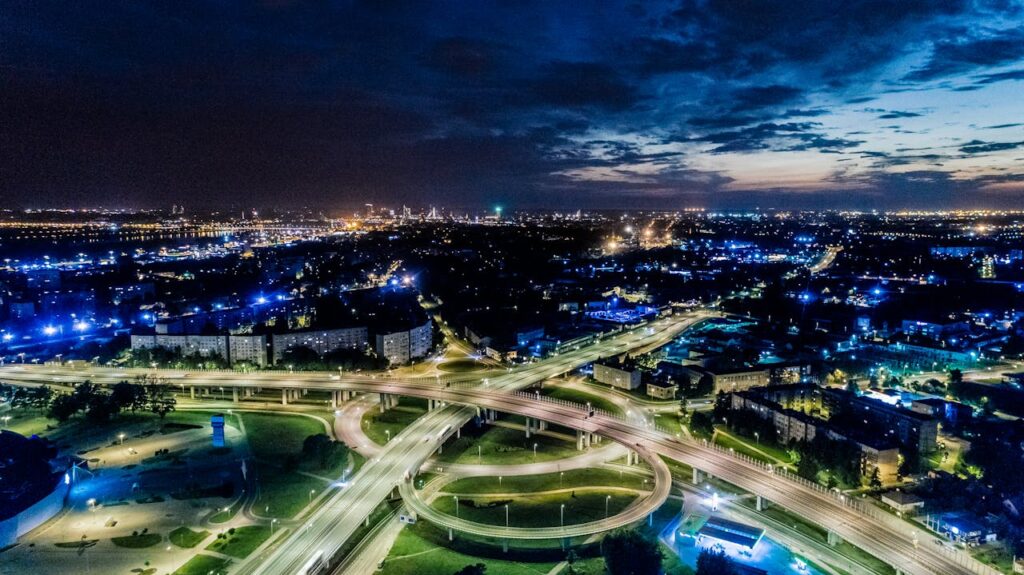
Estonia has the kind of digital reputation that makes remote workers lean in before the country even finishes introducing itself.
Its Digital Nomad Visa is for people who can work independently of location, whether for a foreign employer, a foreign company they run, or clients based mostly abroad, and the official pathway allows a temporary stay of up to one year. Estonia also notes that the Type D long-stay visa has a state fee of €120 and is usually processed within 30 days.
Croatia
Croatia is the country for nomads who want Europe without the usual frantic tempo. The interior ministry defines a digital nomad as a non-EU, non-EEA, non-Swiss citizen working through communication technology for a company not registered in Croatia, and a temporary stay can be granted for up to 18 months.
That longer runway makes Croatia especially attractive to slow travelers who want the coast, the old towns, and time to actually enjoy both.
Italy
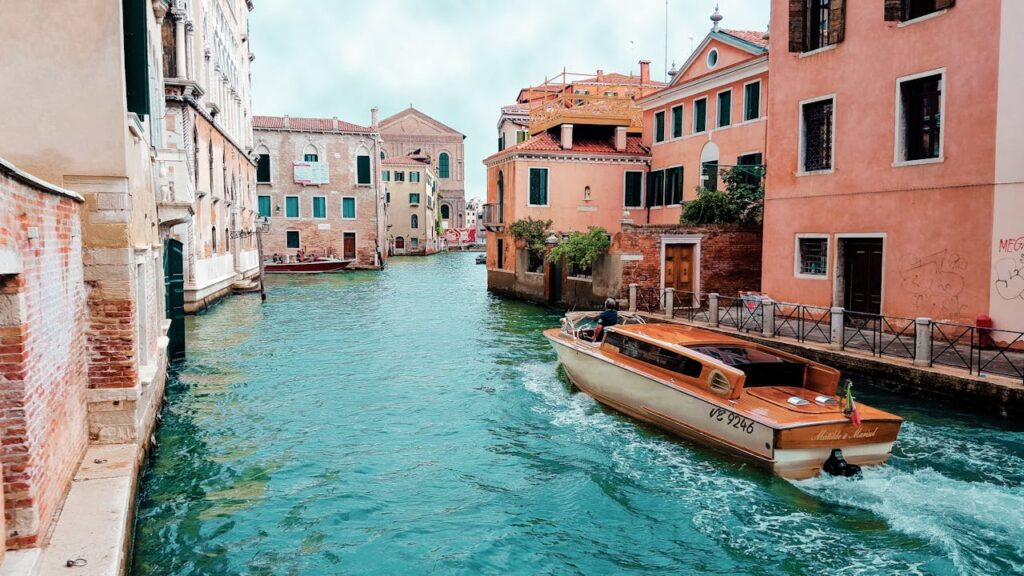
Italy brings romance to the spreadsheet, but it also brings rules. The official digital nomad and remote worker visa is meant for non-EU citizens who want to work remotely while living in Italy, but it is limited to highly specialized workers; the visa is split between self-employed digital nomads and remote employees.
In other words, Italy is a beautiful option, but it is not the casual “show up with a laptop and a dream” choice people sometimes imagine.
Malta
Malta knows exactly what it is selling, and it sells it well: island life with a legal remote-work lane.
The Nomad Residence Permit allows people to maintain employment in another country while legally residing in Malta, and eligibility requirements include remote work, third-country nationality, and a minimum gross yearly income of €42,000. It is a sharp fit for nomads who want English widely used, a compact setting, and a permit system that says what it means.
United Arab Emirates
The UAE is the polished, ambitious choice for nomads who like efficiency and big-city momentum.
Official guidance says foreigners employed outside the UAE can live there through a virtual work or remote-work residence route, with proof of remote work for an entity outside the country, health insurance, and a monthly income of at least US$3,500; Dubai’s virtual work residence is issued for one year and can be extended. This is the pick for people who want world-class infrastructure and do not mind trading beach-town looseness for skyline-level order.
Malaysia
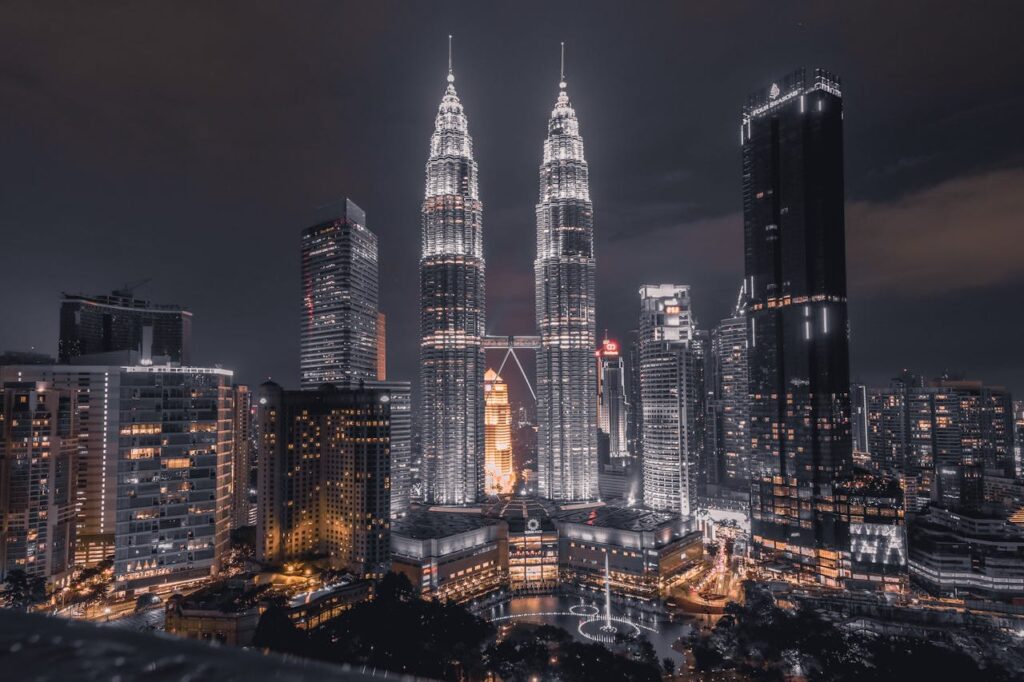
Malaysia feels like a smart nomad move because it mixes comfort with a more flexible Southeast Asia rhythm.
Through MDEC’s DE Rantau program, Malaysia offers the DE Rantau Nomad Pass, a professional visit pass for qualified foreign digital nomads, with stays from 3 to 12 months and the option to renew for another 12 months. The program also allows dependents, making Malaysia especially appealing to remote workers who are not traveling solo.