As parents, we often like to believe that we treat all of our children equally. After all, love is not something that can be measured or quantified.
Yet, despite our best intentions, one child might inevitably receive more attention or affection than the others. It’s a natural part of parenting. In fact, research shows that over 70% of parents subtly favor one child over the others.
However, it’s important to recognize that favoritism doesn’t necessarily mean you love one child more. It can be about personality compatibility, ease of connection, or simply unconscious habits. But these subtle signs, if left unchecked, can have lasting effects on family dynamics.
The Tone of Voice
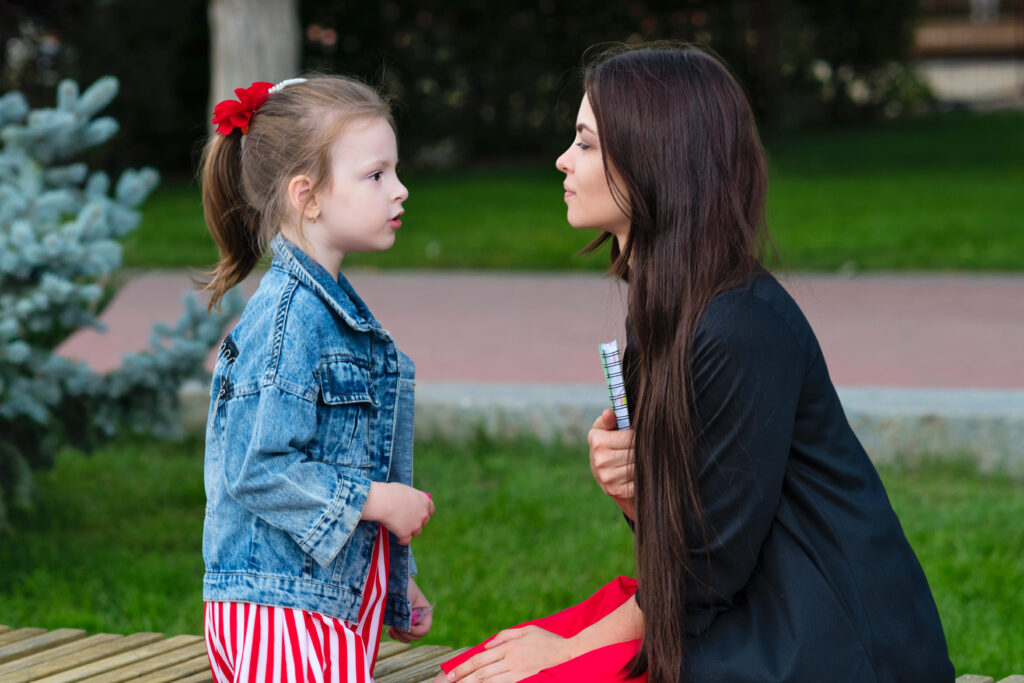
Imagine this: you’re talking to one of your children, and your voice softens. There’s an innate gentleness in your tone as you encourage, reassure, or praise their behavior. Now, contrast that with how you speak to another child,
more direct, perhaps even a little harsher. This subtle change in the way you speak to your children can be a dead giveaway of favoritism. Research suggests that parents naturally use a gentler tone with the child they feel more connected to. It’s an instinct that can happen without conscious thought. But this shift in vocal warmth can create a divide, leaving one child feeling like they’re always on the receiving end of a lecture, while the other feels more comforted and valued.
The Emotional Comfort
Have you ever found yourself feeling more at ease with one child? Maybe you laugh more easily with them, or you share moments of calm that feel effortless.
That sense of emotional comfort is a major sign of favoritism that parents often overlook. It’s not about love being stronger for one child; it’s about the ease of connection. Some children naturally mesh better with their parents’ personalities, which can make interactions feel more relaxed.
However, when a parent feels more emotionally comfortable with one child, it often leads to more time spent together and a closer bond, leaving the others to feel like they have to compete for attention and affection.
Unequal Discipline
One of the most obvious signs of favoritism lies in how discipline is applied within the family. It’s tempting to let the child who is well-behaved or more agreeable slide when it comes to discipline.
But a consistent pattern of leniency toward one child while applying strict rules to another can lead to a sense of injustice. It doesn’t just affect the child who is disciplined more harshly; the child who receives less discipline may start to take their parents’ favoritism for granted, leading to resentment later. Unequal discipline may seem minor in the moment, but it can cause deep emotional rifts that are difficult to repair.
The Emotional Bond
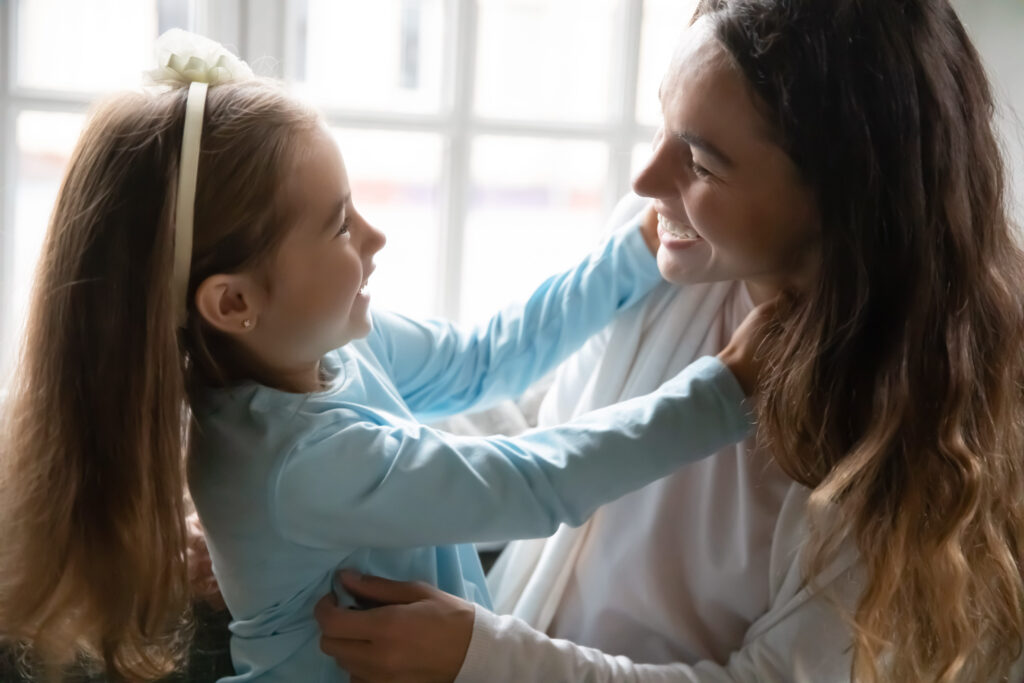
When we talk about favoritism, it’s not always a matter of actively choosing one child over another. Sometimes, it’s about the emotional connection that forms naturally over time.
You might find yourself feeling a stronger bond with the child who shares your interests or even your personality traits. This bond can make you feel more naturally drawn to spend time with them, creating an imbalance in the emotional dynamic.
However, this is where it’s crucial to strike a balance. Acknowledging this emotional preference is the first step in ensuring that no child feels left out or unimportant.
Selective Family Activities
It’s a fun weekend, and you’re planning a family outing. But somehow, one child is always the first to join you for activities like going to the movies or doing the weekly grocery shopping. It’s natural to gravitate toward the child who shares your interests, but when these activities are repeatedly monopolized by one child, favoritism begins to show.
This is especially true when one child is frequently given more opportunities to bond with parents in this way, while others are left out. It doesn’t need to be a grand event, but small, consistent instances of exclusion can have a big emotional impact on a child.
The Praise Imbalance
Celebrating a child’s accomplishments is important, but when praise is only consistently given to one child, it can be a sign of favoritism. Maybe you find yourself praising the child who excels in school or is particularly athletic.
On the other hand, the child who struggles or has different interests may receive less recognition for their efforts. This imbalance can create feelings of inadequacy in the less-praised children, leading them to question their place within the family. It’s crucial to remember that every child deserves to feel recognized and valued, no matter how big or small their achievements are.
The Unspoken Resource Disparity
Favoritism often manifests itself in the way resources are allocated within the family. Whether it’s more time spent helping with homework, extra spending money for a child’s hobby, or just a little more attention during family gatherings, the unequal distribution of resources is a subtle form of favoritism.
Parents may not even realize they are giving more to one child, but the effects are clear: one child may feel like the golden child, while others may feel ignored. Being mindful of how resources, whether emotional, financial, or physical, are divided can help foster a more equal environment.
Subtle Physical Affection
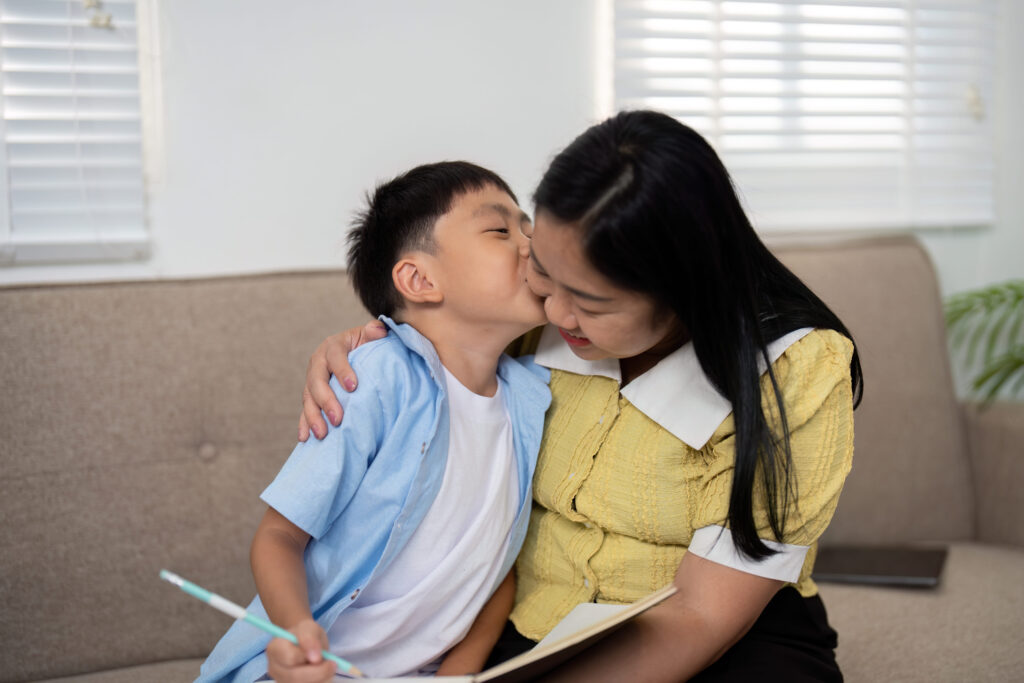
Physical affection plays a significant role in bonding with children. But when one child is consistently the recipient of more physical closeness, like extra hugs, holding hands, or snuggling, it can contribute to a sense of favoritism.
Children are incredibly perceptive and will often pick up on the differences in physical affection. This discrepancy can lead to feelings of rejection or jealousy, even if it’s entirely unconscious. To promote fairness, try to ensure that every child gets equal doses of affection, regardless of their personality or temperament.
The Impact of Sibling Rivalry
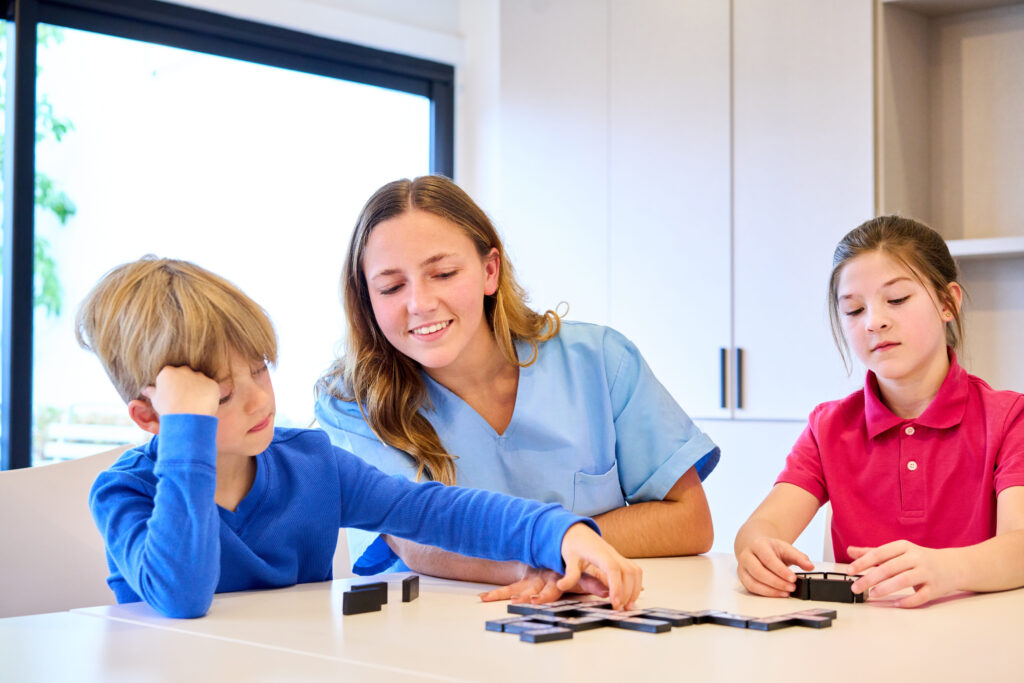
Favoritism doesn’t only affect the child who feels less favored; it can also create tension between siblings. When one child perceives that they are getting less attention or affection from a parent, it can lead to sibling rivalry, even if it’s not overt.
Rivalry can manifest in many ways: arguments, passive-aggressive behavior, or even physical fights. It’s important to foster a family culture where siblings feel supported by each other, not in competition for parental affection. Encouraging cooperation and unity between siblings can counteract the effects of favoritism.