A calm home is not always the result of a giant renovation, a designer sofa, or a dramatic shopping spree. More often, it comes from the quiet choices that stop a room from feeling noisy, busy, or slightly “off” every time you walk into it. The funny part is that many people chase peace by buying more, when what their home really needs is better flow, softer light, and fewer visual interruptions.
That is what makes these overlooked design moves so powerful. They are not flashy or attention-seeking, but they change the emotional temperature of a room in a very real way. When you get them right, your home starts to feel less like a place full of stuff and more like a place that finally exhales.
Stop Relying on One Overhead Light
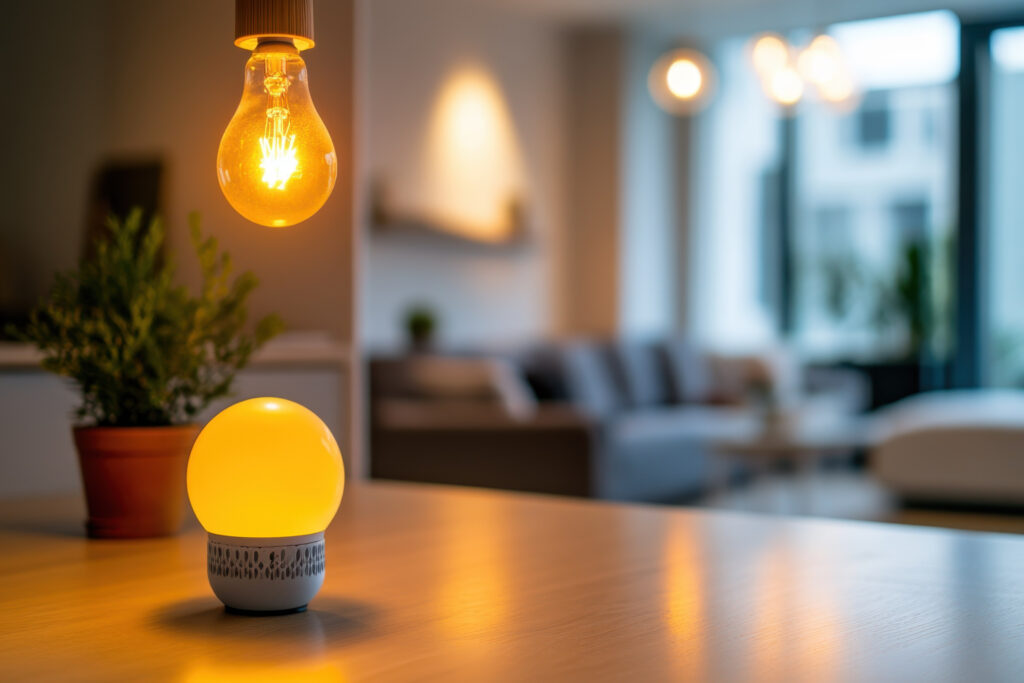
Nothing ruins a beautiful room faster than a single harsh ceiling light, making everything look tired. Calm spaces usually have lighting that feels layered, not blasted. Designers interviewed in the article recommend balancing overhead fixtures with table lamps, sconces, and warm, dimmable bulbs, as the right lighting softens a room and shapes its mood in a subtle yet powerful way.
Think of lighting as atmosphere, not just visibility. A lamp in the corner can make a living room feel intimate. A sconce can make a hallway feel thoughtful instead of forgotten. Warm lighting can even make everyday clutter seem less offensive, which is not magic exactly, but it is close. If your home feels tense at night, the problem may not be your furniture at all. It may be your lighting behaving like an interrogation lamp.
Warm Up the Walls Instead of Making a Statement
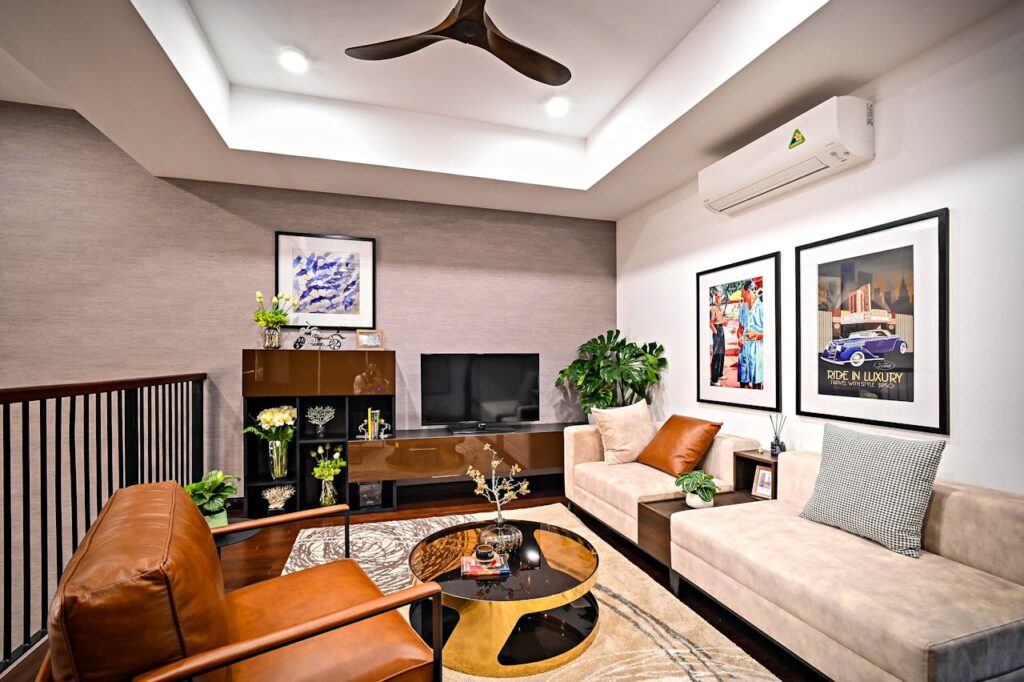
People often assume a calm room has to be white, but stark white can feel more clinical than peaceful. A softer, warm neutral tends to sit quietly in the background, which is exactly what you want when you are trying to create a home that feels livable and settled. This piece points to warm neutrals as one of the easiest ways to create that soft, welcoming effect without making the walls the loudest thing in the room.
This does not mean your home has to look dull or beige in the boring sense. It means the walls stop fighting with the rest of the room. Furniture, art, wood tones, plants, and fabrics all look better when they are not competing with an aggressive backdrop. A warm, quiet paint color gives your space a kind of visual mercy, and honestly, most homes could use more of that.
Let the Room Do Its Job First
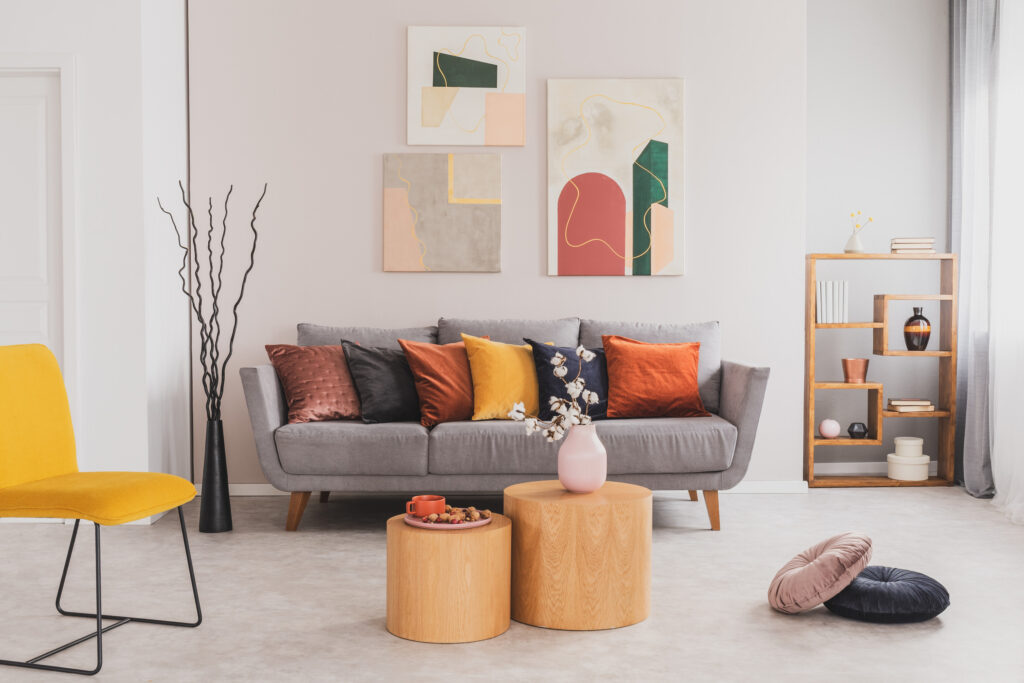
A lot of homes look good in photos but feel frustrating in real life. That usually happens when style wins, and function loses. One of the strongest points in this article is that homeowners often chase a look before considering layout, storage, and daily use, leaving them with rooms that are attractive but underperforming.
A calm home is a useful home. If a room’s purpose is fuzzy, it starts collecting random activity and random objects. That is how clutter sneaks in, and stress sets up camp. A formal dining room no one uses can become a productive office, a homework zone, or a reading retreat. A dead corner can be used for closed storage. The moment a space starts serving your actual life, it becomes easier to keep tidy and much easier to enjoy.
Hide the Mess Where Life Happens Fastest
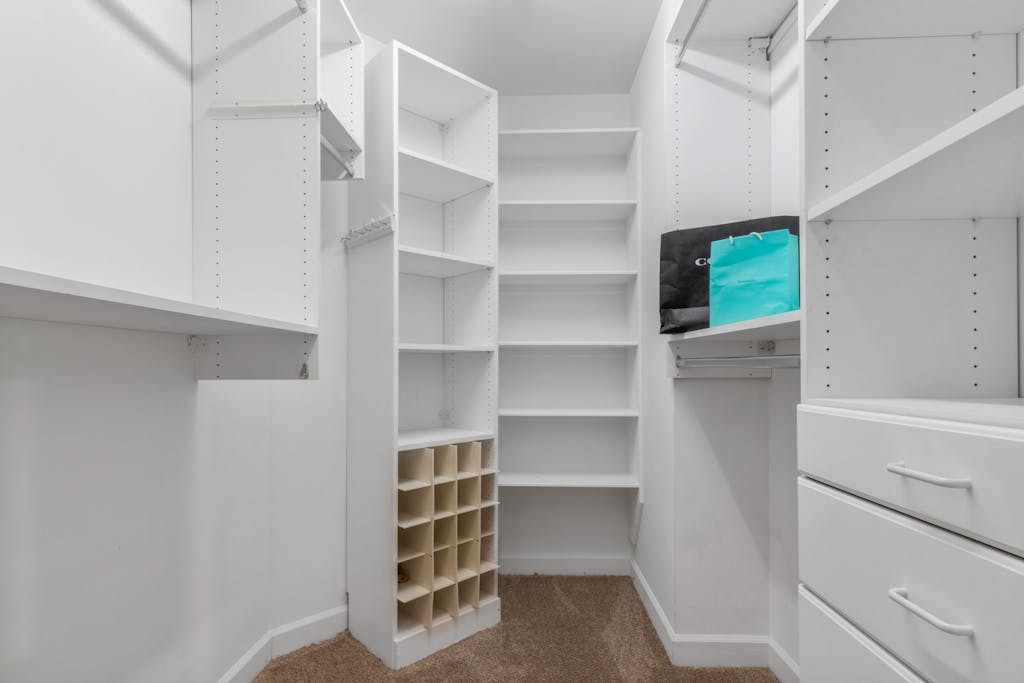
The busiest areas of the home are usually the first to feel chaotic. Mudrooms, entryways, laundry zones, and kitchen drop spots are where shoes, bags, coats, papers, and all the tiny leftovers of daily life tend to pile up.
Open storage can look charming for about ten minutes. After that, it starts revealing the full truth of your household. Closed cabinetry, drawers, baskets behind doors, and smart built-ins give the eye somewhere to rest. That matters more than people realize. When every practical item is on display, the room feels like it is always in the middle of a task. When the visual noise disappears, the whole home starts feeling more composed, even if real life is still happening at full speed behind those cabinet doors.
Create a Visual Throughline from Room to Room
One of the sneakiest reasons a home feels restless is that every room introduces a new personality without warning. A dramatic shift in color palette, flooring, finishes, or window treatments can make a house feel chopped up rather than connected. The article recommends maintaining some continuity between rooms so the home feels like it speaks a single design language rather than six competing dialects.
This does not mean every room has to match like a furniture showroom from 2008. It just means there should be a thread tying things together. Maybe it is a repeated wood tone, a consistent palette, similar textiles, or the same flooring carried through major spaces. Your eye relaxes when it senses order. It does not need every room to be identical, but it does want a reason to believe the whole house belongs to itself.
Do Not Put Everything Out at Once
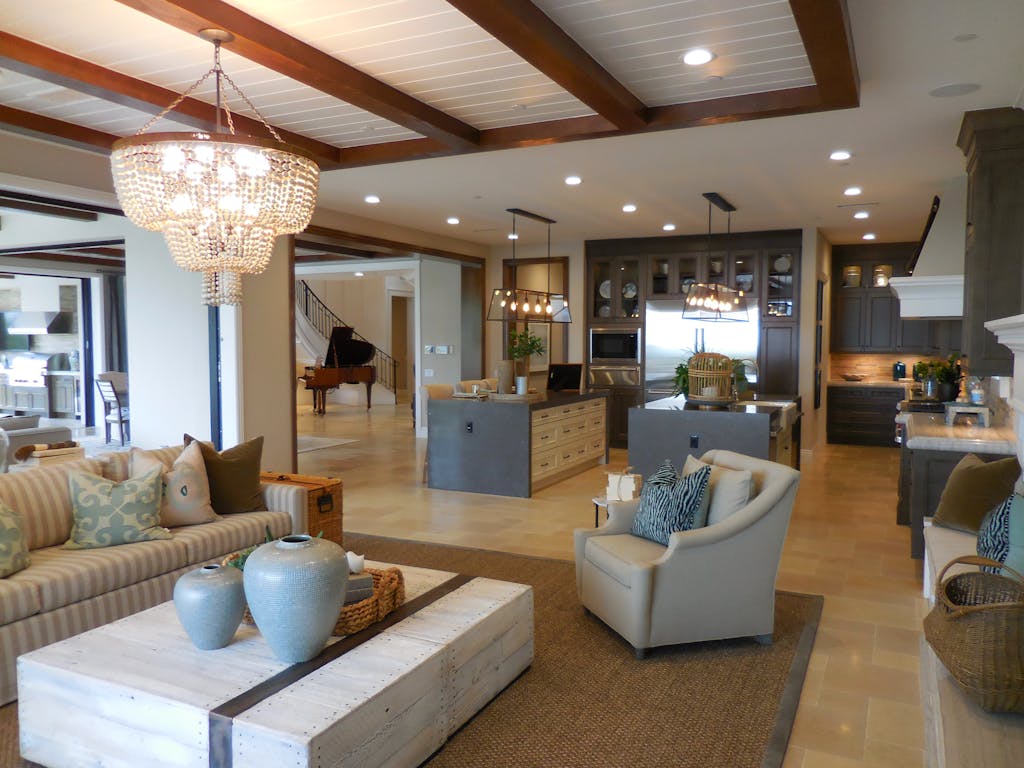
Many homes are not overcrowded because the rooms are too small. They are overcrowded because every sentimental object, decorative piece, and impulse purchase has been asked to perform at once. This article warns that too many small accessories create subtle chaos, and recommends editing down displays or rotating objects seasonally so meaningful pieces have space to stand out.
This is where a calmer home often begins to feel more sophisticated, too. A few well-placed objects look intentional. Twenty small ones scattered around a room can feel like visual static. When you edit, the pieces you love actually get noticed. The framed photo becomes warmer. The ceramic bowl feels special. The bookshelf stops looking like it is begging for help. Restraint is not emptiness. It is clarity.
Conclusion
The beauty of these ideas is that they do not depend on trends. They work because they reduce friction. They lower visual stress, improve how a room functions, and help the home feel more coherent. None of that requires a perfect house. It only requires paying attention to the parts of design that people usually ignore because they are too busy chasing the obvious stuff.
A calmer home is rarely built in one grand moment. It comes together through quiet corrections. Softer walls. Better lamps. Smarter storage. Fewer objects. More intention. That is the real trick. Peace at home is often less about adding beauty and more about removing the little design decisions that keep your space from breathing.