Food is an essential part of every culture, and many regions have unique dishes that reflect their history and traditions. However, some of these local foods come with surprising and sometimes dangerous risks. Whether it’s a seemingly harmless delicacy or an ancient culinary practice, some dishes can pose serious health threats if not prepared or consumed properly. From live octopus in South Korea to poison-filled cheeses in Italy, these foods are not for the faint of heart. Let’s dive into some of the most dangerous local foods from around the world.
Datura (Native Americas)
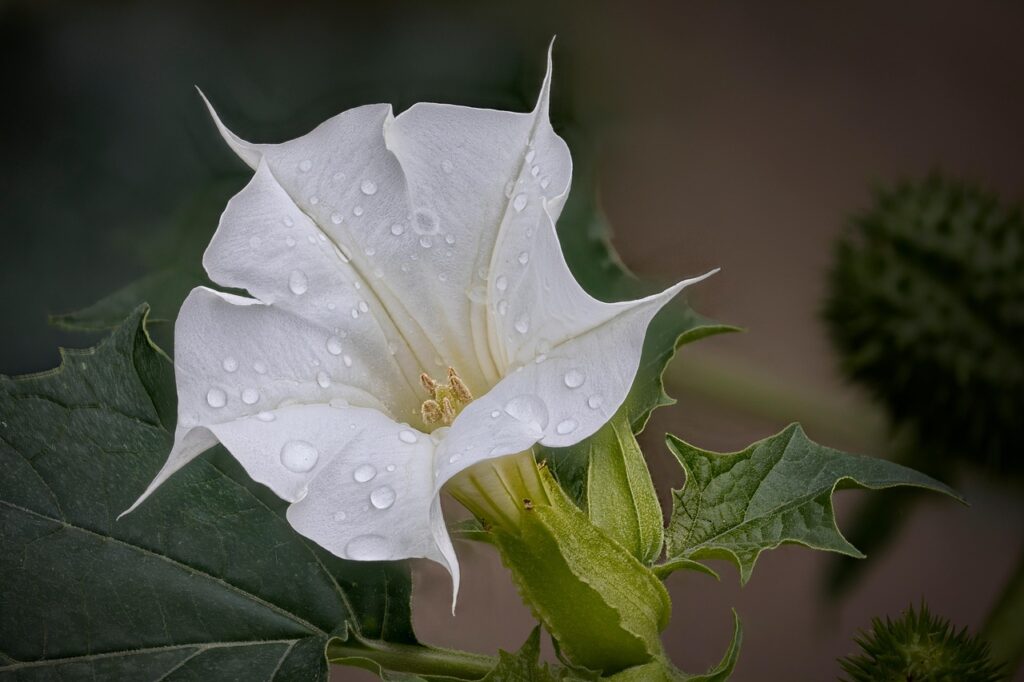
juergenrichterich/Pixabay
Datura, also known as the “Jimson Weed,” is a toxic plant that has been used historically in various indigenous cultures, especially in ceremonial and spiritual contexts. The seeds, flowers, and leaves of the plant contain powerful tropane alkaloids like scopolamine, which can cause delirium, hallucinations, and even death if consumed in large quantities. In some cultures, young men were given datura as part of initiation rites or vision quests, though the effects of the drug can lead to permanent memory loss, violent behavior, or death. The plant’s dangerous effects have led to its classification as a poisonous substance, and it is illegal in many countries.
Casu Marzu (Sardinia, Italy)
Casu Marzu is an infamous Sardinian cheese known for its disturbing production method. Made from sheep’s milk, it is intentionally infested with live maggots. These larvae are used in the fermentation process to break down the cheese’s fats, turning it into a soft, spreadable delicacy. However, the maggots are not dead when the cheese is eaten, and they often jump as high as 15 centimeters, which can be alarming to diners. The cheese is considered illegal in many places due to health concerns, but it remains a regional specialty, prized for its unique flavor and texture.
Sannakji (Live Octopus – South Korea)
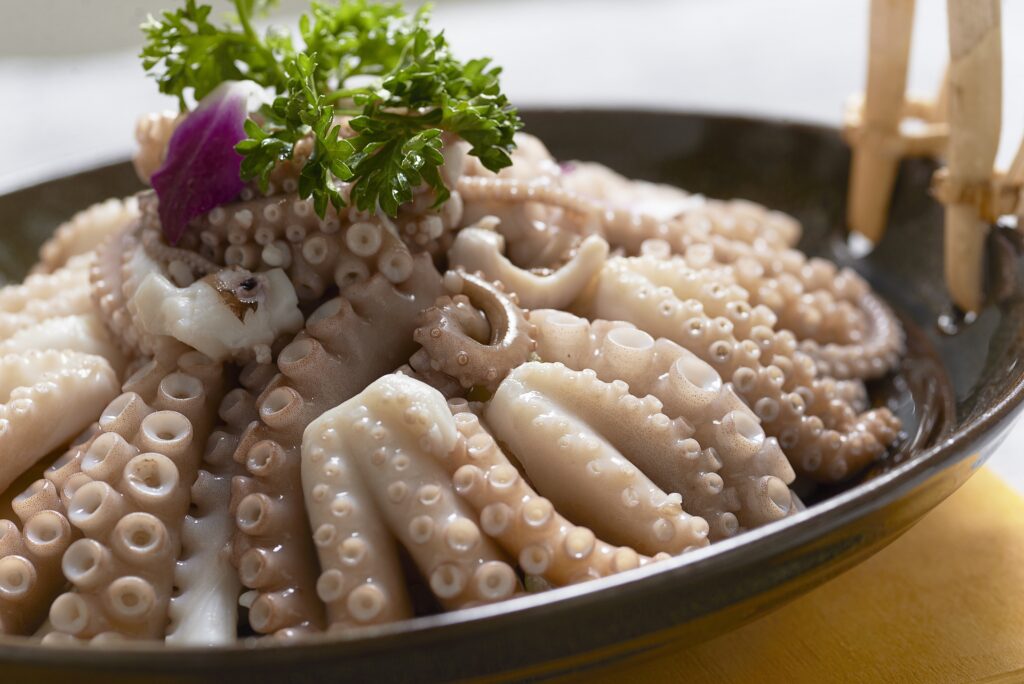
Sannakji is a traditional Korean dish in which live octopus is sliced and served while still wriggling on the plate. The challenge with this dish lies in the suction cups of the octopus, which can stick to the eater’s mouth or throat while chewing. This creates a choking hazard, with diners sometimes unable to swallow the pieces. There have been recorded incidents of deaths due to asphyxiation from the suction cups, and every year, six people in South Korea die from choking on this dish. Despite the dangers, it remains a popular delicacy for those seeking a unique culinary experience.
Lutefisk (Scandinavia)
Lutefisk is a traditional Scandinavian dish made from dried fish, usually cod, that has been soaked in a lye solution (sodium hydroxide or potassium hydroxide). This highly alkaline solution makes the fish gelatinous, giving it a very peculiar texture. The lye used in the preparation process makes the fish dangerous if not properly rinsed, and if ingested improperly, it can lead to severe chemical burns or gastrointestinal distress. While it is enjoyed by some as a festive dish, especially during the Christmas season in Norway and Sweden, it can pose a risk if not prepared properly.
Urushi Tea (Japan, historical)
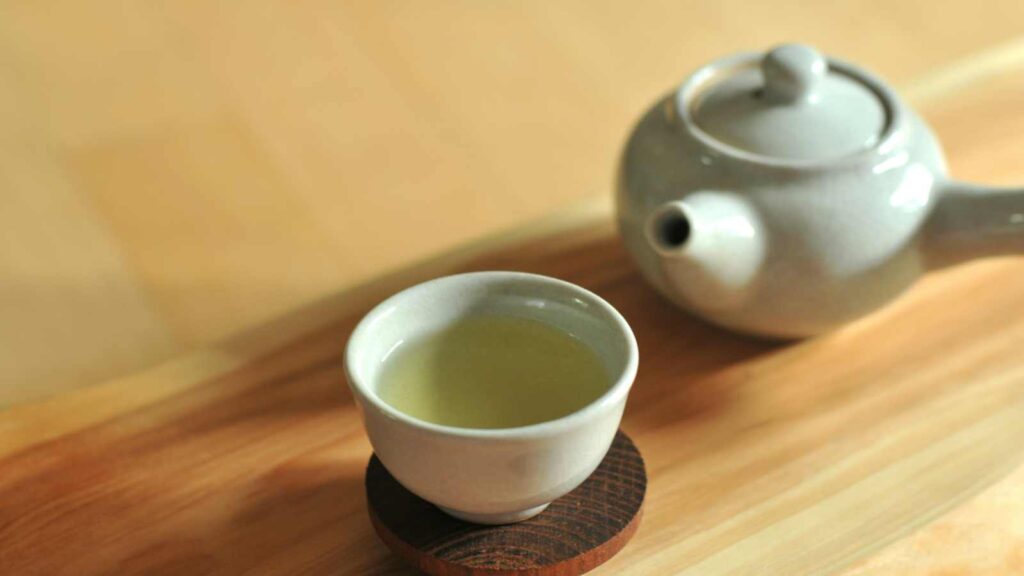
Urushi tea was once used in Japan for spiritual practices by ascetic monks seeking enlightenment through self‑mummification. The tea is made from the leaves and bark of the urushi tree (poison sumac), which contains urushiol, the toxic substance responsible for the severe allergic reactions caused by poison ivy and poison oak. Historically, the tea was consumed by monks in an effort to purge their bodies and aid in the mummification process, causing extreme dehydration and poisoning. Today, urushi tea is illegal in Japan due to its dangerous effects, but it remains a grim reminder of the extremes to which people once went in pursuit of spiritual purification.
Antimony (Medieval Europe)
In medieval Europe, antimony was used as a form of medical treatment in the form of powders and elixirs. It was believed to be a cure for various ailments, including digestive issues, and even as a form of contraception. However, antimony is a highly toxic substance, and ingesting it can cause severe illness, organ failure, and death. The metal can lead to inflammation of the gastrointestinal tract, renal failure, and even death when consumed in larger doses. Despite its toxicity, it was often used by medical practitioners of the time who believed in its medicinal properties, contributing to its dangerous legacy.
Calabar Beans (West Africa)
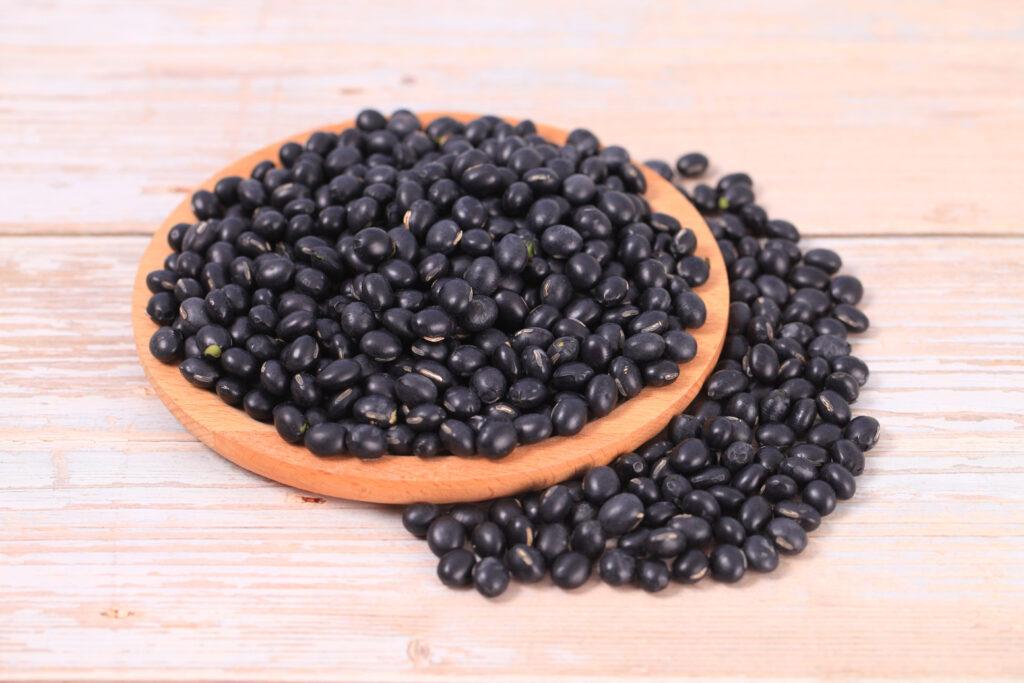
Calabar beans are a type of legume used in traditional trials of ordeal in West Africa. The beans contain a potent neurotoxin called physostigmine, which can paralyze muscles and cause death if consumed in high doses. The beans have historically been used in “poison ordeals” to determine guilt or innocence, where individuals suspected of crimes were forced to ingest the beans. Those who survived were considered innocent, while those who died were deemed guilty. The beans are highly dangerous and have been responsible for many deaths over the years, making them illegal in some countries.
St. Elmo Steak House’s Shrimp Cocktail Challenge (USA)
St. Elmo Steak House in Indianapolis, USA, offers a famously spicy shrimp cocktail challenge that tests even the most seasoned spice lovers. The cocktail is drenched in a horseradish sauce with an incredibly high mustard oil content. The heat from the sauce is so intense that it can cause severe discomfort, burning sensations in the throat and mouth, and in extreme cases, even damage to the digestive system. Many diners have been unable to finish the challenge due to the intense heat, and it remains a dangerous culinary stunt that has become part of the restaurant’s identity.
Naga Jolokia Chilies (India)
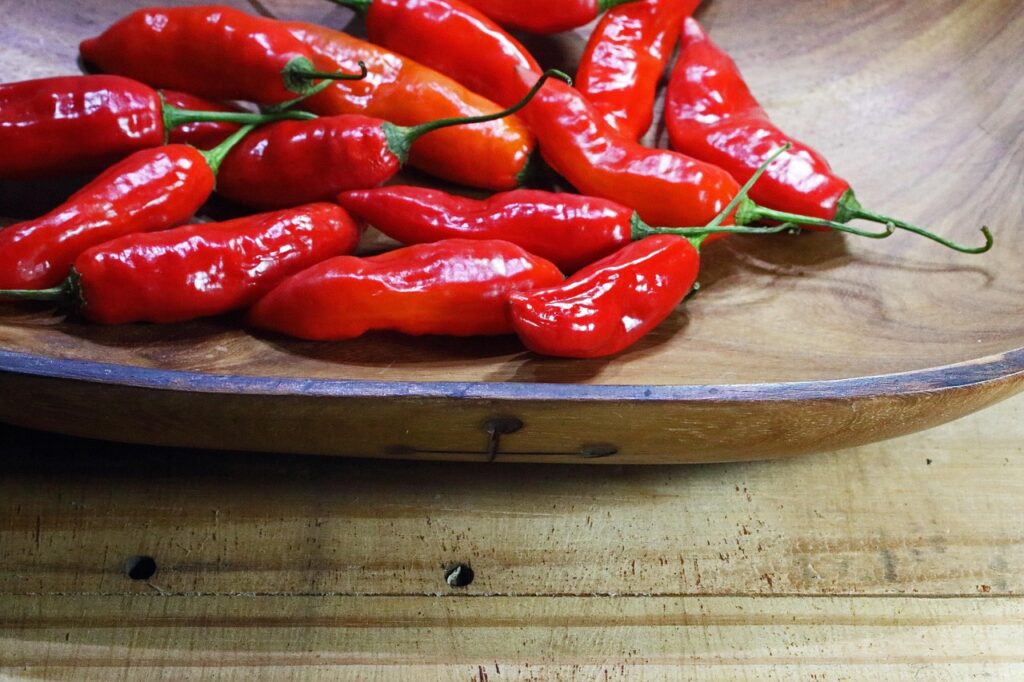
Also known as the ghost pepper, the Naga Jolokia chili holds the distinction of being one of the world’s hottest peppers. With a Scoville rating of over 1 million Scoville Heat Units (SHUs), the pepper’s intensity can cause extreme pain, nausea, sweating, and even vomiting in those who consume it. The pepper has been used in some cultures as a form of self‑punishment or in spicy food challenges. It can also cause shortness of breath and severe digestive distress, and has been known to cause permanent damage to the mucous membranes in the mouth. Despite the risks, it remains a popular ingredient in some culinary circles, used to make scorching-hot sauces and dishes.
Conclusion
The world of food is vast, and many cultures have developed unique culinary traditions that feature foods with shocking and sometimes dangerous elements. While some of these dishes are rooted in tradition, others continue to pose serious health risks if not prepared properly. From live octopuses to maggot-infested cheese, the culinary world has its fair share of risks, and it’s essential to be aware of these dangers when traveling or experimenting with new foods.