If you’re looking to live longer and feel better as you age, one of the most effective strategies is exercise. Research consistently shows that regular physical activity is a major contributor to longevity, improving everything from cardiovascular health to mobility. The best part? You don’t need expensive equipment or hours at the gym to reap these benefits. According to experts like geriatrician Dr. Wendolyn Gozansky and human performance scientist Dr. Mark Kovacs, even simple, daily activities can significantly impact how long you live and how well you age.
Walking

Walking is one of the most accessible and effective forms of exercise for longevity. It requires no special equipment, can be done anywhere, and provides a full-body workout that boosts cardiovascular health and bone density. Studies show that walking regularly, even at a moderate pace, can help prevent conditions like heart disease, diabetes, and arthritis. It’s a great way to keep your body moving without putting undue strain on your joints.
In fact, research published by the American Heart Association highlights that walking just 30 minutes a day can lower your risk of heart disease and stroke, improve mental health, and even increase your lifespan by reducing the risk of chronic diseases. Whether you’re strolling through your neighborhood or taking brisk walks on a treadmill, this simple movement is a major key to longevity.
Single-Leg Stands
As you age, one of the most important aspects of fitness is balance. Single-leg stands are an easy yet powerful exercise that targets your core and lower body while improving neuromuscular coordination. Studies show that poor balance is a significant risk factor for falls, which can lead to serious injuries, especially in older adults.
By practicing single-leg stands, you challenge your balance while strengthening the muscles around your ankles, knees, and hips. These muscles help support overall posture and reduce the likelihood of instability. Additionally, improving your balance can help you maintain independence by making it easier to walk, climb stairs, and perform daily activities safely.
Squats
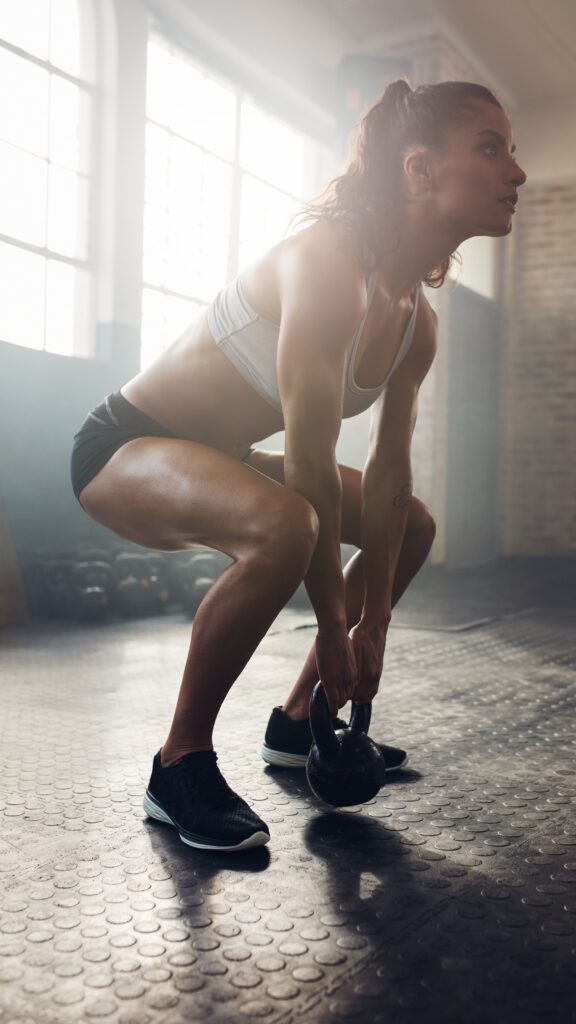
Squats are a powerhouse exercise that targets the lower body, focusing on the legs, hips, and core. Not only do squats help improve muscle strength, but they also enhance bone density and support insulin sensitivity. Research has shown that weight-bearing exercises, such as squats, play a critical role in maintaining strong bones and preventing osteoporosis.
As you age, muscle mass naturally decreases, which can lead to a decline in strength and metabolism. Regular squats help counteract this natural process, improving muscle tone, joint function, and overall metabolic health. Strong legs also make everyday activities, like getting up from a chair or walking up the stairs, much easier. This functional fitness is a key component of aging gracefully.
Modified Push-Ups
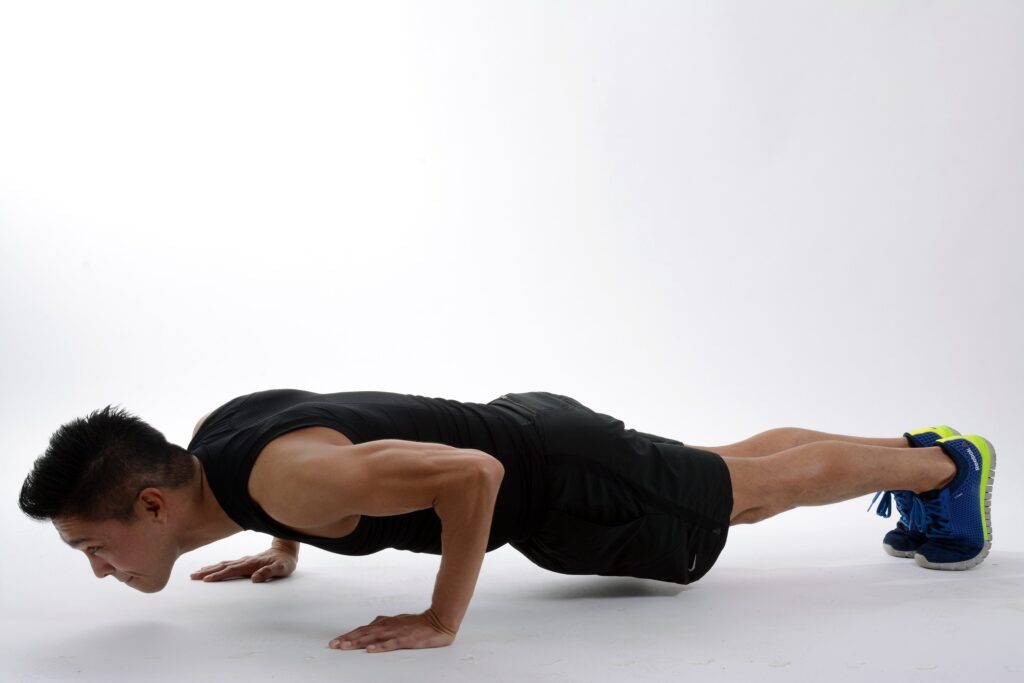
Push-ups are not just for bodybuilders. This simple exercise is excellent for building upper-body strength, particularly in the chest, shoulders, and arms. When modified (e.g., by doing them on your knees or against a wall), they can be adapted to any fitness level.
Strengthening the upper body is essential as it supports overall posture, reduces back pain, and improves functionality in everyday tasks. Studies have shown that upper-body strength is associated with a lower risk of death in older adults, highlighting the importance of maintaining strength in these areas for a longer life. Push-ups also engage the core, enhancing stability and spinal health, which is especially important for maintaining a strong, pain-free back as you age.
Step-Ups
As we age, maintaining strength and stability is crucial. Step-ups are a simple exercise that mimics real-life movements like climbing stairs. Not only do they enhance lower-body strength, but they also improve balance and joint stability, all of which are essential for preventing falls.
Falls are a major cause of injury in older adults, often leading to long-term health complications. Step-ups help strengthen the legs, especially the quadriceps, glutes, and calves, which are all responsible for controlling movements and maintaining stability. Incorporating this exercise into your daily routine can help reduce your fall risk, allowing you to maintain independence and mobility as you age.
Plank Holds
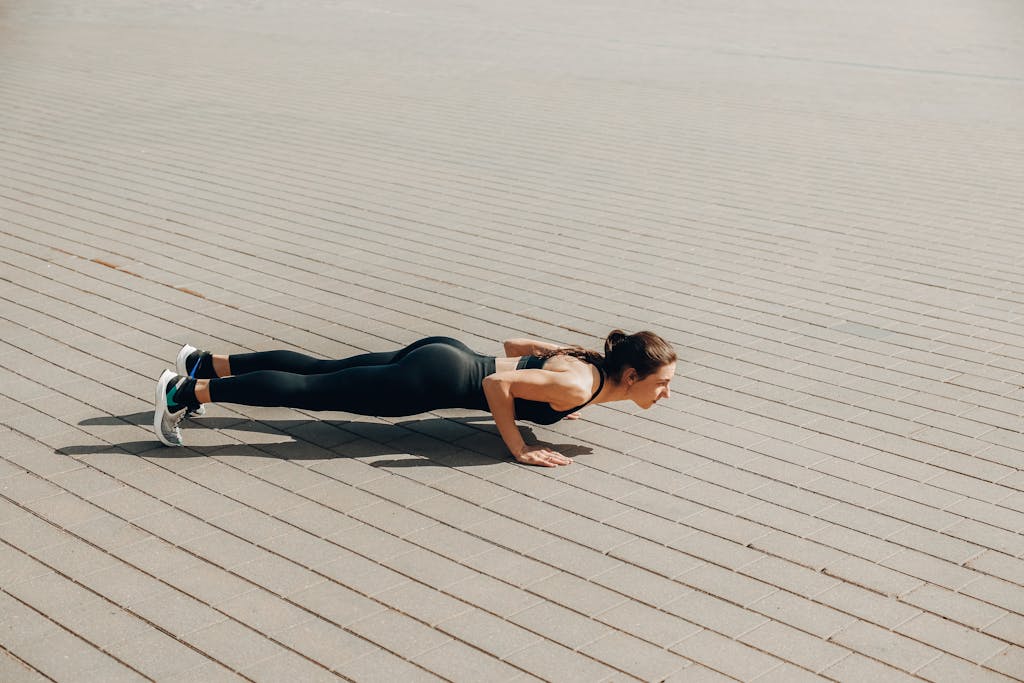
Planks are an excellent exercise for strengthening your core, which is essential for overall mobility, posture, and spinal health. A strong core stabilizes the spine, reduces lower back pain, and supports efficient movement. As you age, it’s especially important to maintain core strength to avoid falls and injuries.
Core strength also plays a major role in athletic performance, functional movements, and preventing muscle imbalances. Holding a plank engages multiple muscle groups, including the abdominals, obliques, shoulders, and glutes, providing a full-body workout. Regular plank training improves postural alignment, supports daily activities, and helps maintain long-term mobility.
Combining Exercises for Maximum Impact
While the six exercises above are incredibly effective on their own, experts agree that variety is key to a well-rounded exercise routine. Engaging in a variety of physical activities—such as walking, squatting, strength training, and balance exercises—provides broader benefits than doing just one type of movement. For example, combining aerobic exercises (like walking or cycling) with strength training (like squats and push-ups) not only improves cardiovascular health but also builds muscle mass, bone density, and joint flexibility.
Mixing up your exercise routine also reduces the risk of overuse injuries, keeps things interesting, and targets different areas of fitness. Studies have shown that people who engage in a variety of physical activities experience better long-term health outcomes, including a lower risk of death and chronic disease. It’s a powerful way to boost your healthspan and make aging feel effortless.
Conclusion
Exercise is one of the most effective ways to increase longevity and ensure you live a healthy, independent life well into your later years. The six exercises outlined above, walking, step-ups, squats, push-ups, single-leg stands, and plank holds, are easy to incorporate into your daily routine, and they don’t require fancy equipment or a gym membership.
By staying consistent and mixing up your workouts, you can maintain strength, flexibility, and balance, all while reducing your risk of falls and chronic disease. So, start small and make these exercises a regular part of your routine. Your future self will thank you for it!